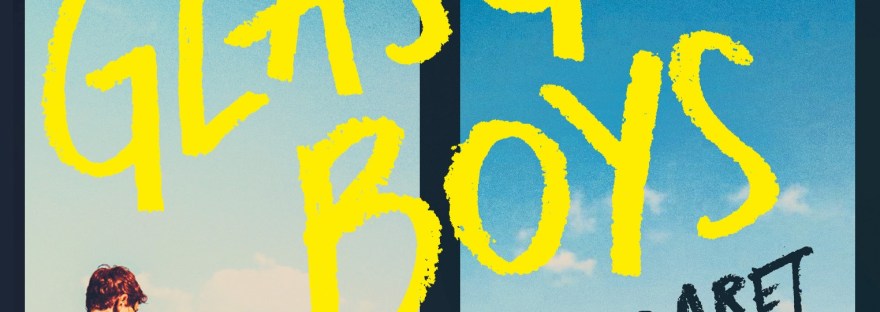
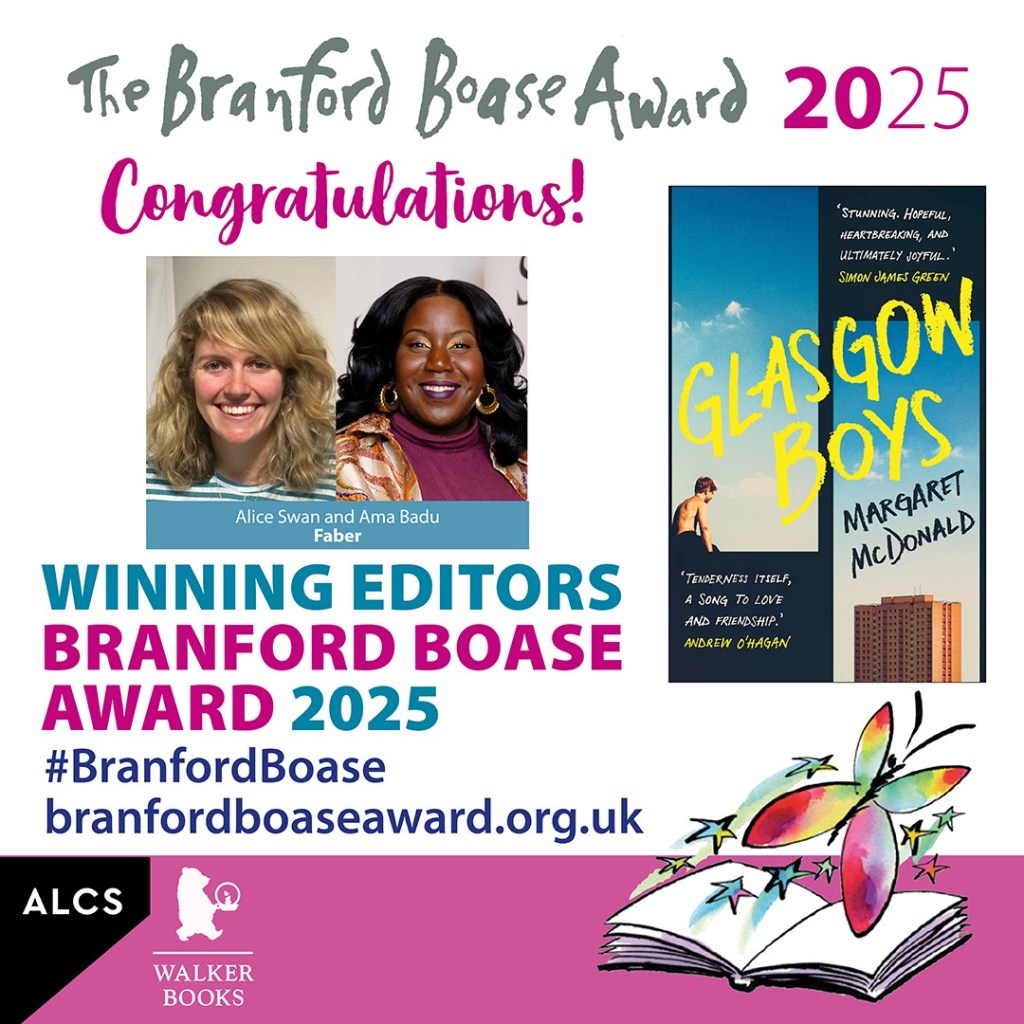
Want to know what it takes to be an award-winning editor? Alice Swan is one of the editors for Glasgow Boys, published by Faber & Faber, and written by Margaret McDonald. The novel won this year’s Branford Boase Award 2025.
Find out what the best thing about being an editor might be, and what it was like for Alice on editing the novel with Ama Badu.
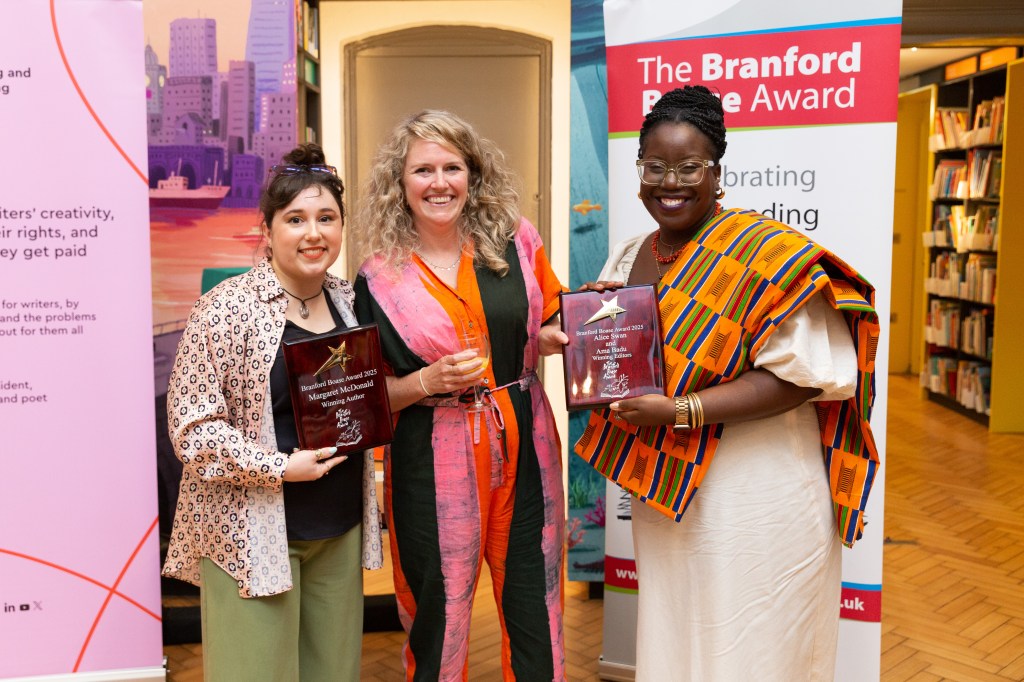
By Alice Swan
If someone was to ask what the best thing about being an Associate Publisher at Faber is, I’d say this: I have never once been bored. It’s a role that provides so much variety, even within the editing process itself. Every editorial job is different, as is every author’s way of working. I often think that if all my authors were put into a room together they’d all have different gripes! One person would say I always asked for more description, another would say I always cut things down, someone else would say I always wanted plot changes . . . you get the idea . . .
Working on Margaret McDonald’s Glasgow Boys was – joyfully – one of my favourite sort of edits. Often an edit can feel like a puzzle that you’re trying to put together and the desire is to have every piece in place at the end. However, the starting point for each book isn’t always the same. Sometimes it feels like the pieces are out of shape, or that half of them are hiding down the back of the sofa and there’s a question mark over whether they will all be found!
However, with Glasgow Boys, the starting point felt full of hope: looking down on the first draft, all the puzzle pieces were face up and on the table – the perfect story was there for the taking, we just had to rearrange the pieces into the right order.

To step away from the metaphor for a moment, what I mean is that Margaret’s writing was exquisite, and her characters, Banjo and Finlay, felt fully formed from the first read. Working with my colleague, Ama Badu, our editorial mission was to ensure that the reading experience felt like a real ride – that the tension and the suspense built up to those moments of release.
I hate to say it, but we wanted to make readers cry!
We wanted to take them on an emotional journey, leaving them full of hope and love at the end. Luckily, that’s very much what Margaret wanted too, so we worked comfortably and carefully alongside her to help her shape her story into the best version of itself.
Every edit is different, but the conditions for a good edit remain the same. It’s our job to be able to look down on the story from above, to see that puzzle and to think about what each book needs. The main thing an edit needs is time. It simply isn’t a job that can be done alongside checking emails or attending meetings.

In order to really see a story as a whole, editing can take one, two, three or even more consecutive days of solid, uninterrupted concentration. For me, I need to be offline and in an entirely separate room to my laptop in order to harness the level of deep thinking required.
Editing is a skill I have honed over many years, and with experience comes further clarity about just what a story might need. It’s a skill that needs to be taught, cherished and protected, and above all given the luxury of time.
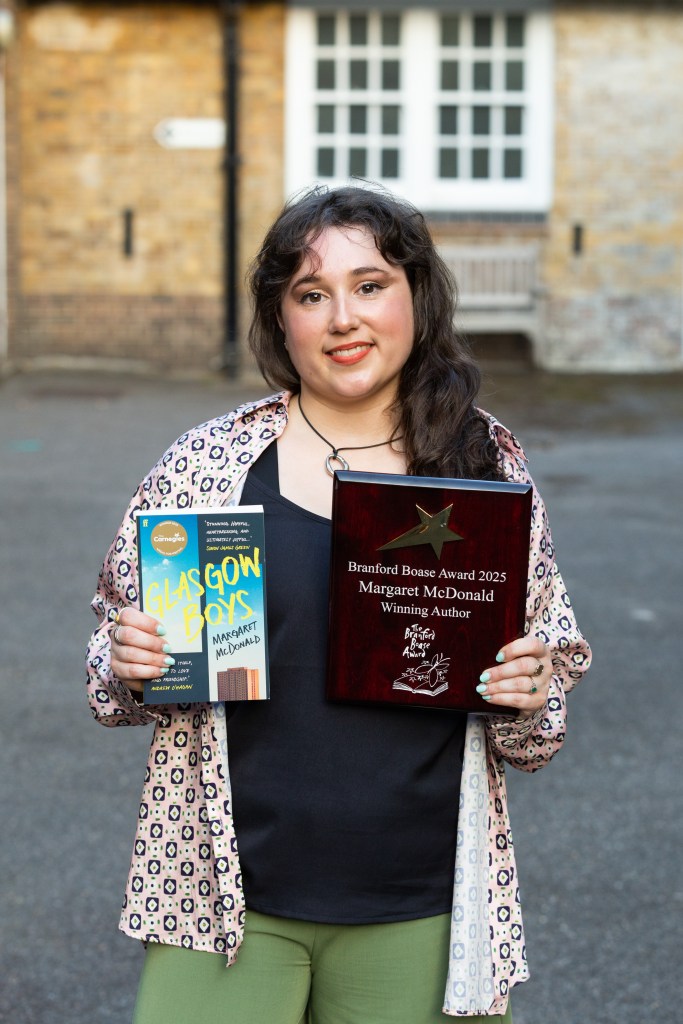
At the end of the Glasgow Boys edit, which took five months in the end, it really did feel like every piece was where it should be. It felt like a real mic-drop moment – it was done. There wasn’t a single word out of place. And that, for an editor, is a rare and extraordinary feeling.
Check out guest post with Faber & Faber editor Ama Badu here.

.
Glasgow Boys is out now and published by Faber & Faber
The Branford Boase Award
Set up in memory of author Henrietta Branford and her editor Wendy Boase, the Branford Boase Award is the only award to recognise the editor as well as the author. Find out more about this year’s award on the website.















 PaperBound Magazine