Blog, Blog series, Bookshelf, Extract, on writing, Writing craft

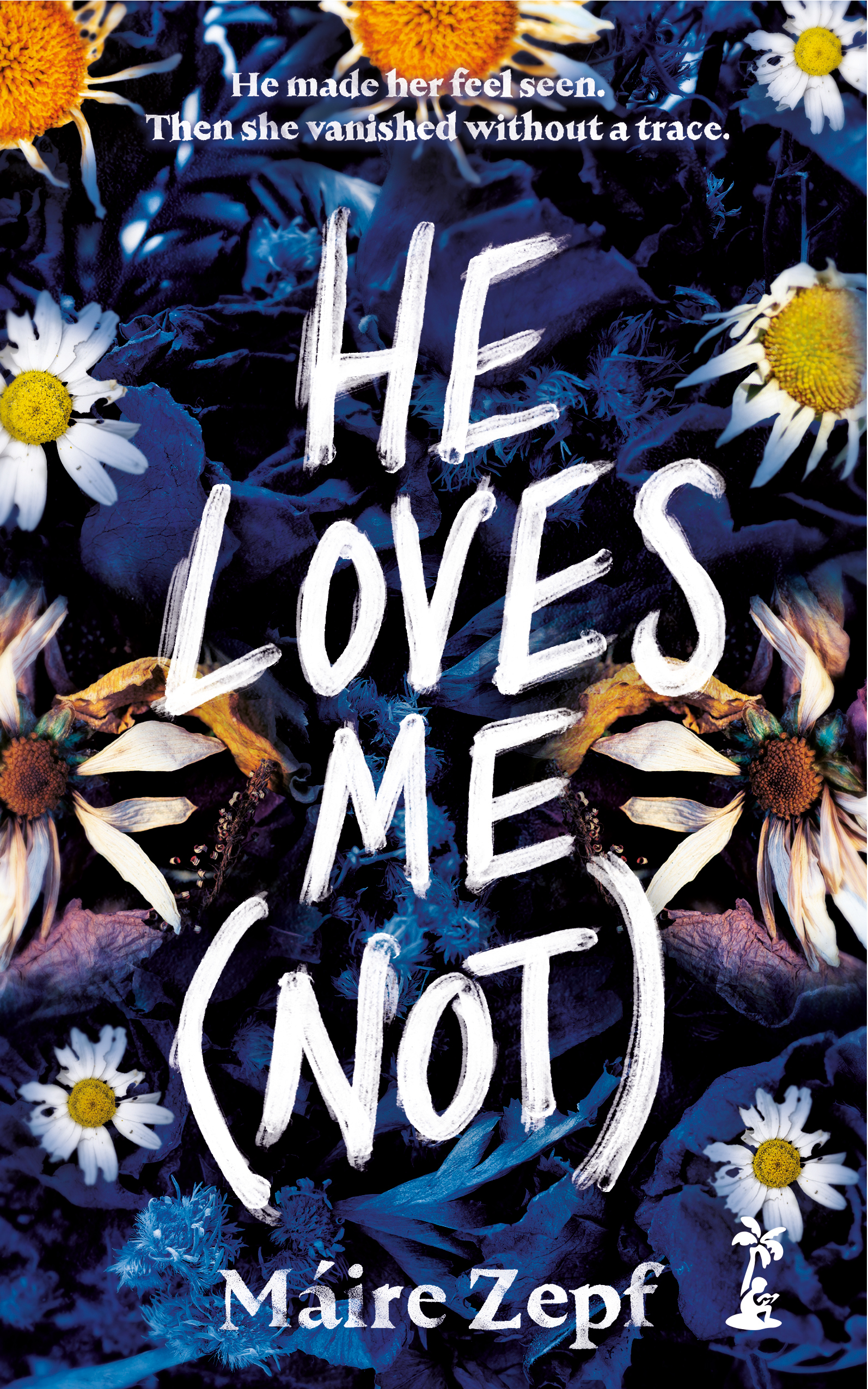
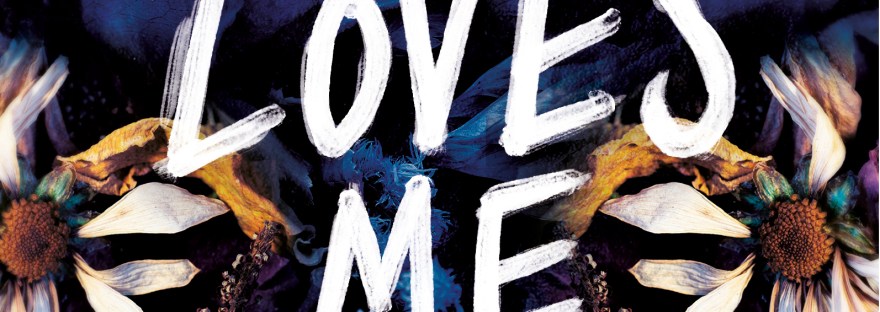
Sneak Peek! He Loves Me (Not) by Máire Zepf

Kiss

‘Have you ever kissed a boy?’
Shay asks.

He isn’t making fun of me
or criticising
or pressurising.

He sees
no problem
when I tell him
that I’ve haven’t
kissed
anybody
yet.

‘Oh, if I could
kiss
you,
Daisy,
your first kiss
would have
starlight
in it.’

‘It would glimmer

on your lips

and feel like the heat of the sun

on your skin

on a summer’s day.’

‘It would burst with kindness

in your mouth

and have a tiny

tasty

dash

of dark voodoo

to spice it.’

Worried

‘Daisy,
as your friend,’
writes Erin
formally
as though she is
no longer
my friend.
‘I have to say
that I am
worried
about you.

  1. You don’t know him.
    (that’s what she thinks)
  2. You have forgotten
    about the
    real world.
    (how would a girl who has never been in love understand just how gut-wrenchingly ‘real’ this is?)
  3. You haven’t even met him!’
    (yet…)

Invisible Ink

I’m not going to tell you,
Erin,
my friend,
the things
on my mind.
I’m not going to tell you
that the
poison
of jealousy
is polluting
your thoughts and
choking
our friendship.

I’m not going to tell you
that my
friend
should be
happy
that I am
happy.
I’m not going to tell to you
that I feel I have
overtaken
you.
That I am on a road
that is not on
your map
yet.
And, I’m definitely not going tell you
like Maeve would
that you should
go
and play with your
dolls.

Rapunzel

I am drying
my hair.
Shay says
he’d like to
comb it
gently
with his fingers.
He’d like to
touch it
smell it
brush it.
I send him a picture.
My head
upside down
my wet hair
tousled.
Wild.
I’m getting better
every day
at the
selfies.

A star-speckled sky

I can’t
describe
this feeling.
But my mind
seeks for the right words
unrelentingly
unendingly.
Heart-hopping
hard-to-breathe
I-am-flying
waves-crashing
heart-melted
I’ve-lost-the-plot
firecrackers
obsession
tsunami…
It’s like
a star-speckled sky
inside my tummy.

So what?

At school,
Erin has a new gang.
New friends.
I sit on my own.
But I don’t care.
Here sits Daisy
alone and maybe
lost and hazy,
completely phone-crazy.
So what?

The vacuum

I’m texting him
as usual
telling him
every minute detail
of my day.
This way
it’s like
we’re
together.
But something is wrong.
He isn’t
answering.
Silence so
quiet
that it
screams.
A cavernous void.

A vacuum
pulling me inside
a vortex
of fear.
Shay,
Where are you?
WHERE ARE YOU?
WHERE ARE YOU?

Pyjamas

‘I’m sorry, darling.
My battery died,
that’s all.’
That’s all?
I tell him about the
vacuum.
About the vortex.
‘I know, my love,’
he says.
‘I felt it too.
But I’m here now
and everything is OK.
Are you in your pyjamas,
Daisy?’
I sent him a pic.
White pyjamas
with pink hearts.

I tie a knot at the back
to tighten them.
So he can see
my curves.

Lover boy

‘Ooohh – don’t tell me that
Tweedledum and Tweedledee
have fallen out,’
says Maeve
in a
saccharine
voice.
The maths classroom is
too hot,
stuffy.
I am sitting
alone.
‘Daisy’s smitten with
Lover Boy,’
Erin says,
like she doesn’t care
but her green eyes look
hurt
for a second
before she turns back
to her
new friends.

Ooohh,’ says Maeve again
turning her whole body
to look me
up and down
sizing me up
from head to toe.
‘Well well well.
Daisy’s in love.’

Daisy’s in love

It’s a fact.
Daisy’s in love.
Daisy is drenched,
drowned
in the bursting
in the purring
in the shimmering
and in the silken rustling
of love.

The glass slipper

The whole day
I can’t
shake
Erin’s wounded eyes
from my mind.
Did I hurt her?
If the
glass slipper
was on the other foot
how would I feel?
Erin dancing happily
with the prince
and me
left
by myself?

Americano

‘Hey, Erin,’ I say
on the phone.
‘I’m sorry
about everything.
How about we go
for a coffee
tomorrow afternoon?’
‘OK,’ she says
in a tiny little voice.
‘There will be a
total ban
on talking
about Shay.
I promise.’
She sends me a
smiling emoji.
‘Caffè Nero at 2 then?’
We have a date.

Another date

‘That has me
thinking,’
says Shay when I tell him.
‘When are
we
you and me
Daisy and Shay
going
out on a
  date?
I can’t
 wait
any longer.
I want to feel
your hand
in my hand.
More than
anything
on earth.’

Shivers of excitement
dart through
my body.
‘Are you free
after school
Friday?
A week from today?’
he says.
I send an emoji.
The face with
hearts for eyes.
‘Sure am.’
This is it.
‘Say 5 o’clock?
That gives us time to
change out of our
prison uniform
beforehand?
We can meet at that new café
in front of City Hall?’

I wonder if he knows
that I am
jumping
around my bedroom
like a
lunatic.
This is it.
I’m going to meet my
love.
Finally.

.

Daisy has always been quiet – the kind of girl who fades into the background. So, when she meets a boy online who really sees her, she falls fast. He listens. He understands. He makes her feel special in a way no one at school ever has.
Soon, Daisy’s world shrinks to a glowing screen. Her mum worries. Her best friend Erin is pushed aside. But Daisy doesn’t notice – she’s in love. Then Daisy goes to meet him in real life. And she never comes back.
Left behind with guilt and unanswered questions, Erin tries to piece together the events that led to Daisy’s disappearance and is forced to confront the truth Daisy never saw. In a world where screens can lie and love can be faked; how can anyone know who to trust?

Máire Zepf has written over 16 books for children, from picture books to YA fiction. She has won the Children’s Books Ireland Children’s Book of the Year Award, 5 Literature Association of Ireland Children’s Book Awards and 2 international White Ravens among many others. Máire lives in Co. Down and she loves sea-swimming and crisps.
PaperBound Magazine is an online magazine for the young, and the young at heart. We are dedicated to showcasing authors and illustrators for children’s and young adult fiction and we strive to deliver inspiring content, uplifting stories, and top tips for young and aspiring writers yet to burst on to the literary scene.

All our issues are completely free and run by volunteers, however if you would like to support PaperBound and the work we do, you can help us out by buying us a virtual book. We appreciate any support you can give us!

Don’t forget you can read with the latest issues of PaperBound Magazine – completely free – here.

article, Blog, Blog series, Bookshelf

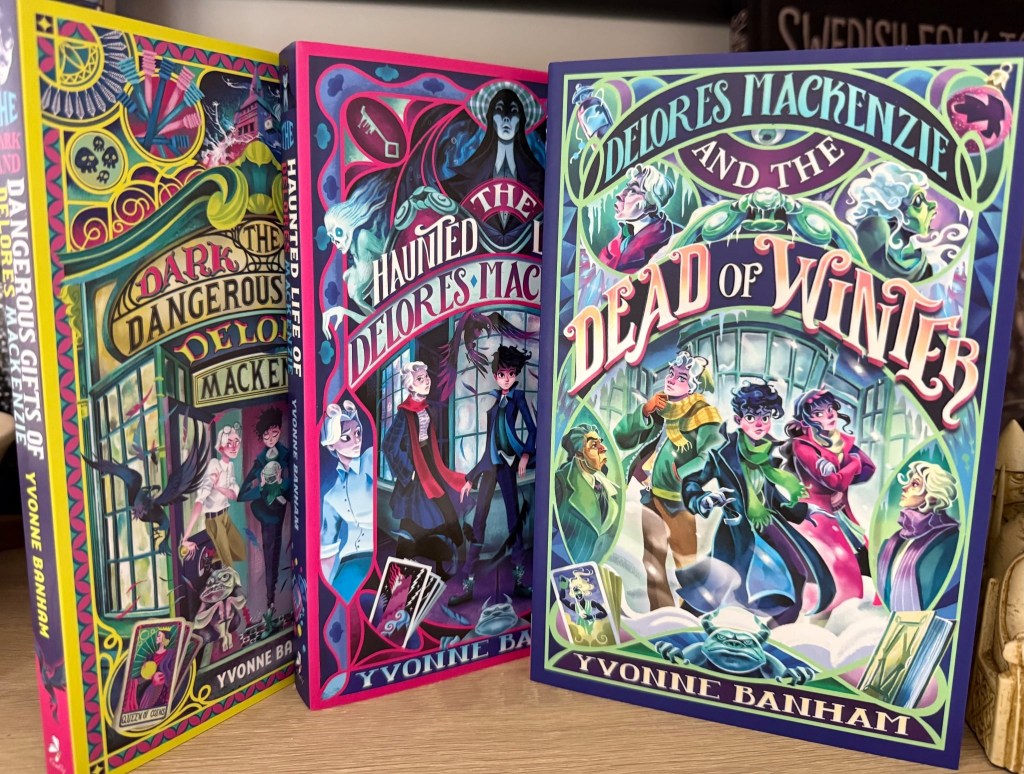
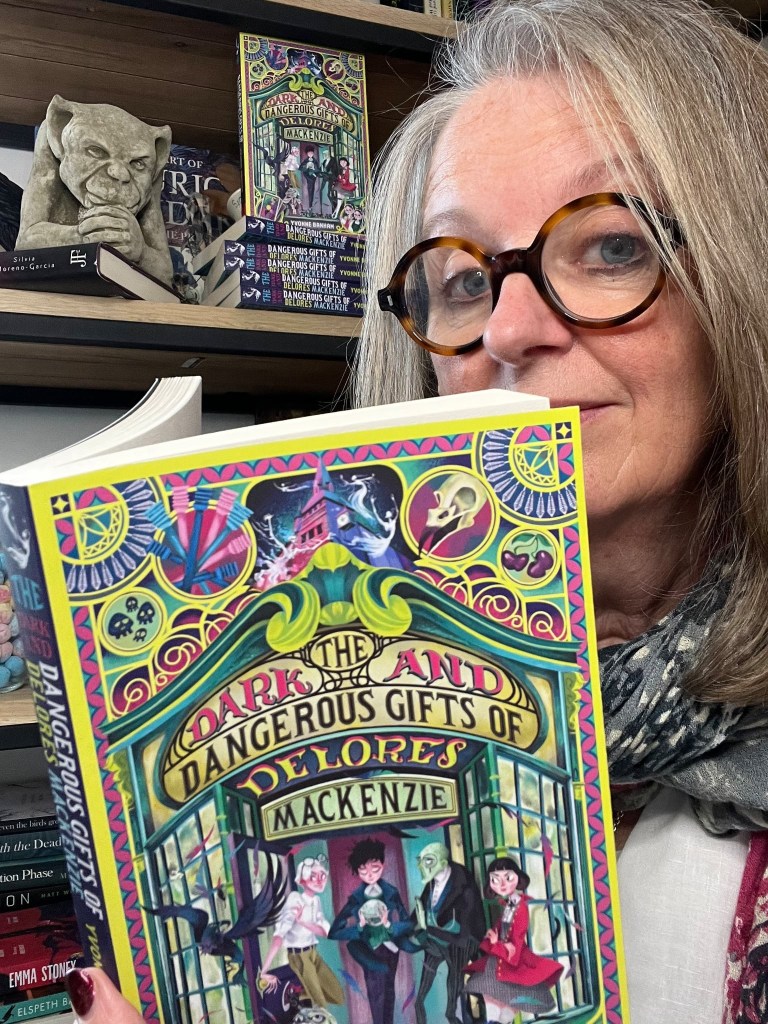
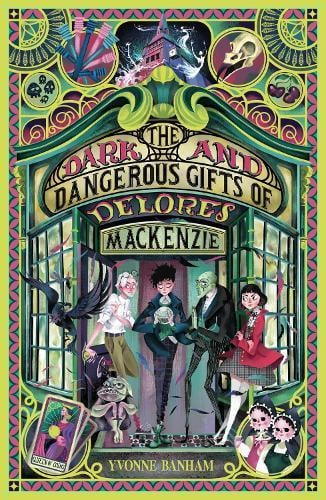
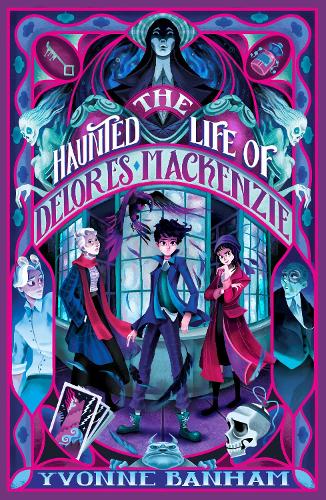
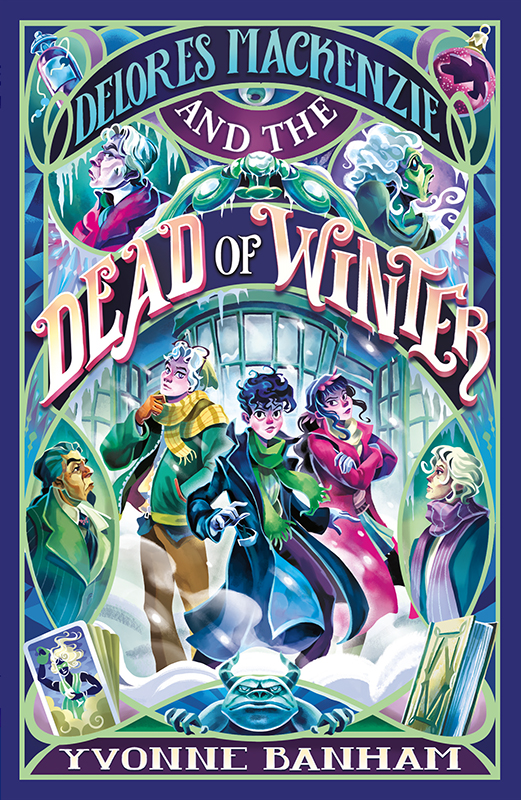
Yvonne Banham on the inspiration behind the Delores Mackenzie series

Delores Mackenzie and the Dead of Winter takes Delores, and co-students Prudence and Gabriel not only to the edge of their paranormal abilities, but also on a journey way beyond the Arctic Circle as they try to solve a haunting murder mystery without becoming the next victims.
The gale-force wind was gripping me, dragging me towards the rapidly rising water as I tried to run.
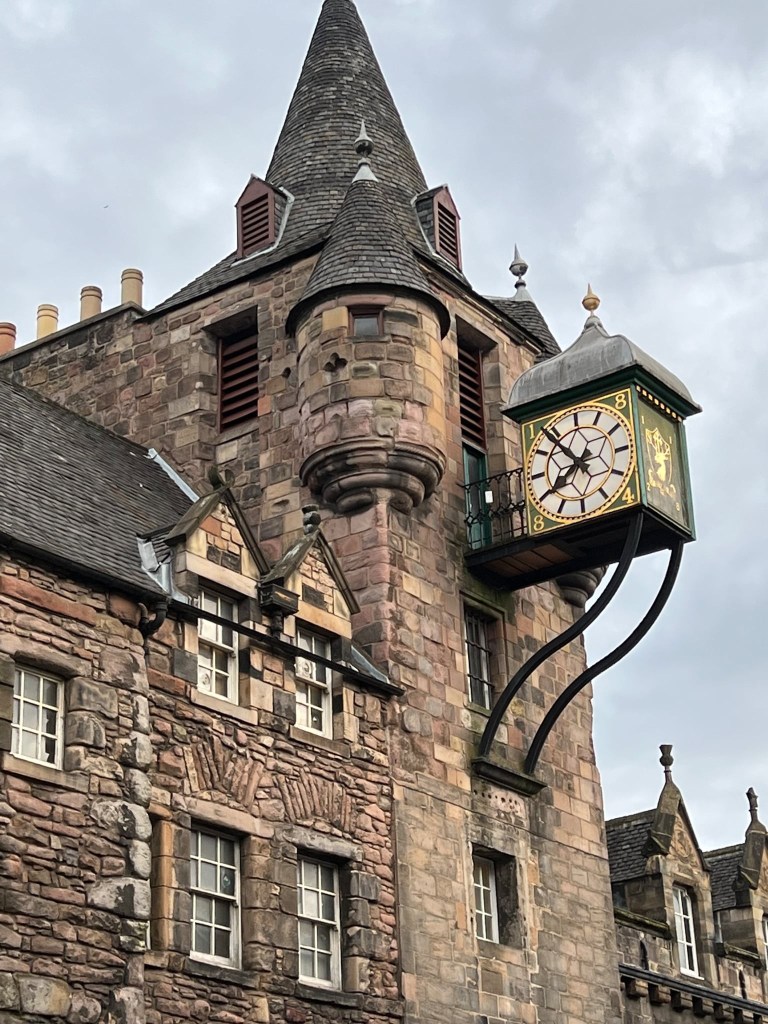
Delores’ world needed a modern day but gothic setting, and Edinburgh Old Town was perfect. I was lucky to get to see inside the clocktower at the People’s Museum (which became The Tolbooth Book Store) and things started to come together. It was easy to imagine supernatural forces lurking in the shadows of the narrow wynds and closes, and in the lost streets and vaults hidden beneath the oldest parts of the city.

It was easy to imagine supernatural forces lurking in the shadows of the narrow wynds and closes, and in the lost streets and vaults hidden beneath the oldest parts of the city.

Food is intertwined with life at the Tolbooth representing all kinds of things: love, care, grief, danger, even lighter moments like when Delores’ food is turned against her.

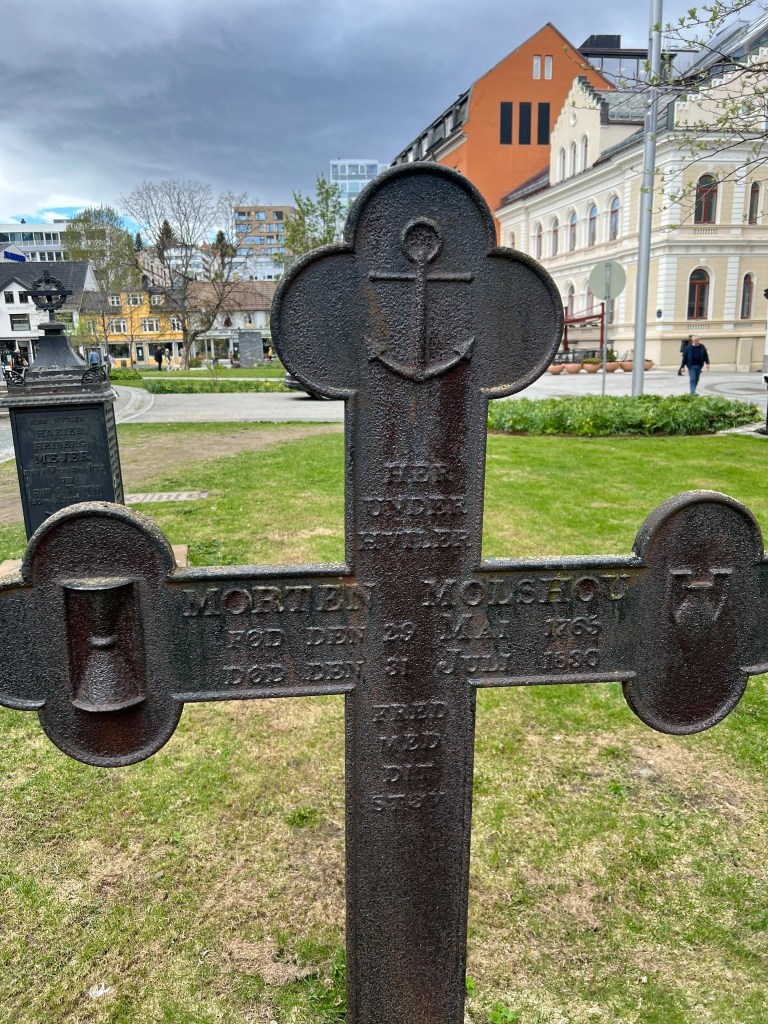
I have always been drawn to northern climates, cold places that feel like they’re clinging on to the edges of the earth, and it was amazing to be able to travel beyond the Arctic Circle to tap into that connection in a very real way. I found a home in Tromsø, Norway, for the dreaded High Council and the fiendish Psychic Adjustment Council, both huge dangers to Delores and her friends. It also gave me the best moment for Prudence’s big scene near the end of the series. I really loved writing that one!

Special Offer

When Delores Mackenzie is chased home by a restless spirit, she is sent to the mysterious Uncles in Edinburgh Old Town to learn how to control her unusual ‘gifts’. Scared and alone, she finds her new home at the Tolbooth Book Store is full of curious surprises: some welcome, others less so. But when a sinister apparition threatens the lives of her strange new housemates, Delores must gather all her strength to save them.

Paranormal students Delores and Prudence are being hounded by inquisitors after they broke the rules and helped rescue fellow student Maud from death at the hands of an evil spirit. Cruel inquisitor Magoria Jepp is searching for secrets at their home in Edinburgh’s Tolbooth Bookstore, but does she have an uncanny history of her own to hide? As Delores tries to save her friends, she attracts the unwelcome attention of a murderous Boçain, or evil spirit, intent on stealing her paranormal gifts. Can she defeat her enemies, and maybe her own family too, to save everyone she loves at the Tolbooth?

When the ghoulish victim of a decades-old murder screams for justice from beyond the grave, paranormal students Delores, Prudence and Gabriel must travel from Edinburgh Old Town to far beyond the Arctic Circle, chasing after a mysterious book, a legend … and a killer.


But, with their every move being watched, will the friends find the answers they’re looking for before they become the next victims…?

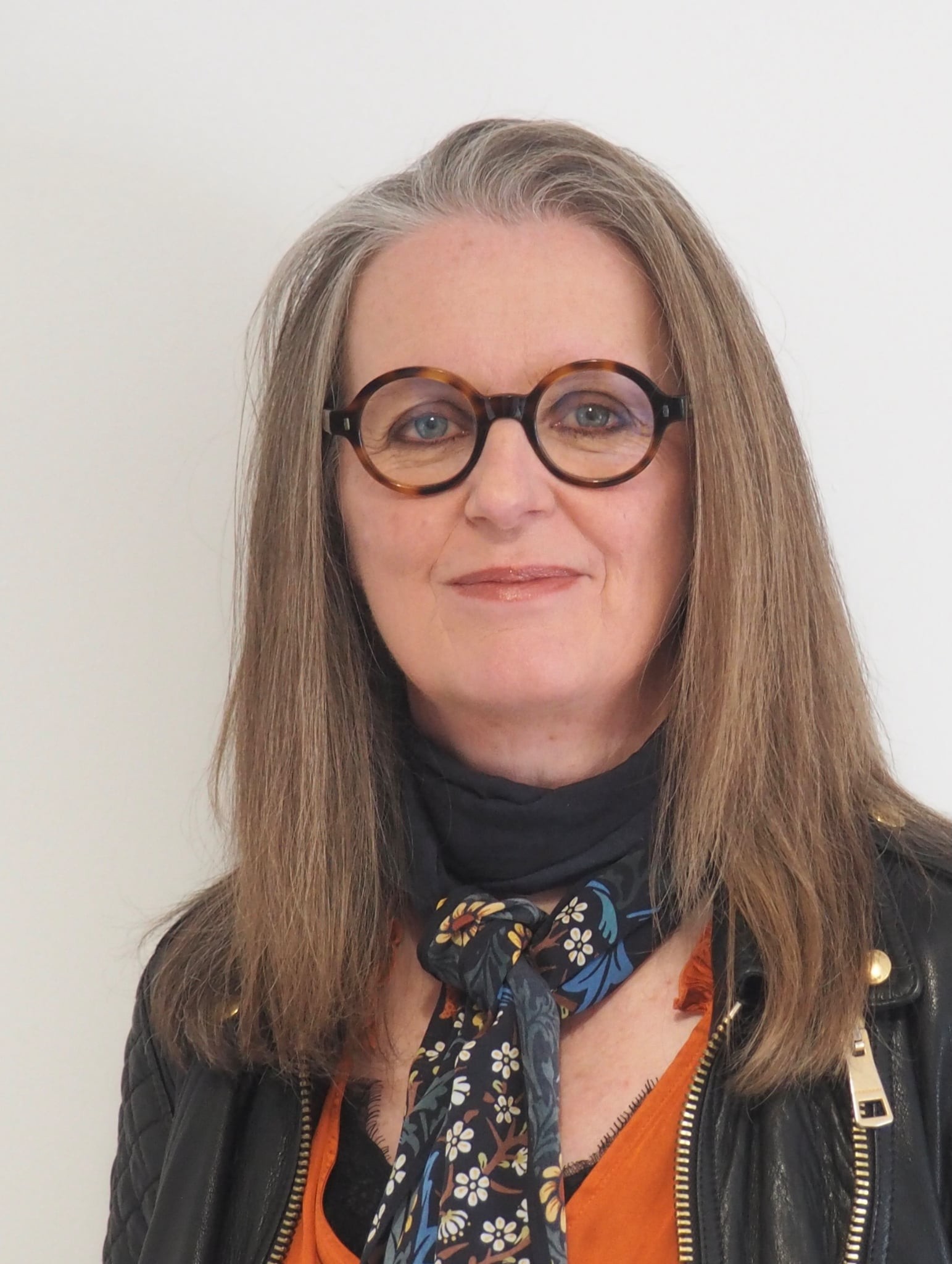
Yvonne Banham grew up on an island off the coast of Cumbria and spent lots of time huddled on the wild beach with a scary book. When she left school, she couldn’t decide whether to be a nurse, an artist, or a writer, so she tried them all but liked writing best. She believes in ghosts though she’s never met one, and after five gloriously spooky years in Edinburgh, she now lives in Stirlingshire with her husband and their bold little terrier Bertie. When she’s not writing, she’s either hiking in the nearby hills or checking out creepy locations in search of new stories.

PaperBound Magazine is an online magazine for the young, and the young at heart. We are dedicated to showcasing authors and illustrators for children’s and young adult fiction and we strive to deliver inspiring content, uplifting stories, and top tips for young and aspiring writers yet to burst on to the literary scene.

All our issues are completely free and run by volunteers, however if you would like to support PaperBound and the work we do, you can help us out by buying us a virtual book. We appreciate any support you can give us!

Don’t forget you can read with the latest issues of PaperBound Magazine – completely free – here.

article, Blog, Blog series, Bookshelf, on writing, Writing craft

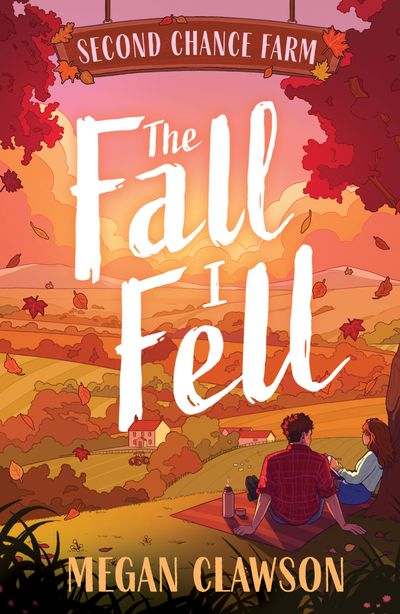
Sneak Peek! The Fall I Fell by Megan Clawson

The floor of the treehouse has never made a good bed. The cold planks, smoothed by years of growing feet, groaned as I stretched against their grain. I blinked into sunlight that blinded me through the gaps in the roof. Yet, somehow, that was the best sleep I had had in weeks. Perhaps it was the exhaustion of yesterday, or maybe all of the nights laid awake crying had finally caught up to me. But I stayed there, on those planks just a little while longer, ignoring the aching of my joints.

For just a moment, I didn’t remember. Wrapped up in the light, the smell of the last dregs of summer air coming in through the window, I clung to those fleeting moments of rest that had been so rare of late. Then, like a change in the wind, it all came flooding back. Granny. Her life’s most precious photos and the letters in that box that lay scattered around me. Jacob’s arms holding me in the dark, and his lips, and the feeling of finally—

I sat up and called his name, though I already knew from the draught about me that I was alone. The night before came back to me, in fragments at first, of dances, of tears, of quiet embraces, of lips too desperate to wait any longer. Then I remembered it so clearly. I could feel the touch of him on my skin as the exhaustion took us both and I fell asleep in his arms, and he stayed. He had stayed. I looked for any sign of him out of the window. The September morning clung to the warmth of the summer, but the leaves and their dying orange tips told the real story. The farm was yet to stir. Silence fell across the landscape, and Jacob was still nowhere to be seen.

Many times in my life I had questioned whether he was just a dream, but this time I knew that all of it was real, painfully real. He had been here. He had held me, kissed me, loved me. Surely, that meant something. He was no phantom, and it was no dream, so why was it that I was alone?

All the pieces of Granny’s memories that were scattered around the floor quivered against one another in the breeze, hissing in whispered conversation. I gathered them as carefully as I could, saving the stray sheets from being carried away in the wind. No matter how hard I tried to coax the lid back onto the shoe box, it wouldn’t sit flat. The sight of it, fit to burst with photos a plenty, was rather fitting. Granny’s life was far too full to fit into any box.

Then, from the corner of my eye, I spotted it.

A single sheet of paper, crumpled into a ball, tucked in the shadow of the same chest we used to leave notes for each other when we were children. Its bright white glowed in the early light, so different from the yellowed envelopes of Grandad’s old letters.

My stomach dropped at the sight of it, as though I already knew what weight it held. I think I knew from the moment I opened my eyes and found him gone. But still I scrambled to unravel it, because that is the thing about love: in your mind, you know the truth, you know what will come will hurt you, but there’s always that hope that this time it just might be different, that you’ll get your happy ending.

I smoothed the paper out against my knee. Two words in his handwriting – I would know it anywhere, all those cramped joined-up letters with never quite enough space for the apostrophe. Two words, and nothing else.

I’m sorry.

.

For Ava Matthews, her grandparents’ farm always meant the holidays – long golden days roaming the fields and hills and sharing secrets in the treehouse with her best friend and first love Jacob.
It was the place of endless summers and magical winters, far from her life in London where she dreamt of travelling abroad to study fashion. It was never meant to be home.
But when her parents’ marriage unravels, Ava finds herself back in the russet-hued Autumn countryside, trying to put her life back together. And Jacob, who broke her heart two years ago, is still the boy next door, but feels further away than ever.
As the leaves fall and the seasons change, old wounds heal and new possibilities arise. And soon, Ava has to decide where her future – and her heart – lies …

PaperBound Magazine is an online magazine for the young, and the young at heart. We are dedicated to showcasing authors and illustrators for children’s and young adult fiction and we strive to deliver inspiring content, uplifting stories, and top tips for young and aspiring writers yet to burst on to the literary scene.

All our issues are completely free and run by volunteers, however if you would like to support PaperBound and the work we do, you can help us out by buying us a virtual book. We appreciate any support you can give us!

Don’t forget you can read with the latest issues of PaperBound Magazine – completely free – here.

article, Blog, Blog series, Bookshelf

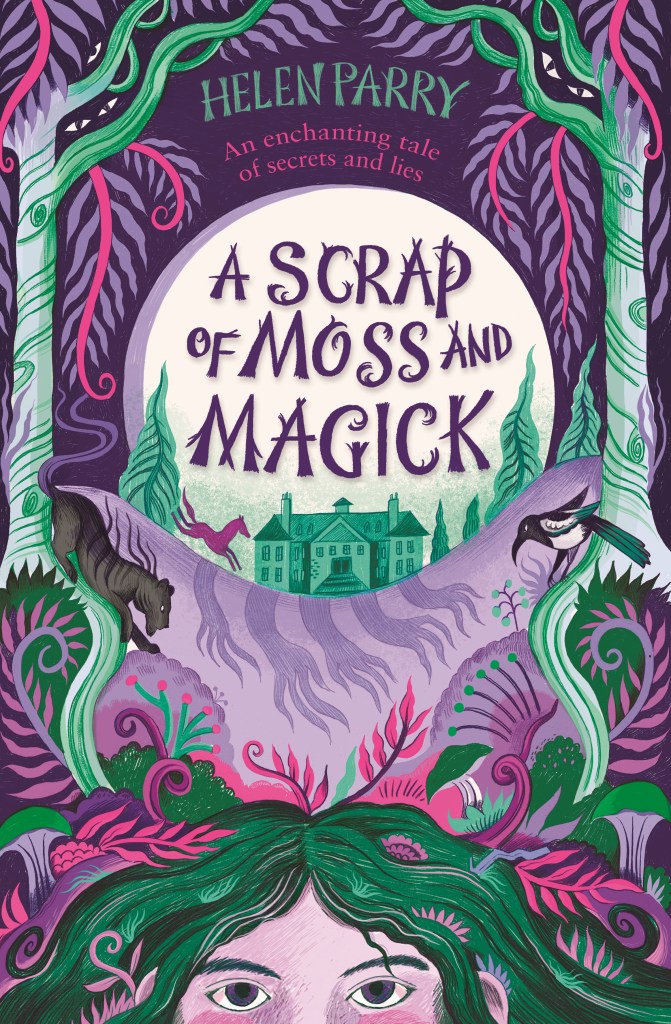
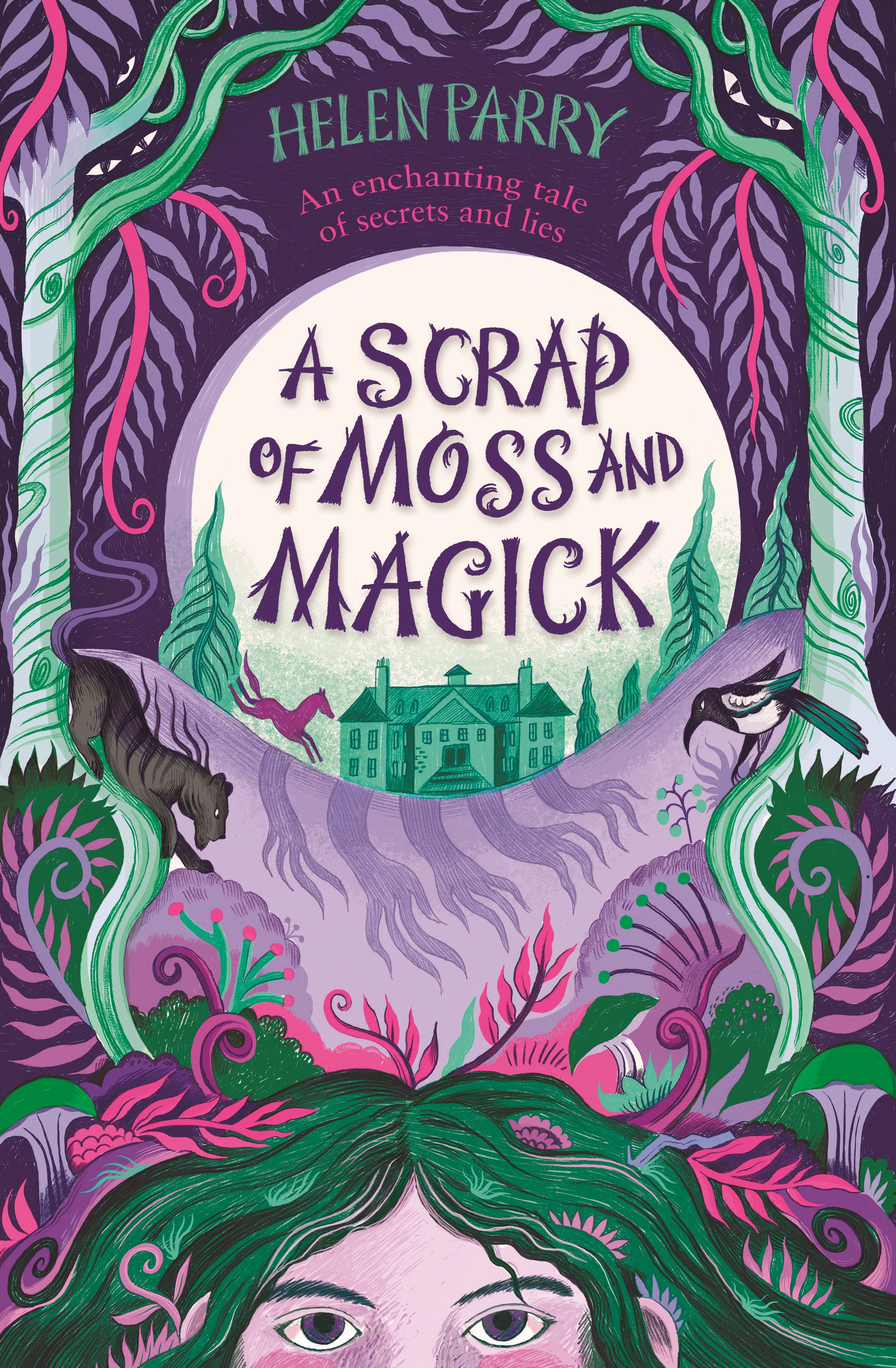
Helen Parry on her new novel, A Scrap of Moss and Magick

The nights are drawing in, the leaves are beautifully dying and Hallowe’en is creeping towards us; suddenly we’re more aware of owls hooting and creatures scuttling in the dark undergrowth, of ancient buildings and sacred places, and of the myths and legends that infuse them.

Rural landscapes, cruel old traditions and the darker side of folklore are the lifeblood of folk horror, a term first used to describe a subgenre of British films of the late 1960s and early 1970s (The Wicker Man is perhaps the most famous of these) and more recently extended to literature.

Place is very important in folk horror and it is often set in lonely stretches of countryside – woods, moors – and remote villages or houses cut off from modern life and suffused with the occult. Eerie and atmospheric, it’s derived from the Gothic novel, but in folk horror, the forests are haunted and the witches are real. You might think of fiction by M. R. James, Arthur Machen, Zoe Gilbert, Andrew Michael Hurley, Melinda Salisbury… You might think of dark fairy tales or Scottish border ballads steeped in blood and ghosts.

The story is firmly rooted in fairy and folk tale. And there is magick – plenty of it – and a monster.

I would not call my children’s novel, A Scrap of Moss and Magick, folk horror exactly, although it has elements of it: an isolated country house, a land where the creatures of folklore are very real and hungry – when dusk comes, you should wear a necklace of rowan berries or turn your gloves inside out for protection from things that lurk in the darkness. The story is firmly rooted in fairy and folk tale. And there is magick – plenty of it – and a monster.

But while folk horror proper seeks to disturb and disorientate, to question humanity’s place in an uncanny, implacable world, I wanted to celebrate the beauty of nature and create a land which readers might find an exciting place to inhabit but which demanded they treat with respect. A land where trolls and mere-maidens, Black Shuck and Jenny Greenteeth, imps and redcaps and brownies, all exist. Almost Narnia – but sinister. Feed the troll but watch your step.

I spent a lot of time with Katharine Briggs’s Abbey Lubbers, Banshees & Boggarts: A Who’s Who of Fairies, a dictionary of folklore from Britain and Ireland, full of horrors. The Watkins Book of English Folktales by Neil Philip is packed with traditional stories, some humorous, others distinctly unsettling. These showed me another Britain, with the supernatural leaking through its seams, and this Britain is where A Scrap of Moss and Magick takes place.

Magical creatures, shape-shifting, books of spells, a strange old house…

But my starting point was actually: ‘What if there was a book like The Wolves of Willoughby Chase but with magic?’ (Because ever since I wept with terror when the wolf leaps at Sylvia through the train window, I have loved that book and all of Joan Aiken’s work.) And then I wrote down all the things I should like to read about in such a book: some brave but vulnerable heroines, magical creatures, shapeshifting, books of spells, a strange old house…

So I combined folk horror with the traditions of Gothic, particularly the amazing Uncle Silas by Sheridan Le Fanu, and also with traditional and historical fantasy. Not just the tour de force that is Jonathan Strange & Mr Norrell by Susanna Clarke, but also books by the writers of my youth: Susan Cooper, Alan Garner, John Gordon, Diana Wynne Jones; the modern fantasies of Frances Hardinge, Lucy Strange, Philippa Leathley; and historical fantasies by Nazneen Ahmed Pathak, Gita Ralleigh and Hayley Hoskins.

These genres allow you to pass beyond the boundaries of what is possible, what is believable, into a heightened reality. Here, you have enormous scope to entertain your reader and explore even quite dark emotional terrain because of its distance from the ‘real’. And after you and your reader have played about together in your shared imaginary world, maybe you’ll both view our shared physical world with new eyes, new ideas.

Set in an alternative nineteenth-century Britain inhabited by folkloric creatures, and centred on two friends, Thirza and Cecily, in a strange old house full of magick and secrets, A Scrap of Moss and Magick thus weaves together folk horror, historical fantasy and Gothic fiction.

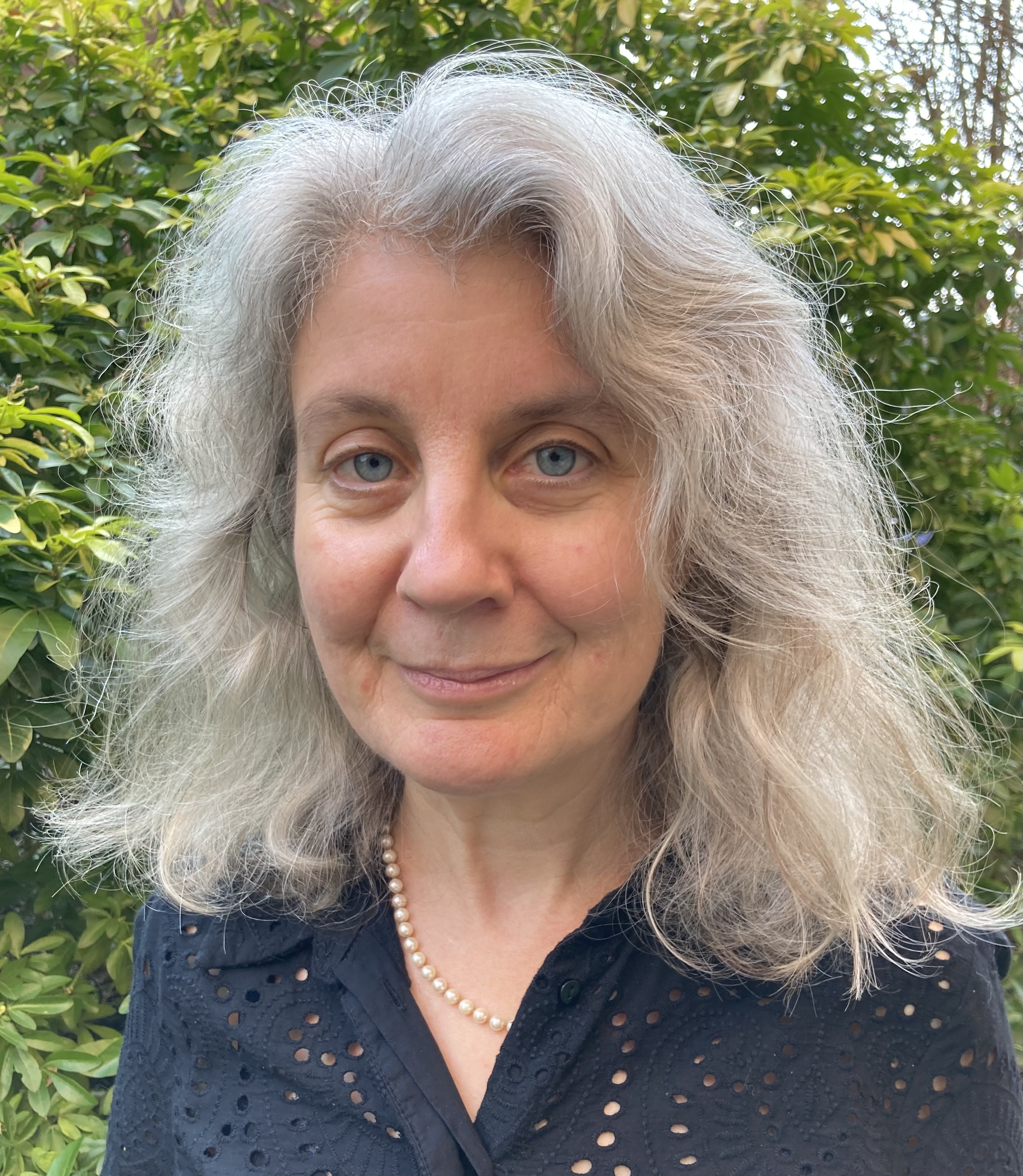
Helen Parry grew up in an old house on a hill in Ipswich, where she spent most of her time reading, searching for magic portals and casting spells that never quite worked. She studied literature at university, worked in publishing in London and lived for a couple of years in Nigeria before moving to Belgium.
She now lives there with her family, some hens and the two most spoilt cats in the universe. When she isn’t daydreaming or writing, she teaches English to adults. A Scrap of Moss & Magick is her first book.

PaperBound Magazine is an online magazine for the young, and the young at heart. We are dedicated to showcasing authors and illustrators for children’s and young adult fiction and we strive to deliver inspiring content, uplifting stories, and top tips for young and aspiring writers yet to burst on to the literary scene.

All our issues are completely free and run by volunteers, however if you would like to support PaperBound and the work we do, you can help us out by buying us a virtual book. We appreciate any support you can give us!

Don’t forget you can read with the latest issues of PaperBound Magazine – completely free – here.

article, Blog, Blog series, Bookshelf

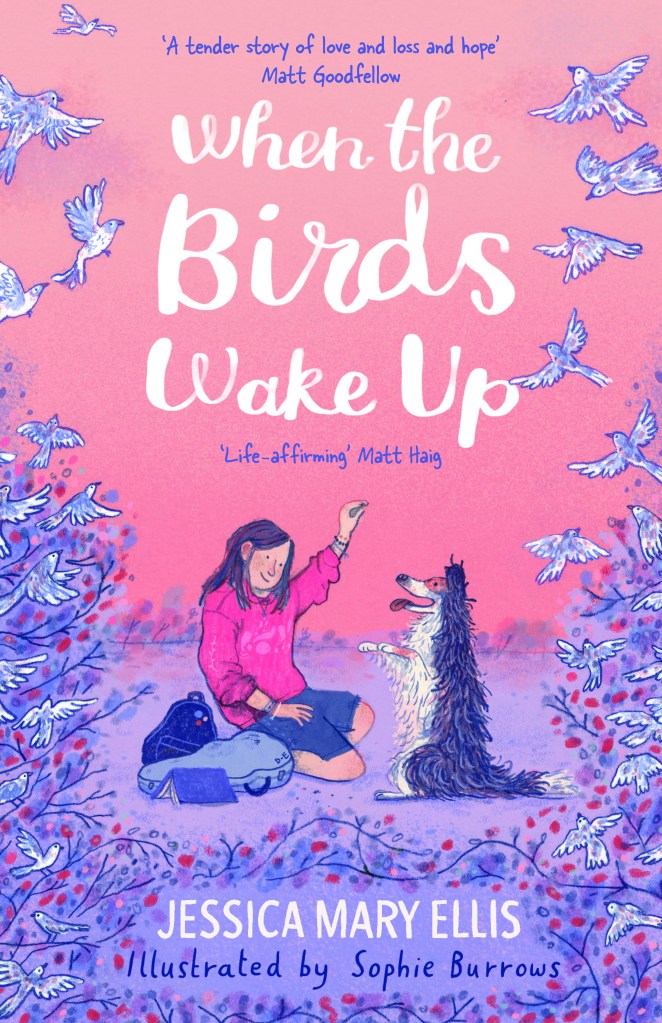
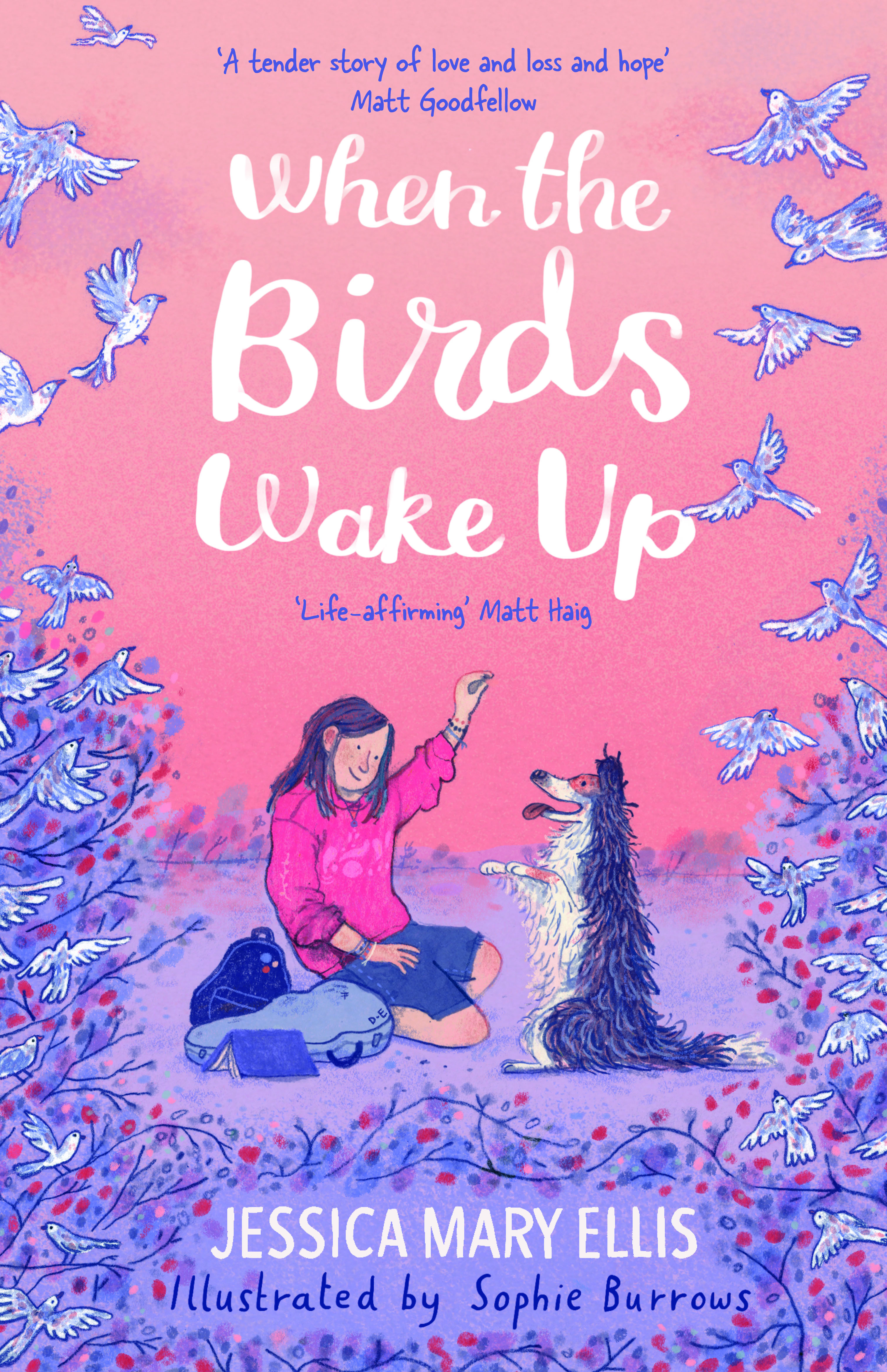
Jessica Mary Ellis on the power of sharing words, and her new novel, When the Birds Wake Up

My digital life began years ago at a cramped dressing table in London. My flatmate wandered into my bedroom, with a simple question: “Have you heard of Facebook?” Looking back, it’s hard to believe how innocent it all was. We spent our days navigating a strange new world that forced us to speak about ourselves in the third person. Our profiles became a running list of mundane fragments: …is drinking coffee, excited about going out later, feeling Monday-ish, on the tube.

Little did we know that we had just stepped into a time where everyone, everywhere, could suddenly write and share whatever they liked. For the next decade, my life was curated in a digital archive of London. I posted photographs to broadcast my happiness, masking the fact that, beneath the surface, I was often incredibly lonely. My feed became a beautiful illusion of endless dinners, tourist hot spots, sunlit rooftops, and spontaneous weekends away.

Then, as the years quietly shifted and life moved on, my feed changed and was replaced by the arrival of wedding pictures and baby pictures. I suppose, like most of us, I was using the internet to tell the story of my life and what was happening in it.

Then came the era of mum bloggers. Out of nowhere, mums started using Facebook as a place to share the honest parts of being mothers to small children. The parts that didn’t make it into the baby books like the loneliness that could somehow exist alongside never being alone.

In a way, these Facebook blog posts were the first time I had ever read something outside of a physical book that I truly related to. As a mother of two small children, living far from my family and having recently left London life behind, I was lonelier than ever. So, I decided to start writing too.

A few follows later, I found myself surrounded by a digital network of mums who truly understood. Women I had never even met knew precisely what I meant when I said I was tired. I did not mean tired in the way we used to be, but in that slightly delirious exhaustion that only comes with motherhood. The wonderful thing about the accessibility of social media and digital is that these women were there, online, every day.

And suddenly, I didn’t feel quite so alone. That’s when I started writing and building a community online.

We were all so beautifully, fiercely fearless back then. We wrote with our whole hearts, typed through sleepless eyes, and tapped out updates with fingers still covered in nappy cream. There was no spending hours wondering whether a thought or a phrase was polished enough to share with the world. We didn’t care about formatting, aesthetics, or the algorithm.

We simply wrote what we wanted to write, exactly as it tumbled out of us. I find myself needing to return to that often now. Sometimes, that early digital bravery gives way to second-guessing. I can overthink every sentence, over-analyse every idea, until I ultimately end up blocking my own creative voice which is the worst kind of self-sabotage when you are trying to breathe life into a poem or finally finish a manuscript.

I’m not a content creator, and I never wanted to be; I am just a human who loves to write. While the wonderful world of traditional publishing offers the beautiful professionalism of editors, deadlines, and polished revisions, this digital landscape always did and still does provide us with a completely different kind of outlet.

It grants us a rare luxury: the immediate freedom to write anything we like, exactly when the mood strikes. There is something so special and unique about sitting entirely alone in a room, fumbling around in your mind until you find the perfect combination of words for a fleeting feeling, and simply hitting publish.

This digital space has done something. It opened the floodgates, handed millions of ordinary people a completely blank canvas, and whispered: Go on then. Tell us. And we did. In many ways, my own winding path toward finding my voice and learning exactly what blocks it became the very heart of my debut children’s verse novel. Not only because the young protagonist undergoes that exact same journey of self-discovery within the pages, but because the structure itself demanded a leap of faith.

Choosing to write an entire book in verse felt risky; it felt less obvious, less mainstream. But it brought me right back to that tiny, essential seed of courage we all started with online all those years ago: the simple, radical belief that you are allowed to write in a way that feels true to you and be yourself.

Follows Pear, a ten-year-old who is struggling with many things. With her grandmother’s Alzheimer’s, and starting at a new school with new people.
That is, until she meets Piglet, the ragged rescue dog who helps Pear remember what is most important in life. Through a journey of love, friendship and music, Piglet helps Pear to look at the world differently.

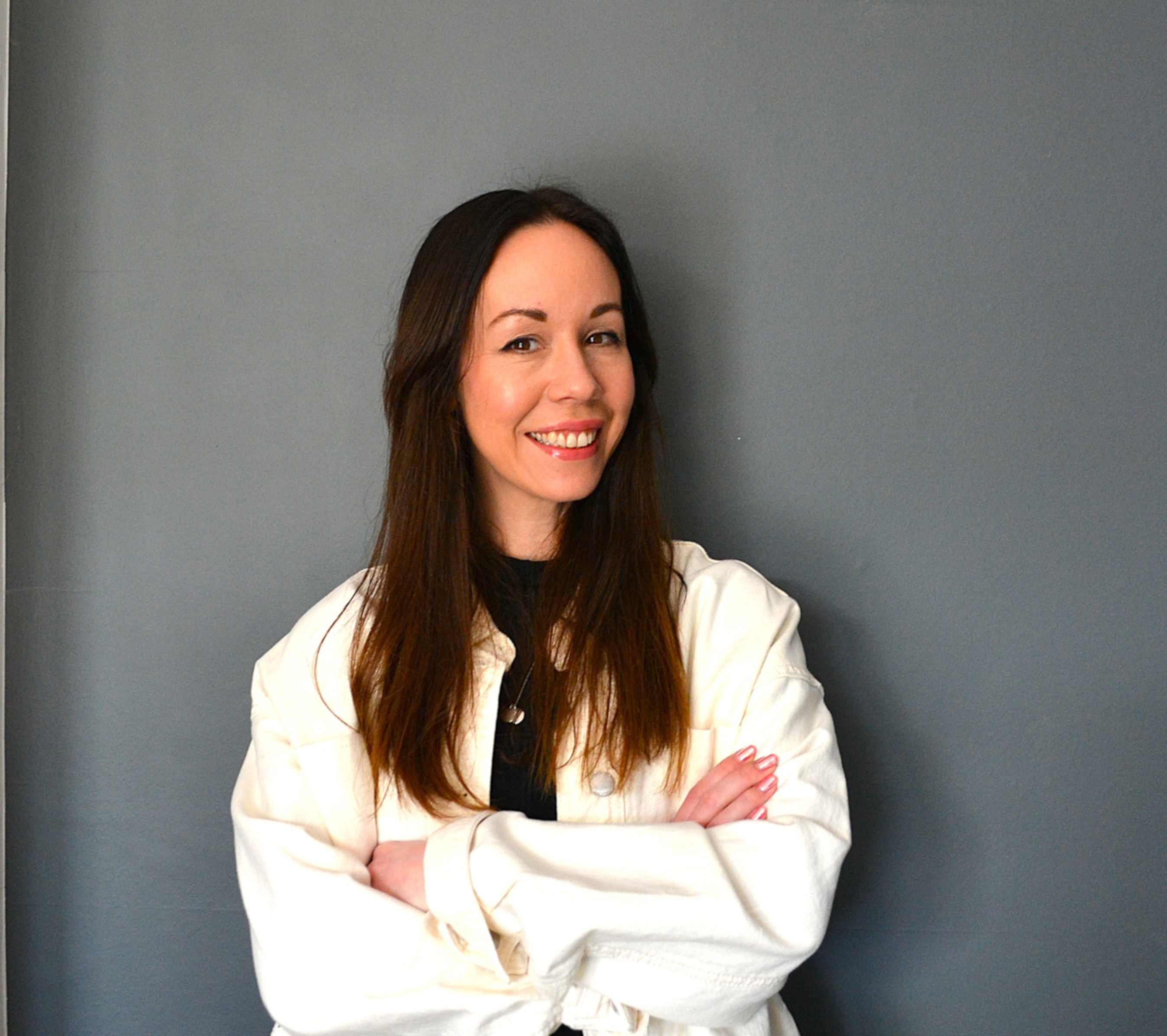
Jessica Mary Ellis believes in words that land quietly but stay with you long after. She writes poetry for adults and verse stories for children, always searching for the small truths tucked inside everyday life.
She hopes handwritten letters will make a comeback, because nothing feels lovelier than a letter arriving through the letterbox from someone who was thinking of you. Her poems, shared on Instagram (@jessica_mary_ellis), have been read around the world.
Jessica lives in Kent with her husband Jeff, her two children, Amelie and Jack, and their dog Teddy. When the Birds Wake Up is her debut novel.

PaperBound Magazine is an online magazine for the young, and the young at heart. We are dedicated to showcasing authors and illustrators for children’s and young adult fiction and we strive to deliver inspiring content, uplifting stories, and top tips for young and aspiring writers yet to burst on to the literary scene.

All our issues are completely free and run by volunteers, however if you would like to support PaperBound and the work we do, you can help us out by buying us a virtual book. We appreciate any support you can give us!

Don’t forget you can read with the latest issues of PaperBound Magazine – completely free – here.

article, Blog, Blog series, Bookshelf, Interview, Interviews

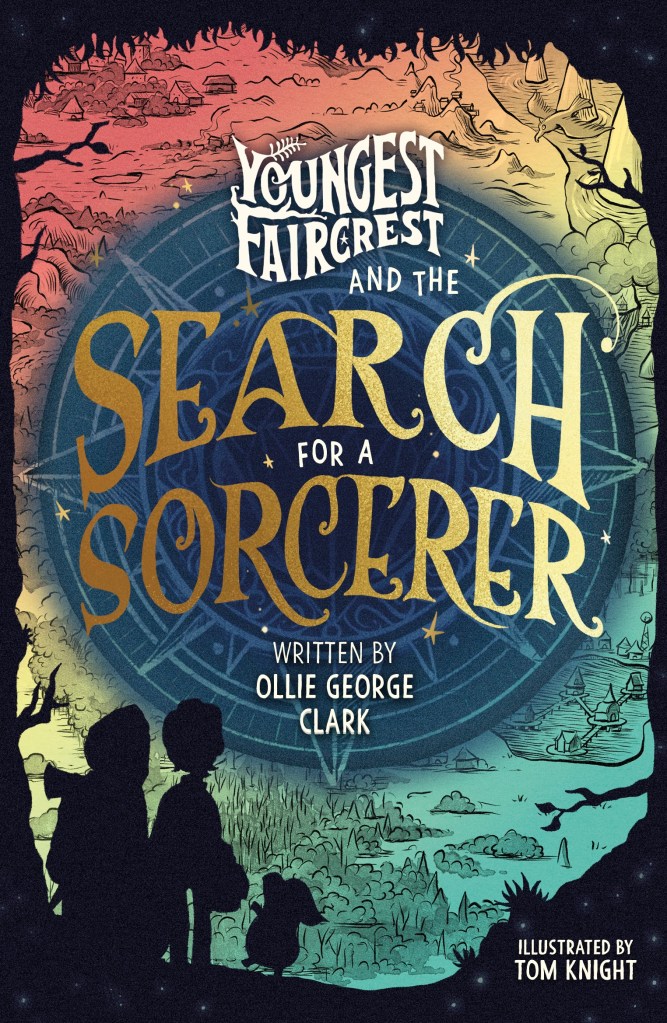
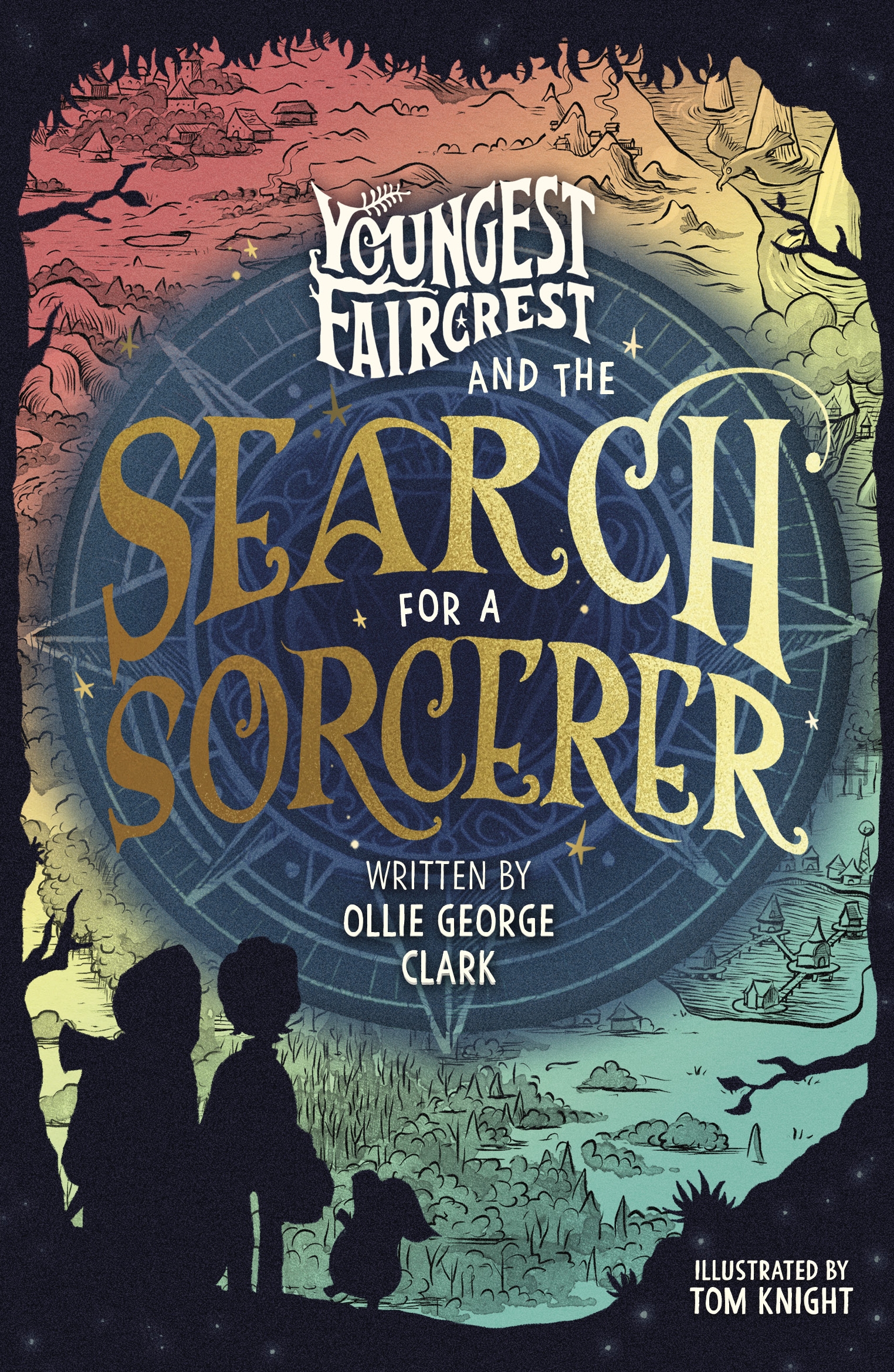
Interview: Youngest Faircrest and the Search for a Sorcerer by Ollie George Clark

Of course! Our story starts in the swampy, grubby town of Bogsmarsh on the ‘day of Deciding’. The ‘Deciding’ is the event every child must face. When you finish school at twelve years old, you have a meeting with the Decider, the leader and law-maker of the town. They will look through your school reports, and aptitude, and determine which of twelve professions you are best suited for.

Amongst the twelve is everything from Guardian (where you learn to be a battle-hardened warrior), Creaturologist (where you learn to study, train and befriend the impossible creatures of the world), Alchemist (where you learn to brew potions) and Creator (crafting and designing everything the town needs).

There’s only one profession you don’t want: Dearth. Dearth means you have no obvious skills and have to watch the pigs all day. There’s only ever been one dearth in 500 years: Steve… and Steve’s a scarecrow.

Our story follows Youngest Faircrest on the day of his Deciding, and what follows after his profession is chosen for him…

It’s been the most joyous experience since Youngest was first published. I have been blown away by the response; it’s far beyond what I could have ever hoped for.

As most authors do, I wrote this story because I loved these characters and wanted to explore this world. And you’re so focused on the road to publication, (the endless edits, the submission process, the story taking shape, etc.) that it’s easy to forget this will sit on someone’s bookshelf one day! So what has struck me most (and it’s the most wonderful surprise) is how much readers have taken Youngest to their hearts.

Over the Summer I have been lucky to receive lots of letters, from children from all over, who have read the story and enjoyed it. I have met children who have been so inspired by the world that they have made their own costumes based on how they would want their Deciding to go! But most of all I have had the incredible honour of having a class named after me!

A school got in touch with my publishers saying that one of the teachers had been so struck by the novel’s propensity to inspire younger readers towards a life-long love of books, they asked if they could name their class after me. So, ‘Clark Class’ starts back at school this September. It’s the sort of news you couldn’t ever dream of happening, and I can’t tell you how much joy it brings me!

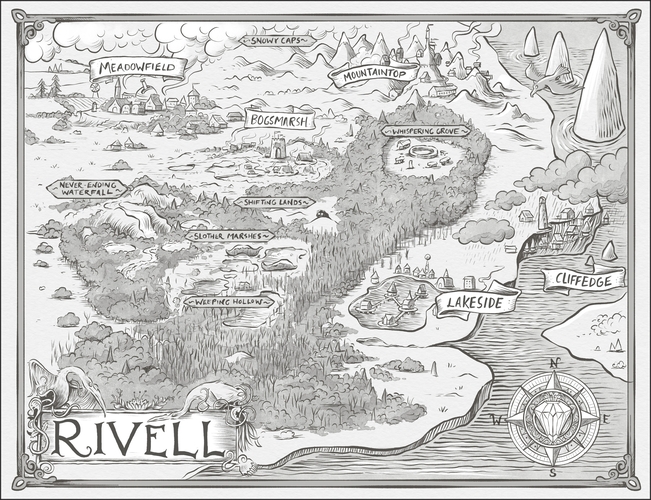
Map of Rivell, from ‘Youngest Faircrest and the Search for a Sorcerer’

Oh, that’s such a good question because I have long said that Agnes is the story’s secret weapon. While Youngest Faircrest is our hero, the entire story is told from the perspective of Agnes, his best friend. Not only that, but she’s remembering the adventure from adulthood!

What this means is that I write each story as Agnes Witterer, and I am talking directly to YOU the reader! Agnes was there and she wants to tell you everything that happened in as much detail as her patchy memory can remember. Hopefully it builds a bond with the reader and allows the book to feel very conversational. All of which is done to make the book feel as readable and accessible as possible!

It means I can be funny, rude, cheeky and surprising – all talking as Agnes!

And Satchel is my favourite character to write. Based on Gromit (and only speaking in ‘oinks’), he is the most expressive piglet you would ever meet; endlessly rolling his eyes or rubbing his forehead with his trotter. Not to mention he has more than a few tricks up his sleeve! I hope as readers spend time in this world, just like Agnes and Youngest, you will be able to understand Satchel’s ‘oinks’ too!

Yes, absolutely! I write to a very specific routine. As I mentioned earlier, I really want the book to feel as accessible as possible and one of the ways I’ve done that is to have short chapters. Bar only a few, all chapters are under 1,000 words – and that’s my schedule!

I would write Monday-Sunday, 1,000 words (or less) a day, which meant I was writing a chapter a day. This really helped with the momentum of the story (because every chapter leads directly onto the next without any time jumps) and kept me wanting to write on. Even if I felt I wanted to write more than 1,000 words, I would always stop!

I remember the wonder of the Narnia books from school. The expanse beyond the wardrobe felt never-ending. I also vividly remember The Hobbit. The sense of history and grounding that Tolkien gave to Middle Earth is a very big inspiration to Bogsmarsh. Using small details and hints of names/ places which speak to caverns of past stories and characters.

It’s not quite fantasy, but I have very fond memories of A Series of Unfortunate Events. There’s a strong cross over in the narratorial style too. That idea of being told a story is very much at the heart of Youngest Faircrest series too.

I’m not sure I did! I always struggled with my reading. It was something which came very naturally to those around me, but I found it a continual hurdle. I was fortunate to have such supportive parents and dedicated teachers that were able to help me persevere, and develop a love of books as I got a bit older, but a love of writing was not something I necessarily had when I was young.

In truth, what I’ve always loved is making people laugh. That’s always my route into every story or character or world. That was the seed for my love of writing and telling stories.  

I think my favourite thing is writing the characters of Youngest, Agnes and Satchel. As someone who also writes TV, I follow that old writing adage that your hero should always be in the worst position possible. So, I delight in the scenes, traps and situations I can write around the three and seeing how they will break out of it.

I love writing their humour and courage, but most of all it’s the heart at the centre of the stories which I really love to write about. These stories are fundamentally about family and friendship which persevere through everything, and writing those bonds brings me such joy.

Yes, I have just finished writing the sequel to Youngest Faircrest and the Search for a Sorcerer, which will be coming out in 2027! I feel so, so lucky that I get to spend more time with Youngest in Bogsmarsh. And the real joy of this world is that each book will have its own genre! So, while the first book in the series is a quest, the second is a—

Actually, I’d better not tell you just yet! As Agnes says at the end of the first book: ‘Look out for my next chronicle, I’ll tell you everything then!’

Ollie George Clark is an award-winning writer who grew up with a passion for fantasy adventure novels – now he is creating them for the next generation.

The Youngest Faircrest series is full of adventure, humour, impossible creatures and daring missions; all centred around a truly exceptional protagonist.

Ollie is the winner of the British Comedy Guide Sitcom Competition, with multiple original TV shows in development. Alongside his own writing, Ollie hosts writing workshops, including at the Edinburgh Fringe TV Festival and the Soho House Script Club.

His website is www.olliegeorgeclark.co.uk

PaperBound Magazine  is an online magazine and blog for the young, and the young at heart. We are dedicated to showcasing authors and illustrators for children’s and young adult fiction and we strive to deliver inspiring content, uplifting stories, and top tips for young and aspiring writers yet to burst on to the literary scene.

All our issues are completely free and run by volunteers, however if you would like to support PaperBound and the work we do, you can help us out by  buying us a virtual book.  We appreciate any support you can give us!

Don’t forget you can read with the latest issues of PaperBound Magazine – completely free –  here.

article, Blog, Blog series, Bookshelf

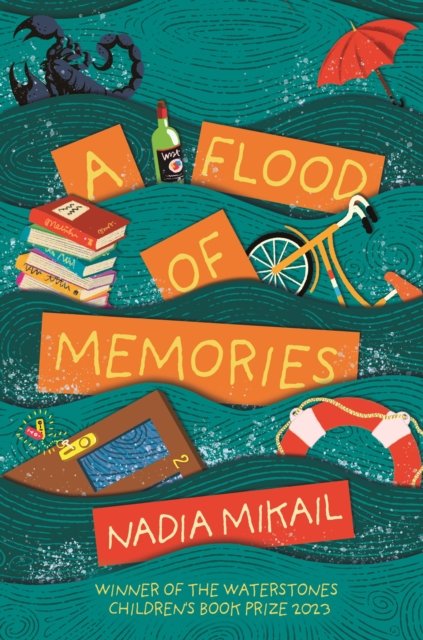
Nadia Mikail on her new YA novel, A Flood of Memories

My first book, The Cats We Meet Along the Way, contained detailed musings of a character who longed to return to her childhood home by the Sarawak river, even at the end of the world.

My second book, A Flood of Memories, contains an even more precise description of a two-storey kampung house flooding with memories and river water during monsoon season, when the river bursts its banks.

Clearly, at this point, everyone’s got a pretty good idea of my childhood home. I’m never going to get away from that house! I’m never going to really move out. Part of me is always going to be on that makeshift bench on our balcony, two planks of wood and a rusty metal frame – it was once a swing, maybe, a long time ago.

Part of me is always going to be seven and barefoot in the tall wild grass in the back, picking fruits off the branches. I write this now in London half a world away but part of me is sitting right there on the cool white tiles, scribbling complicated storylines on the walls in crayon until my grandmother comes to carry me away.

The house housed me through pain and grief; it always kept me safe from ever-reaching danger.

Every flat I rent now can’t really compare. I used to know all the sounds of that house, which floorboards creaked, which footsteps were whose. It used to smell like gorgeously tangy asam pedas or of the biscuits baking in the oven. When it smelled strongly of oil, we’d throw open the windows in the kitchen and the breeze would rush in and I’d sneak a fresh fried fish away to munch on before my cat got to it first. The house housed me through pain and grief; it always kept me safe from ever-reaching danger.

My mother grew up in it and my baby sister did too, scribbling over all of my drawings. It was my grandparents’ last home. I’d give a lot to hear my grandfather’s old radio again, to hear Tony Orlando and Dawn croon Tie a yellow ribbon round the old oak tree!

What am I writing about, really? The house, or the experience of childhood that I’m never getting back? The house, or a time when everything felt more certain? The house, or the beauty of having all my family under one roof, alive and well and loving me?

To be honest, I don’t know if I write about this house as much as I am currently in the midst of being haunted by it. It shows up in most of my stories, even though I’ve lived in many places since then. I haunt it too, in dreams and memories and in those same stories.

My experience of writing about home is ongoing and always evolving, and to those who want to do the same, I would say Good luck and Be honest, because the house will know if you aren’t being authentic in your writing of it, and your characters will suffer and your plotlines will all fall slightly flat. I very much believe readers know too: many of them remember a similar place in their childhood, one that similarly shows up in their dreams.

Young adults are especially sensitive to this: they are just coming of age and moving out and the memories still cling to them stickily, and they will simply know. That’s why it’s especially important to be truthful when writing about these places and these memories.

If helpful, for inspiration, while not necessarily about a specific house, The Raven Boys by Maggie Stiefvater is one of my favourite YA novels about the idea of home as a haunting place: the town of Henrietta very much wraps the experiences of coming of age in magic and history and friendship.

Black Water Sister, while not YA, is another remarkable fantastical tale, specifically about coming back home to Malaysia after being away for years. I always admire how some authors can make a tale about home, describe a completely different place in a whole other part of the world, and make you think I remember that.

I used to know all the sounds of that house, which floorboards creaked, which footsteps were whose.

I haven’t seen my childhood home in a long time. We don’t own it anymore. I wonder if it even looks like how I describe it over and over again in my stories. I love that it haunts me. There used to be a large tree out back overrun with fire ants, and it bore a particular unique hybridisation of two varieties of mango that was the most delicious thing I’ll ever bite into. I’ll never taste it again, which seems very fitting.

A beguiling novel which explores the fine line between care and control, between love and abuse in families, and shows that it is possible to move on to a brighter future.

It’s raining in Sarawak, Malaysia – a lot – and Leila, now living in Kuala Lumpar, must go home to help her Mak before the floods become serious. But she hasn’t been home since the death of her father – and she’s not quite ready to confront what’s waiting for her there. Life with Pak was complicated.


But Arthur is in Sarawak, the boy she’s thought about ever since they first met at school – Arthur, who offers her support, care and love, but at a cost perhaps too great for Leila. As the floodwaters rise and her family and home become threatened, can Leila confront the enormity of her own past in order to move forwards properly in her present?

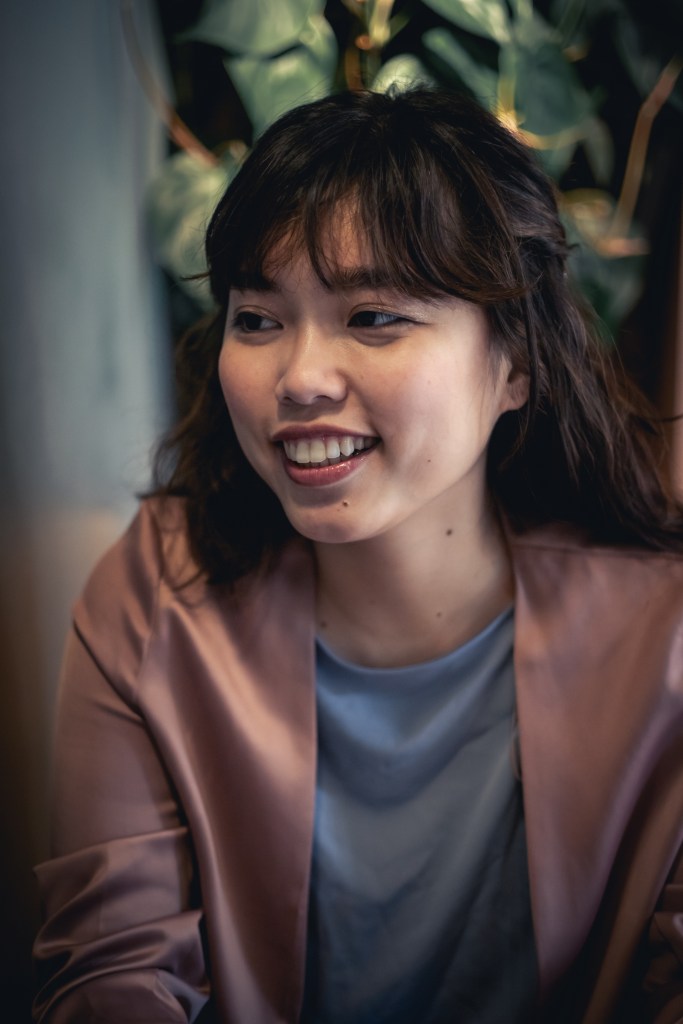
Nadia is a lawyer in London, a full-time houseplant owner and a parttime investigative journalist into what London’s pigeons are planning when they flock together like that. She is mostly unsuccessful at (but still hopeful about) both these occupations. Her first novel for young adults, The Cats We Meet Along the Way, won the Waterstones Children’s Book Prize in 2023 and was shortlisted for the Branford Boase Award and the YA Book Prize. She is from Sarawak in Malaysia, where the air is always sweeter, the food is always tastier, and the pigeons are considerably less bold.

PaperBound Magazine is an online magazine for the young, and the young at heart. We are dedicated to showcasing authors and illustrators for children’s and young adult fiction and we strive to deliver inspiring content, uplifting stories, and top tips for young and aspiring writers yet to burst on to the literary scene.

All our issues are completely free and run by volunteers, however if you would like to support PaperBound and the work we do, you can help us out by buying us a virtual book. We appreciate any support you can give us!

Don’t forget you can read with the latest issues of PaperBound Magazine – completely free – here.

article, Blog, Blog series, Bookshelf, Interview, Interviews

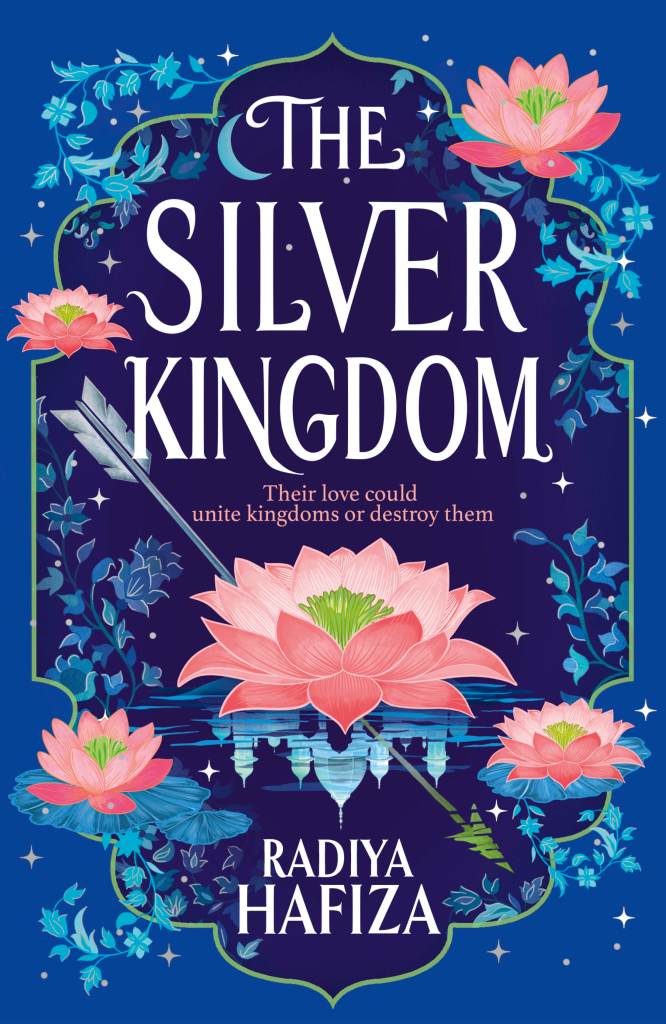
Interview: The Silver Kingdom by Radiya Hafiza

I’ve aways wanted to write an epic love story. Two star-crossed lovers, soulmates kept apart by their circumstances, a love so deep it’s ineffable. The hope for The Silver Kingdom had always lived in my head.

Romance is one of my favourite genres to read as I am a sucker for a happy ending but the joy of also seeing two people fall in love and getting to experience that alongside them is such a treat as a reader. I wanted to write a book that made people feel that kind of love, but it wasn’t until a few years ago that I found the right framing for the story.

It was summer 2023 and I was speaking to my parents during South Asian history month about their experiences of the Bangladesh Liberation War in 1971. It had always been quite a taboo topic to speak about the war because of the genocidal crimes committed against Bengali people by the Pakistani army. My dad told me about his family experiences of the war: seeing bombs fall on his city, communities ripped apart, having to flee from persecution. And as he spoke, I knew I wanted to commemorate this part of our family history the best way I knew how: writing a story.

The Silver Kingdom is inspired by the events that transpired under British colonialism and the partition of India. But instead of writing a direct retelling, I wanted to use fantasy as a way to explore these difficult themes – like colonialism and racism – and set about creating a world inspired by these events, with a particular focus on Bangladesh which Dakaria is modelled loosely after. Fantasy gave me a way to explore these themes from a distance without having to live it directly, making it easier to write such challenging and traumatic moments that occur in the book.

As a Bengali myself, I’ve never seen much representation of people like me in the books I read growing up. I still adored the stories I read regardless of who it was about with favourites like Jacqueline Wilson, Malorie Blackman and Tahereh Mafi on my shelves. Their books explored important subjects from family drama to bullying and racism, challenging stereotypes and more.

As a teenager, I naturally leant towards YA books, particularly in the fantasy and dystopian space because it created a whole new layer of adventure when the world is entirely new and limitless. Even though authors from the global majority weren’t many in my teens, the authors that I did find gave me the courage and hope to one day become an author myself.

When we talk about representation, there are so many layers to it: visual representation, cultural nuances, interpersonal relationships, traditions and practices, thoughts and beliefs – there are so many ways people express themselves and share their identities. For The Silver Kingdom, I wanted to create a world shaped by all of these elements but in such a way that the representation was part of the story, and not the point of the story.

I want readers to pick up The Silver Kingdom and see a swoony romance, devastating secrets, magic and political intrigue. And I also want them to pick it up and find unapologetically South Asian inspired characters. Representation in YA books in particular is so important because we need to give all young people a chance to see their stories, their hopes, their dreams mirrored in the literature they consume so they know that the world, their futures, their possibilities are infinite.

Radiya Hafiza is the acclaimed author of the Rumaysa duology and Aya and the Star Chaser. Her debut, Rumaysa, was the first Waterstones Children’s Book of the Month after lockdown in 2021 and has garnered critical acclaim. Her works focus on putting brown characters at the centre of her stories.
The Silver Kingdom is her debut young adult fantasy, exploring empires, history, and forbidden love. Radiya lives just outside of London with her family and works in communications.

PaperBound Magazine  is an online magazine and blog for the young, and the young at heart. We are dedicated to showcasing authors and illustrators for children’s and young adult fiction and we strive to deliver inspiring content, uplifting stories, and top tips for young and aspiring writers yet to burst on to the literary scene.

All our issues are completely free and run by volunteers, however if you would like to support PaperBound and the work we do, you can help us out by  buying us a virtual book.  We appreciate any support you can give us!

Don’t forget you can read with the latest issues of PaperBound Magazine – completely free –  here.

article, Blog, Blog series, Bookshelf, on writing, Writing craft

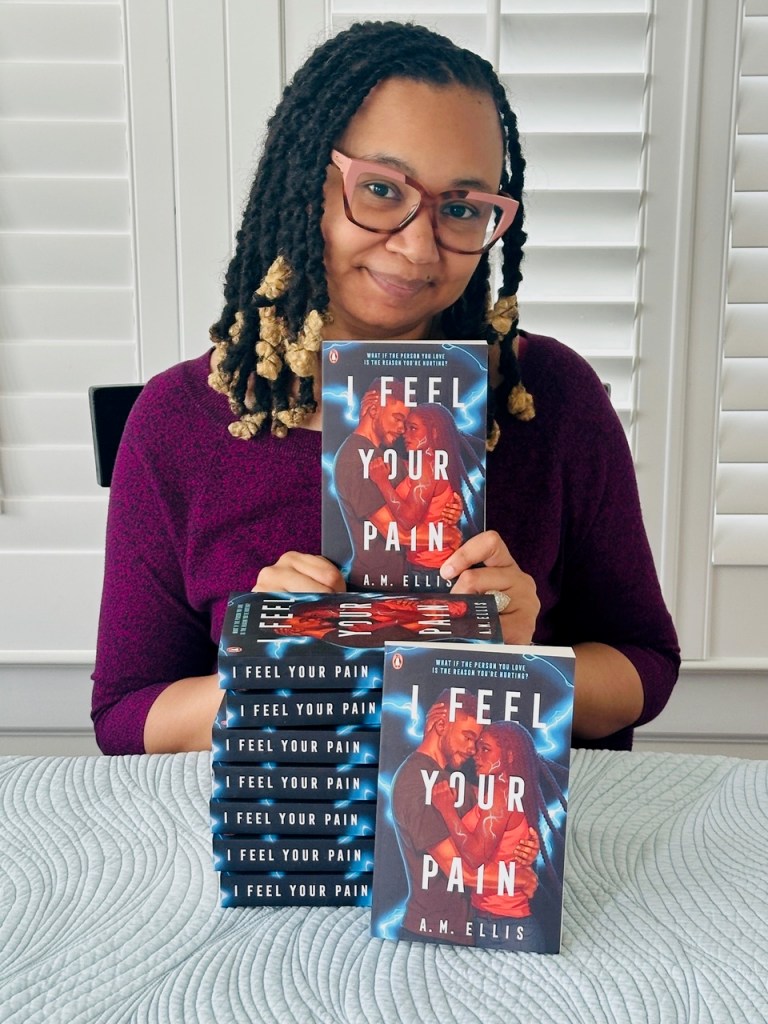
A.M. Ellis on Dystopian Literature as a Form of Conversation

By A.M. Ellis

For some, reading Parable of the Sower by Octavia Butler feels like she glimpsed our future and left a warning. Handmaid’s Tale by Margaret Atwood could be a world one law away from our own with the present-day fight for body autonomy. And the increase of protests against broken governments could bring us to a brink where one cruel tyrant can have us living in The Hunger Games by Suzanne Collins.

These are fictional worlds thankfully. But there are lessons to be taken away, conversations to be had, all with the hope that young readers learn from them and hold on tight.

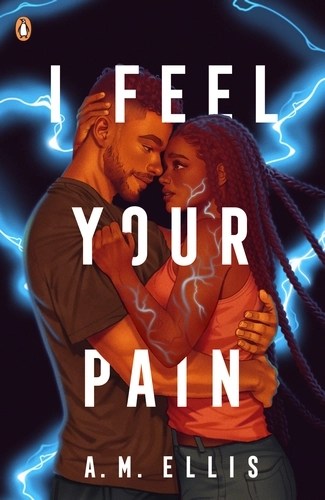
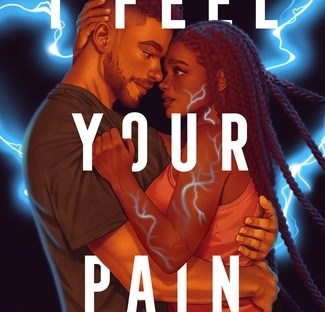
I Feel Your Pain is no different. It tackles themes still present today; classism, race, and systemic issues that dig themselves into the earth with thorny roots that twist and turn and refuse to let go. But before I dive deeper, let me set up a definition.

Systemic racism can begin as a rule or belief meant to openly oppress. Then over time as tides shift and society attempts to change and forget its roots, that rule or belief is rewritten to hide its intentions. Years pass and the original authors are gone, but this rule still exists because it serves as one function or another to a large majority. It’s part of our foundation. There’s no real need to correct it (sarcasm). It’s never truly evaluated (not sarcasm). And it comes with excuses –

Will it though?

No. But it might crumble a few billion-dollar empires.

In I Feel Your Pain, I’m opening the door to have a conversation with readers. It’s a setting so close to our own – minus a cataclysmic solar flare. That solar flare brought with it a painful disease found in the majority of white people. But don’t worry, because scientists have found a way to help the affected through the Freedom System.

With the Freedom System, those with this disease can give away their pain to Pain Carriers, individuals with high pain tolerances who barely feel the ache of it. Of course, those Freedom System scientists have the research to back it up. Those Pain Carriers just happen to be made up of a majority of Black and Brown people.

This is where the conversation begins – the topic of discussion: pain and the stereotypes around tolerances in the Black community. This conversation didn’t come from thin air or a random thought of what-if. It has roots that have refused to dry up.

Did you know that the “father of modern gynecology” achieved his success by – and I’m sugarcoating my words here – perfecting his technique on Black women in a way that ignored their pain? Those women, Lucy, Betsey, and Anarcha, were enslaved and used as variables in a science experiment, their humanity discarded.

I want everyone to know their story.

There’s a nod to them in I Feel Your Pain and I encourage you to look them up. Their survival and endurance are part of medical history. Let me repeat that one word: history. You would think that the disregard of Black pain and the belief of a mythical high tolerance ended here, but it doesn’t.

There are studies within the last ten years that show there are still non-Black medical professionals who believe there is a difference in how various races experience pain. You can find evidence of these beliefs when looking at labor and delivery mortality rates; Black mothers’ accounts of pain being ignored to the point of severe and fatal consequence.

I’ve heard too many accounts of Black voices ignored in the doctor’s office, and have personally experienced it. It left me in shock. It’s 2026. What Lucy, Betsey, and Anarcha endured – that was the 1840s.

The past shows us where these harmful stereotypes began and how they festered, the excuses that continue to be made. So when I wrote of a world with a painful disease and a society believing there are people and communities that can carry that pain with ease – there’s a history behind it. A history and a present I don’t want to see repeated in the next generation’s future.

These are the types of heavy topics dystopian literature allows authors to approach and address within the safe space of fiction. Readers can engage and draw parallels, open their eyes to things that should never happen, never be possible or believed.

Black people don’t have higher pain tolerances. The myth of thicker skin is, at most, likely rooted in a survival tactic required to navigate spaces built against a community that has done nothing to deserve this stereotype other than thrive against the odds. A quick nod to this – the Harlem Renaissance and the Great Depression happened at the same time. We feel, we hurt, we’re human. I need everyone to know and believe the truth.

So let’s have a conversation, and let dystopian literature once again do its thing. I can only hope for readers to take away the lessons to be learned, and hold onto them for as long as they can.

.


They were never meant to share a future – only the pain that connects them. 

 
Ever since a cataclysmic solar flare struck 150 years ago, Helical Disease has plagued the city of Alta Bay. Those infected endure excruciating pain and a blue light that crackles beneath their skin. There is no cure.

However, Dominion Pharmaceuticals has created a revolutionary treatment that transfers the disease to people with unusually high pain thresholds. These Pain Carriers feel little to no pain, and they’re paid generously for their sacrifice.

Nova Williams is too focused on surviving to question the system. Castor Fox, heir to the Dominion empire, is proud of his family’s legacy.

When a chance road accident throws them together, the pair form an unlikely connection. But as they begin to fall for each other, a devastating truth comes to light: Nova is Castor’s Pain Carrier.

As darker secrets about the procedure emerge, Nova and Castor must decide whether to accept a broken world . . . or risk everything to change it.

A.M. Ellis is a speculative fiction author and lover of everything steeped in myth and mystery. Her stories often lean into diverse voices, not only in her identity as a Black woman, but in exploring neurodivergence and mental health. A proud introvert and nostalgic gamer, she lives in Maryland, USA, with her husband and three children.

PaperBound Magazine is an online magazine for the young, and the young at heart. We are dedicated to showcasing authors and illustrators for children’s and young adult fiction and we strive to deliver inspiring content, uplifting stories, and top tips for young and aspiring writers yet to burst on to the literary scene.

All our issues are completely free and run by volunteers, however if you would like to support PaperBound and the work we do, you can help us out by buying us a virtual book. We appreciate any support you can give us!

Don’t forget you can read with the latest issues of PaperBound Magazine – completely free – here.

article, Blog, Blog series, Bookshelf, Interview, Interviews, on writing, Writing craft

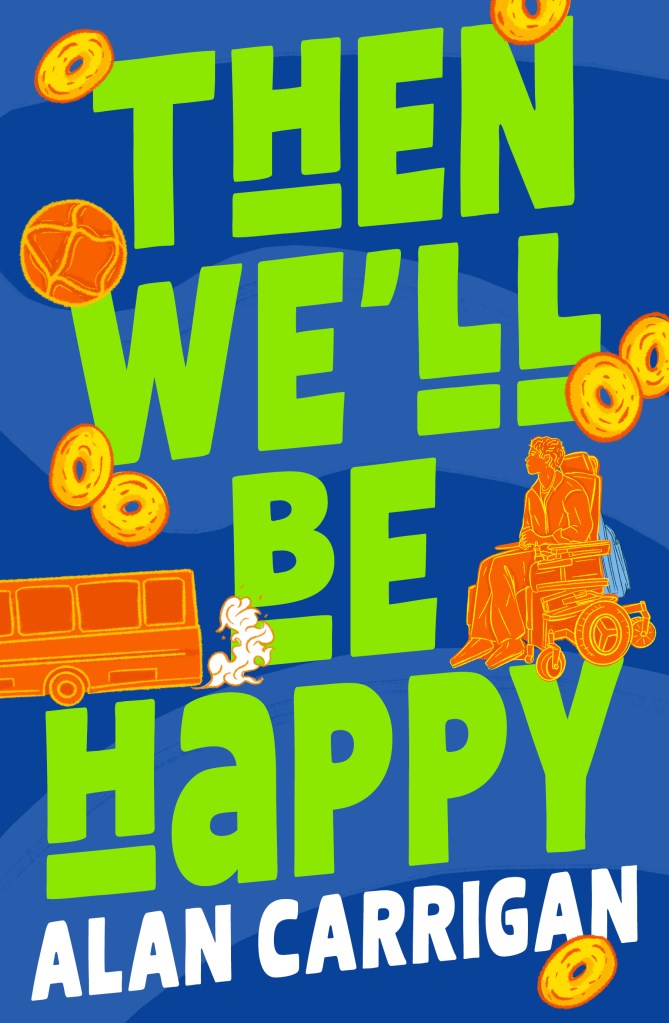
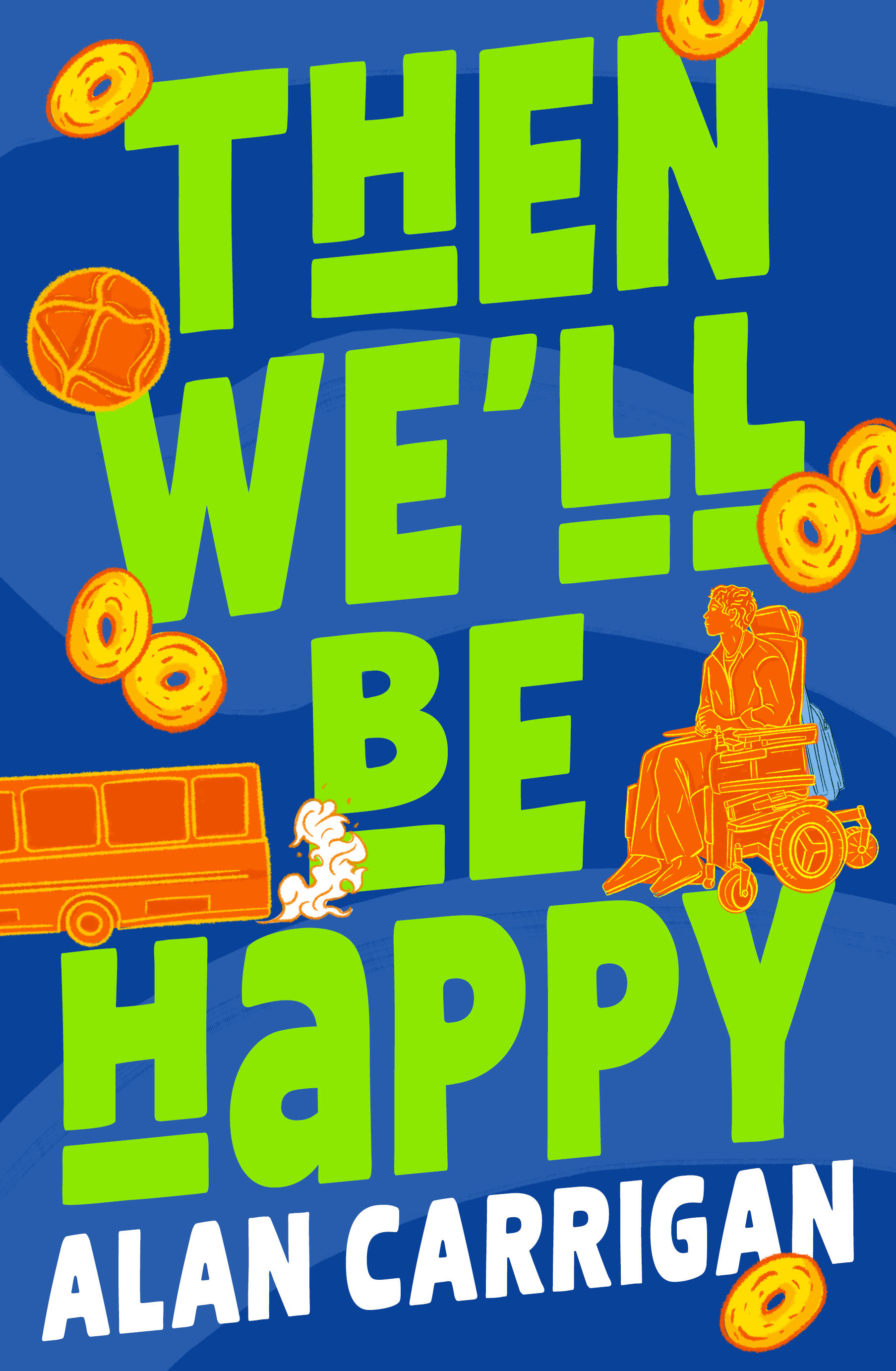
Interview: Alan Carrigan on writing and debut YA novel Then We’ll Be Happy #DisabilityPrideMonth

Sure! The novel follows seventeen-year-old Sam, who has cerebral palsy. When he is excluded from yet another school tour, he has to spend the day with Patrick, somebody who previously bullied him but is now himself also in a wheelchair. This drives Sam to create a campaign for an accessible bus but in doing so Sam gets more than he bargained for.

At its heart, it’s a story about finding your team in many senses of the word. But to find out what I mean by that, you’ll have to read the book.

I would say I have always been creative, but writing has been a fairly new development for me. I was the only wheelchair user in my school growing up, and I used to always talk to my friends about the lack of disability representation, so when I got out of the school system and had a bit more free time on my hands, I decided to write.

Truthfully, I’m more of a theatre person than a book person, but I didn’t know anybody in the theatre industry, and although getting a novel onto the shelf of bookstores takes a village, the initial writing phase is just you, the author, so it seemed like a good place to start.

That’s very kind of you to say. I am a person who is very grateful to have been given the opportunities that I have. When I was growing up, the representation of disability in media were often depressed, medical stereotypes, so I wanted to write something more grounded. The point of this novel is not to increase positive representation but to increase nuanced disability representation.

Just like any character, disabled characters can have a full range of emotions: happy, sad, or sometimes not knowing what to feel. The fact that the people of Chicken House saw what I was trying to do with this book and helped me turn it into reality means the world. And while it is impossible to know what readers may take from it, I know that teenage Alan would’ve loved this type of story when he was in school!

I think my favourite thing about Sam is his imperfections. He doesn’t have everything figured out, but he keeps going. For this reason, the pub scene was very interesting to write, but that’s all I can say without spoilers!

I don’t think it’s for me to say what readers get out of stories, but I hope readers can use this book as a springboard for starting conversation. I know the plot focuses a lot around finding community, but I think that is something that story in general is also good for. Conversation and maybe a few laughs along the way.

I think Elle McNicoll is just fantastic in both her YA and adult novels, the latter of which is one of my current reads.

Nathanael Lessore is genuinely laugh out loud funny, anytime I listen to one of his stories on audiobook. I know it’s going to be a good time.

There are also lots of great Irish writers: Allison Weatherby, Stephen Daly, Jenny Ireland, Sue Divin, and Dave Rudden, to name but a few – all phenomenal writers and lovely people as well.

My favourite author, when I was a teenager, was John Green; he has a new book coming out later this year, which is an adult book, and I’m very excited to read it. I know he is quite well-known. But if you haven’t read John Green’s YA books, I would highly recommend them. 

Writing doesn’t actually have to mean physically writing.

If that is a barrier for you, you can create stories in another way that is more accessible to your needs. Technically, when I write, I dictate; most computers or writing software now have some way of speaking to the computer. You can even do it on a mobile device.

Now I will say that you will need to go back and correct it manually, as in my experience it only picks up part of what you say. Dictation does eliminate the fear of the blank page, and in a way, for every draft you’re writing, you’re actually writing two because when you go back and correct it, you might start to add things, but the important thing is that you’ve got started!

When my novel was picked up to be published my grammar wasn’t the best, but over time I learned publishers, for the most part, aren’t looking for perfection, they’re looking for a good story, so don’t let your tools get in the way!

I’ve got nothing contracted as of me writing this, but I do have lots of ideas, so hopefully I’ll get to publish another book at some point. My ideas range from contemporary to fantastical, so I’m not sure which direction I’m going next, but I’m excited to find out!

Alan Carrigan is an Irish novelist and screenwriter with quadriplegic cerebral palsy who has worked as a script editor for Ink and Light Films and D11 Stories, and was one of the writers selected for Screen Stories 2025 with Tilting the Lens and Screen Ireland. 

His own work focuses on character-driven, witty, and nuanced stories, most of which feature the types of authentically disabled characters he needed but rarely saw growing up.

While his words can be found on the page, his eyes are often glued to a stage, as he is a big fan of musical theatre.

PaperBound Magazine is an online magazine and blog for the young, and the young at heart. We are dedicated to showcasing authors and illustrators for children’s and young adult fiction and we strive to deliver inspiring content, uplifting stories, and top tips for young and aspiring writers yet to burst on to the literary scene.

All our issues are completely free and run by volunteers, however if you would like to support PaperBound and the work we do, you can help us out by buying us a virtual book. We appreciate any support you can give us!

Don’t forget you can read with the latest issues of PaperBound Magazine – completely free – here.