article, Blog, Blog series, Bookshelf, Interview, Interviews, on writing, Writing craft

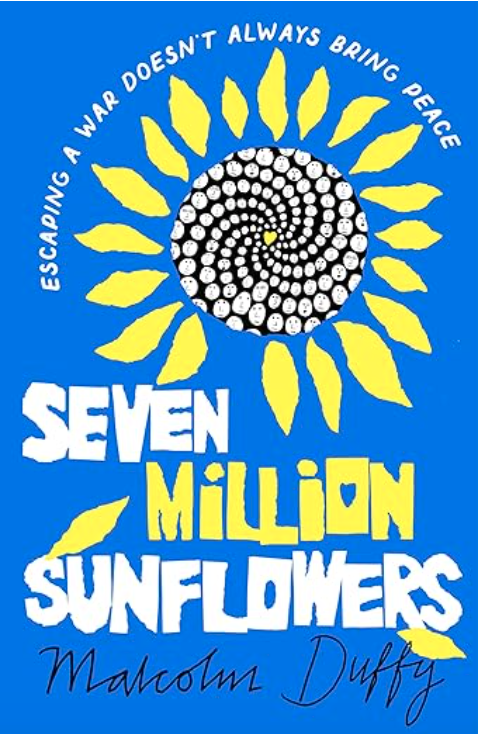
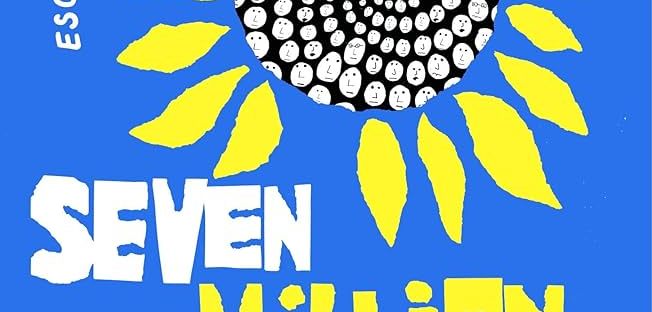
Refugee Week 2024: Seven Million Sunflowers by Malcolm Duffy

Could you tell us a little about your book, Seven Million Sunflowers?

This is a book I wish I didn’t have to write.

When Russia invaded Ukraine in February, 2022, it affected so many lives across the world. Including our own. Having joined the Homes for Ukraine scheme, and inviting the Marchenko family into our home, I discovered the strength, resilience and humility of the Ukrainian people. I learnt what it was like to have to flee a conflict, and adapt to a new country, new language, new culture.

This was the inspiration for my story, Seven Million Sunflowers.

This novel has many themes, from resilience and acceptance of different cultures to coping with post-traumatic stress disorder and the changing dynamics of a family, to name a few. Were any themes most important for you to include as the writer?

Writing is like making a meal – all the ingredients are important. But I think there was one key ingredient – acceptance. To what extent can you accept strangers in your home, accept the views of others, accept different cultures? This applies to both the hosts and the guests. 

The opening paragraph and description of the attack on Kateryno’s building is so vivid – the burst pipes, flames and fire grounds you in the present. What kind of research did you do to help write the book?

I wanted to start the book in as dramatic a way as possible. The story doesn’t reflect Sofiia’s escape from Ukraine, but it does reflect the experience of many Ukrainians, especially those living near the front line, like those in Kharkiv.

The idea for the chapter came from a real event where a Russian missile struck an apartment block in Dnipro, Ukraine. A young woman, Anastasia Shvets, was on the 5th floor of the building. 236 apartments were destroyed and many people were killed, including her parents, but she somehow survived. A photographer captured her, clinging to a small green teddy, as she sat in the rubble far above the city.

The topics you’ve written about must have been very sensitive to discuss with Sofiia. How did you both feel talking about what happened?

For me it’s important to remember that this is fiction, based on fact. It’s not Sofiia’s story or that of her family. I spoke to many Ukrainians when writing the story, as well as reading books and articles on the conflict. The characters are an amalgam of different people I’ve met, and stories I’ve heard.

Sofiia helped me understand the feelings of Ukrainians, the anger and sadness at having been forced from their homeland. 

It’s interesting how you describe both external and internal conflicts: the war in Ukraine and Georgia and Marko’s relationship under the same roof. What were some of the challenges you faced as a father inviting a family into your home?

The Marchenkos were a delightful family to have in our home. They kept themselves to themselves, were respectful of us and our home, and helped us when they could. The drama in the book came from stories I’d heard from various sources about problems between host families and their Ukrainian guests. Sometimes the host family were at fault, sometimes the Ukrainians. I wanted to reflect this in Seven Million Sunflowers.

Although this is a work of fiction, you’ve based the book on your personal experience. Do any of the characters in the book resemble you in any way?

I don’t think any of the characters in the book resemble me. Having said that I like to include elements of human nature that mean a lot to me – humour, empathy, kindness, understanding.

Are you working on anything new at the moment?

Yes, I’m working on a new YA book at the moment, but I don’t want to jinx it by talking about it!

The opening to this novel is very powerful. The description of everyday things such as the guitar, desk etc. all upside down amid the fear and the deafness is so vivid. I was almost choking from the smoke. How much of this was true to your story?

I was fortunate enough not to live too close to Russia unlike the heroine of Malcolm’s story. I am fortunate enough that my flat is still not damaged. But I think the early morning of 24th February was frightening for everyone. I woke up from the explosions. Although we all knew war was coming – I didn’t expect to feel it myself in central Ukraine so soon. My town is of an average size – it has 250,000 people. But even this small town experienced some damage during the ongoing Russian invasion. First missiles, then a few months later drones etc.

I was very frightened although I tried not to show it to my friends and family. On the day of the 24th, the first thing I did was go to the local corner shop and buy champagne and my favourite chocolate. This has always amused me but now I understand I probably was thinking they might be my last days on this earth so I’m gonna celebrate my life. After having those for breakfast I didn’t eat anything at all for the next 3-4 days.

Kat defends and protects her mother by not translating certain negative conversations. Did you ever have this experience?

We definitely didn’t have a negative experience with our host family. Malcolm and his wife and children are super sweet and supportive. But there definitely were some moments outside of our host family’s house (like dealing with the search for work and accommodation) that were stressful and I didn’t always translate everything to my mum for the sake of her wellbeing. I know she likes to solve problems and support me but with her not being able to speak English, it really left her feeling helpless and I didn’t want to add to that.
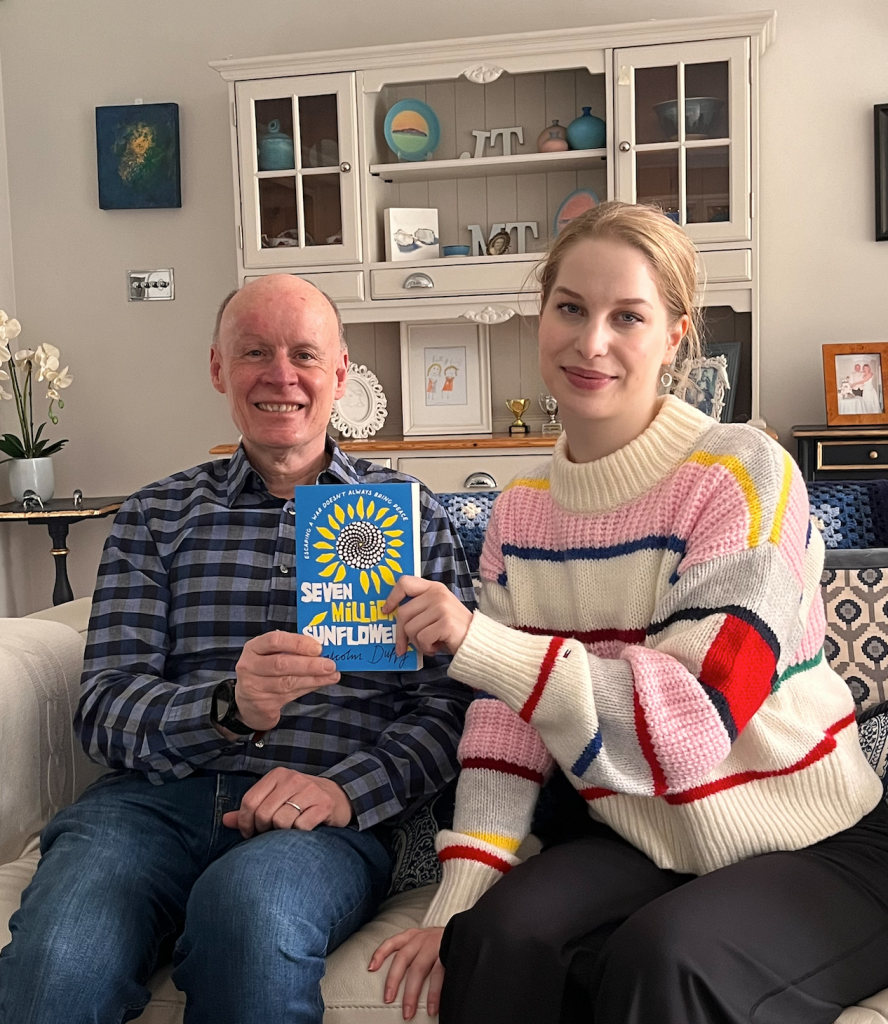
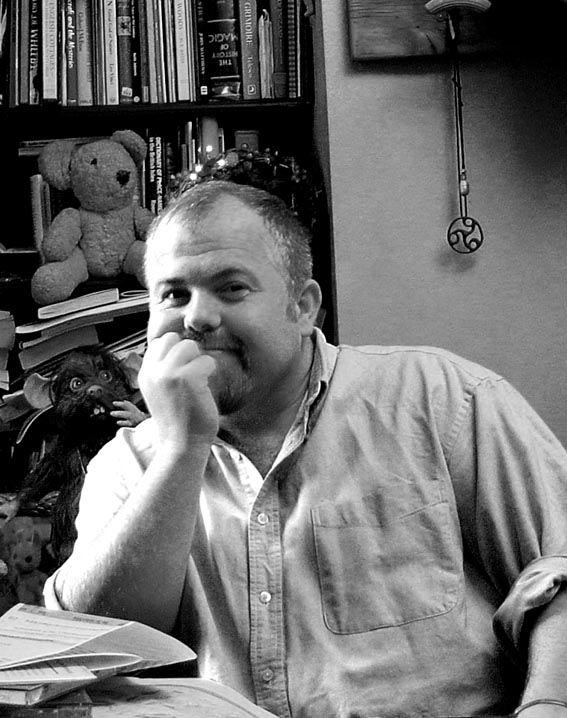
Malcolm and Sofiia

Was it difficult adapting to rules in someone else’s home?

As I mentioned earlier – our host family were super sweet and understanding. It wasn’t difficult to adapt to their rules, we are really lucky we met them. We are still friends and love babysitting for their lovely dog Layla sometimes.

What was hard for me was the lack of personal space which I always had growing up. I am an only child and my parents were working a lot, so I had a lot of moments being alone in the house. I am not used to having many people around, so this was hard. I always had some anxiety, even back in Ukraine when we had some guests visiting, so even though our host family were the loveliest and the most understanding people ever, I did miss being alone sometimes – this is an environment where I regain my strength and resources to carry on in difficult times.

How did it feel being in the UK, while people you knew and cared about were still in your homeland?

Definitely a lot of guilt. Feeling you are the lucky one who got away and survived and can carry on having a normal life.

What do you think of the final book, Seven Million Sunflowers?

I have read it and I do love it! I think it is amazing of Malcolm to address this issue through a powerful story like this, and it’s definitely a compelling and moving story. It describes all the difficulties a young Ukrainian teenager faces when escaping the war and having to live a ‘normal’ life while having loved ones in danger every day.

The book is excellent at describing the emotions of a person having to deal with all the mixed feelings of living in two different worlds on the same continent where one is full of chaos and death and other one is peaceful and carefree.

Do you still live in the UK? If so, what are you doing? What plans have you got for the future?

I still live in the UK. We are renting a flat with my mum in a nice area. Currently I am teaching piano classes, mostly to kids, and finishing my Communications degree online. For now, I just want to take time to think about what I actually want and what I am going to do next. To be honest, I didn’t have much time to think about that before.

Refugee Week runs from June 17th to 23rd 2024. Read more about it here.
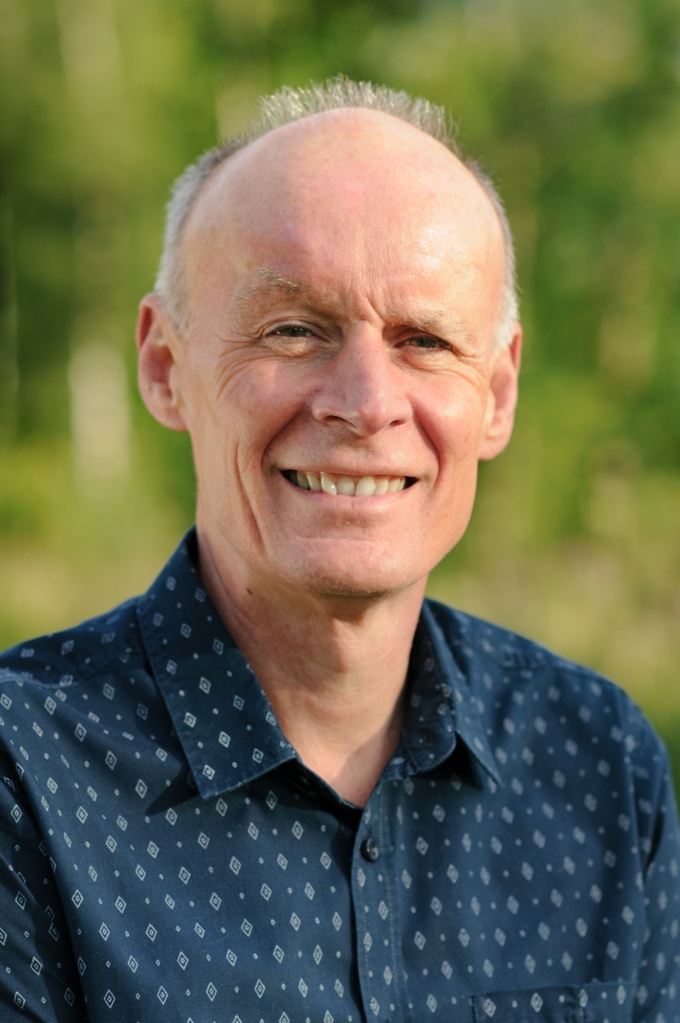
Malcolm was born and bred in Newcastle upon Tyne and now lives in Surrey. After a typical Geordie childhood, his parents moved south and deposited him in South East England. Having acquired a Law degree at Warwick University he worked his way through a host of London advertising agencies, picking up numerous awards for copy, press, TV and radio.
Having left ad-land he worked as Creative Director of Comic Relief, creating campaigns for Red Nose Day and Sport Relief. It was at Comic Relief that he was inspired to swap copywriting for writing and wrote his first novel, Me Mam. Me Dad. Me. His books have all been issue based, with much of the information gleaned from his work for different charities – Comic Relief (domestic violence), Shelter (homelessness), Nessy (dyslexia) and Combat Stress (PTSD).
He’s supported in his efforts by his New Zealand wife Jann, and daughters Tallulah and Tabitha, who, under the threat of withholding pocket money, seem to like what he writes.
Find out more at malcolmduffy.com and follow him @malcolmduffyUK

Huge thanks to Jayne Leadbetter for preparing the interview questions. Jayne has also reviewed Seven Million Sunflowers in our Spring/Summer 2024 issue, which you can download for FREE here.

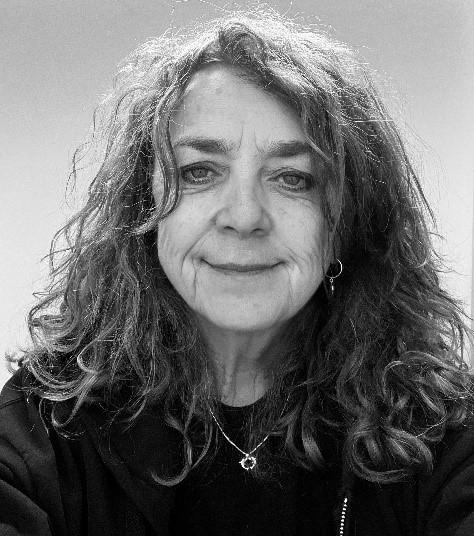
Jayne Leadbetter emigrated to Australia from the UK and is a high school teacher at a multicultural high school in Sydney, where she lives on the land of the Gadigal and Bidjigal people. She’s currently studying for a master’s degree in creative writing at university and is in the process of writing two novels, while enjoying the nature and the beaches of Australia with her huge dog Clifford.
PaperBound Magazine is an online magazine for the young, and the young at heart. We are dedicated to showcasing authors and illustrators for children’s and young adult fiction and we strive to deliver inspiring content, uplifting stories, and top tips for young and aspiring writers yet to burst on to the literary scene.

All our issues are completely free and run by volunteers, however if you would like to support PaperBound and the work we do, you can help us out by buying us a virtual book. We appreciate any support you can give us!

Don’t forget you can read with the latest issues of PaperBound Magazine – completely free – here.

article, Blog, Blog series, Bookshelf, on writing, Writing craft

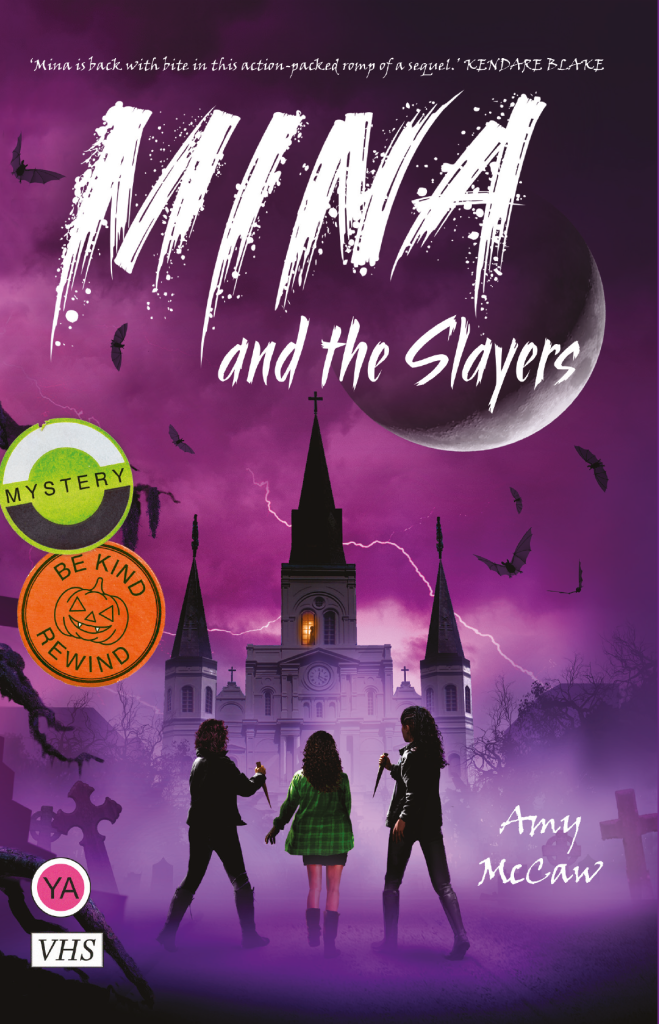
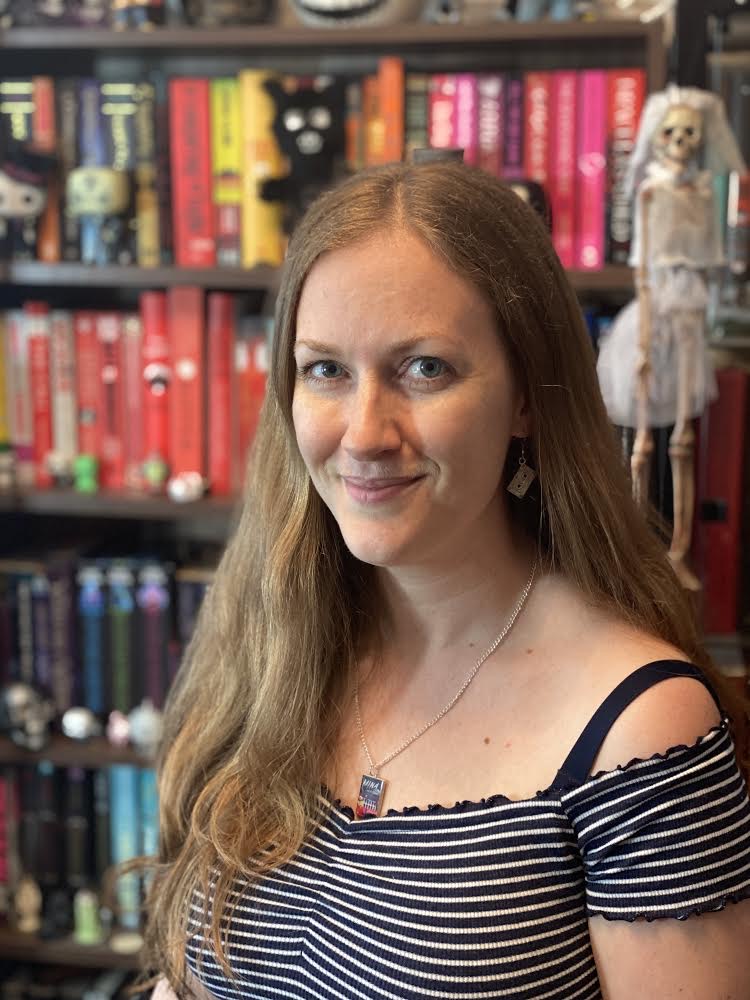
Journey from Blogger to Author by Amy McCaw

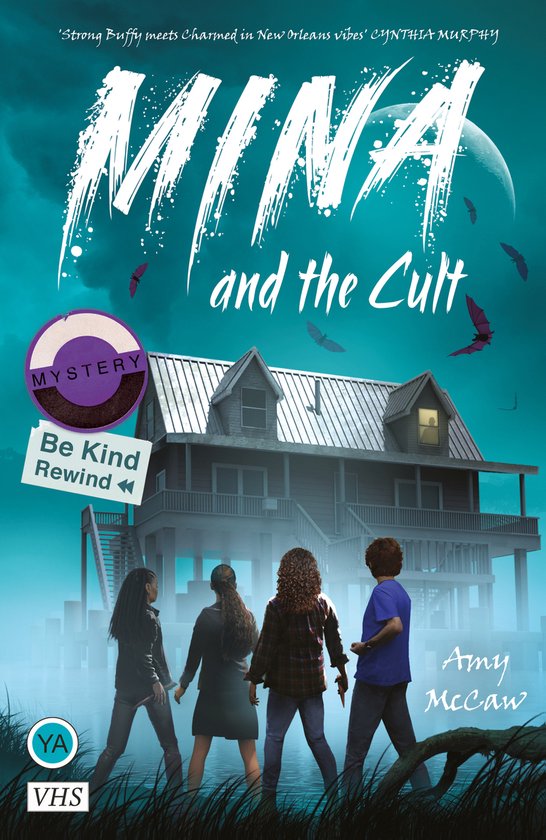
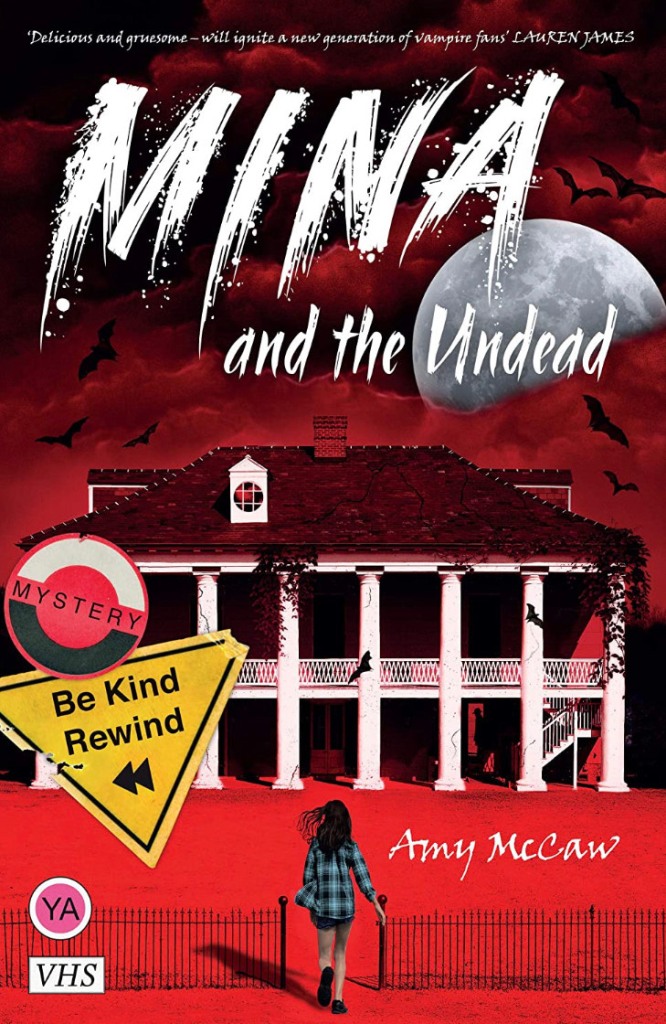
Amy McCaw is a YA author and YouTuber. She’s the author of the Mina and the Undead series, YA murder mysteries set in 1995 New Orleans. She also co-curated the A Taste of Darkness horror anthology with Maria Kuzniar. Her main interests are books, movies and the macabre, and her novels have elements of all of these. Unsurprisingly, she’s a huge Buffy the Vampire Slayer fan and has gone to conventions to meet James Marsters more times than she cares to admit.

If you want to talk with Amy about books or 90s movies, you can find her on Twitter, Instagram, Tiktok and YouTube.

PaperBound Magazine is an online magazine for the young, and the young at heart. We are dedicated to showcasing authors and illustrators for children’s and young adult fiction and we strive to deliver inspiring content, uplifting stories, and top tips for young and aspiring writers yet to burst on to the literary scene.

All our issues are completely free and run by volunteers, however if you would like to support PaperBound and the work we do, you can help us out by buying us a virtual book. We appreciate any support you can give us!

Don’t forget you can read with the latest issues of PaperBound Magazine – completely free – here.

Blog, Blog series, Bookshelf, Interview, Interviews, Writing craft

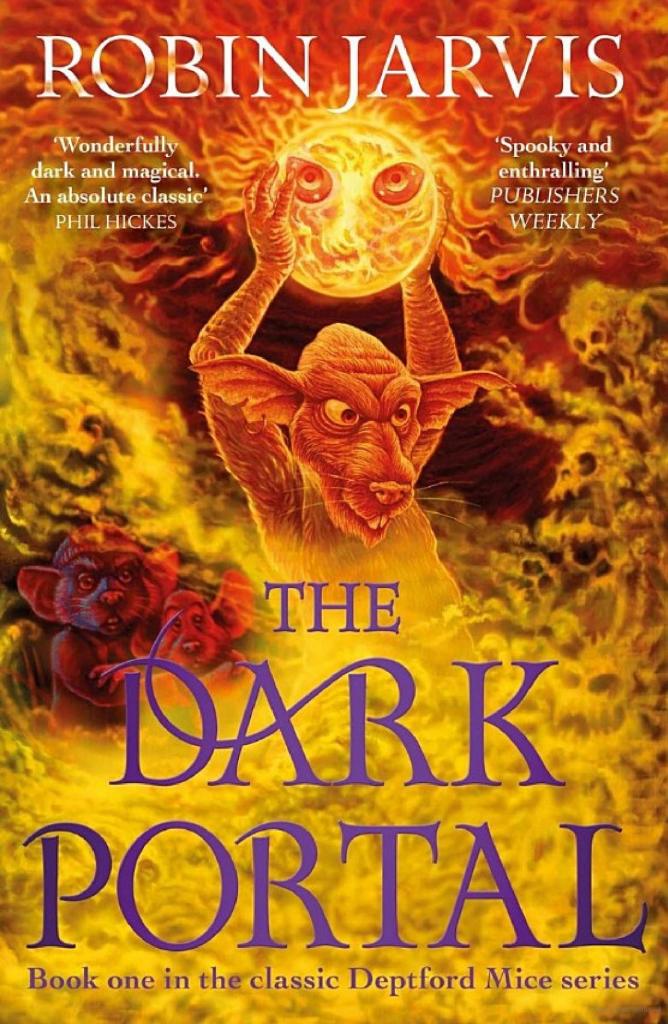
Interview: Robin Jarvis on the relaunch of his popular Deptford Mice series, starting with the release of Book One: ‘The Dark Portal’

Daniel Seton, editor at Pushkin Children’s Books contacted me and said he’d love to reissue the series, as he was a fan of the mice back in the day. It’s also the 35th anniversary too, so it was absolutely the right time and it’s given me the chance to cram as many new illustrations in there as possible.

I was actually a bit nervous at first, as it’s been a while since I last ventured into those Deptford sewers, but the characters have never been far from my thoughts. They really have continued to live out their lives in my head, so I know what they’ve been up to. I hope new readers will be able to dive into that world and be excited and a bit scared by it. I’ve had brilliant feedback already from the original fans who now have children of their own, and it’s been such a pleasure to hear that the stories have stayed with them all this time.

Oh absolutely. The best stories are those with fright and menace in them. The original versions of fairy tales contained some really gruesome aspects, such as the stepsisters hacking off their toes and heels to squeeze their feet into the slipper, or the wicked queen in Snow White being made to wear red hot iron shoes and dance until she dropped dead. When I was young (a very long time ago) I was mad about monsters – still am. The scares in my books are safe scares. The threats are fantastical, the sort you’d never encounter in real life. I like to think of my books as white knuckle reads.

Yes, apart from giving the writing a good old dusting, there were certain things that I wasn’t comfortable with, such as the Raddle sisters, two elderly mice who I originally described as ‘old maids’. Deary me, that had to go. The biggest change was Madame Akkikuyu, over recent years I’ve noticed she’s attracted criticism because some people thought there was a racial element and bolted human concerns onto her. She was a black rat, as in her fur was black, just as Piccadilly’s fur is grey and Oswald’s is white, but they all have pink skin. In fact, if Akkikuyu’s skin wasn’t pink, the tattoo on her ear wouldn’t stand out and that’s the big plot point of The Crystal Prison. Still, I don’t want anyone to get the wrong idea about her, so her fur is now a rich brown instead and the bone with which she stirred her potions has become a key from a tin of corned beef – which is a much better image anyway.

From a young age I watched anything with a monster in and enjoyed escaping into other worlds. The Green Knowe series was a favourite, as was Tolkien.

Just read and absorb everything, until you decide what stories/styles/themes/characters you enjoy the most and that should give you an idea of what you want to do. 

When Robin isn’t writing, he’s probably making something, usually a creature from one of his books to take with him to events and signings. It’s something he’s always done.

Before he started writing, he was a model maker and he gets grumpy if he can’t make something. It’s so much easier now he has a resin printer, no more mess on the kitchen table for weeks on end. At the moment he’s making Madame Akkikuyu, which brings him full circle, as he first made a wearable version of her all the way back at the beginning, 35 years ago. 

PaperBound Magazine is an online magazine for the young, and the young at heart. We are dedicated to showcasing authors and illustrators for children’s and young adult fiction and we strive to deliver inspiring content, uplifting stories, and top tips for young and aspiring writers yet to burst on to the literary scene.

All our issues are completely free and run by volunteers, however if you would like to support PaperBound and the work we do, you can help us out by buying us a virtual book. We appreciate any support you can give us!

Don’t forget you can read with the latest issues of PaperBound Magazine – completely free – here.

Blog, Interview, Interviews

Interview: Meg Grehan in conversation with Siobhán Parkinson

To celebrate today’s release of middle grade title The Lonely Book, we are excited to share an interview of author Meg Grehan in conversation with Siobhán Parkinson. This is a loving story about gender identity, family, and the magic of books.

Annie’s family is made of love.

When her moms open up their bookshop in the mornings, there is always a mysterious pile of books on the counter. By evening, every book has found its ideal reader. But one day there is a book on gender identity that doesn’t get bought. Who can its reader be, and why don’t they come?

 Days pass, and the book with no owner gets lonelier and lonelier. The bookshop is unhappy, its magic starts to go awry, and the moms are worried that the shop isn’t making enough money. Meanwhile, Annie’s sibling has become withdrawn.

Annie has a plan to save the shop, but is this all that’s worrying her sibling?

Meg, I was thinking about what a lovely – and intriguing – title ‘The Lonely Book’ is. And of course this new verse novel is not just about a book — it’s actually set in a bookshop. Which reminds me that the main character in your first book, The Space Between, worked in a bookshop. So it seems that you are drawn to the idea of bookshops, not just as places to visit as a customer, but as rather enchanting places to work in. Have you ever worked in a bookshop, or is it just a dream?

I love bookshops. When I found it harder to leave my house they were real sanctuaries to me, little homes away from my real home. If I could get home I was OK, and if I could get to a bookshop I was OK. I think bookshops are so special, so unlike anywhere else.

I did work in a bookshop! I was a bookseller and I did most of the ordering. It was very fun but a lot more stressful than I expected! I loved getting to talk to people about books, help them with their most specific and niche requests. I need a book about a sloth, I need a book about the high seas, I need a book about … I loved that! Getting to know people has always been easiest for me when it’s through books. I feel confident that I know and understand the world of books and it’s where I feel safest, so working in a bookshop was very special to me.

And of course in this story, the bookshop has a very special kind of magic. It is the bookshop itself that chooses certain books and makes sure that they find their ideal readers. Later in the story, when this one unattached book, the lonely book, doesn’t find its person for some time, the bookshop gets very agitated. How did you come up with such an extraordinary device?

When I worked in the bookshop I had a little desk down the back where I would unbox all the new books I’d ordered, put them on the system and get them ready for the shelves. There were a couple of instances when someone would come up and say, ‘Oh, I heard about this book, it’s about …’ and I would have that very book sitting right in front of me! They always reacted like it was magic, and I always kind of felt like it was. That’s what gave me the idea for a bookshop that works with its people, helps with some of the bookselling – though they still have to find the right readers, of course.

The idea of a magic bookshop works very well in a story that centres on such a young character. I mean Annie, who is about eight or nine? She is not exactly the main character (that is probably Annie’s older sibling, Charlie); but Annie is a main character in another sense, because the story is told from her point of view. That was an interesting decision. It is Charlie’s story, but it is told from Annie’s perspective. What made you think of telling it that way?

I agree that Charlie is really the main character, but for what I wanted to achieve with this book Annie made sense as the character whose point of view we follow. In my last book for children, The Deepest Breath, we followed Stevie as she discovered that she liked girls. It made sense to follow Stevie on that journey, as she was starting from the complete beginning. It’s the same with Annie: she doesn’t know anything about gender at the start of the story and it makes her the perfect character to learn and grow with.

Charlie is a little older, a teenager, and a book about them would be a YA (young adult) story. But I felt that this book needed to be middle-grade – for younger readers. Just like with The Deepest Breath, I wanted to introduce concepts gently and carefully and in a positive way, and following Annie allowed me to do that. It is also very much Charlie’s story, though, I love them so much and I do think we see a lot that goes on with them through Annie’s eyes.

Yes, I see what you mean. The central issue, which clarifies as the story opens up, is that Charlie is starting to realise that they are non-binary. That is a big idea to mediate through the thoughts and worries of a much younger child, but it works really well, doesn’t it? I suppose Annie’s openness to new ideas is something that comes naturally to her, as a child – when you are small, everything is new, and you maybe haven’t acquired too many prejudices. So that makes her an ideal narrator, would you agree?

I do agree! It’s what’s so amazing about children, isn’t it? They learn and learn and learn every day, they are so open and ready for new things and so, so brave.

I wrote The Deepest Breath and The Lonely Book for younger readers because they both deal with topics I don’t think are written about enough for children. Queer stories are for everyone, and I wanted to share some!

Annie might be very young and very open, but she does also suffer from anxiety. Her worries are a kind of subplot – she knows there is something bothering Charlotte; she knows her mothers are worried about something completely different – whether the bookshop is financially secure. And one reaction she has to these anxieties is that she finds very often she can’t speak. Can you tell us a bit about selective mutism and why you chose to explore it in this story?

Selective mutism is a type of anxiety disorder that means that sometimes you just can’t speak. I decided to write about it because I have it. In times of extreme stress I lose the ability to speak. For instance, during the height of the pandemic I couldn’t speak at all for almost a year. My speech slowly came back but it was quite scary. Generally it just manifests in little ways: like, in an argument, sometimes words just vanish for me. It feels like quite a betrayal because I have always considered words friends. Writing about it, however minor a subplot it may be, was really nice for me. It reminded me that words take many forms and I am never truly without them.

Using sign language to overcome mutism is a creative as well as a very loving response, and the whole family becomes involved. Can you tell us a bit about that?

Again, that comes from personal experience. For those months when I couldn’t speak my girlfriend and I learned sign language. We learned together and it was a very beautiful thing. It was her idea. We had tried a text-to-speech app but I didn’t like that, and we tried me writing things out, but it was such a slow process. Sign was the perfect answer. We loved learning it, we loved using it and I loved it so much that she learned it with me; and that made me feel so loved and respected and valued. And so that is why I wrote that into the story of The Lonely Book. It just seemed right.

The love that Annie and Charlie share with their two mothers is very strong, very warm, very sustaining. And emotionally very satisfying to read about. It is the core of the book, really. But I like how you don’t allow the fact that this family is united in love and togetherness to be an easy solution to their various anxieties. It’s important that they have each other, but it’s not enough to make all their worries disappear. Can you tell us a bit more about your thinking on this?

I am very lucky to be in a relationship for almost twelve years now with a warm, funny, kind and caring person. I am loved and cared for and supported beyond what I ever thought possible. But I still have my anxieties, my troubles, my worries and struggles. The love I receive and the love I give can soothe these worries, they can lessen the load, they can calm me when things get too much. But they cannot take them away.

It isn’t fair to expect a person, no matter who they are, to fix your problems or take away your struggles with just the power of love and togetherness. But it is OK to expect respect and love and tenderness, I think. That’s what this family do: they love and respect and care for each other because they are a family and this is what comes naturally to them. They don’t expect each other to fix everything for them, or expect themselves to be able to fix everything for the others.

This is what Annie is learning, you can’t fix everything for a person, even if you wish you could. But you can love them and support them and be there for them, and that can be just as powerful.

The Deepest Breath, which is also written for quite a young readership, is realistic, as was your first book, The Space Between, which is more for a YA audience. Then, with Baby Teeth, definitely YA, you plunged right into fantasy (almost horror), and that went down very well!

Do you think Baby Teeth opened up the way for the kind of magic realism we find in The Lonely Book? Maybe in the same way that centring the story on a younger child in The Deepest Breath might have inspired you to write The Lonely Book also for a young audience?

Maybe! I’ve never had any interest in categorising myself when it comes to writing. I am not a person who has a lot of ideas, I am not at all brimming with them and I rarely have to choose between them to decide what to write. Usually I have one idea and I sit with it for as long as it takes to form and grow and develop. Then I write it.

Same for me!

Beth (the main character in The Space Between) came to me first, then Stevie (The Deepest Breath), then Immy (Baby Teeth) and now Annie. Immy was the most self-indulgent for me (though it may seem to be Beth from The Space Between!) because I love horror, I love paranormal stories, I love the innate drama of vampires and the idea of many lives lived.

I also love not holding back when I write, letting myself be as over-the-top or dramatic or even maybe pretentious as I want to be and Immy let me do that. I very much wrote that book for myself and the fact that other people liked it too definitely made me much braver moving forward, which, yes, could have played a part in inspiring me to write about a magic bookshop.

All your books, Meg, are verse novels. Do you find that verse comes to you more naturally than prose? And do you find that audiences respond especially well to the poetic form?

It definitely comes more naturally to me. I have always, always loved poetry. My nana wrote poetry and she wrote a poem about me when I was little. I still have the book that it’s published in on my bookcase. I like to think she wrote me into the world of poetry.

What a gift!

Wasn’t it just?

I was also a drama kid. I performed poetry I loved and wrote and performed my own poetry. I’ve always read it, always written it, and always loved it. So when I learned that books could be poetry too, that I could write a whole story in a poetic form, a new world opened up to me. It just comes naturally to me, it makes me happy, it makes me feel free and brave and inspired.

I love verse a lot, and I do think people respond well to it, even if they don’t quite know what it is. I try quite hard to make my verse accessible and make it flow nicely so it isn’t too taxing to read and I think, or I hope rather, that readers feel that. I think people are often surprised by how much they like verse, it kind of delights me!

Yes, I see what you mean about how naturally it comes to you, but I’m still wondering if it was a conscious decision to use verse as a form and magic realism as a storytelling style in order to tackle a subject that some readers might find more difficult to think about if they encountered them in a realistic novel or one in prose?

Honestly, no, not really. I trust readers, I trust young readers. I think they can handle bigger ideas and concepts than we give them credit for.

I totally agree, Meg. I think that respect for young readers is what marks the best writers for children and young people.

So, the reason I chose verse is that that is what I love and how I write best, and I wanted to give this story it’s best chance at being good. And I chose magical realism or fabulism because it allowed me to tell the story I wanted to tell and because the idea excited me. I think it just worked out well that these choices helped me in telling the story as clearly and accessibly as I could.

And it all worked out pretty well perfectly! Thank you, Meg, for talking to me, and thank you for this wonderful book.

You can catch this interview in the back of The Lonely Book upon its paperback release from Little Island Books. We want to thank Little Island for giving us permission to publish this interview on our blog to celebrate this fantastic release!

PaperBound Magazine is an online magazine for the young, and the young at heart. We are dedicated to showcasing authors and illustrators for children’s and young adult fiction and we strive to deliver inspiring content, uplifting stories, and top tips for young and aspiring writers yet to burst on to the literary scene.

All our issues are completely free and run by volunteers, however if you would like to support PaperBound and the work we do, you can help us out by buying us a virtual book. We appreciate any support you can give us!

Don’t forget you can catch up with the latest issues of PaperBound Magazine here.