Author of A Flood of Memories, Nadia Mikail, shares how she found inspiration for her novel through reminiscing about her childhood home.
by Nadia Mikail
My first book, The Cats We Meet Along the Way, contained detailed musings of a character who longed to return to her childhood home by the Sarawak river, even at the end of the world.
My second book, A Flood of Memories, contains an even more precise description of a two-storey kampung house flooding with memories and river water during monsoon season, when the river bursts its banks.
Clearly, at this point, everyone’s got a pretty good idea of my childhood home. I’m never going to get away from that house! I’m never going to really move out. Part of me is always going to be on that makeshift bench on our balcony, two planks of wood and a rusty metal frame – it was once a swing, maybe, a long time ago.
Part of me is always going to be seven and barefoot in the tall wild grass in the back, picking fruits off the branches. I write this now in London half a world away but part of me is sitting right there on the cool white tiles, scribbling complicated storylines on the walls in crayon until my grandmother comes to carry me away.
The house housed me through pain and grief; it always kept me safe from ever-reaching danger.
Every flat I rent now can’t really compare. I used to know all the sounds of that house, which floorboards creaked, which footsteps were whose. It used to smell like gorgeously tangy asam pedas or of the biscuits baking in the oven. When it smelled strongly of oil, we’d throw open the windows in the kitchen and the breeze would rush in and I’d sneak a fresh fried fish away to munch on before my cat got to it first. The house housed me through pain and grief; it always kept me safe from ever-reaching danger.
My mother grew up in it and my baby sister did too, scribbling over all of my drawings. It was my grandparents’ last home. I’d give a lot to hear my grandfather’s old radio again, to hear Tony Orlando and Dawn croon Tie a yellow ribbon round the old oak tree!
What am I writing about, really? The house, or the experience of childhood that I’m never getting back? The house, or a time when everything felt more certain? The house, or the beauty of having all my family under one roof, alive and well and loving me?
To be honest, I don’t know if I write about this house as much as I am currently in the midst of being haunted by it. It shows up in most of my stories, even though I’ve lived in many places since then. I haunt it too, in dreams and memories and in those same stories.
My experience of writing about home is ongoing and always evolving, and to those who want to do the same, I would say Good luck and Be honest, because the house will know if you aren’t being authentic in your writing of it, and your characters will suffer and your plotlines will all fall slightly flat. I very much believe readers know too: many of them remember a similar place in their childhood, one that similarly shows up in their dreams.
Young adults are especially sensitive to this: they are just coming of age and moving out and the memories still cling to them stickily, and they will simply know. That’s why it’s especially important to be truthful when writing about these places and these memories.
If helpful, for inspiration, while not necessarily about a specific house, The Raven Boys by Maggie Stiefvater is one of my favourite YA novels about the idea of home as a haunting place: the town of Henrietta very much wraps the experiences of coming of age in magic and history and friendship.
Black Water Sister, while not YA, is another remarkable fantastical tale, specifically about coming back home to Malaysia after being away for years. I always admire how some authors can make a tale about home, describe a completely different place in a whole other part of the world, and make you think I remember that.
I used to know all the sounds of that house, which floorboards creaked, which footsteps were whose.
I haven’t seen my childhood home in a long time. We don’t own it anymore. I wonder if it even looks like how I describe it over and over again in my stories. I love that it haunts me. There used to be a large tree out back overrun with fire ants, and it bore a particular unique hybridisation of two varieties of mango that was the most delicious thing I’ll ever bite into. I’ll never taste it again, which seems very fitting.
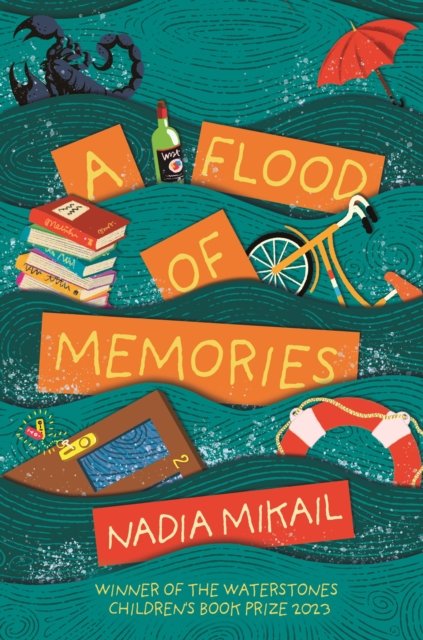
A Flood of Memories by Nadia Mikail is available now | Guppy Books | £8.99 | Paperback
A Flood of Memories
A beguiling novel which explores the fine line between care and control, between love and abuse in families, and shows that it is possible to move on to a brighter future.
It’s raining in Sarawak, Malaysia – a lot – and Leila, now living in Kuala Lumpar, must go home to help her Mak before the floods become serious. But she hasn’t been home since the death of her father – and she’s not quite ready to confront what’s waiting for her there. Life with Pak was complicated.
But Arthur is in Sarawak, the boy she’s thought about ever since they first met at school – Arthur, who offers her support, care and love, but at a cost perhaps too great for Leila. As the floodwaters rise and her family and home become threatened, can Leila confront the enormity of her own past in order to move forwards properly in her present?
Nadia Mikail
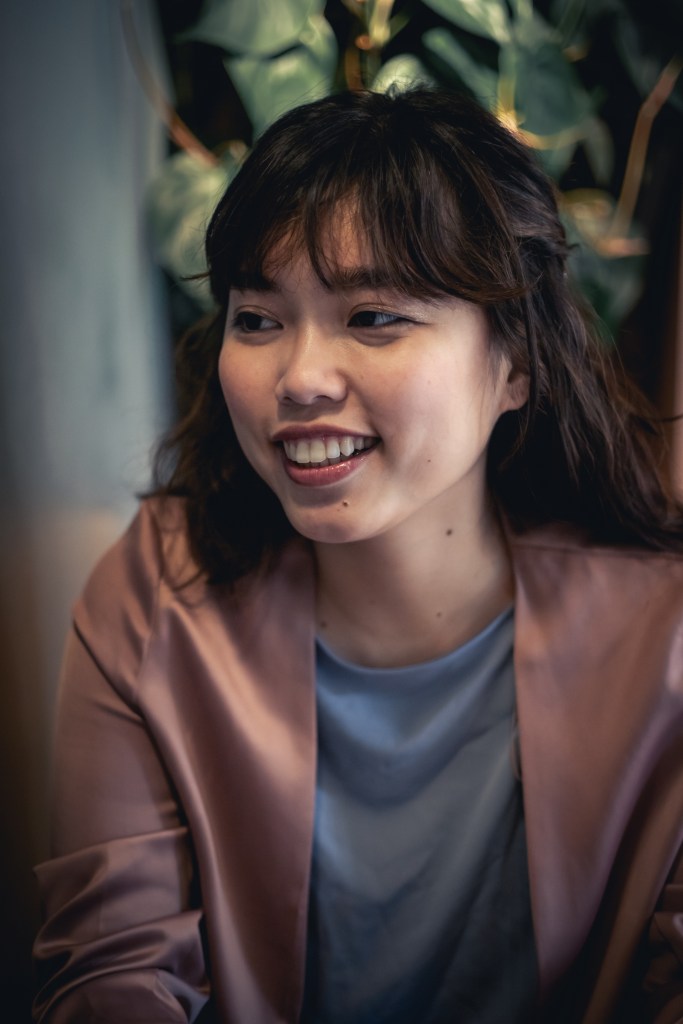
Nadia is a lawyer in London, a full-time houseplant owner and a parttime investigative journalist into what London’s pigeons are planning when they flock together like that. She is mostly unsuccessful at (but still hopeful about) both these occupations. Her first novel for young adults, The Cats We Meet Along the Way, won the Waterstones Children’s Book Prize in 2023 and was shortlisted for the Branford Boase Award and the YA Book Prize. She is from Sarawak in Malaysia, where the air is always sweeter, the food is always tastier, and the pigeons are considerably less bold.