Blog, Blog series, Bookshelf, Extract, on writing, Writing craft

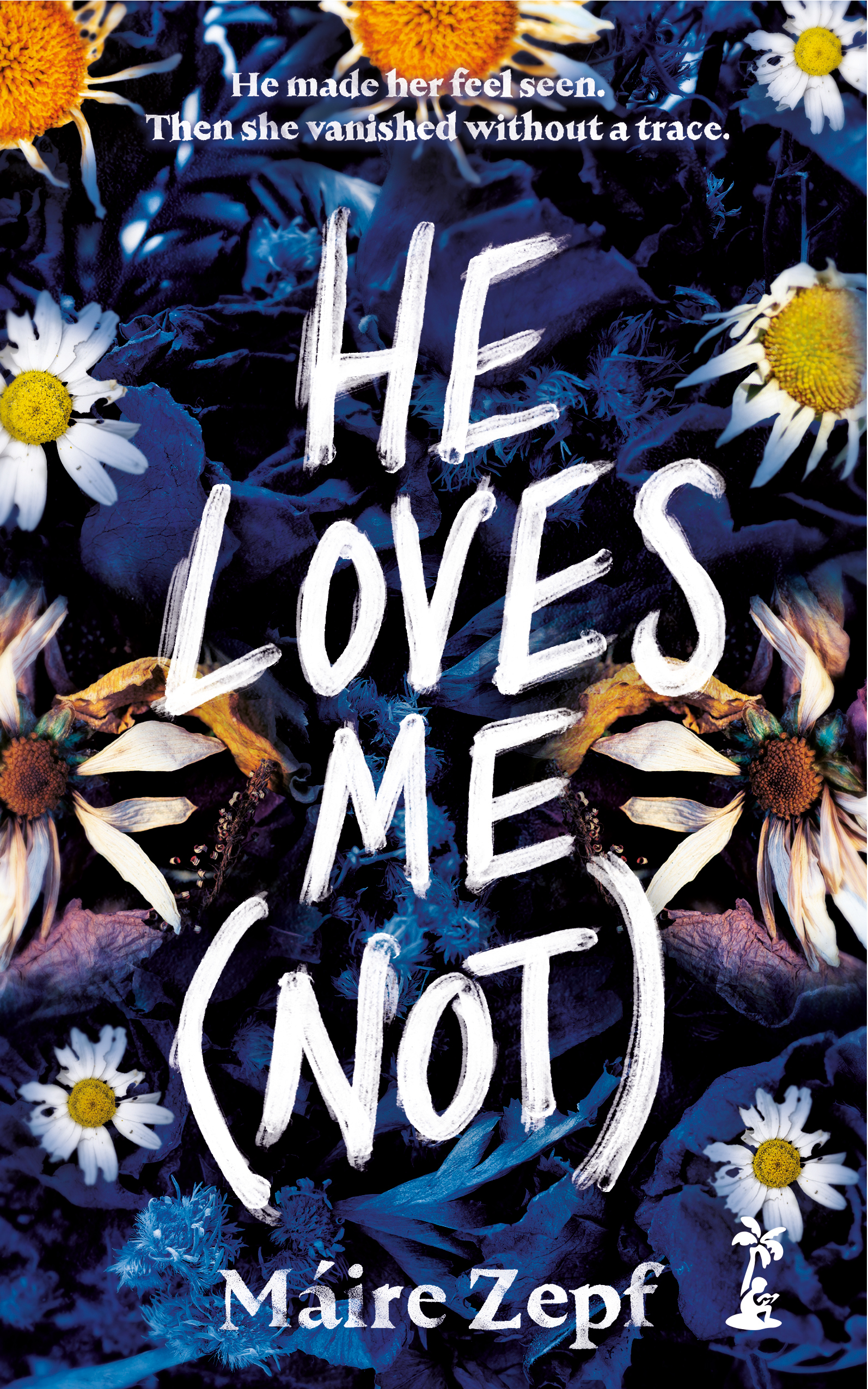
Sneak Peek! He Loves Me (Not) by Máire Zepf

Kiss

‘Have you ever kissed a boy?’
Shay asks.

He isn’t making fun of me
or criticising
or pressurising.

He sees
no problem
when I tell him
that I’ve haven’t
kissed
anybody
yet.

‘Oh, if I could
kiss
you,
Daisy,
your first kiss
would have
starlight
in it.’

‘It would glimmer

on your lips

and feel like the heat of the sun

on your skin

on a summer’s day.’

‘It would burst with kindness

in your mouth

and have a tiny

tasty

dash

of dark voodoo

to spice it.’

Worried

‘Daisy,
as your friend,’
writes Erin
formally
as though she is
no longer
my friend.
‘I have to say
that I am
worried
about you.

  1. You don’t know him.
    (that’s what she thinks)
  2. You have forgotten
    about the
    real world.
    (how would a girl who has never been in love understand just how gut-wrenchingly ‘real’ this is?)
  3. You haven’t even met him!’
    (yet…)

Invisible Ink

I’m not going to tell you,
Erin,
my friend,
the things
on my mind.
I’m not going to tell you
that the
poison
of jealousy
is polluting
your thoughts and
choking
our friendship.

I’m not going to tell you
that my
friend
should be
happy
that I am
happy.
I’m not going to tell to you
that I feel I have
overtaken
you.
That I am on a road
that is not on
your map
yet.
And, I’m definitely not going tell you
like Maeve would
that you should
go
and play with your
dolls.

Rapunzel

I am drying
my hair.
Shay says
he’d like to
comb it
gently
with his fingers.
He’d like to
touch it
smell it
brush it.
I send him a picture.
My head
upside down
my wet hair
tousled.
Wild.
I’m getting better
every day
at the
selfies.

A star-speckled sky

I can’t
describe
this feeling.
But my mind
seeks for the right words
unrelentingly
unendingly.
Heart-hopping
hard-to-breathe
I-am-flying
waves-crashing
heart-melted
I’ve-lost-the-plot
firecrackers
obsession
tsunami…
It’s like
a star-speckled sky
inside my tummy.

So what?

At school,
Erin has a new gang.
New friends.
I sit on my own.
But I don’t care.
Here sits Daisy
alone and maybe
lost and hazy,
completely phone-crazy.
So what?

The vacuum

I’m texting him
as usual
telling him
every minute detail
of my day.
This way
it’s like
we’re
together.
But something is wrong.
He isn’t
answering.
Silence so
quiet
that it
screams.
A cavernous void.

A vacuum
pulling me inside
a vortex
of fear.
Shay,
Where are you?
WHERE ARE YOU?
WHERE ARE YOU?

Pyjamas

‘I’m sorry, darling.
My battery died,
that’s all.’
That’s all?
I tell him about the
vacuum.
About the vortex.
‘I know, my love,’
he says.
‘I felt it too.
But I’m here now
and everything is OK.
Are you in your pyjamas,
Daisy?’
I sent him a pic.
White pyjamas
with pink hearts.

I tie a knot at the back
to tighten them.
So he can see
my curves.

Lover boy

‘Ooohh – don’t tell me that
Tweedledum and Tweedledee
have fallen out,’
says Maeve
in a
saccharine
voice.
The maths classroom is
too hot,
stuffy.
I am sitting
alone.
‘Daisy’s smitten with
Lover Boy,’
Erin says,
like she doesn’t care
but her green eyes look
hurt
for a second
before she turns back
to her
new friends.

Ooohh,’ says Maeve again
turning her whole body
to look me
up and down
sizing me up
from head to toe.
‘Well well well.
Daisy’s in love.’

Daisy’s in love

It’s a fact.
Daisy’s in love.
Daisy is drenched,
drowned
in the bursting
in the purring
in the shimmering
and in the silken rustling
of love.

The glass slipper

The whole day
I can’t
shake
Erin’s wounded eyes
from my mind.
Did I hurt her?
If the
glass slipper
was on the other foot
how would I feel?
Erin dancing happily
with the prince
and me
left
by myself?

Americano

‘Hey, Erin,’ I say
on the phone.
‘I’m sorry
about everything.
How about we go
for a coffee
tomorrow afternoon?’
‘OK,’ she says
in a tiny little voice.
‘There will be a
total ban
on talking
about Shay.
I promise.’
She sends me a
smiling emoji.
‘Caffè Nero at 2 then?’
We have a date.

Another date

‘That has me
thinking,’
says Shay when I tell him.
‘When are
we
you and me
Daisy and Shay
going
out on a
  date?
I can’t
 wait
any longer.
I want to feel
your hand
in my hand.
More than
anything
on earth.’

Shivers of excitement
dart through
my body.
‘Are you free
after school
Friday?
A week from today?’
he says.
I send an emoji.
The face with
hearts for eyes.
‘Sure am.’
This is it.
‘Say 5 o’clock?
That gives us time to
change out of our
prison uniform
beforehand?
We can meet at that new café
in front of City Hall?’

I wonder if he knows
that I am
jumping
around my bedroom
like a
lunatic.
This is it.
I’m going to meet my
love.
Finally.

.

Daisy has always been quiet – the kind of girl who fades into the background. So, when she meets a boy online who really sees her, she falls fast. He listens. He understands. He makes her feel special in a way no one at school ever has.
Soon, Daisy’s world shrinks to a glowing screen. Her mum worries. Her best friend Erin is pushed aside. But Daisy doesn’t notice – she’s in love. Then Daisy goes to meet him in real life. And she never comes back.
Left behind with guilt and unanswered questions, Erin tries to piece together the events that led to Daisy’s disappearance and is forced to confront the truth Daisy never saw. In a world where screens can lie and love can be faked; how can anyone know who to trust?

Máire Zepf has written over 16 books for children, from picture books to YA fiction. She has won the Children’s Books Ireland Children’s Book of the Year Award, 5 Literature Association of Ireland Children’s Book Awards and 2 international White Ravens among many others. Máire lives in Co. Down and she loves sea-swimming and crisps.
PaperBound Magazine is an online magazine for the young, and the young at heart. We are dedicated to showcasing authors and illustrators for children’s and young adult fiction and we strive to deliver inspiring content, uplifting stories, and top tips for young and aspiring writers yet to burst on to the literary scene.

All our issues are completely free and run by volunteers, however if you would like to support PaperBound and the work we do, you can help us out by buying us a virtual book. We appreciate any support you can give us!

Don’t forget you can read with the latest issues of PaperBound Magazine – completely free – here.

article, Blog, Blog series, Bookshelf

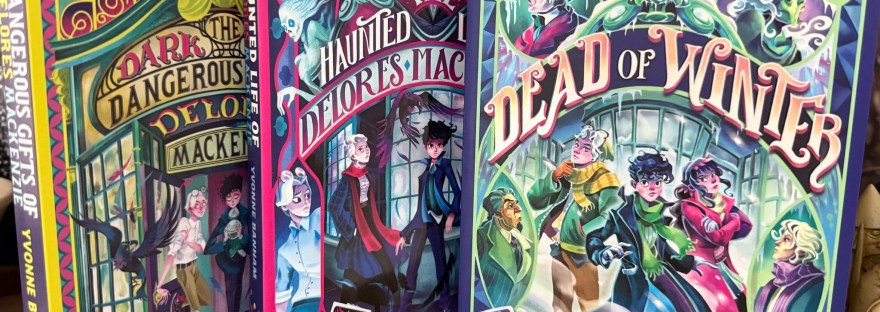
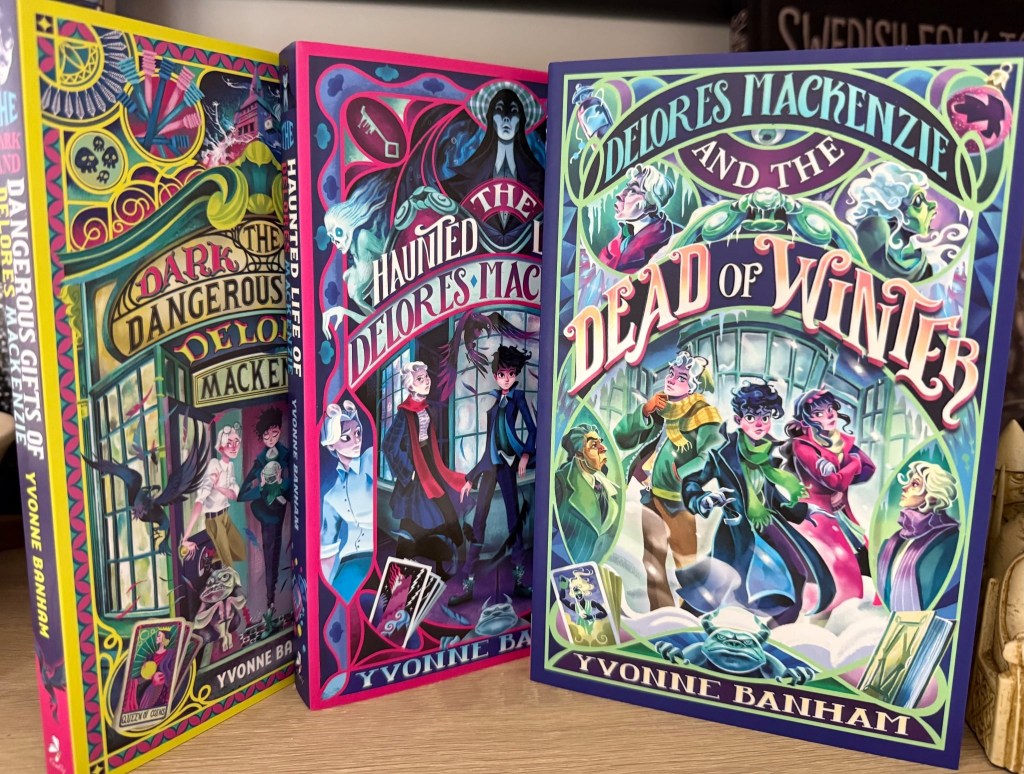
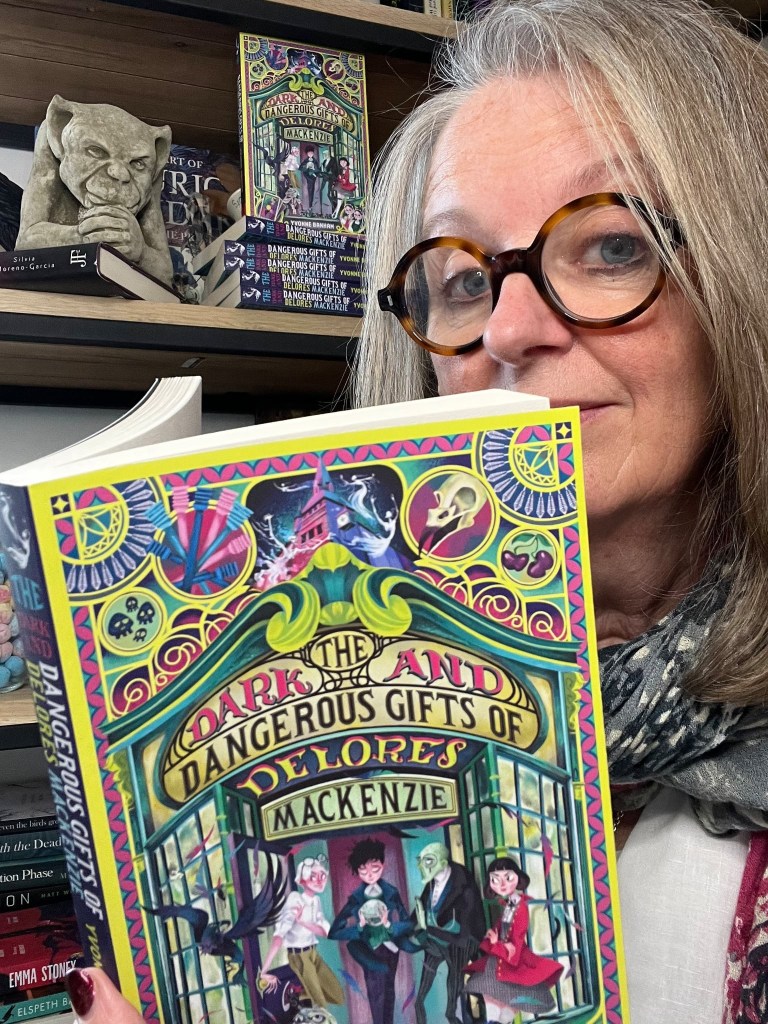
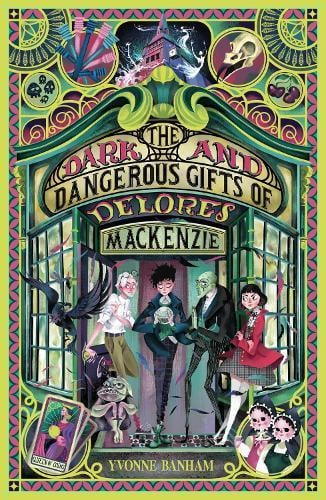
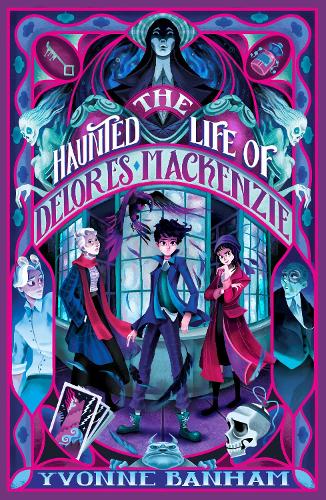
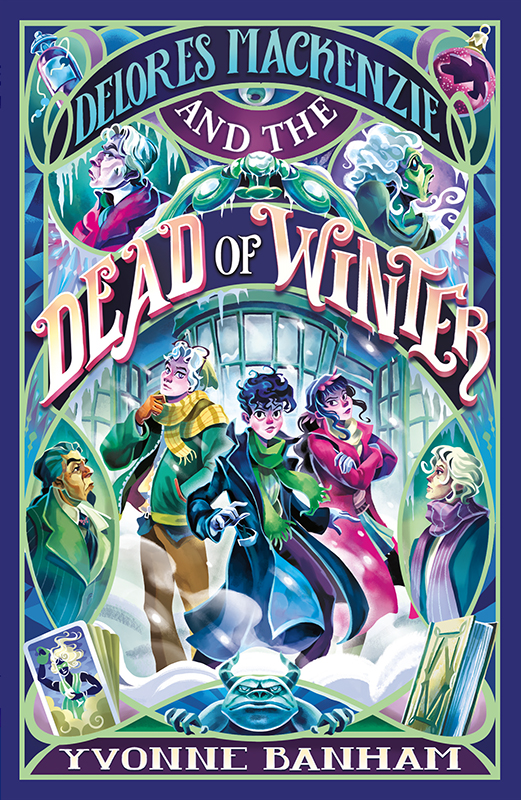
Yvonne Banham on the inspiration behind the Delores Mackenzie series

Delores Mackenzie and the Dead of Winter takes Delores, and co-students Prudence and Gabriel not only to the edge of their paranormal abilities, but also on a journey way beyond the Arctic Circle as they try to solve a haunting murder mystery without becoming the next victims.
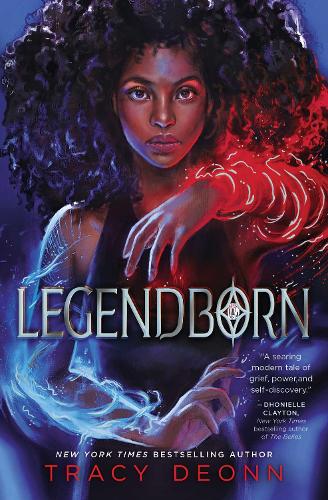
The gale-force wind was gripping me, dragging me towards the rapidly rising water as I tried to run.

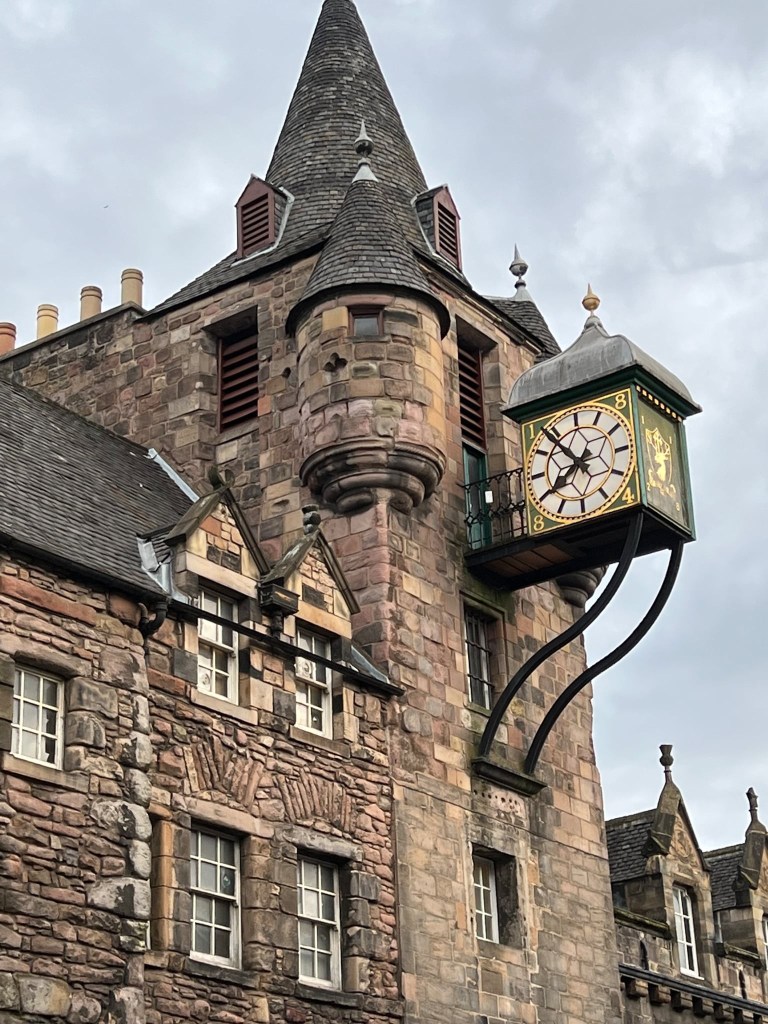
Delores’ world needed a modern day but gothic setting, and Edinburgh Old Town was perfect. I was lucky to get to see inside the clocktower at the People’s Museum (which became The Tolbooth Book Store) and things started to come together. It was easy to imagine supernatural forces lurking in the shadows of the narrow wynds and closes, and in the lost streets and vaults hidden beneath the oldest parts of the city.

It was easy to imagine supernatural forces lurking in the shadows of the narrow wynds and closes, and in the lost streets and vaults hidden beneath the oldest parts of the city.

Food is intertwined with life at the Tolbooth representing all kinds of things: love, care, grief, danger, even lighter moments like when Delores’ food is turned against her.

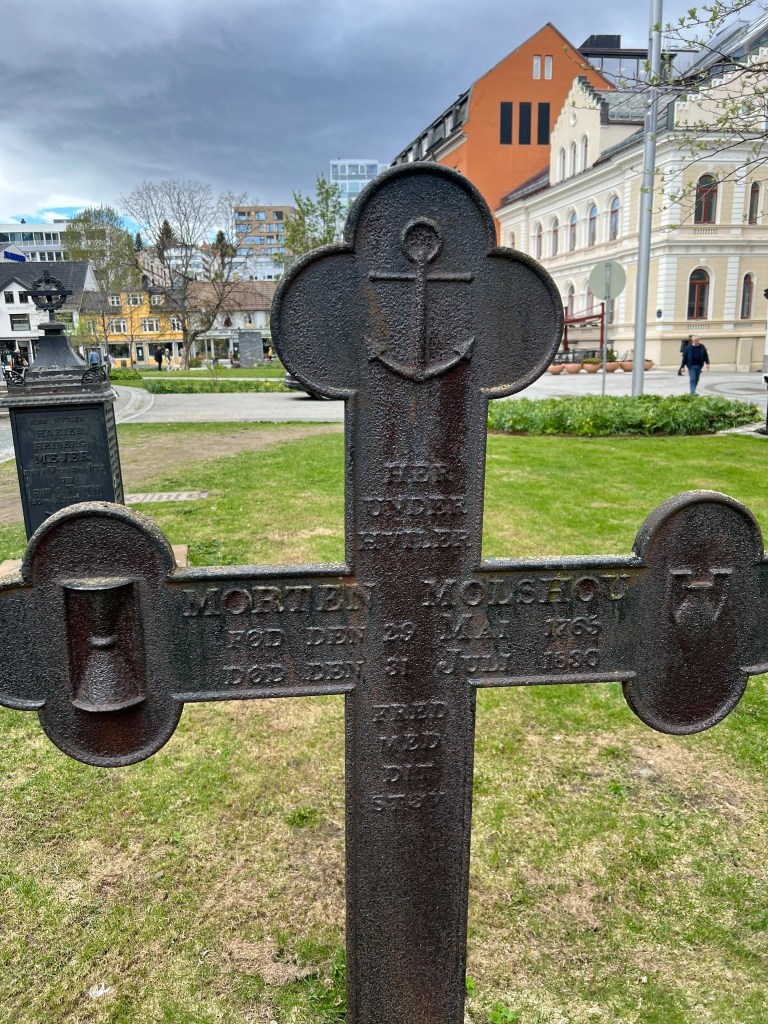
I have always been drawn to northern climates, cold places that feel like they’re clinging on to the edges of the earth, and it was amazing to be able to travel beyond the Arctic Circle to tap into that connection in a very real way. I found a home in Tromsø, Norway, for the dreaded High Council and the fiendish Psychic Adjustment Council, both huge dangers to Delores and her friends. It also gave me the best moment for Prudence’s big scene near the end of the series. I really loved writing that one!

Special Offer

When Delores Mackenzie is chased home by a restless spirit, she is sent to the mysterious Uncles in Edinburgh Old Town to learn how to control her unusual ‘gifts’. Scared and alone, she finds her new home at the Tolbooth Book Store is full of curious surprises: some welcome, others less so. But when a sinister apparition threatens the lives of her strange new housemates, Delores must gather all her strength to save them.

Paranormal students Delores and Prudence are being hounded by inquisitors after they broke the rules and helped rescue fellow student Maud from death at the hands of an evil spirit. Cruel inquisitor Magoria Jepp is searching for secrets at their home in Edinburgh’s Tolbooth Bookstore, but does she have an uncanny history of her own to hide? As Delores tries to save her friends, she attracts the unwelcome attention of a murderous Boçain, or evil spirit, intent on stealing her paranormal gifts. Can she defeat her enemies, and maybe her own family too, to save everyone she loves at the Tolbooth?

When the ghoulish victim of a decades-old murder screams for justice from beyond the grave, paranormal students Delores, Prudence and Gabriel must travel from Edinburgh Old Town to far beyond the Arctic Circle, chasing after a mysterious book, a legend … and a killer.


But, with their every move being watched, will the friends find the answers they’re looking for before they become the next victims…?

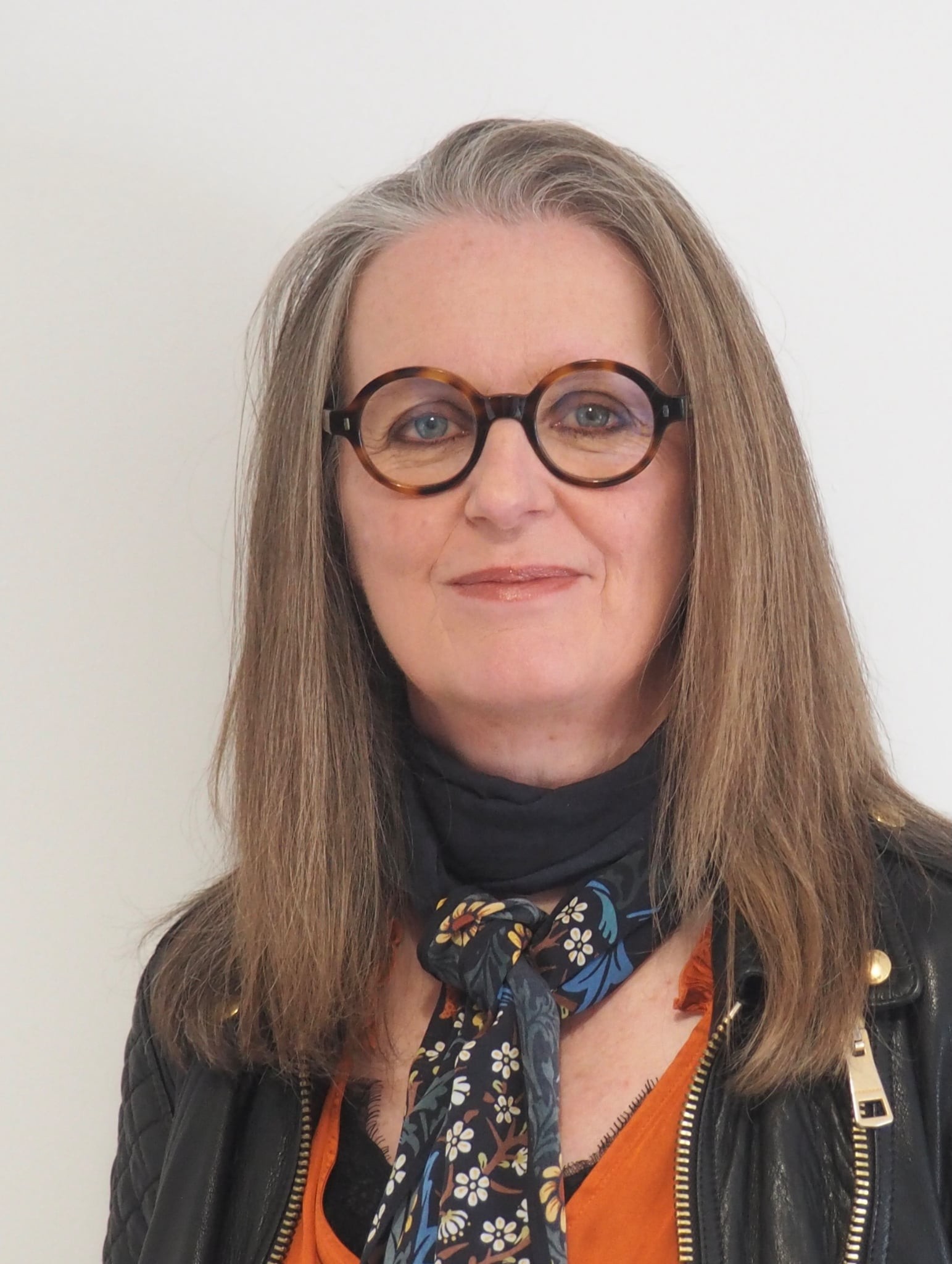
Yvonne Banham grew up on an island off the coast of Cumbria and spent lots of time huddled on the wild beach with a scary book. When she left school, she couldn’t decide whether to be a nurse, an artist, or a writer, so she tried them all but liked writing best. She believes in ghosts though she’s never met one, and after five gloriously spooky years in Edinburgh, she now lives in Stirlingshire with her husband and their bold little terrier Bertie. When she’s not writing, she’s either hiking in the nearby hills or checking out creepy locations in search of new stories.

PaperBound Magazine is an online magazine for the young, and the young at heart. We are dedicated to showcasing authors and illustrators for children’s and young adult fiction and we strive to deliver inspiring content, uplifting stories, and top tips for young and aspiring writers yet to burst on to the literary scene.

All our issues are completely free and run by volunteers, however if you would like to support PaperBound and the work we do, you can help us out by buying us a virtual book. We appreciate any support you can give us!

Don’t forget you can read with the latest issues of PaperBound Magazine – completely free – here.

article, Blog, Blog series, Bookshelf, on writing, Writing craft

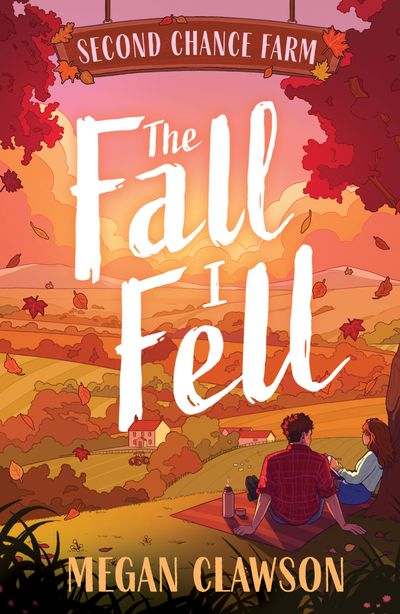
Sneak Peek! The Fall I Fell by Megan Clawson

The floor of the treehouse has never made a good bed. The cold planks, smoothed by years of growing feet, groaned as I stretched against their grain. I blinked into sunlight that blinded me through the gaps in the roof. Yet, somehow, that was the best sleep I had had in weeks. Perhaps it was the exhaustion of yesterday, or maybe all of the nights laid awake crying had finally caught up to me. But I stayed there, on those planks just a little while longer, ignoring the aching of my joints.

For just a moment, I didn’t remember. Wrapped up in the light, the smell of the last dregs of summer air coming in through the window, I clung to those fleeting moments of rest that had been so rare of late. Then, like a change in the wind, it all came flooding back. Granny. Her life’s most precious photos and the letters in that box that lay scattered around me. Jacob’s arms holding me in the dark, and his lips, and the feeling of finally—

I sat up and called his name, though I already knew from the draught about me that I was alone. The night before came back to me, in fragments at first, of dances, of tears, of quiet embraces, of lips too desperate to wait any longer. Then I remembered it so clearly. I could feel the touch of him on my skin as the exhaustion took us both and I fell asleep in his arms, and he stayed. He had stayed. I looked for any sign of him out of the window. The September morning clung to the warmth of the summer, but the leaves and their dying orange tips told the real story. The farm was yet to stir. Silence fell across the landscape, and Jacob was still nowhere to be seen.

Many times in my life I had questioned whether he was just a dream, but this time I knew that all of it was real, painfully real. He had been here. He had held me, kissed me, loved me. Surely, that meant something. He was no phantom, and it was no dream, so why was it that I was alone?

All the pieces of Granny’s memories that were scattered around the floor quivered against one another in the breeze, hissing in whispered conversation. I gathered them as carefully as I could, saving the stray sheets from being carried away in the wind. No matter how hard I tried to coax the lid back onto the shoe box, it wouldn’t sit flat. The sight of it, fit to burst with photos a plenty, was rather fitting. Granny’s life was far too full to fit into any box.

Then, from the corner of my eye, I spotted it.

A single sheet of paper, crumpled into a ball, tucked in the shadow of the same chest we used to leave notes for each other when we were children. Its bright white glowed in the early light, so different from the yellowed envelopes of Grandad’s old letters.

My stomach dropped at the sight of it, as though I already knew what weight it held. I think I knew from the moment I opened my eyes and found him gone. But still I scrambled to unravel it, because that is the thing about love: in your mind, you know the truth, you know what will come will hurt you, but there’s always that hope that this time it just might be different, that you’ll get your happy ending.

I smoothed the paper out against my knee. Two words in his handwriting – I would know it anywhere, all those cramped joined-up letters with never quite enough space for the apostrophe. Two words, and nothing else.

I’m sorry.

.

For Ava Matthews, her grandparents’ farm always meant the holidays – long golden days roaming the fields and hills and sharing secrets in the treehouse with her best friend and first love Jacob.
It was the place of endless summers and magical winters, far from her life in London where she dreamt of travelling abroad to study fashion. It was never meant to be home.
But when her parents’ marriage unravels, Ava finds herself back in the russet-hued Autumn countryside, trying to put her life back together. And Jacob, who broke her heart two years ago, is still the boy next door, but feels further away than ever.
As the leaves fall and the seasons change, old wounds heal and new possibilities arise. And soon, Ava has to decide where her future – and her heart – lies …

PaperBound Magazine is an online magazine for the young, and the young at heart. We are dedicated to showcasing authors and illustrators for children’s and young adult fiction and we strive to deliver inspiring content, uplifting stories, and top tips for young and aspiring writers yet to burst on to the literary scene.

All our issues are completely free and run by volunteers, however if you would like to support PaperBound and the work we do, you can help us out by buying us a virtual book. We appreciate any support you can give us!

Don’t forget you can read with the latest issues of PaperBound Magazine – completely free – here.

article, Blog, Blog series, Bookshelf

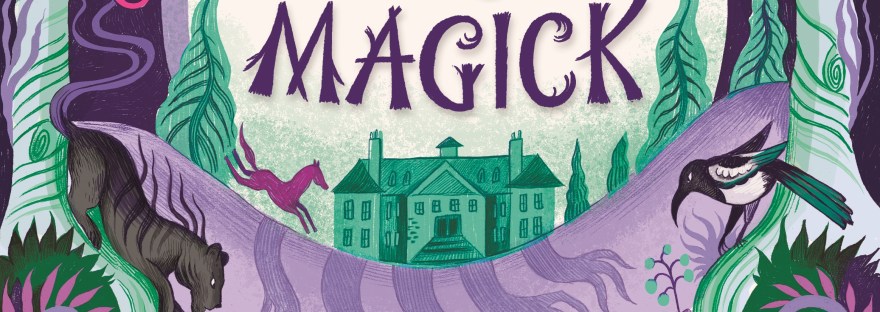
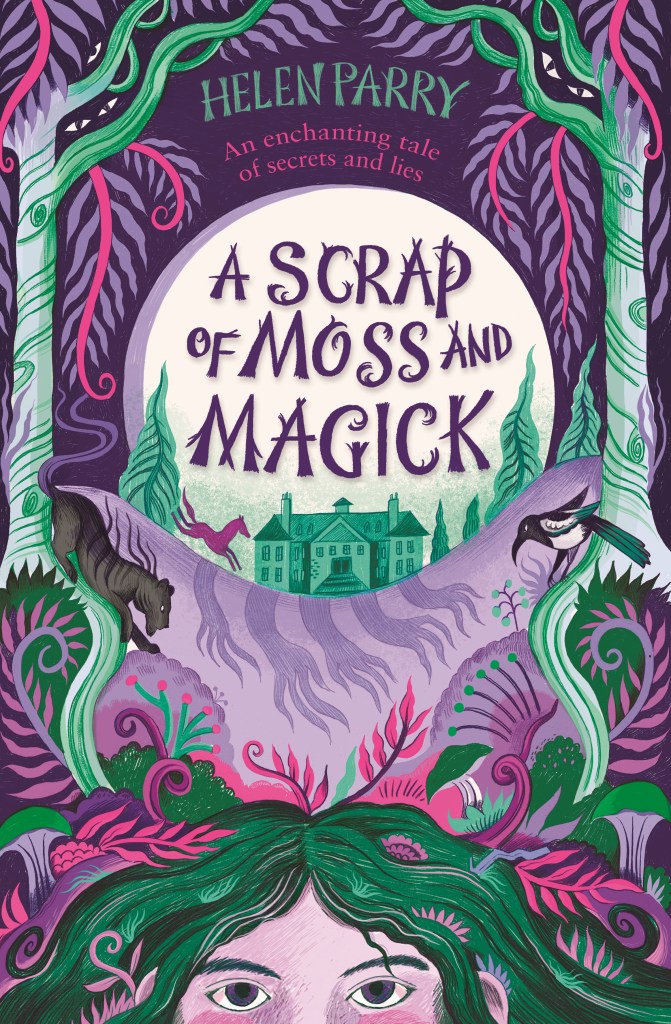
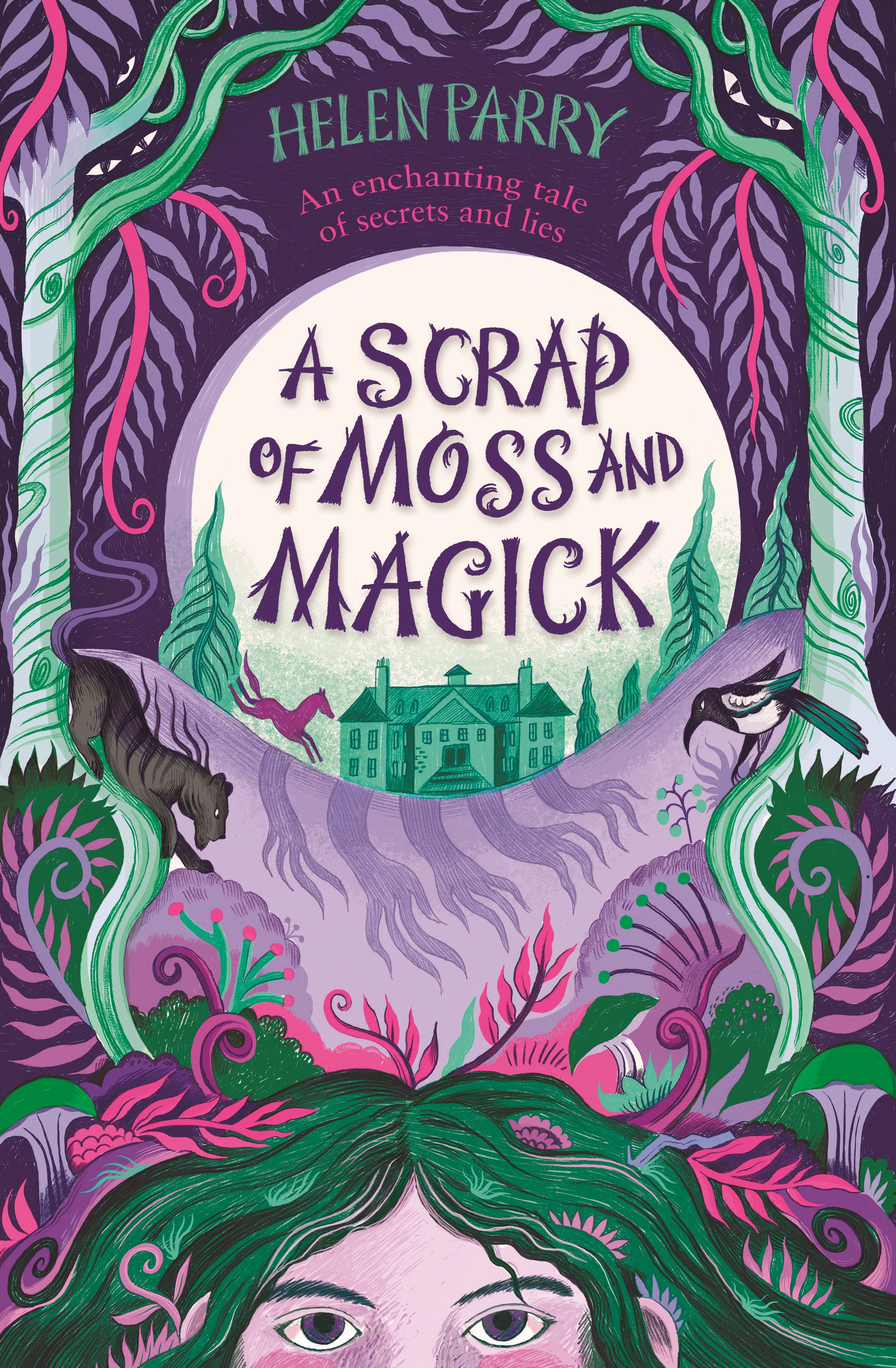
Helen Parry on her new novel, A Scrap of Moss and Magick

The nights are drawing in, the leaves are beautifully dying and Hallowe’en is creeping towards us; suddenly we’re more aware of owls hooting and creatures scuttling in the dark undergrowth, of ancient buildings and sacred places, and of the myths and legends that infuse them.

Rural landscapes, cruel old traditions and the darker side of folklore are the lifeblood of folk horror, a term first used to describe a subgenre of British films of the late 1960s and early 1970s (The Wicker Man is perhaps the most famous of these) and more recently extended to literature.

Place is very important in folk horror and it is often set in lonely stretches of countryside – woods, moors – and remote villages or houses cut off from modern life and suffused with the occult. Eerie and atmospheric, it’s derived from the Gothic novel, but in folk horror, the forests are haunted and the witches are real. You might think of fiction by M. R. James, Arthur Machen, Zoe Gilbert, Andrew Michael Hurley, Melinda Salisbury… You might think of dark fairy tales or Scottish border ballads steeped in blood and ghosts.

The story is firmly rooted in fairy and folk tale. And there is magick – plenty of it – and a monster.

I would not call my children’s novel, A Scrap of Moss and Magick, folk horror exactly, although it has elements of it: an isolated country house, a land where the creatures of folklore are very real and hungry – when dusk comes, you should wear a necklace of rowan berries or turn your gloves inside out for protection from things that lurk in the darkness. The story is firmly rooted in fairy and folk tale. And there is magick – plenty of it – and a monster.

But while folk horror proper seeks to disturb and disorientate, to question humanity’s place in an uncanny, implacable world, I wanted to celebrate the beauty of nature and create a land which readers might find an exciting place to inhabit but which demanded they treat with respect. A land where trolls and mere-maidens, Black Shuck and Jenny Greenteeth, imps and redcaps and brownies, all exist. Almost Narnia – but sinister. Feed the troll but watch your step.

I spent a lot of time with Katharine Briggs’s Abbey Lubbers, Banshees & Boggarts: A Who’s Who of Fairies, a dictionary of folklore from Britain and Ireland, full of horrors. The Watkins Book of English Folktales by Neil Philip is packed with traditional stories, some humorous, others distinctly unsettling. These showed me another Britain, with the supernatural leaking through its seams, and this Britain is where A Scrap of Moss and Magick takes place.

Magical creatures, shape-shifting, books of spells, a strange old house…

But my starting point was actually: ‘What if there was a book like The Wolves of Willoughby Chase but with magic?’ (Because ever since I wept with terror when the wolf leaps at Sylvia through the train window, I have loved that book and all of Joan Aiken’s work.) And then I wrote down all the things I should like to read about in such a book: some brave but vulnerable heroines, magical creatures, shapeshifting, books of spells, a strange old house…

So I combined folk horror with the traditions of Gothic, particularly the amazing Uncle Silas by Sheridan Le Fanu, and also with traditional and historical fantasy. Not just the tour de force that is Jonathan Strange & Mr Norrell by Susanna Clarke, but also books by the writers of my youth: Susan Cooper, Alan Garner, John Gordon, Diana Wynne Jones; the modern fantasies of Frances Hardinge, Lucy Strange, Philippa Leathley; and historical fantasies by Nazneen Ahmed Pathak, Gita Ralleigh and Hayley Hoskins.

These genres allow you to pass beyond the boundaries of what is possible, what is believable, into a heightened reality. Here, you have enormous scope to entertain your reader and explore even quite dark emotional terrain because of its distance from the ‘real’. And after you and your reader have played about together in your shared imaginary world, maybe you’ll both view our shared physical world with new eyes, new ideas.

Set in an alternative nineteenth-century Britain inhabited by folkloric creatures, and centred on two friends, Thirza and Cecily, in a strange old house full of magick and secrets, A Scrap of Moss and Magick thus weaves together folk horror, historical fantasy and Gothic fiction.

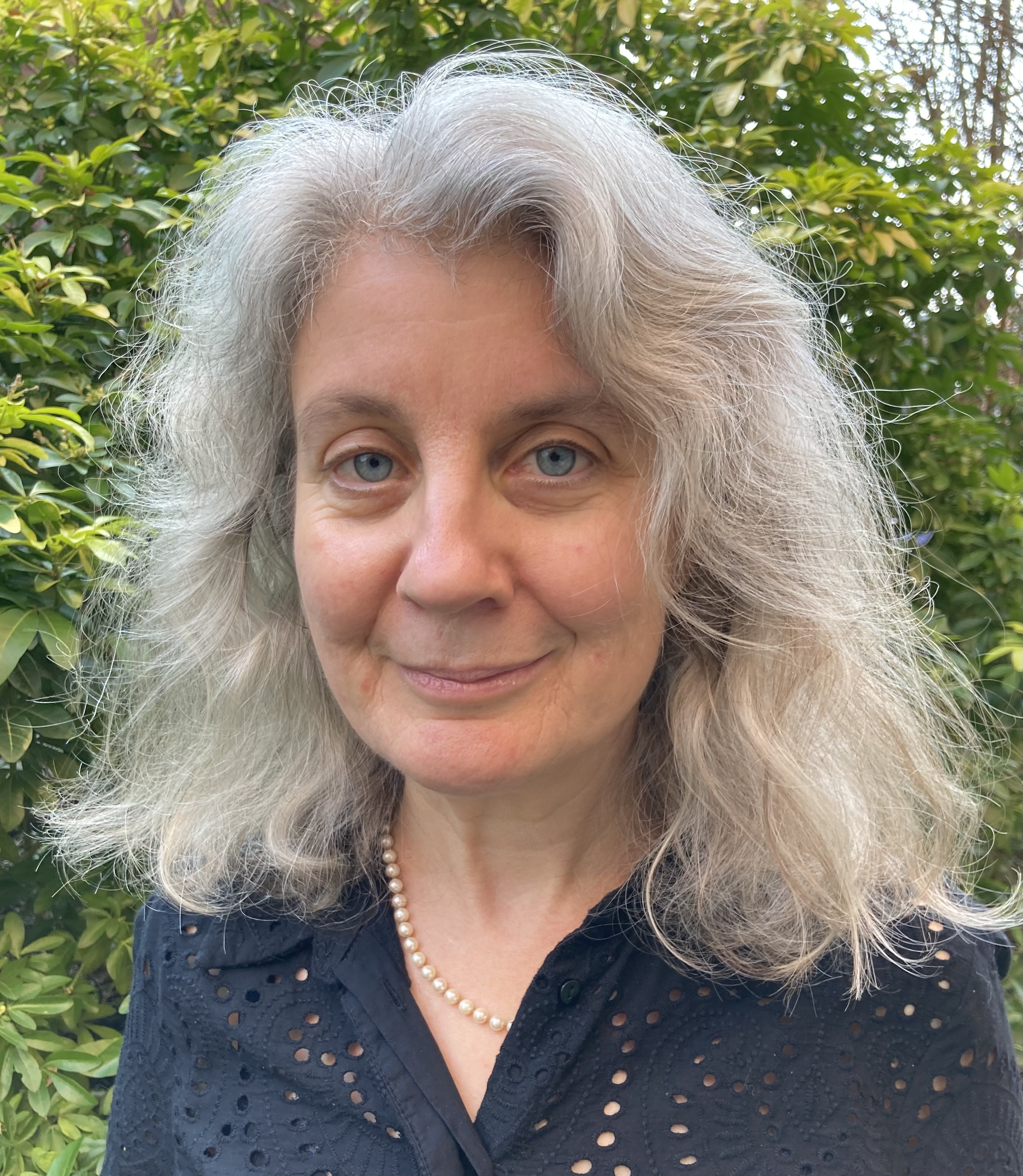
Helen Parry grew up in an old house on a hill in Ipswich, where she spent most of her time reading, searching for magic portals and casting spells that never quite worked. She studied literature at university, worked in publishing in London and lived for a couple of years in Nigeria before moving to Belgium.
She now lives there with her family, some hens and the two most spoilt cats in the universe. When she isn’t daydreaming or writing, she teaches English to adults. A Scrap of Moss & Magick is her first book.

PaperBound Magazine is an online magazine for the young, and the young at heart. We are dedicated to showcasing authors and illustrators for children’s and young adult fiction and we strive to deliver inspiring content, uplifting stories, and top tips for young and aspiring writers yet to burst on to the literary scene.

All our issues are completely free and run by volunteers, however if you would like to support PaperBound and the work we do, you can help us out by buying us a virtual book. We appreciate any support you can give us!

Don’t forget you can read with the latest issues of PaperBound Magazine – completely free – here.

article, Blog, Blog series, Bookshelf

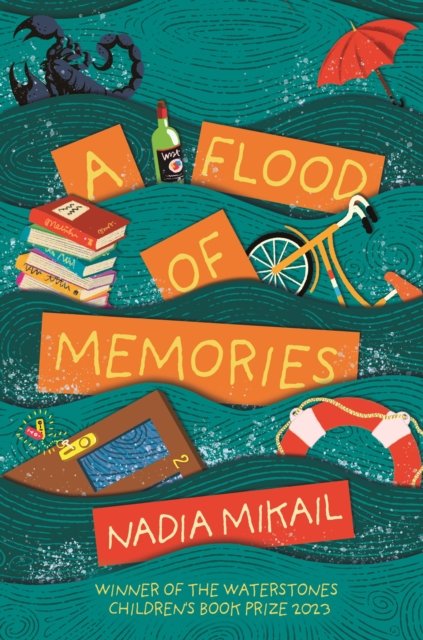
Nadia Mikail on her new YA novel, A Flood of Memories

My first book, The Cats We Meet Along the Way, contained detailed musings of a character who longed to return to her childhood home by the Sarawak river, even at the end of the world.

My second book, A Flood of Memories, contains an even more precise description of a two-storey kampung house flooding with memories and river water during monsoon season, when the river bursts its banks.

Clearly, at this point, everyone’s got a pretty good idea of my childhood home. I’m never going to get away from that house! I’m never going to really move out. Part of me is always going to be on that makeshift bench on our balcony, two planks of wood and a rusty metal frame – it was once a swing, maybe, a long time ago.

Part of me is always going to be seven and barefoot in the tall wild grass in the back, picking fruits off the branches. I write this now in London half a world away but part of me is sitting right there on the cool white tiles, scribbling complicated storylines on the walls in crayon until my grandmother comes to carry me away.

The house housed me through pain and grief; it always kept me safe from ever-reaching danger.

Every flat I rent now can’t really compare. I used to know all the sounds of that house, which floorboards creaked, which footsteps were whose. It used to smell like gorgeously tangy asam pedas or of the biscuits baking in the oven. When it smelled strongly of oil, we’d throw open the windows in the kitchen and the breeze would rush in and I’d sneak a fresh fried fish away to munch on before my cat got to it first. The house housed me through pain and grief; it always kept me safe from ever-reaching danger.

My mother grew up in it and my baby sister did too, scribbling over all of my drawings. It was my grandparents’ last home. I’d give a lot to hear my grandfather’s old radio again, to hear Tony Orlando and Dawn croon Tie a yellow ribbon round the old oak tree!

What am I writing about, really? The house, or the experience of childhood that I’m never getting back? The house, or a time when everything felt more certain? The house, or the beauty of having all my family under one roof, alive and well and loving me?

To be honest, I don’t know if I write about this house as much as I am currently in the midst of being haunted by it. It shows up in most of my stories, even though I’ve lived in many places since then. I haunt it too, in dreams and memories and in those same stories.

My experience of writing about home is ongoing and always evolving, and to those who want to do the same, I would say Good luck and Be honest, because the house will know if you aren’t being authentic in your writing of it, and your characters will suffer and your plotlines will all fall slightly flat. I very much believe readers know too: many of them remember a similar place in their childhood, one that similarly shows up in their dreams.

Young adults are especially sensitive to this: they are just coming of age and moving out and the memories still cling to them stickily, and they will simply know. That’s why it’s especially important to be truthful when writing about these places and these memories.

If helpful, for inspiration, while not necessarily about a specific house, The Raven Boys by Maggie Stiefvater is one of my favourite YA novels about the idea of home as a haunting place: the town of Henrietta very much wraps the experiences of coming of age in magic and history and friendship.

Black Water Sister, while not YA, is another remarkable fantastical tale, specifically about coming back home to Malaysia after being away for years. I always admire how some authors can make a tale about home, describe a completely different place in a whole other part of the world, and make you think I remember that.

I used to know all the sounds of that house, which floorboards creaked, which footsteps were whose.

I haven’t seen my childhood home in a long time. We don’t own it anymore. I wonder if it even looks like how I describe it over and over again in my stories. I love that it haunts me. There used to be a large tree out back overrun with fire ants, and it bore a particular unique hybridisation of two varieties of mango that was the most delicious thing I’ll ever bite into. I’ll never taste it again, which seems very fitting.

A beguiling novel which explores the fine line between care and control, between love and abuse in families, and shows that it is possible to move on to a brighter future.

It’s raining in Sarawak, Malaysia – a lot – and Leila, now living in Kuala Lumpar, must go home to help her Mak before the floods become serious. But she hasn’t been home since the death of her father – and she’s not quite ready to confront what’s waiting for her there. Life with Pak was complicated.


But Arthur is in Sarawak, the boy she’s thought about ever since they first met at school – Arthur, who offers her support, care and love, but at a cost perhaps too great for Leila. As the floodwaters rise and her family and home become threatened, can Leila confront the enormity of her own past in order to move forwards properly in her present?

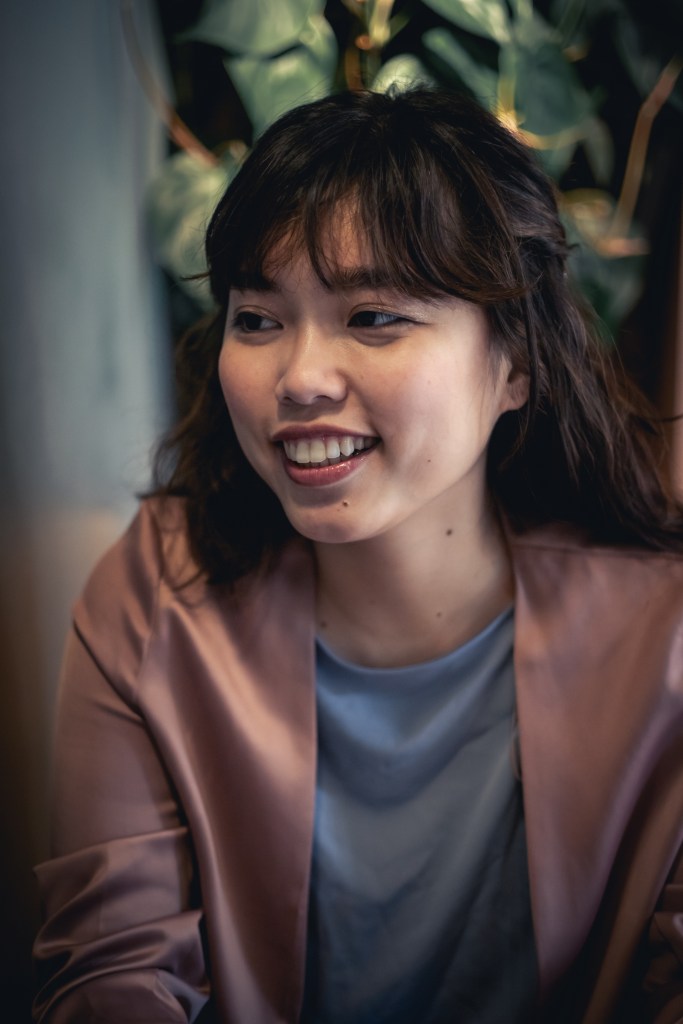
Nadia is a lawyer in London, a full-time houseplant owner and a parttime investigative journalist into what London’s pigeons are planning when they flock together like that. She is mostly unsuccessful at (but still hopeful about) both these occupations. Her first novel for young adults, The Cats We Meet Along the Way, won the Waterstones Children’s Book Prize in 2023 and was shortlisted for the Branford Boase Award and the YA Book Prize. She is from Sarawak in Malaysia, where the air is always sweeter, the food is always tastier, and the pigeons are considerably less bold.

PaperBound Magazine is an online magazine for the young, and the young at heart. We are dedicated to showcasing authors and illustrators for children’s and young adult fiction and we strive to deliver inspiring content, uplifting stories, and top tips for young and aspiring writers yet to burst on to the literary scene.

All our issues are completely free and run by volunteers, however if you would like to support PaperBound and the work we do, you can help us out by buying us a virtual book. We appreciate any support you can give us!

Don’t forget you can read with the latest issues of PaperBound Magazine – completely free – here.

article, Blog, Blog series, Bookshelf, on writing, Writing craft

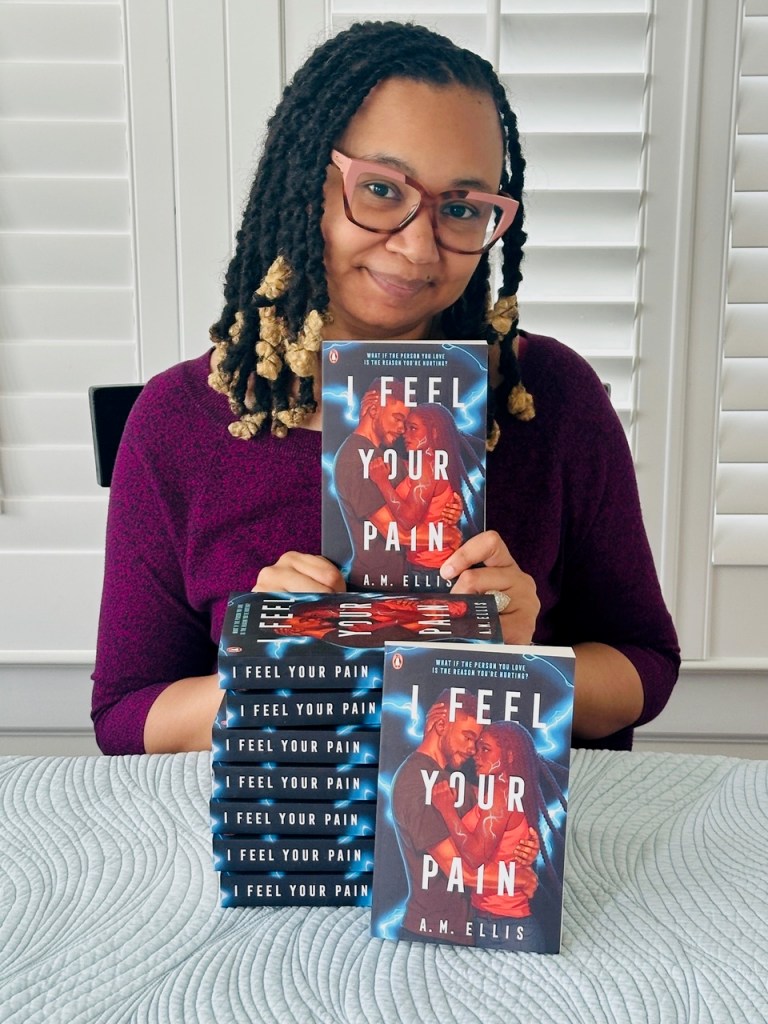
A.M. Ellis on Dystopian Literature as a Form of Conversation

By A.M. Ellis

For some, reading Parable of the Sower by Octavia Butler feels like she glimpsed our future and left a warning. Handmaid’s Tale by Margaret Atwood could be a world one law away from our own with the present-day fight for body autonomy. And the increase of protests against broken governments could bring us to a brink where one cruel tyrant can have us living in The Hunger Games by Suzanne Collins.

These are fictional worlds thankfully. But there are lessons to be taken away, conversations to be had, all with the hope that young readers learn from them and hold on tight.

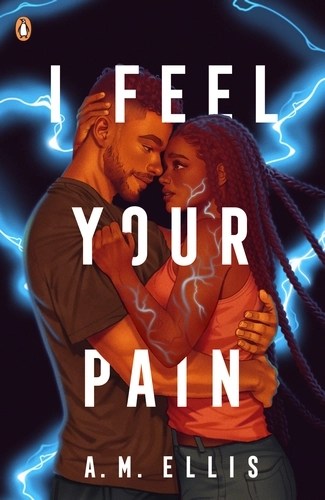
I Feel Your Pain is no different. It tackles themes still present today; classism, race, and systemic issues that dig themselves into the earth with thorny roots that twist and turn and refuse to let go. But before I dive deeper, let me set up a definition.

Systemic racism can begin as a rule or belief meant to openly oppress. Then over time as tides shift and society attempts to change and forget its roots, that rule or belief is rewritten to hide its intentions. Years pass and the original authors are gone, but this rule still exists because it serves as one function or another to a large majority. It’s part of our foundation. There’s no real need to correct it (sarcasm). It’s never truly evaluated (not sarcasm). And it comes with excuses –

Will it though?

No. But it might crumble a few billion-dollar empires.

In I Feel Your Pain, I’m opening the door to have a conversation with readers. It’s a setting so close to our own – minus a cataclysmic solar flare. That solar flare brought with it a painful disease found in the majority of white people. But don’t worry, because scientists have found a way to help the affected through the Freedom System.

With the Freedom System, those with this disease can give away their pain to Pain Carriers, individuals with high pain tolerances who barely feel the ache of it. Of course, those Freedom System scientists have the research to back it up. Those Pain Carriers just happen to be made up of a majority of Black and Brown people.

This is where the conversation begins – the topic of discussion: pain and the stereotypes around tolerances in the Black community. This conversation didn’t come from thin air or a random thought of what-if. It has roots that have refused to dry up.

Did you know that the “father of modern gynecology” achieved his success by – and I’m sugarcoating my words here – perfecting his technique on Black women in a way that ignored their pain? Those women, Lucy, Betsey, and Anarcha, were enslaved and used as variables in a science experiment, their humanity discarded.

I want everyone to know their story.

There’s a nod to them in I Feel Your Pain and I encourage you to look them up. Their survival and endurance are part of medical history. Let me repeat that one word: history. You would think that the disregard of Black pain and the belief of a mythical high tolerance ended here, but it doesn’t.

There are studies within the last ten years that show there are still non-Black medical professionals who believe there is a difference in how various races experience pain. You can find evidence of these beliefs when looking at labor and delivery mortality rates; Black mothers’ accounts of pain being ignored to the point of severe and fatal consequence.

I’ve heard too many accounts of Black voices ignored in the doctor’s office, and have personally experienced it. It left me in shock. It’s 2026. What Lucy, Betsey, and Anarcha endured – that was the 1840s.

The past shows us where these harmful stereotypes began and how they festered, the excuses that continue to be made. So when I wrote of a world with a painful disease and a society believing there are people and communities that can carry that pain with ease – there’s a history behind it. A history and a present I don’t want to see repeated in the next generation’s future.

These are the types of heavy topics dystopian literature allows authors to approach and address within the safe space of fiction. Readers can engage and draw parallels, open their eyes to things that should never happen, never be possible or believed.

Black people don’t have higher pain tolerances. The myth of thicker skin is, at most, likely rooted in a survival tactic required to navigate spaces built against a community that has done nothing to deserve this stereotype other than thrive against the odds. A quick nod to this – the Harlem Renaissance and the Great Depression happened at the same time. We feel, we hurt, we’re human. I need everyone to know and believe the truth.

So let’s have a conversation, and let dystopian literature once again do its thing. I can only hope for readers to take away the lessons to be learned, and hold onto them for as long as they can.

.


They were never meant to share a future – only the pain that connects them. 

 
Ever since a cataclysmic solar flare struck 150 years ago, Helical Disease has plagued the city of Alta Bay. Those infected endure excruciating pain and a blue light that crackles beneath their skin. There is no cure.

However, Dominion Pharmaceuticals has created a revolutionary treatment that transfers the disease to people with unusually high pain thresholds. These Pain Carriers feel little to no pain, and they’re paid generously for their sacrifice.

Nova Williams is too focused on surviving to question the system. Castor Fox, heir to the Dominion empire, is proud of his family’s legacy.

When a chance road accident throws them together, the pair form an unlikely connection. But as they begin to fall for each other, a devastating truth comes to light: Nova is Castor’s Pain Carrier.

As darker secrets about the procedure emerge, Nova and Castor must decide whether to accept a broken world . . . or risk everything to change it.

A.M. Ellis is a speculative fiction author and lover of everything steeped in myth and mystery. Her stories often lean into diverse voices, not only in her identity as a Black woman, but in exploring neurodivergence and mental health. A proud introvert and nostalgic gamer, she lives in Maryland, USA, with her husband and three children.

PaperBound Magazine is an online magazine for the young, and the young at heart. We are dedicated to showcasing authors and illustrators for children’s and young adult fiction and we strive to deliver inspiring content, uplifting stories, and top tips for young and aspiring writers yet to burst on to the literary scene.

All our issues are completely free and run by volunteers, however if you would like to support PaperBound and the work we do, you can help us out by buying us a virtual book. We appreciate any support you can give us!

Don’t forget you can read with the latest issues of PaperBound Magazine – completely free – here.

article, Blog, Blog series, Bookshelf, on writing, Writing craft

The Art of Questioning by Camille Chong

I wanted to question what superheroes would look like in my ordinary life.

When we question why some stories are so exciting, we can similarly extract its strengths and apply it to a different genre to create something new.

.


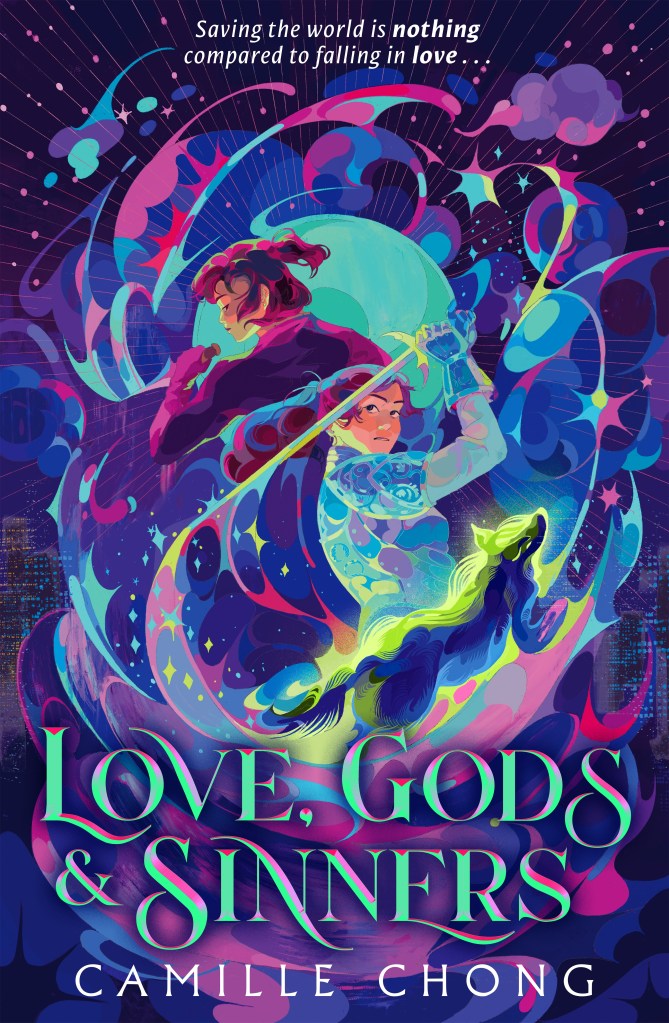
Harper and Tia are roommates, and interns at the same tech company. They clash, they fight, they flirt. And, under cover of night, the two of them adopt secret identities and head out on missions across the city for their respective magical clans. Tia is the beautiful descendant of the Moon Goddess, and Harper is secretly Raven, the leader-in-waiting of the feared and villainous Foxes.
When each is tasked by their clan to kill the other, a deceitful game of cat-and-mouse begins. And Harper and Tia will start to understand that the concepts of right and wrong can be just as complicated – and dangerous – as falling in love.

Camille Chong is a Singapore-raised writer of queer Asian stories. When not reading and writing fantasy rom-coms, she’s watching B-grade movies, making a mess of her kitchen or battling demons at her local bouldering wall. Love, Gods and Sinners is her debut novel and a love letter to Asian daughters and fans of punchy rom-coms and secret identity shenanigans. She works on her novels while pursuing a Law degree at University College London.

PaperBound Magazine is an online magazine for the young, and the young at heart. We are dedicated to showcasing authors and illustrators for children’s and young adult fiction and we strive to deliver inspiring content, uplifting stories, and top tips for young and aspiring writers yet to burst on to the literary scene.

All our issues are completely free and run by volunteers, however if you would like to support PaperBound and the work we do, you can help us out by buying us a virtual book. We appreciate any support you can give us!

Don’t forget you can read with the latest issues of PaperBound Magazine – completely free – here.

article, Blog, Blog series, Bookshelf, on writing, Writing craft

Andy Darcy Theo on Top Five YA Books for Mental Health Awareness Week

My debut YA fantasy, The Light That Blinds Us, is a deeply personal story that seeks to authentically and poignantly represent mental health with care and consideration. It pulls on some of the most loved tropes in fantasy, such as the found-family trope, slow-burn romance, and the hero’s journey, while exploring the condition of psychosis, as shown through the main character, Alexis Michaels.

This was inspired by my own family history and also by my time working as a clinical psychology assistant, where I worked closely with patients with schizophrenia, personality disorders, and bipolar, amongst others. Working intimately with patients provided me with a critical insight to help develop my story and write Alexis in a nuanced and powerful way, closely reflecting the real experiences of real people.

Of the utmost importance in my books is to portray Alexis as a whole and complete person, where his mental health doesn’t define him, but neither is this aspect of his character ignored or dismissed either.  

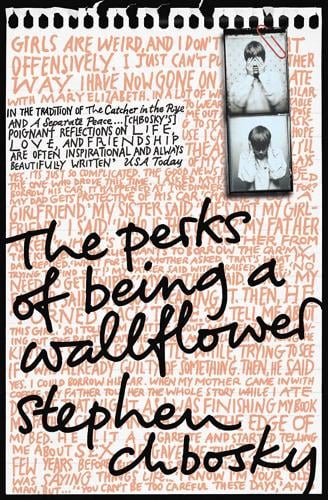
The Perks of Being A Wallflower by Stephen Chbosky 

A comfort read of mine when I was a teenager and also now as a 27 year old. Charlie’s story handles complex-PTSD with care, delicacy and love. This coming-of-age tale feels like a warm hug and a reminder that you are more than what happened to you. It’s also one of the first times where I’ve seen mental health considered in detail in young men which is extremely important in helping to reduce the stigma that boys must be stoic and that to feel is something to be ashamed of.    

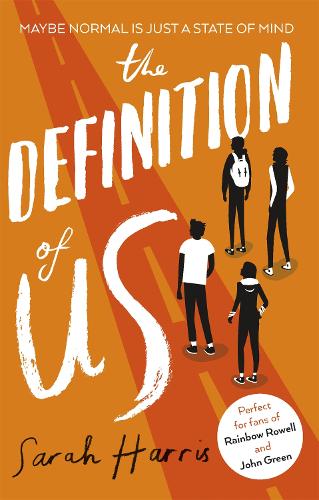
The Definition of Us by Sarah Harris  

A criminally underrated gem that deserves so much more hype. Various mental health conditions are explored in a nuanced way between the four main characters who are a mission to find their missing therapist. The story is an uplifting, heartwarming story of self-acceptance, which I think is really refreshing in the YA book space.  

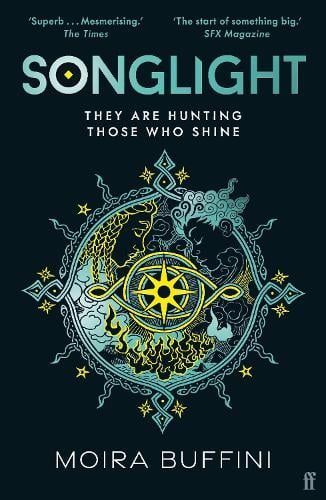
Songlight by Moira Buffini 

Buffini does an incredible job at intertwining raw human emotion with mental health exploration, while allowing the magical and page-turning plot to take centre stage. This is a great read for those who want to read a complex, action-packed novel with mental health representation carefully threaded through.  

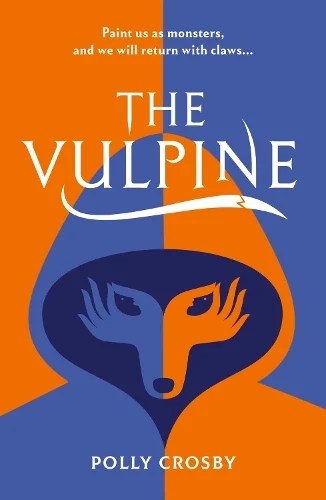
The Vulpine by Polly Crosby 

A beautiful, dystopian story that features not just mental health representation, but explores society’s stigma and mistreatment of a range of disabilities. We go on an internal and external journey with this one and its message has stuck with me long after finishing the book.  

Legendborn by Tracy Deonn 

For a long time, I struggled to find a YA book that explored grief in a way that was adequately heart-breaking yet also tender. Bree’s journey with her grief was the most poignant element of this Arthurian fantasy tale and has me coming back to see how she gets on in each instalment in the series.  

.


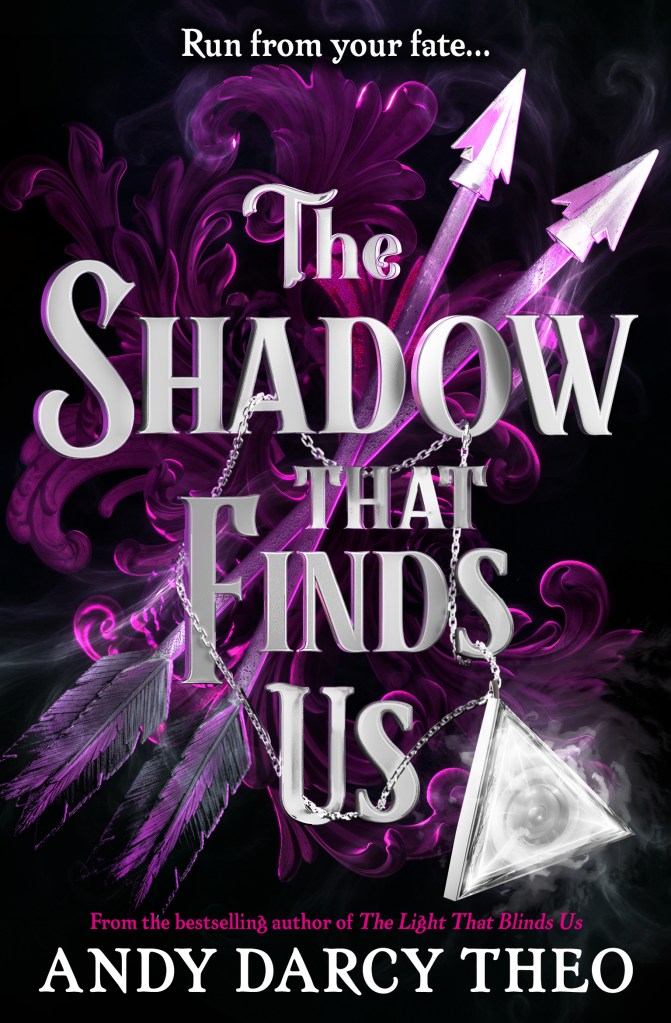
Alexis, Blaise, Caeli and Demi return to the Haven, carrying scars both on the surface and beneath. Shadows whisper to Alexis, destabilising his grasp on reality as he works to reveal his parents’ secret, while his friends wrestle with fractured trust and forbidden feelings. As the autumn equinox approaches, distrust mounts, forcing them to confront the true nature of their destiny, before it’s too late and they are lost to the shadows forever.

Andy Darcy Theo is the author of the bestselling TikTok sensation, The Light That Blinds Us, the first epic YA romantasy book in the Descent into Darkness series.
He is a British Greek Cypriot with an educational and occupational background in clinical psychology and teaching. When he is not teaching, learning, or reading, he is developing his compulsive, character-driven fantasy series he began writing at age thirteen.
He is also a prominent presence on BookTok and Bookstagram (where he posts as @AndyDarcyTheo) and has been documenting his author journey online and posting viral bookish content. He has millions of views and likes, which is nearly as many books as he has in his TBR pile.

PaperBound Magazine is an online magazine for the young, and the young at heart. We are dedicated to showcasing authors and illustrators for children’s and young adult fiction and we strive to deliver inspiring content, uplifting stories, and top tips for young and aspiring writers yet to burst on to the literary scene.

All our issues are completely free and run by volunteers, however if you would like to support PaperBound and the work we do, you can help us out by buying us a virtual book. We appreciate any support you can give us!

Don’t forget you can read with the latest issues of PaperBound Magazine – completely free – here.

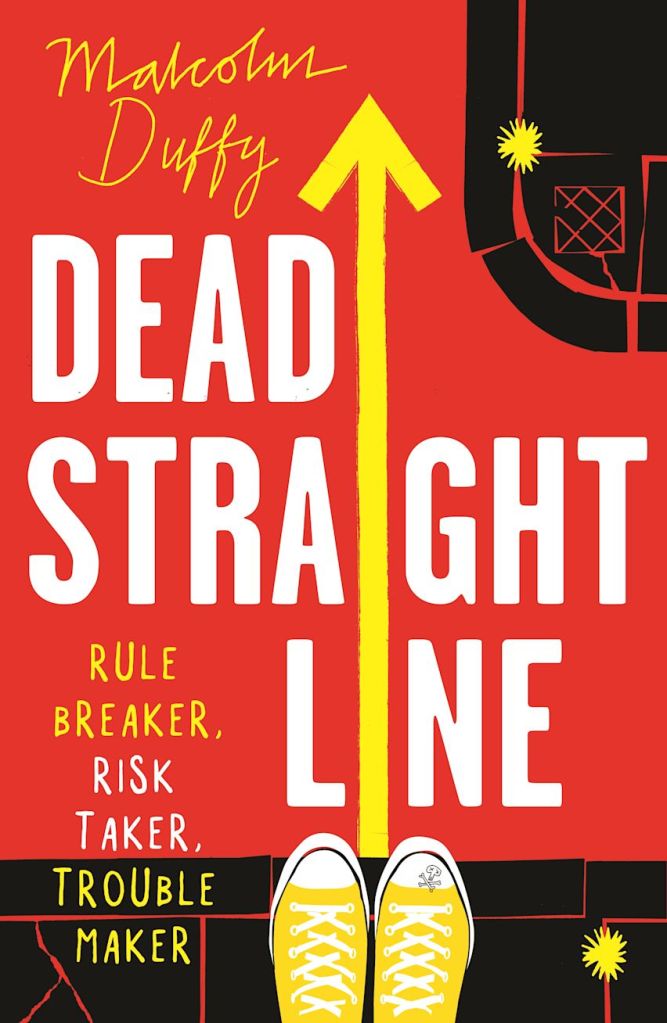
Dead Straight Line book cover, by Malcolm Duffy
article, Blog, Blog series, Bookshelf, on writing, Writing craft

Malcolm Duffy on Dead Straight Line: The Story Behind the Story

Dead Straight Line book cover by author Malcolm Duffy

My stories are fiction, but they’re all rooted in fact. I like to base them on things that happen in the real world, like domestic abuse (Me Mam. Me Dad. Me), homelessness (Sofa Surfer) dyslexia (Read Between the Lies) and the Ukraine war (Seven Million Sunflowers). I decided to write my latest book about something we all do – take risks. Unlike my other stories, the inspiration came from someone very close to home – me. I turned the clock back to when I was a teenager and thought about my own risky behaviour.

Like a lot of young men, I was a risk taker. Not, incredibly scary stuff, like climbing Mount Everest or swimming with great white sharks, but stupid things, that didn’t seem dangerous at the time. The idea for Dead Straight Line came from a game I played as a teenager. I’ll never forget the queasy feeling in my stomach when my friend, Andrew, said we were going to head back to his house, not by following paths or roads, but in a dead straight line.

We ran through front and back gardens, climbed over fences and dived over hedges. It was exhilarating, scary and, looking back on it, quite stupid. Luckily neither of us got hurt.

The idea for Dead Straight Line came from a game I played as a teenager.

Another time I took a risk, things didn’t play out so well. In my early twenties I got into a car with some friends. We’d all been drinking. I didn’t put on my seatbelt. My friend who was driving crashed into a parked car, and I went through the windscreen.

I had cuts on my eyes, and over a hundred stitches in my head. I was off work for three months. My forehead is still numb to this day. Thankfully no-one was killed, but I still bear the scars from what happened on that sunny day in Newcastle all those years ago.

It seems I’m not alone in my risk-taking. Studies have shown young men are far more likely to indulge in risky behaviour than young women across all areas – driving, drinking, drugs, gambling. But I didn’t simply want to focus on risk, I wanted to look at what happens next, and what it means for a young guy like Rory who takes a risk and then has to deal with the fall-out when an innocent game takes a terrible turn.

Because when a bad thing happens, it doesn’t just affect one person, there’s a ripple effect. Rory’s actions impact his family, his girlfriend, his mates, his teachers. Who will support him? Who will hate him? Who will seek revenge? These questions are at the heart of the story.

As I know from my car accident, things can go horribly wrong in a split second. And this is what happens to Rory’s reluctant game player, Eliot, paralysed after a fall while taking part in the game. Eliot’s story was born from the experiences of my own family, helping our mum, who was confined to a wheelchair for the last few years of her life.

For someone who’d been incredibly active she found herself needing a wheelchair to get around. It came as both a shock and an eye-opener to our family, as the simplest things proved to be an obstacle. But, like Eliot, she showed how positivity can shine through, even in the most difficult circumstances.

The story isn’t only about risk, it’s about trust, something that can be so hard to gain, yet so easy to lose. As a result of what he’s done, Rory loses the trust of his close family and friends. Both he and Eliot suffer in different ways and need to rebuild their lives.

They discover that life is never a dead straight line.

.

Dead Straight Line book cover, by Malcolm Duffy

Sixteen-year-old Rory is a rule-breaker, a risk taker, a maverick. As a kick he comes up with a game called Dead Straight Line. The idea is simple – wherever you happen to be, you’ve got to get home in a dead straight line. Across the back gardens of stranger’s houses, locked parks, trespassing on private property – whatever it takes.
One day, Rory pressures his friend Eliot into playing, resulting in a serious accident. Shunned by friends and facing pressure from his furious parents, Rory becomes even more angry and disruptive. When his school suggests helping out a care home, he’s unimpressed. But paired up with Tanker, an eighty-year-old Geordie military veteran, who fought in the Falklands War, things slowly begin to change.
From seeking thrills to finding friends, choosing the right path in life is never a dead straight line. But there is always a way.

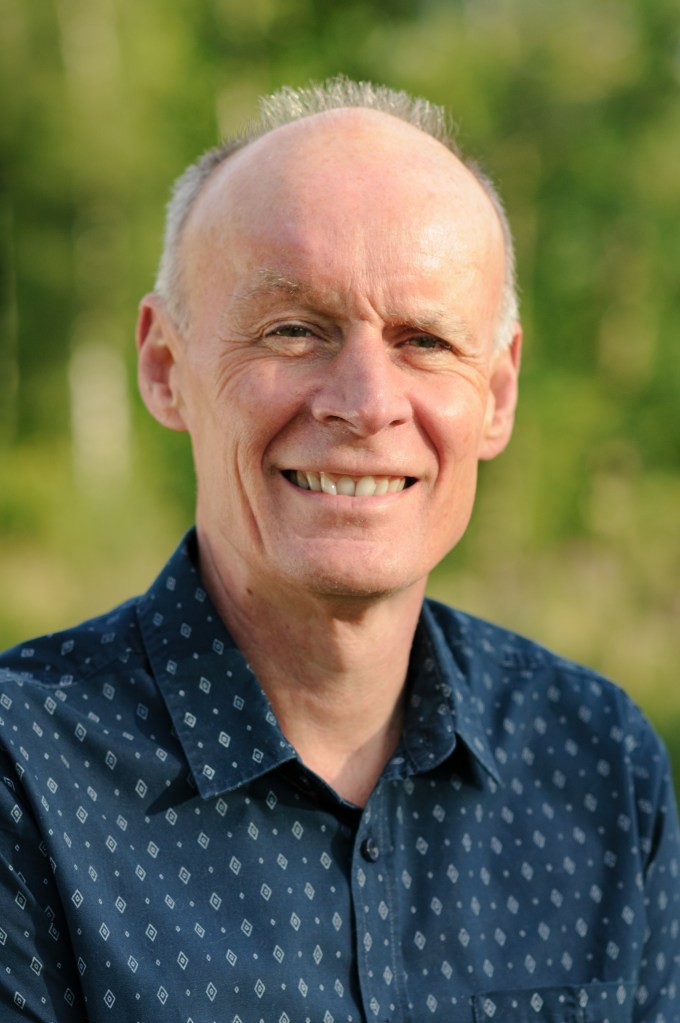
Malcolm was born and bred in Newcastle upon Tyne and now lives in Surrey. After a typical Geordie childhood, his parents moved south and deposited him in South East England. Having acquired a Law degree at Warwick University he worked his way through a host of London advertising agencies, picking up numerous awards for copy, press, TV and radio.
Having left ad-land he worked as Creative Director of Comic Relief, creating campaigns for Red Nose Day and Sport Relief. It was at Comic Relief that he was inspired to swap copywriting for writing and wrote his first novel, Me Mam. Me Dad. Me. His books have all been issue based, with much of the information gleaned from his work for different charities – Comic Relief (domestic violence), Shelter (homelessness), Nessy (dyslexia) and Combat Stress (PTSD).
His debut, Me Mam. Me Dad. Me. was shortlisted for the Waterstones Children’s Book Prize, and alongside Sofa Surfer, Read Between the Lies, and Seven Million Sunflowers has won and been shortlisted for multiple regional awards. All four of his books have been Sunday Times Children’s Books of the Week.

He’s supported in his efforts by his New Zealand wife Jann, and daughters Tallulah and Tabitha, who, under the threat of withholding pocket money, seem to like what he writes.

PaperBound Magazine is an online magazine for the young, and the young at heart. We are dedicated to showcasing authors and illustrators for children’s and young adult fiction and we strive to deliver inspiring content, uplifting stories, and top tips for young and aspiring writers yet to burst on to the literary scene.

All our issues are completely free and run by volunteers, however if you would like to support PaperBound and the work we do, you can help us out by buying us a virtual book. We appreciate any support you can give us!

Don’t forget you can read with the latest issues of PaperBound Magazine – completely free – here.

article, Blog, Blog series, Bookshelf, on writing, Writing craft

Grey is the New Black: Helen Price on Morally Grey Villains

I love an antagonist.

I mean, who doesn’t love a baddie?

But I like their hearts grey, not black. I want them conflicted, not cackling in the shadows, twirling their moustaches or plotting world domination just because they can. I’m far more drawn to antagonists who genuinely believe they’re doing the right thing, rather than those who hurt people simply because they enjoy it. Why? Because they’re more interesting. They’re layered. And most importantly, they feel real.

I like their hearts grey, not black.

YA readers are brilliant at spotting flat, two-dimensional villains. They’re far more perceptive, morally aware and emotionally intelligent than we give them credit for. If someone is evil purely for the sake of it, it feels false. Teen readers are complicated human beings. They’re living through, or more accurately surviving, their formative years. They’re already living in the grey. They’re questioning rules, challenging authority, working out who and what to believe in. So when a story presents a villain in black and white, it simply doesn’t ring true.

We live in uncertain times and in an uncertain world unwavering conviction can feel especially powerful but also dangerous. Storytelling needs to reflect that. Teens today are constantly exposed to loud and absolute opinions, voices that leave little room for doubt and rarely acknowledge the nuances of their lived experiences. It’s no surprise, then, that they’re drawn to antagonists with motivations they can relate to. Anti-heroes who act out of love, fear, loyalty, or even faith. They might not agree with them, but they do at least understand them. And that relatability makes for more powerful and engaging storytelling.

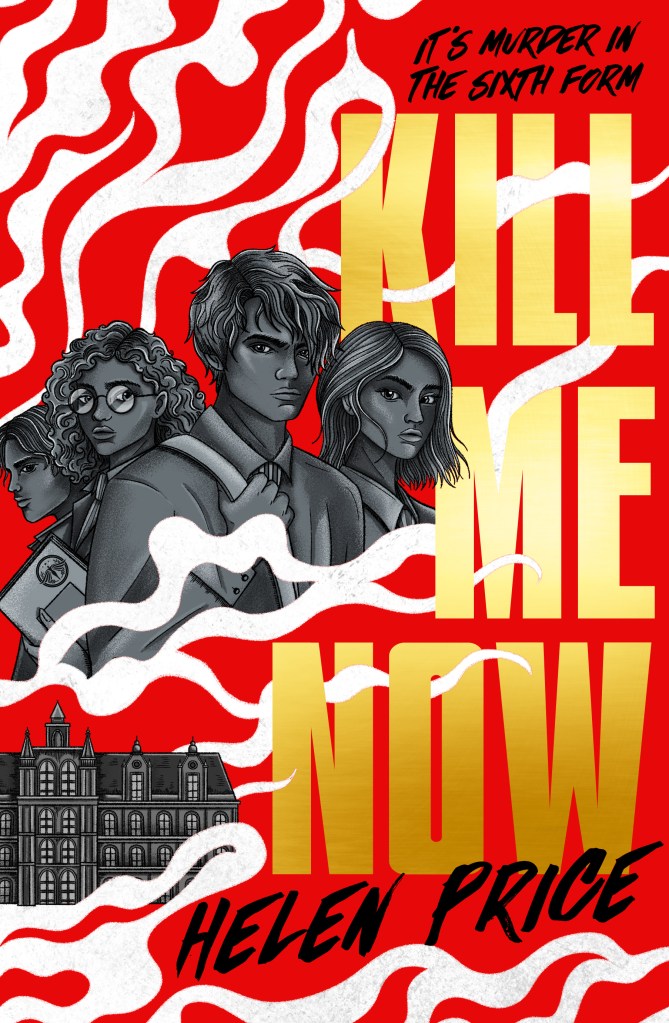
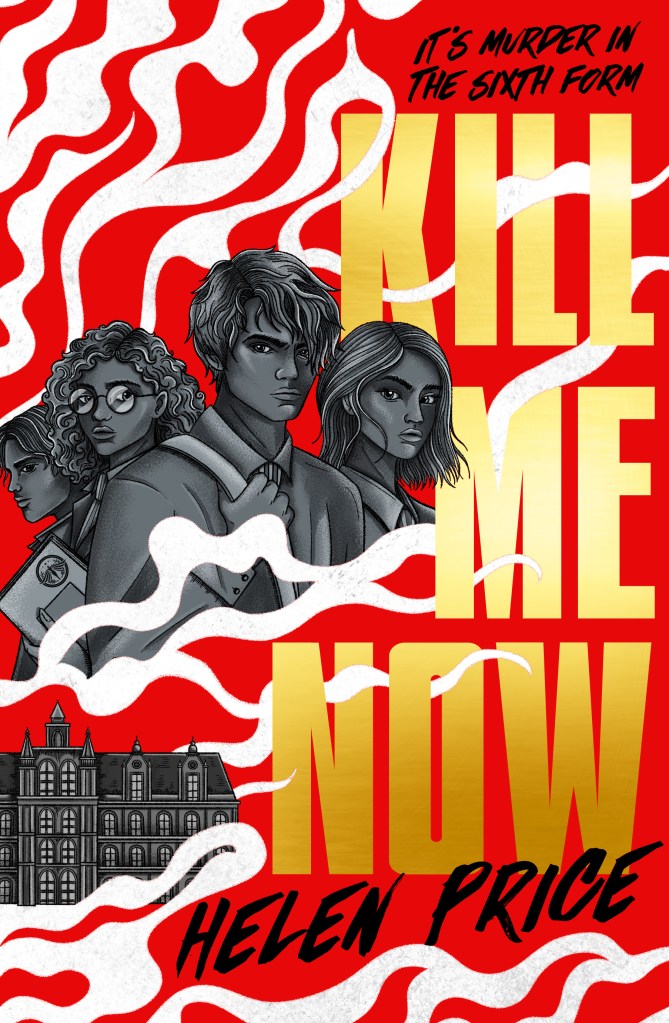
In KILL ME NOW, my antagonist believes modern teenagers have drifted off course. They see moral decline everywhere and believe souls are at stake. From their perspective, they aren’t destroying lives. They’re saving them. And for a long time, I confidently labelled them as morally grey. They have moments when they doubt themselves. Moments when they wrestle with whether they’re right and what they’re doing is moral. But ultimately, they believe the end justifies the means. And they keep on killing.

At some point, all antagonists believe they’re justified in their actions. History is full of people who’ve convinced themselves that harm and destruction are necessary to achieve their aim. So, why should fiction be any different? But just believing they’re right doesn’t make them grey.

“Seven lives is a small price to pay for the greater good.”

When my antagonist says these words, it’s not madness talking. It’s complete and utter conviction.

Morally grey antagonists work particularly well in YA because teen readers are sensitive to authority figures who claim to know what’s best for them. They recognise control when they see it. So when my antagonist insists they’re enforcing morality to ‘save’ their generation, I hope it strikes a chord with teen readers and even hits a nerve.

When we describe something as grey, we usually mean it’s unclear and that the lines around it are blurred. But in fiction, that greyness can feel strangely solid. Readers may not agree with the antagonist, and they certainly don’t have to side with them, but they can understand the reasoning behind their actions. They can see how someone might have ended up there and what drove them to commit such heinous acts. And if readers do that, then the greyness has worked. The author has created an antagonist with layers, depth, and complexity.

If you’re interested in writing a morally grey antagonist, first ask yourself: Do they ever question themself? Do they show any form of humanity or remorse to the people they hurt? Could a reader argue that they might indeed have a point? If the answer is yes, then it’s most likely that you’ve already crafted a morally-grey one. If the answer is no, but your antagonist’s logic is still structured and convincing, you may have written something slightly different: something more akin to an ideologically driven antagonist. And that isn’t a failing. In fact, in a thriller, it can be equally powerful and even more terrifying.

I went into KILL ME NOW thinking I had written a morally grey villain. What I realised instead was that I had created someone far more unsettling: someone grey in moments, but absolutely certain at their core. Certain they were right. Certain the future of humanity was at risk. Certain the actions they were taking, and the sacrifices they were making, were wholly justified. So, how do we tell the difference? Well, a morally grey antagonist questions their own morality. An ideologically driven one doesn’t.

In KILL ME NOW, I didn’t want readers to be shocked by the murders alone. I wanted them unsettled by the reasoning behind them. Sometimes the most frightening antagonists aren’t those who enjoy harming others, but those who believe it’s purely necessary. They’re not psychopaths, sociopaths, or narcissists, at least not in the conventional or clinical sense of the terms. Instead, they’re individuals so ideologically certain in an otherwise morally ambiguous world that it’s their conviction, not their cruelty, which makes them so frightening.

Our young adults today are already navigating a complicated and messy landscape. Creating characters who reflect that, who carry their own deep-rooted and complex sense of morality, can therefore spark discussions that resonate far beyond the final page.

So yes, as a thriller writer, I like morally grey characters.

Because while grey is the darkest shade of all, it’s also the truest.

.

It’s murder in the sixth form…

School golden boy Riley North is found dead. The funeral director’s son, Guy ‘Reaper’ Mortimer is accused. Determined to clear his name, Reaper teams up with spiky new girl, Samira; Riley’s loyal teammate, Bunsen; hot-headed Snake; and the ever-innocent Betty. They unravel the twisted layers of school, where secrets hide and deception is rife. But someone knows the truth and is determined to expose it – one deadly sin at a time.

Riverdale meets One of Us is Lying, KILL ME NOW is perfect for fans hunting for their next A Good Girl’s Guide to Murder obsession.

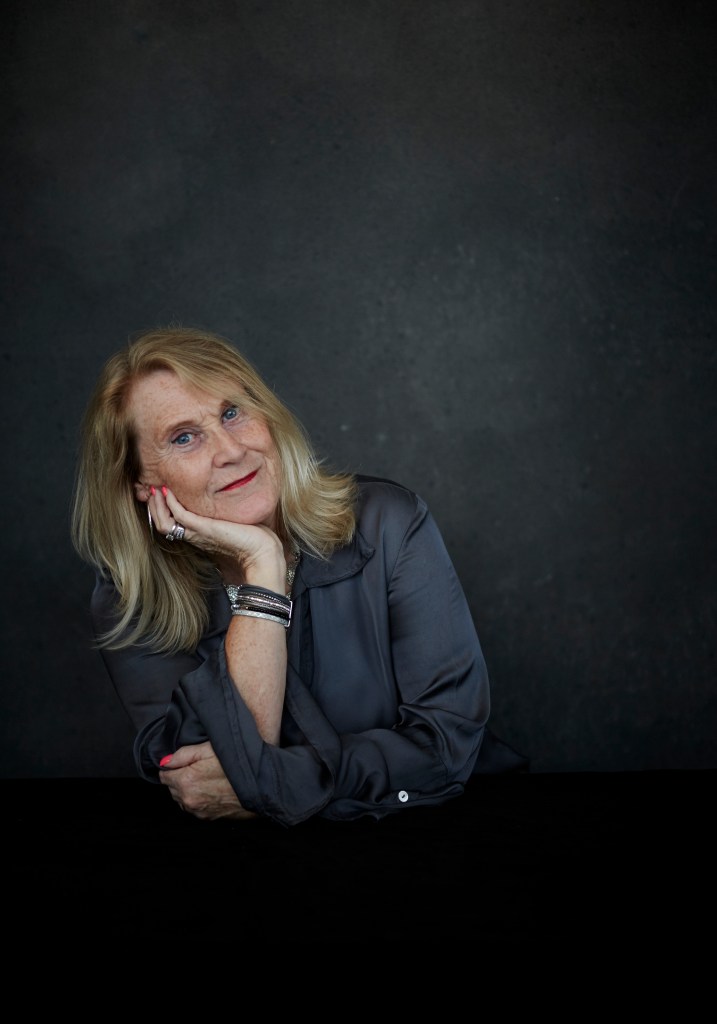
Helen Price is a young adult author of high-octane thrillers. After studying languages at university, she built a career in international HR and change management, writing mainly boring stuff like corporate speeches, handbooks, and communications, until fiction lured her in. She honed her craft by studying at The Golden Egg Academy and completed its prestigious mentorship program.
Originally from the historic city of Norwich, she now lives in a field in West Berkshire. A black belt in karate, she loves chocolate, her dog, and anything thriller-related, both on and off the page.
Follow her on Instagram @Priceywrites

PaperBound Magazine is an online magazine for the young, and the young at heart. We are dedicated to showcasing authors and illustrators for children’s and young adult fiction and we strive to deliver inspiring content, uplifting stories, and top tips for young and aspiring writers yet to burst on to the literary scene.

All our issues are completely free and run by volunteers, however if you would like to support PaperBound and the work we do, you can help us out by buying us a virtual book. We appreciate any support you can give us!

Don’t forget you can read with the latest issues of PaperBound Magazine – completely free – here.