Blog, Interviews

Interview with children’s author Lesley Parr

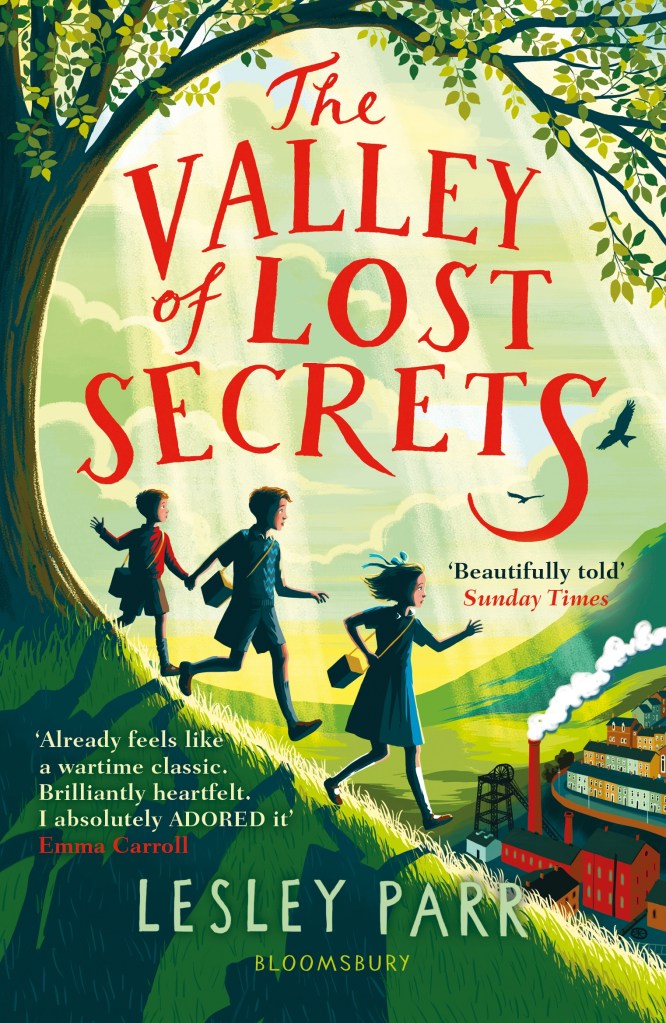
We are delighted to share our interview with children’s writer Lesley Parr, author of The Valley of Lost Secrets, on the featured content section of our website. Join us as we chat to Lesley all about her writing, inspiration for her books, and what you can expect from her next.

You can catch the full interview here in our spooky issue of PaperBound – all our issues are completely free!

Can you tell us a little about your novel, The Valley of Lost Secrets, and what inspired you to write it? 

It all came from a writing task when I studied for a Master’s Degree at Bath Spa University. We were asked to write a short historical piece. When previously researching a different story, I discovered the true account of children finding a skull in a tree. So I used that as a starting point for my own characters, setting and mystery.  

How did it feel to put yourself into the shoes of your main character, Jimmy, while writing this book, and why did you decide to set it during wartime? 

I found it surprisingly easy to write from the point of view of a 12-year-old boy! I only realised after I’d written it just how much of me is in Jimmy. His loyalty to his dad and nan, his resistance to change, his love of comics, his fear of small spaces is all me!  

Oddly, I didn’t ever see myself writing historical fiction, even though I’ve always been interested in history. This whole book came from the chance to try a new genre. Once I’d started, I knew it was a story I wanted to tell.  

Your main characters go through a lot of change and emotional challenges in this book. What was the hardest part of writing it?  

The emotional stuff isn’t what I found difficult – my writing is very character-led and how they feel and what they think pulled me through the story. It’s pace and structure I found hard. The skills of my tutors and my editor got me through that! But that’s okay – my husband calls it Writing Top Trumps…I have accepted that no one can have a 10 in every category. And it’s great because I’m learning with each new book. 

The landscape is a big part of this book and Jimmy reacts to it strongly – particularly where he’s from, and where he is evacuated to. Did you always want to use setting as a strong driving force for this novel? 

I didn’t plan to, I don’t plan much to be honest! I need to write to get a feel for all aspects of my stories. I suppose the setting was bound to come alive for me (and therefore hopefully the reader) as it’s what I know – a small, close-knit Welsh valley community. Because it’s all so alien to Jimmy I was able to show it through his eyes and take the reader there with him. In one scene, Jimmy is on the mountain with his new friend Florence (another evacuee): 

‘I love being so high,’ she says, looking out over the valley. ‘I’ve never seen anywhere as lovely as this.’  

And Jimmy says he tries to see what Florence sees. This is perhaps the first sign he’s beginning to want to be there. 

Are there any writers that have inspired you in your writing and life? 

David Almond is always an inspiration as he writes so beautifully about working-class characters in working-class settings. He was a professor on the MA for which I studied and it took me about three times of meeting him to be able to have a conversation because I was in awe! And I love books by Patrick Ness; like David, he writes with such simplicity to show real heart and grit. Emma Carroll is someone else I admire, as she proves historical fiction can be authentic to its era and feel fresh at the same time.  

If you could share one writing tip with an aspiring young writer, what would it be? 

The simplest words are usually the best. It’s easy to fall into the trap of overwriting when you’re new to it (I definitely used to). Writing in 1st-person from the point of view of a 12-year-old, I often have to simplify my language. So I tend to use a thesaurus in the opposite way to how people usually do. I think of a word and look it up to find one a child would be more likely to use. This is especially important in dialogue. Think about how people really speak! Adult characters, too! 

Sum your book up in three words:  

Friendship 

Brotherhood 

Secrets 

Can you tell us about anything else you’re working on?  

My next book is called When The War Came Home (out January 2022) is about a girl called Natty who, with her  mother, moves to  live with distant relatives. It’s set in the early 1920s when the world was still reeling from the Great War. It’s about boys who lied about their age to go to war and how Natty helps them. And it’s about how she learns to fight for something. It’s quite political. 

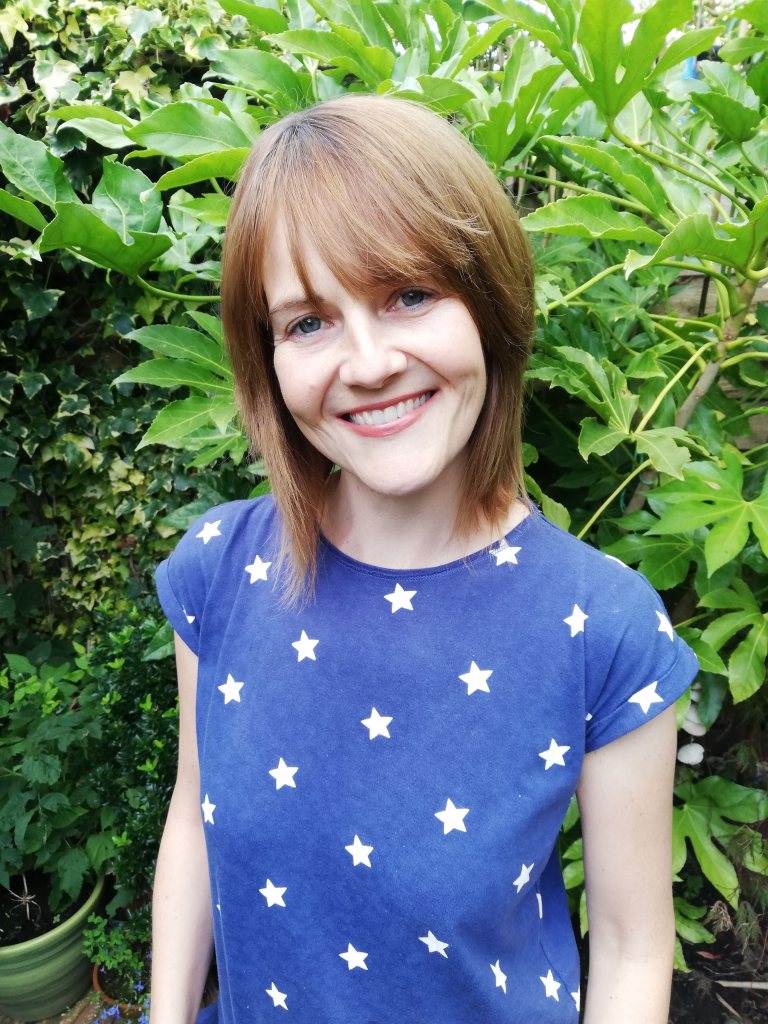
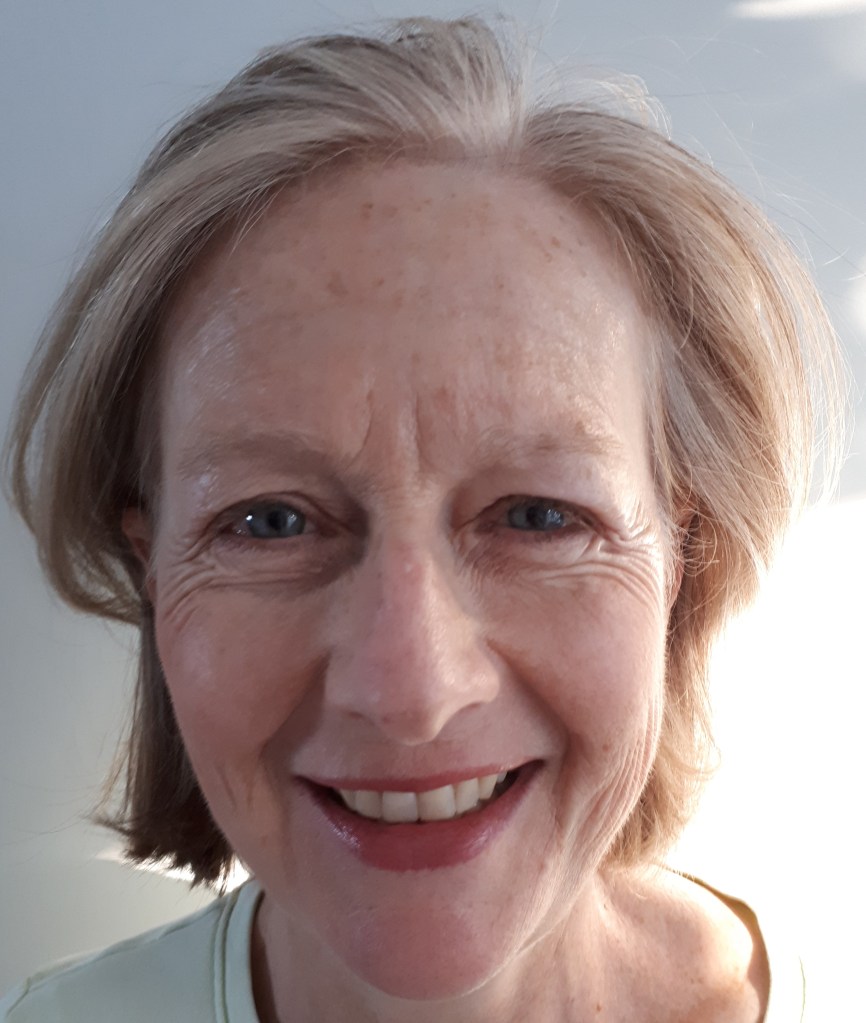
Lesley Parr grew up in South Wales, at the bottom of a valley and quite near a seaside steelworks. Now she lives in the middle of England (almost as far from the sea as it’s possible to get) with her husband and their rescue cat, Angharad.

She shares her time between writing stories, teaching at a primary school and tutoring adults. Apart from books, rugby union is her favourite thing in the world, especially if Wales is winning. Lesley graduated with distinction from Bath Spa University’s MA in Writing for Young People. The Valley of Lost Secrets is her first book.

The Valley of Lost Secrets was released in January 2021, published by Bloomsbury Children’s, and available in the UK, India, Australia and New Zealand. You can keep up to date with Lesley on Twitter, Instagram and on her website.

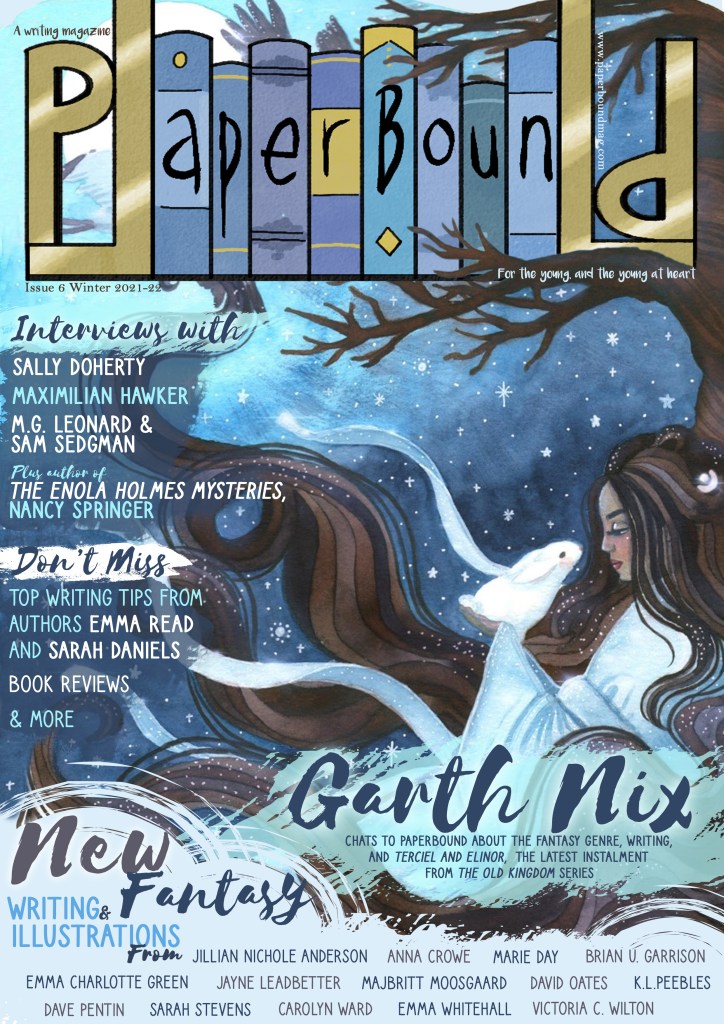
Don’t forget you can catch up with the latest issues of PaperBound Magazine here. All our issues are completely free and run by volunteers, however if you would like to support PaperBound and the work we do, you can help us out by buying us a virtual

Blog, Interviews

Interview with YA author Julia Tuffs

PaperBound caught up with YA author Julia Tuffs to chat all about her debut novel, HEXED! Join us as we discover more about Julia’s writing, her top current reads, and how she came up with the idea for HEXED.

You can catch the full interview and all other issues of PaperBound FREE here.

Can you tell us a little about your novel, Hexed

Hexed is about Jessie Jones; new girl, witch and accidental activist. Jessie’s life is turned upside down when her mum suddenly moves the family back to her home town on the Isle of Wight. All Jessie wants to do is fade into the background, coast and avoid the attention of school douchebag Callum Henderson and his toxic cronies, but when strange and uncontrollable magical powers start to manifest during her period, flying under the radar becomes impossible. Hexed is about finding your place and your power and learning to love your differences. 

Your novel deals with important and timely themes, such as sexism and toxic masculinity, and easily puts the reader in Jessie’s shoes. What inspired you to write about these issues? 

Donald Trump – amongst other things! It was really painful to watch as someone who had boasted about grabbing women’s genitals was elected president and it was a moment in time that highlighted how little society values women and women’s rights. I wanted to write something that looked at how ingrained it is in all aspects of society – our schools, our media, our courts, our government – but I wanted it to be relatable and focus on what all girls experience and are forced to navigate through on a day to day basis. 

These themes are woven into a story about witchcraft. Can you tell us how you came up with the idea to combine these two things? 

I was thinking about the recent surge in our reproductive rights being threatened and all the ways men in power try to control women and women’s bodies (Britney, how can we help?!) and that led me to the witch trials; the way women were strip searched for Devil’s marks and how anyone single or widowed could be suspected and tried. Even today, like hundreds of years ago, if women don’t fit into a prescribed box – if we dare to be angry or outspoken or stray out of our lane – we’re labelled and shamed. I found the parallel interesting (and terrifying) and I loved the idea of that which makes us different actually making us stronger – which is how the period witch idea came about – wearing a super plus but being able to magic up your dinner and punish nasty boys! 

The setting of Hexed is vividly portrayed. Did you always plan on setting it on the Isle of Wight? What was it about this setting that you were drawn to? 

I love the Isle of Wight! My husband is from the Island and we lived there for a few years when our children were small. It’s such a unique setting – beautiful in places, 1950s seaside in other places, removed from the mainland and with a population that doubles over the summer. I wanted to explore how someone would feel moving there from a big city, especially if that person was trying so desperately hard to be invisible – which is basically impossible in a small town setting where everyone knows everyone and it’s harder to escape! I also loved the idea of being on Jessie’s journey with her as she falls in love with the Island and begins to appreciate how special it is.   

Can you sum up your novel in 3 words? 

Funny, feisty, feminist. 

What’s the one thing you’d wished you’d known before becoming a writer? 

That it’s a rollercoaster of emotions and A LOT of waiting – waiting for edits, waiting for news, waiting until you’re allowed to announce news, waiting for publication day… 

What are your top reads from the last year (MG or YA), and why? 

Oooh, this is hard – there have been so many good books! For YA, I’d say The Yearbook by Holly Bourne which is in her typical style of being frank and funny whilst also dealing with serious issues and Afterlove by Tanya Byrne which is a gorgeous and heartbreaking love story.  

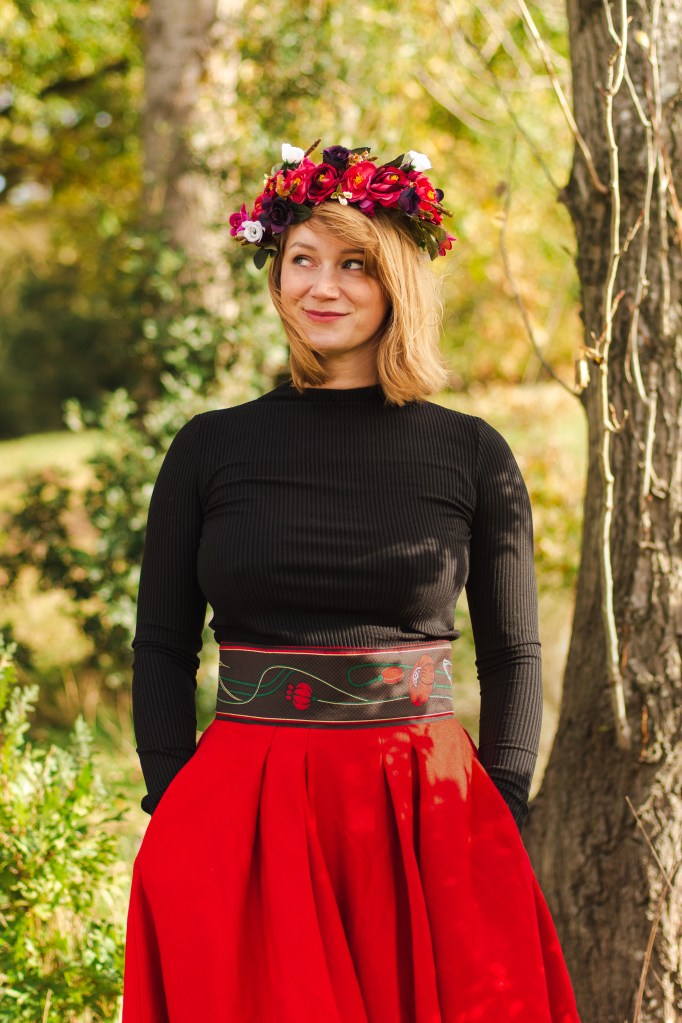
After a brief (but fun) stint working in television and as a primary school teacher, Julia decided to take her writing dreams more seriously. She lives in South-West London with her family and ragdoll cats (Billy and Nora) and spends her time writing, reading, dreaming of holidays and watching too much reality TV. She aims to write the kinds of books that shaped and inspired her as a teenager. HEXED is her debut novelYou can keep up to date with Julia on Twitter, Instagram and by visiting her website.

HEXED was released in July 2021 by Hachette. It is available NOW in the UK and Australia. 

Don’t forget you can catch up with the latest issues of PaperBound Magazine here. All our issues are completely free and run by volunteers, however if you would like to support PaperBound and the work we do, you can help us out by buying us a virtual book. 
Blog, Interviews

Interview with children’s author Joanna Nadin

We were thrilled to catch up with children’s author Joanna Nadin in the latest issue of PaperBound. Join us as we chat to her about her latest novel, No Man’s Land, and discover more about her books, characters, and writing tips.

You can read our interview with Joanna here, or in the latest issue of PaperBound Magazine on our issues page.

Can you tell us about your new novel, No Man’s Land, and a little about what inspired it? 

No Man’s Land tells the story of a new version of England – Albion, run by a far right-wing government – and two boys, ten-year-old Alan and five-year-old Sam, who, a matter of weeks away from World War 3, are secretly evacuated from Bristol (now Brigstowe) to a women’s commune on the Tamar estuary between Devon and Cornwall – the eponymous No Man’s Land. What follows is Alan’s narrative as he tries at first to get used to a wilder life, then, when his Dad doesn’t show up, resolves to escape to rescue him, Sam in tow. It was written in a state of rage on the back of Donald Trump’s increasing abuse of power, and the UK’s vote to leave the EU. Trump has, thankfully, gone. But our world still feels apocalyptian at times.  

No Man’s Land mimics our own current political climate and doesn’t shy away from a future Britain changed for the worse, not the better. It’s easy to empathise with Alan’s frustration of adults not telling him what was happening. Do you think we don’t give kids enough credit for how much they observe the world around them?  

They hear and see so much – more, sometimes, than we do – and of course they realise what’s happening. That’s why we need to talk about it – to reassure them that despite the mess of the world, there is always hope.  

There are so many interesting characters in No Man’s Land. One of our favourite characters is Dad. Do you have a favourite supporting character, and if so, why? 

Dad is a favourite of mine as well. He’s modelled on the actor Joe Gilgun (I cast all my novels, so I can see the characters move and hear them speak better), whom I’ve always found mesmerising on screen – funny and moving too. My top favourite though Ahmed, who’s only in it for a short time, but who is bold and caring, and a great friend to Alan.  

The book ends in a way that people might not expect. Did you plan for it to end this way (without spoilers)?  

I did. I don’t start writing a book without knowing exactly where it will end up, so I’d plotted out the final chapter before I’d started the first. I knew I wanted it to be realistic, as opposed to a classic happy ending, but offer hope as well.  

How do you hope readers will respond to No Man’s Land

I hope readers will recognise some of what’s going on in the world around us at the moment, and where we could end up if we don’t make some changes. Most importantly, I hope they’ll find some courage within themselves to realise they can help make that change. No one hero or heroine is ever going to save the world – too many books tell us that. In No Man’s Land, as in real life, only by working together can we change things.  

Can you sum up your book in three words?  

Funny. Scary. Moving.  

Along with being an author, you also teach creative writing. Do you feel your writing has improved/ developed through teaching? What would be your biggest tip for any aspiring young writers out there? 

Of course. I learn so much from working with other, often hugely talented, writers, many of whom have gone on to be published. In fact, No Man’s Land was partially inspired after a class working on voice in middle-grade novels. My biggest tip is: read. If you read enough, you begin to absorb how story works. You’d be amazed at how many students think they can get away with not reading. It’s like a violinist imagining they can learn to play without ever listening to anyone else. On which note, practise as well. Writing is no different to violin here either, or sport. The more you do it, the better you get at it, so write every day, even if it’s a diary, even if it’s only a paragraph. Slowly it will become more of a muscle memory and you’ll find the right words leaping to your fingertips all of a sudden.  

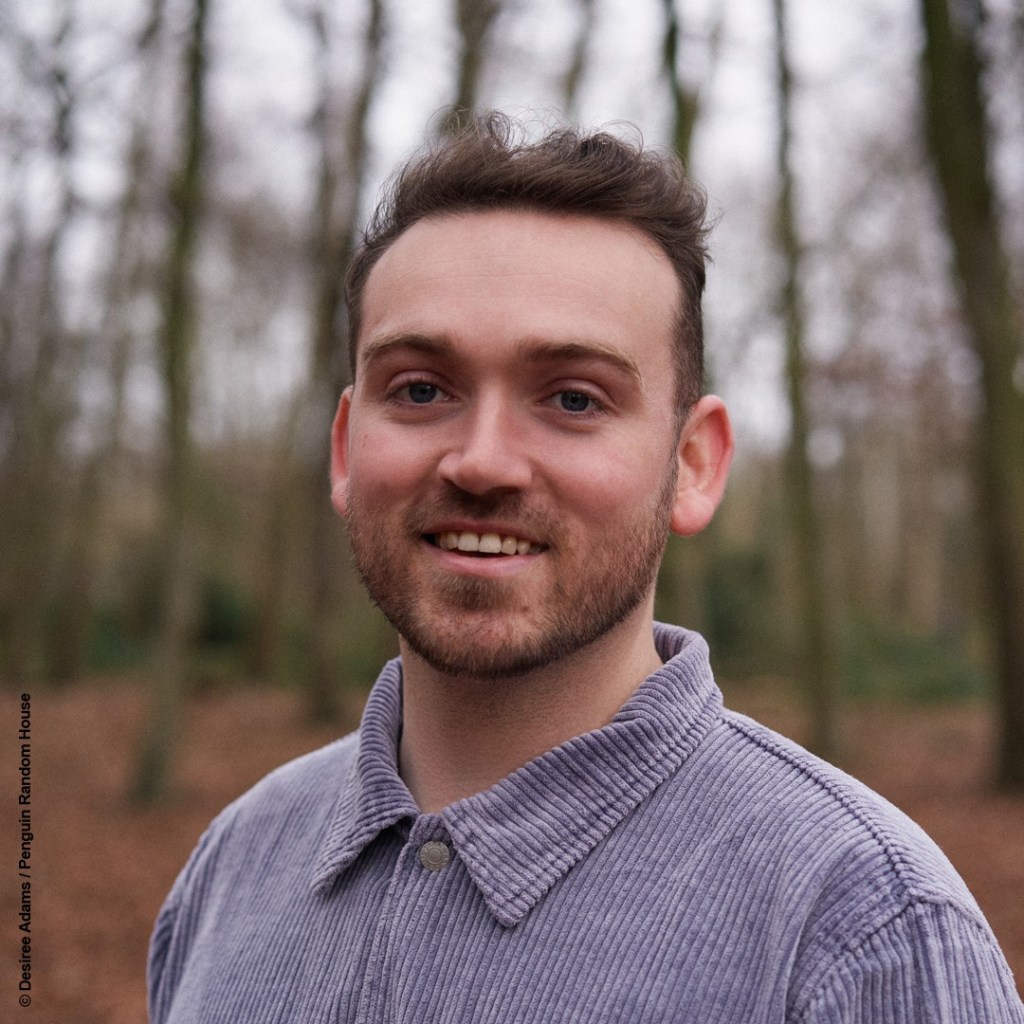
 Joanna Nadin is the author of more than eighty books for children, teenagers and adults, including the bestselling Flying Fergus series with Sir Chris Hoy, the award-winning Worst Class in the World series, and the acclaimed YA novel Joe All Alone, which is now a BAFTA-winning BBC drama. She lives in Bath, and teaches at University of Bristol. You can keep up to date with her on Twitter and Instagram.

No Man’s Land is published by UCLan, available NOW!

Don’t forget you can catch up with the latest issues of PaperBound Magazine here. All our issues are completely free and run by volunteers, however if you would like to support PaperBound and the work we do, you can help us out by buying us a virtual book. 

Blog, Short stories

Winner: Young Writers Competition – The Dig by Daisy Whittington

This year, we put together our FIRST EVER competition dedicated to young writers. After many fantastic entries, it was a difficult decision trying to narrow it down to a final shortlist before a winner was chosen by YA fantasy author Caroline Logan. She picked Daisy Whittington, aged 14, as our winner, who wrote The Dig, a rolleroaster tale with unexpected twists and turns.

Read on below to read The Dig by Daisy Whittington.

Tina’s dad is an archaeologist and ever since Tina was able to walk, he would always make an effort to involve her with his work. He would bring home special artifacts for Tina that would intrigue her greatly. Tina was always most intrigued by the bones. It could be any sort of bone: a rabbit bone, a deer bone. And it could be a bone of any shape: a tooth or perhaps a femur. Tina didn’t care, she just loved bones.

It didn’t take long for her to start collecting them. Every evening, she would eagerly wait for her dad to get back from work and she would jump with joy when he’d unveil a new bone from behind his back to add to her collection. She couldn’t get enough! Her collection grew and grew, however she still had not reached the level of fulfilment she felt compelled to reach. Tina soon came to the conclusion that her dad was not the best source of bone income. She needed to get her own bones.

Tina crept out the house. She found herself in a graveyard. A bone jackpot! She waited until no one was around, and then she began to dig into a grave. Tina dug fast. Excitement overcame her. She knew the skeletal remains were close by, she knew they were waiting for her to take them home. Tina dug deeper and deeper until….

“TINA!! You stop that right now!” It was Tina’s dad. He’d caught her. ‘You are a DISGRACE. I am taking you straight home, you bad, bad dog.”

We hope you enjoyed reading The Dig just as much as we did! You can read all the shortlisted stories – and Caroline Logan’s feedback on each one – by clicking here and scroll down to read our Summer 2021 issue – completely FREE!

Interviews

Interview with author Damaris Young

We spoke to author Damaris Young about her new novel The Creature Keeper in our Winter 2020 issue. Read on to discover more, or head over to our issues page to read the interview inside PaperBound Magazine itself.

Tell us a little about your new book The Creature Keeper. What made you decide to write it?

When animal lover Cora learns that Direspire’s mysterious owner is looking for a new Creature Keeper, she realises this might just be the chance she’s looking for to save her parents’ farm. But Direspire Hall is a spooky place, and the strange creatures who live there are nothing like Cora is expecting. As Cora settles into her new life, it soon becomes clear that Direspire has its secrets, and that somebody will do whatever it takes to keep them…

Growing up, I was always more comfortable around animals, and sometimes I struggled to talk to people. I wanted to write a story about a young girl who, just like me, feels a connection to animals, and send her on a journey of self-discovery and adventure, where she learns to find her voice.

What does your typical writing day look like?

The first thing I do is take my two dogs for a long walk near the river, which helps wake my brain up. When I get home, I’ll make breakfast, toast and a cup of coffee, and take it up to my home office. I usually write for a few hours, before finishing off the day by catching up on admin. I send out author letters to schools, sign bookplates, write articles for blog posts, and prepare for virtual workshops. I love connecting with schools and readers, it is one of the best parts of the job.

Your book The Creature Keeper has been described as having a ‘creepy gothic setting’. How important is setting to your writing?

The setting is incredibly important to my writing and I will treat it as a character, with its own quirks, personality and different moods. In The Switching Hour, the setting of the drought-stricken land became the antagonist that thwarted Amaya on her mission to save her brother. In The Creature Keeper, Direspire Hall is found near the coast and ‘The sea, the one that bordered our part of the world, wasn’t like any other. It had a mind of its own. Ma said it had eyes and ears and even teeth, and that it would gobble you up if you weren’t careful.’ The setting is wild and unpredictable, not unlike the creatures Cora discovers in Direspire hall.

What other middle grade novels do you love? What is it about them that you enjoyed?

I’m currently reading When Life Gives You Mangoes by Kereen Getten, set on a small Caribbean island. I love the strong sense of place, and the clever, and perceptive protagonist, Clara. I’m also a huge fan of the author Kirsty Applebaum, and her new story Troofriend is excellent! It follows a robot manufactured to be a child’s companion, and the curious and clever robot stole my heart from the very first page.

You’ve completed a writing course; how valuable was it to have people to share your writing with?

Being able to share your work with other writers and critique each other’s stories is invaluable. Writing a book is tough, and it is easy to lose motivation. Having other writers who support and encourage you is essential, as is being able to celebrate each other’s successes!

What other things do you enjoy when you’re not writing books?

I’ve recently started to learn cross-stitch, and it’s a great way to relax your mind! This year has been particularly challenging for lots of people’s mental health and being able to do something creative and relatively simple, like cross-stitch, has helped me.

If you could share one piece of writing advice with our readers, what would it be?

Don’t compare yourself and your writing to anyone else. When I started on my writing journey I often felt like a chameleon as I tried to emulate the writers I admired. I wasn’t allowing myself to find my voice as a writer, and I caused myself no end of frustration when I couldn’t get it ‘right’.

Once I stopped comparing myself to others (although full disclosure, I do still sometimes find myself slipping into those bad habits) I began to celebrate what made my writing unique.

Writing prompt:

In my new book The Creature Keeper, Cora looks after extraordinary creatures that are extremely rare. When writing your story, imagine your character comes across a rare or endangered creature. What is it? Write an adventure, helping the creature get back to its natural habitat.

We’d love to read what you come up with. Send your stories here: paperboundmagazine@outlook.com

We may even print it in a future issue!

Damaris studied on the Writing for Young People MA at Bath Spa University, where she wrote her debut novel, The Switching Hour. She is passionate about inspiring and empowering young readers with knowledge and action about climate change, as well as encouraging a love of the natural world with her stories. You can catch up with Damaris on Twitter, Instagram and Facebook.

The Switching Hour and The Creature Keeper are published by Scholastic UK and both books are available now!