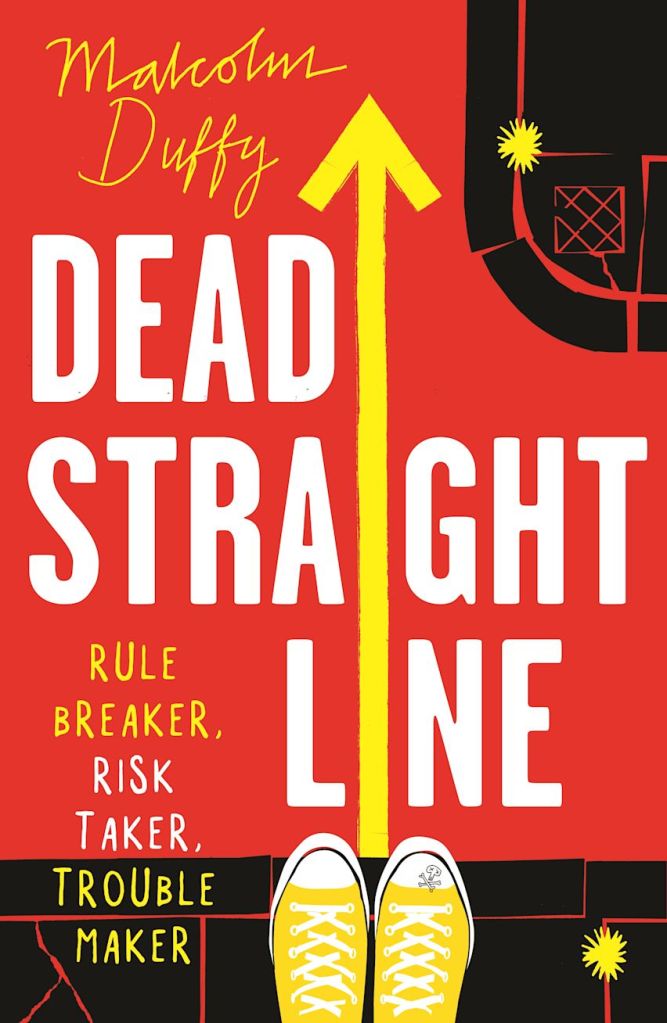
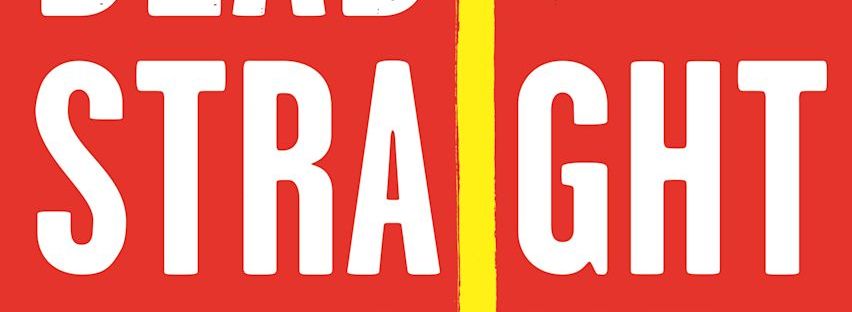
Dead Straight Line book cover, by Malcolm Duffy
article, Blog, Blog series, Bookshelf, on writing, Writing craft

Malcolm Duffy on Dead Straight Line: The Story Behind the Story

Dead Straight Line book cover by author Malcolm Duffy

My stories are fiction, but they’re all rooted in fact. I like to base them on things that happen in the real world, like domestic abuse (Me Mam. Me Dad. Me), homelessness (Sofa Surfer) dyslexia (Read Between the Lies) and the Ukraine war (Seven Million Sunflowers). I decided to write my latest book about something we all do – take risks. Unlike my other stories, the inspiration came from someone very close to home – me. I turned the clock back to when I was a teenager and thought about my own risky behaviour.

Like a lot of young men, I was a risk taker. Not, incredibly scary stuff, like climbing Mount Everest or swimming with great white sharks, but stupid things, that didn’t seem dangerous at the time. The idea for Dead Straight Line came from a game I played as a teenager. I’ll never forget the queasy feeling in my stomach when my friend, Andrew, said we were going to head back to his house, not by following paths or roads, but in a dead straight line.

We ran through front and back gardens, climbed over fences and dived over hedges. It was exhilarating, scary and, looking back on it, quite stupid. Luckily neither of us got hurt.

The idea for Dead Straight Line came from a game I played as a teenager.

Another time I took a risk, things didn’t play out so well. In my early twenties I got into a car with some friends. We’d all been drinking. I didn’t put on my seatbelt. My friend who was driving crashed into a parked car, and I went through the windscreen.

I had cuts on my eyes, and over a hundred stitches in my head. I was off work for three months. My forehead is still numb to this day. Thankfully no-one was killed, but I still bear the scars from what happened on that sunny day in Newcastle all those years ago.

It seems I’m not alone in my risk-taking. Studies have shown young men are far more likely to indulge in risky behaviour than young women across all areas – driving, drinking, drugs, gambling. But I didn’t simply want to focus on risk, I wanted to look at what happens next, and what it means for a young guy like Rory who takes a risk and then has to deal with the fall-out when an innocent game takes a terrible turn.

Because when a bad thing happens, it doesn’t just affect one person, there’s a ripple effect. Rory’s actions impact his family, his girlfriend, his mates, his teachers. Who will support him? Who will hate him? Who will seek revenge? These questions are at the heart of the story.

As I know from my car accident, things can go horribly wrong in a split second. And this is what happens to Rory’s reluctant game player, Eliot, paralysed after a fall while taking part in the game. Eliot’s story was born from the experiences of my own family, helping our mum, who was confined to a wheelchair for the last few years of her life.

For someone who’d been incredibly active she found herself needing a wheelchair to get around. It came as both a shock and an eye-opener to our family, as the simplest things proved to be an obstacle. But, like Eliot, she showed how positivity can shine through, even in the most difficult circumstances.

The story isn’t only about risk, it’s about trust, something that can be so hard to gain, yet so easy to lose. As a result of what he’s done, Rory loses the trust of his close family and friends. Both he and Eliot suffer in different ways and need to rebuild their lives.

They discover that life is never a dead straight line.

.

Dead Straight Line book cover, by Malcolm Duffy

Sixteen-year-old Rory is a rule-breaker, a risk taker, a maverick. As a kick he comes up with a game called Dead Straight Line. The idea is simple – wherever you happen to be, you’ve got to get home in a dead straight line. Across the back gardens of stranger’s houses, locked parks, trespassing on private property – whatever it takes.
One day, Rory pressures his friend Eliot into playing, resulting in a serious accident. Shunned by friends and facing pressure from his furious parents, Rory becomes even more angry and disruptive. When his school suggests helping out a care home, he’s unimpressed. But paired up with Tanker, an eighty-year-old Geordie military veteran, who fought in the Falklands War, things slowly begin to change.
From seeking thrills to finding friends, choosing the right path in life is never a dead straight line. But there is always a way.

Malcolm was born and bred in Newcastle upon Tyne and now lives in Surrey. After a typical Geordie childhood, his parents moved south and deposited him in South East England. Having acquired a Law degree at Warwick University he worked his way through a host of London advertising agencies, picking up numerous awards for copy, press, TV and radio.
Having left ad-land he worked as Creative Director of Comic Relief, creating campaigns for Red Nose Day and Sport Relief. It was at Comic Relief that he was inspired to swap copywriting for writing and wrote his first novel, Me Mam. Me Dad. Me. His books have all been issue based, with much of the information gleaned from his work for different charities – Comic Relief (domestic violence), Shelter (homelessness), Nessy (dyslexia) and Combat Stress (PTSD).
His debut, Me Mam. Me Dad. Me. was shortlisted for the Waterstones Children’s Book Prize, and alongside Sofa Surfer, Read Between the Lies, and Seven Million Sunflowers has won and been shortlisted for multiple regional awards. All four of his books have been Sunday Times Children’s Books of the Week.

He’s supported in his efforts by his New Zealand wife Jann, and daughters Tallulah and Tabitha, who, under the threat of withholding pocket money, seem to like what he writes.
PaperBound Magazine is an online magazine for the young, and the young at heart. We are dedicated to showcasing authors and illustrators for children’s and young adult fiction and we strive to deliver inspiring content, uplifting stories, and top tips for young and aspiring writers yet to burst on to the literary scene.

All our issues are completely free and run by volunteers, however if you would like to support PaperBound and the work we do, you can help us out by buying us a virtual book. We appreciate any support you can give us!

Don’t forget you can read with the latest issues of PaperBound Magazine – completely free – here.

article, Blog, Blog series, Bookshelf, on writing, Writing craft

Grey is the New Black: Helen Price on Morally Grey Villains

I love an antagonist.

I mean, who doesn’t love a baddie?

But I like their hearts grey, not black. I want them conflicted, not cackling in the shadows, twirling their moustaches or plotting world domination just because they can. I’m far more drawn to antagonists who genuinely believe they’re doing the right thing, rather than those who hurt people simply because they enjoy it. Why? Because they’re more interesting. They’re layered. And most importantly, they feel real.

I like their hearts grey, not black.

YA readers are brilliant at spotting flat, two-dimensional villains. They’re far more perceptive, morally aware and emotionally intelligent than we give them credit for. If someone is evil purely for the sake of it, it feels false. Teen readers are complicated human beings. They’re living through, or more accurately surviving, their formative years. They’re already living in the grey. They’re questioning rules, challenging authority, working out who and what to believe in. So when a story presents a villain in black and white, it simply doesn’t ring true.

We live in uncertain times and in an uncertain world unwavering conviction can feel especially powerful but also dangerous. Storytelling needs to reflect that. Teens today are constantly exposed to loud and absolute opinions, voices that leave little room for doubt and rarely acknowledge the nuances of their lived experiences. It’s no surprise, then, that they’re drawn to antagonists with motivations they can relate to. Anti-heroes who act out of love, fear, loyalty, or even faith. They might not agree with them, but they do at least understand them. And that relatability makes for more powerful and engaging storytelling.

In KILL ME NOW, my antagonist believes modern teenagers have drifted off course. They see moral decline everywhere and believe souls are at stake. From their perspective, they aren’t destroying lives. They’re saving them. And for a long time, I confidently labelled them as morally grey. They have moments when they doubt themselves. Moments when they wrestle with whether they’re right and what they’re doing is moral. But ultimately, they believe the end justifies the means. And they keep on killing.

At some point, all antagonists believe they’re justified in their actions. History is full of people who’ve convinced themselves that harm and destruction are necessary to achieve their aim. So, why should fiction be any different? But just believing they’re right doesn’t make them grey.

“Seven lives is a small price to pay for the greater good.”

When my antagonist says these words, it’s not madness talking. It’s complete and utter conviction.

Morally grey antagonists work particularly well in YA because teen readers are sensitive to authority figures who claim to know what’s best for them. They recognise control when they see it. So when my antagonist insists they’re enforcing morality to ‘save’ their generation, I hope it strikes a chord with teen readers and even hits a nerve.

When we describe something as grey, we usually mean it’s unclear and that the lines around it are blurred. But in fiction, that greyness can feel strangely solid. Readers may not agree with the antagonist, and they certainly don’t have to side with them, but they can understand the reasoning behind their actions. They can see how someone might have ended up there and what drove them to commit such heinous acts. And if readers do that, then the greyness has worked. The author has created an antagonist with layers, depth, and complexity.

If you’re interested in writing a morally grey antagonist, first ask yourself: Do they ever question themself? Do they show any form of humanity or remorse to the people they hurt? Could a reader argue that they might indeed have a point? If the answer is yes, then it’s most likely that you’ve already crafted a morally-grey one. If the answer is no, but your antagonist’s logic is still structured and convincing, you may have written something slightly different: something more akin to an ideologically driven antagonist. And that isn’t a failing. In fact, in a thriller, it can be equally powerful and even more terrifying.

I went into KILL ME NOW thinking I had written a morally grey villain. What I realised instead was that I had created someone far more unsettling: someone grey in moments, but absolutely certain at their core. Certain they were right. Certain the future of humanity was at risk. Certain the actions they were taking, and the sacrifices they were making, were wholly justified. So, how do we tell the difference? Well, a morally grey antagonist questions their own morality. An ideologically driven one doesn’t.

In KILL ME NOW, I didn’t want readers to be shocked by the murders alone. I wanted them unsettled by the reasoning behind them. Sometimes the most frightening antagonists aren’t those who enjoy harming others, but those who believe it’s purely necessary. They’re not psychopaths, sociopaths, or narcissists, at least not in the conventional or clinical sense of the terms. Instead, they’re individuals so ideologically certain in an otherwise morally ambiguous world that it’s their conviction, not their cruelty, which makes them so frightening.

Our young adults today are already navigating a complicated and messy landscape. Creating characters who reflect that, who carry their own deep-rooted and complex sense of morality, can therefore spark discussions that resonate far beyond the final page.

So yes, as a thriller writer, I like morally grey characters.

Because while grey is the darkest shade of all, it’s also the truest.

.

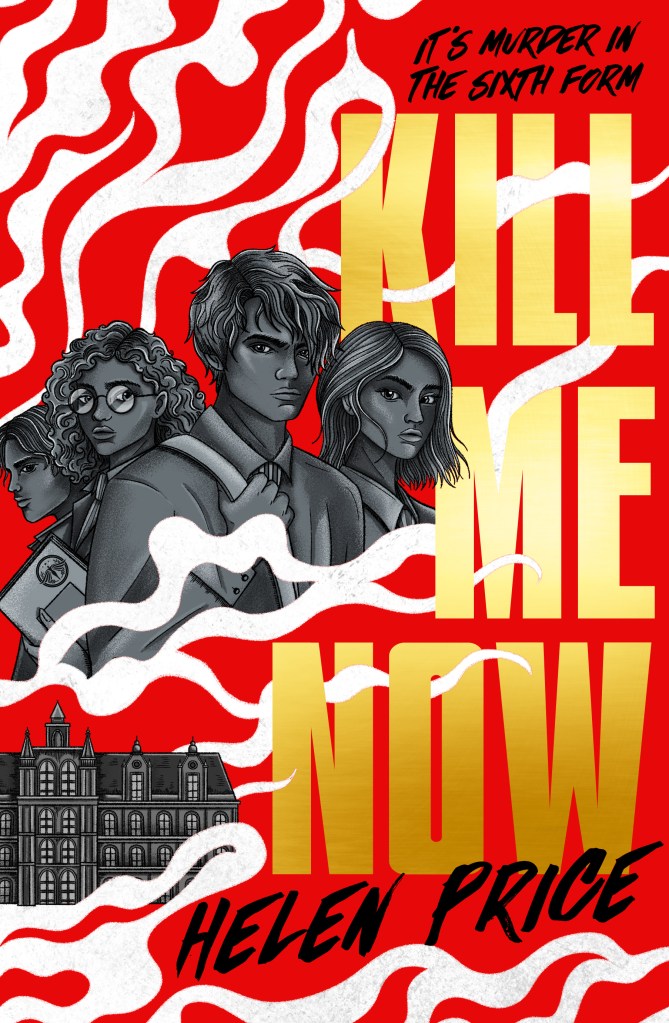
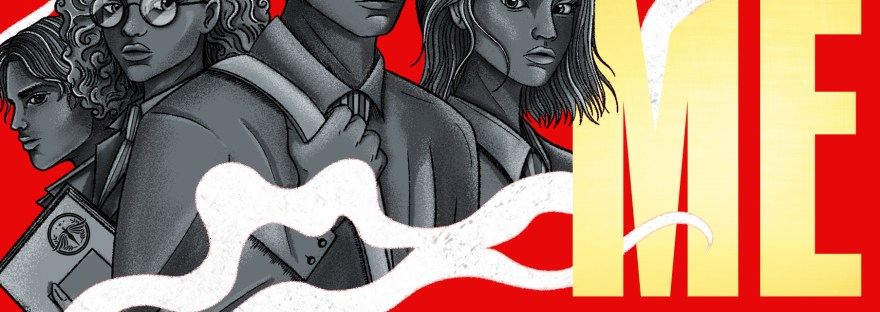
It’s murder in the sixth form…

School golden boy Riley North is found dead. The funeral director’s son, Guy ‘Reaper’ Mortimer is accused. Determined to clear his name, Reaper teams up with spiky new girl, Samira; Riley’s loyal teammate, Bunsen; hot-headed Snake; and the ever-innocent Betty. They unravel the twisted layers of school, where secrets hide and deception is rife. But someone knows the truth and is determined to expose it – one deadly sin at a time.

Riverdale meets One of Us is Lying, KILL ME NOW is perfect for fans hunting for their next A Good Girl’s Guide to Murder obsession.

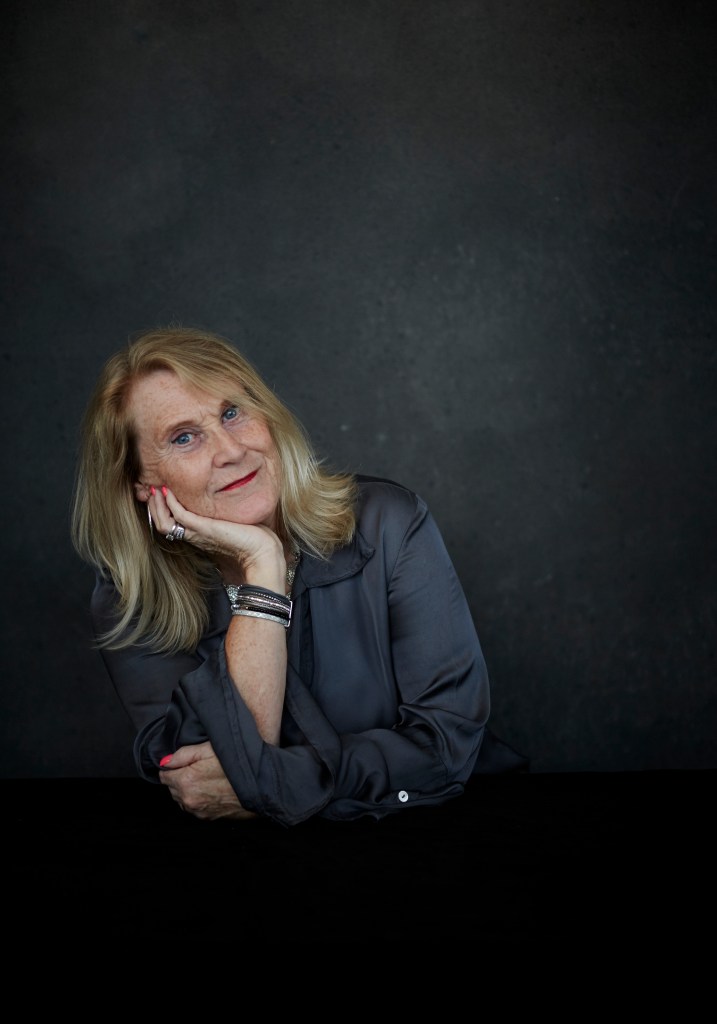
Helen Price is a young adult author of high-octane thrillers. After studying languages at university, she built a career in international HR and change management, writing mainly boring stuff like corporate speeches, handbooks, and communications, until fiction lured her in. She honed her craft by studying at The Golden Egg Academy and completed its prestigious mentorship program.
Originally from the historic city of Norwich, she now lives in a field in West Berkshire. A black belt in karate, she loves chocolate, her dog, and anything thriller-related, both on and off the page.
Follow her on Instagram @Priceywrites

PaperBound Magazine is an online magazine for the young, and the young at heart. We are dedicated to showcasing authors and illustrators for children’s and young adult fiction and we strive to deliver inspiring content, uplifting stories, and top tips for young and aspiring writers yet to burst on to the literary scene.

All our issues are completely free and run by volunteers, however if you would like to support PaperBound and the work we do, you can help us out by buying us a virtual book. We appreciate any support you can give us!

Don’t forget you can read with the latest issues of PaperBound Magazine – completely free – here.