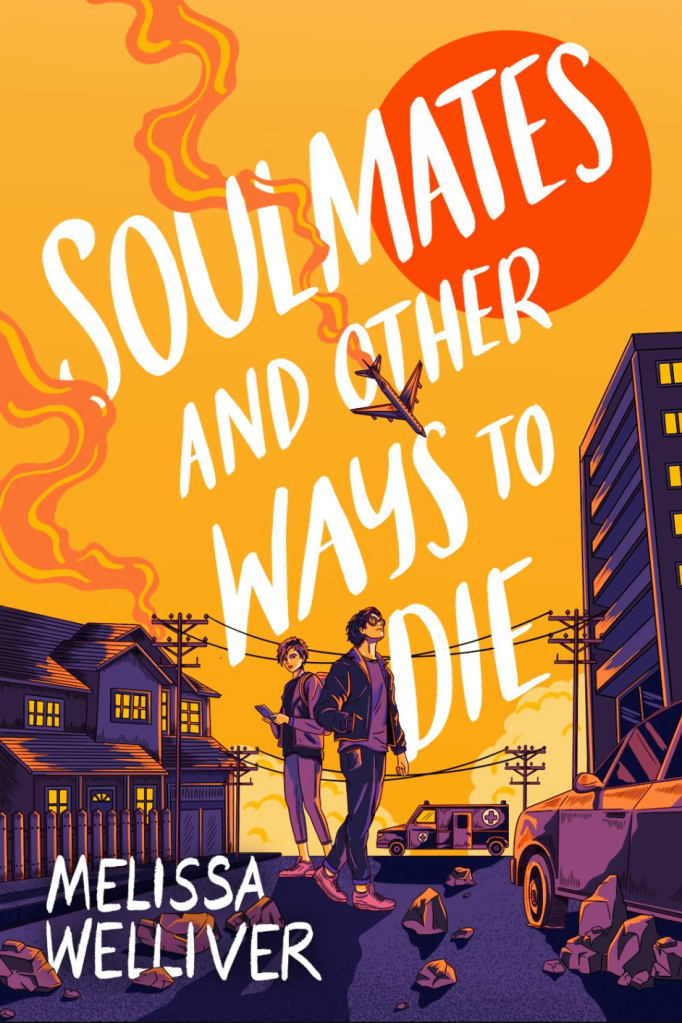
In this interview on the PaperBound blog, YA author Melissa Welliver chats to our regular contributor Steve Blackman about her brand new release Soulmates and Other Ways to Die.
Can you tell us a bit about yourself and this story?
Of course! My name is Melissa Welliver and I write speculative novels, most recently dystopian YA with a dash of romance and comedy. I live in the North of England with my dogs and I run a community online for kidlit writers called the WriteMentor hub. I am also a co-host of The Chosen Ones and Other Tropes, a podcast based around trending tropes in commercial fiction.
This story was actually born from playing online games in a team arena. One game I played had a rule where if one member of the team took damage, the whole team lost health points. And I thought, what a fun idea to bring into the real world! I love a dash of romance in everything I write, and I thought this specific idea would work really well in the exploration of the Soulmate trope. In Soulmates, if you feel pain, so does your significant other. And if they die… you die too.
In writing Soulmates, to what extent were you inspired by real world apps? And is there an app you couldn’t live without?
For anyone who hasn’t read the book, there is an app mentioned that can match you to your soulmate. This is partly practical as it’s good to know who the other person is that could possibly, accidentally, kill you, but also it’s essentially a dating app – but with all the choices removed. Imagine that there is no swiping right or left – there’s one answer, and that’s who you are tied to forever. Nightmare! To be honest, many elements of the app were inspired by the NHS covid app that would register whether you were vaccinated and whether you had been in close contact with someone who had tested positive. I wanted to ask the question: is it a good thing to track ourselves so closely? Can there be good and bad elements to these sorts of closely tracked government apps?
As for my own apps, I’ve turned off all my notifications on my phone, so for my social media, I have to open the app to see if I’ve had any messages. I find this stops me checking my phone so much when I’m out and about in real life with friends! But my favourite app, as a bit of a prepper myself, is what.three.words. It’s an app that can pinpoint your location to a 3m by 3m area, no address needed, with three simple words. Very helpful in an emergency to let people know where you are – just because I’m paranoid, doesn’t mean I’m wrong!
So are soulmates real? Maybe. Read the book to find out.
There’s a diverse cast of interesting characters in Soulmates. Were any of them based on anyone we’d have heard of?
So obviously, the correct answer is, of course not! But if Argo Duff, the eccentric billionaire app owner who bought a social media franchise and has some interesting dating habits, and is a little more than a bit controlling, reminds you of anyone… then that’s on you.
Do you think we have just one soulmate? (Dogs don’t count, sorry.)
Ah, I love dogs too, they absolutely count! But aside from doggo pals – I’m very much someone who believes we make our own luck and destiny in life. A soulmate is whatever we make of it – in the book, I was keen to explore the concept of choice versus control, and whether having a soulmate thrust upon you – until death do you very literally part – are they truly your soulmate anyway? I also wanted to explore different types of love – platonic love, familial love, asexual love, romantic love – who says a soulmate has to be what dating apps tell us they are? There are many different kinds of love, and soulmate means something different to everyone. So are soulmates real? Maybe. Read the book to find out.
Your books tend towards the apocalyptic and dystopian. How do you think you’d survive at the end of the world?
Honestly, I’m not as fit and prepared as Zoe in the novel, who is a world class doomsdayer, but I’d like to think I’d have a chance of not going out in the first wave of whatever it is taking us out! I carry around a rechargeable battery pack, plus some gadgets like trackers that I allow my family to follow so we would always know our last movements in an emergency. My Dad is from LA, so he also gave me an emergency earthquake kit when I went to uni (in deepest darkest Leeds. Earthquake central, of course) that consisted of a torch, matches, spare batteries, all sorts of stuff. So even though I might not be the classic bad-ass female cutting my way through the hordes of zombies, I think I could find a pretty good place to hide until it all blows over.
You’re a notorious planner, and that allowed you to write this story in a month. Could you tell us a little about your process?
Sure! So it’s become a bit of a tradition now for me to write a novel in the month of January. I plot incessantly, so I use the more conventional NaNoWriMo (when a lot of writers write a novel in a month!) to plot each chapter of the book, and then have a break in December before coming back in January to write it. I write for 2 hours a day, between 10am-12pm, in concentrated writing sprints, and that usually nets me a chapter, or 3000 words. I’m not allowed to read back what I’ve written, or pause writing during the sprints, even if I’m getting stuck! It’s all about powering through to get that first draft down. And I usually write 25-30 chapters depending on the age range, so that gives me my month of writing quite neatly.
What else are you working on, which we can look forward to?
I have two books coming out this year, which is really exciting! Soulmates and Other Ways to Die is in March, and the re-release of my self-published book, The Undying Tower, is coming out with UCLan Publishing in August. While my Chicken House books all lean towards a slightly wacky take on the apocalypse, The Undying Tower is very much a dark dystopian in the same vein as The Hunger Games or Divergent, and is the first in a planned trilogy. I can’t wait to see what everyone thinks of the redesigned cover, and to reach new readers through re-printing this book baby of mine!
What advice can you share with aspiring young writers?
Don’t listen to advice! Just kidding – well, sort of. Follow your writing heart and don’t let trends get in your way. The books you see on shelves right now were written and negotiated years ago, so there’s no point jumping on a bandwagon if your heart isn’t in it, just because you think it will sell. Write what you love and it will come across in the writing, so readers will love it too. Also, don’t give up! It’s a long old road, publishing – you’ll get there. The only difference between a published author and an unpublished author is perseverance.
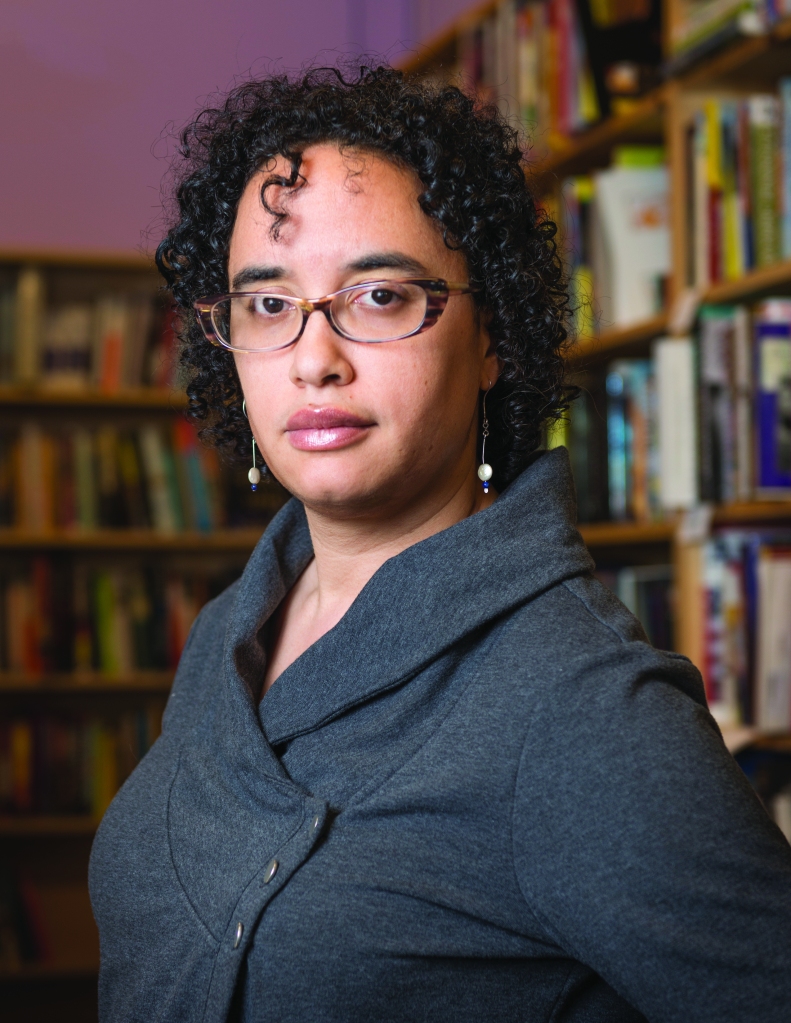
Melissa Welliver
Melissa Welliver writes Young Adult Speculative novels. She works at WriteMentor and runs the Community Writing Hub for Children’s writers. She has two dystopian rom-coms, My Love Life and the Apocalypse and Soulmates and Other Ways to Die, published with Chicken House Books. The first in her dark dystopian trilogy, The Undying Tower, will be published by UCLan in August 2024.
She can be found across social media under @melliver, and on tiktok under @melissawelliver.
Soulmates and Other Ways to Die is published by Chicken House Books and released 14 March 2024.
Steve Blackman
Like his career, Steve’s writing is filled with tech and engineering, although his speculative thrillers tend to have higher stakes and fewer meetings. Before working as a copywriter and editor, he was a consultant, a magazine editor, a communications director, a product designer and a webcaster, though not at the same time. Home is South London, where he lives with his wife and teenage daughters. They wish he’d stop saying, ‘What if…’
PaperBound Magazine is an online magazine for the young, and the young at heart. We are dedicated to showcasing authors and illustrators for children’s and young adult fiction and we strive to deliver inspiring content, uplifting stories, and top tips for young and aspiring writers yet to burst on to the literary scene.
All our issues are completely free and run by volunteers, however if you would like to support PaperBound and the work we do, you can help us out by buying us a virtual book. We appreciate any support you can give us!
Don’t forget you can read with the latest issues of PaperBound Magazine – completely free – here.
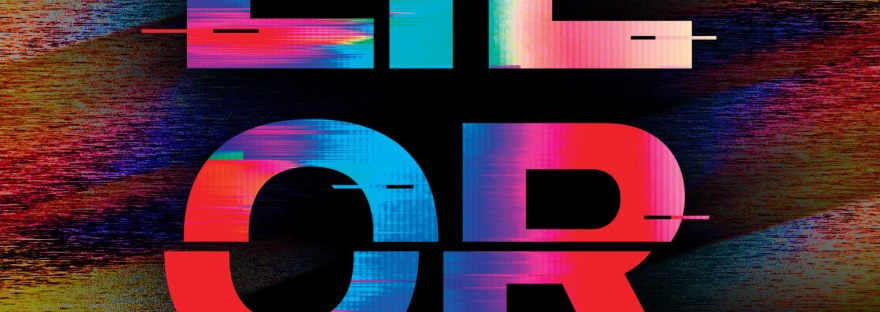
We are so excited to share an interview with A. J. Clack, author of Lie or Die – a Mafia meets The Traitors style reality-TV based YA thriller where winning the game becomes the least of their problems when, one by one, the contestants start dying for real …
Could you tell us a little about Lie or Die?
Lie or Die is a twisty, dark YA thriller set in a Reality TV game show. It follows 17-year-old Kass Kennedy who auditions for the show to help her fame obsessed best friend, Thea. Once in the game Kass soon realises that not everything is as it seems and, as the contestants start dying for real, Kass realises that they are trapped in a TV show set with someone who isn’t here to play. To survive Kass must figure out who the real killer is and find a way out.
Reality TV just got real!
You’ve worked in television before. Did this inspire any elements of the book?
I did! Lie or Die’s setting is inspired by my time as a Production Manager for Fountain Television Studios in Wembley, the biggest TV studio in Europe. It was my job to oversee the shows that came in, working closely with each production to make sure they had the crew, equipment, facilities, hospitality and celebrity care they required. I worked on a number of shows with a great deal of celebrities, directors and crew, giving me quite a thorough and unique insight into the world of TV and celebrity. My (now) husband worked on all the reality shows, from Big Brother, X Factor to I’m a Celeb so I had a real insight into reality TV from the inside. When I had the idea to make a Mafia type murder mystery game show, it seemed natural to place it in a reality TV setting.
There was one character in particular who I really didn’t want to kill, but realised I had no choice! Sorry – I can’t tell you which one **spoiler**.
There are many gruesome and creative deaths in Lie or Die. Were any particularly difficult to write, or did you have fun thinking them up?
I had great fun thinking them up! (I obviously need to get out more.) I read and watch a lot of psychological horror and thrillers and grew up reading the masters of horror, James Herbert and Stephen King, so I had a lot to fall back on. It was great to let my imagination run wild – as a TV show I had the freedom to do pretty much anything. There was one character in particular who I really didn’t want to kill, but realised I had no choice! Sorry – I can’t tell you which one **spoiler**.
What top tips would you give someone planning on writing a YA thriller?
Thrillers take a lot of planning, which is something I’m not very good at! I like to go with the flow and let the story evolve, but I think thrillers need more structure. Don’t forget to leave breadcrumbs, little clues for the reader to pick up along the way and of course red herrings, you can have lots of fun with them! I kept asking myself – what would the characters try to do next? Then I would show the characters doing just that and failing, starting with the most obvious and then moving onto the next possibility. The reader will expect those questions to be answered.
Are you a plotter or a pantser? Can you tell us a little about your writing process?
Ahh like I mentioned above I am a natural born panster. I like to have a loose outline, a chapter ‘in’ point and an ‘out’ point and then have the freedom to get from A – B. It’s harder to do that with tightly plotted thrillers, and this one was quite complicated, being a game, set within a reality murder mystery game, set inside a television studio. I tend to get a first draft out quite quickly – it’s terrible but at least then I have something to go back over and work on. It’s like placing the foundations and the scaffold of the story. Later, when I feel secure enough, I take most of it away.
This is your debut novel. What advice would you give someone about to embark on a similar journey? Have there been any particular highlights?
There have been some fantastic highlights such as being a finalist in the Undiscovered Voices 2022 Anthology. There have also been some difficult lows, including a novel going out on submission the first week of the Covid lockdown and disappearing into the pandemic ether, losing my agent and having to start all over again. But along the way I have won competitions and made many, many amazing writing friends and found representation with my new and fabulous agent, Saskia Leach. I would recommend to any new writer not to try to do this alone; it’s hard, you need a community of writers around you to support you and pick you up and also to help celebrate all those little wins along the way.
What are you reading and enjoying at the moment?
I am loving Mirror Me by Jan Dunning, a fairy tale retelling set in the fashion world and I have just started Fourth Wing by Rebecca Yarros.
Lie or Die is published on 7th March 2024 by Firefly Press.
A.J. Clack
A. J. Clack moved from a small village in Wales to London to pursue a career in television. She worked on a huge range of shows from Teletubbies to Friends, while also writing plays for the Edinburgh Fringe and development scripts/pilots for children’s television. She now lives in Essex with a handful of teenagers and can often be found freezing on the side of a football pitch.
PaperBound Magazine is an online magazine for the young, and the young at heart. We are dedicated to showcasing authors and illustrators for children’s and young adult fiction and we strive to deliver inspiring content, uplifting stories, and top tips for young and aspiring writers yet to burst on to the literary scene.
All our issues are completely free and run by volunteers, however if you would like to support PaperBound and the work we do, you can help us out by buying us a virtual book. We appreciate any support you can give us!
Don’t forget you can read with the latest issues of PaperBound Magazine – completely free – here.
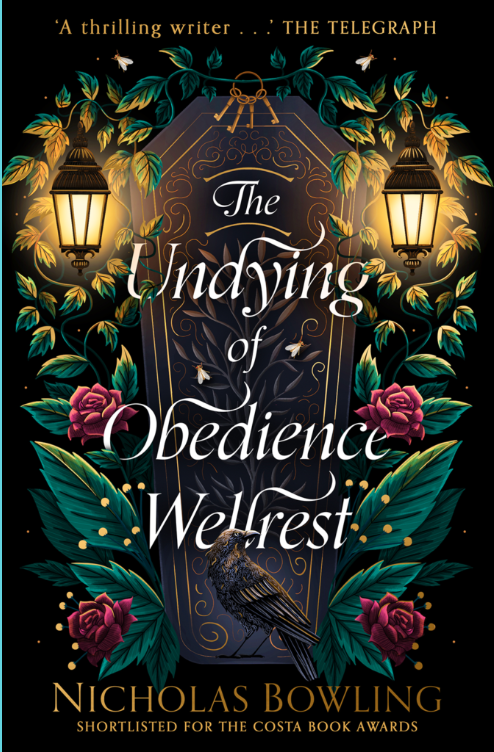
We were pleased to catch up with Costa Award shortlisted author Nicholas Bowling all about his recent release The Undying of Obedience Wellrest – a novel deliciously described as Jane Austen meets Mary Shelley’s Frankenstein.
Could you tell us a little about your book, The Undying of Obedience Wellrest?
It’s a fairly straightforward fantasy-tinged gothic-horror-comedy-semi-romance. It’s set in the early nineteenth century, and it’s about a young gravedigger (Ned) who crosses paths with an aristocratic teenage girl (Bede) who is trying to make progress as an amateur chemist and escape an arranged marriage. So, sort of Jane Austen meets Frankenstein. It’s told from both their points of view and sees them weaving in and out of danger and death and friendship and maybe (maybe?) love.
This is a brilliantly gothic story that combines science with mystery, death, feminism, and a sprinkle of magic. Where did the inspiration for this story come from?
Sometimes a whole book, and a whole world, seems to arrive in my brain fully formed, but this one actually started from a much smaller seed. Originally it was all about Ned and Pa’s relationship. I had an image of a grandfather and grandson gravedigging team – I think originally they solved mysteries, or fought demons, or something. And I liked the idea of a parish churchyard as a little self-contained world. I was reading Shirley Jackson’s We Have Always Lived In The Castle at the time, and found the voice of Merricat very inspiring. I loved the idea of writing from the point of view of the weirdest, most isolated character in the story – the point of view of the “monster” really. So the protagonist is on the outside of acceptable society looking in, but, in their own mind, is actually on the inside looking out.
Originally it was set in the 21st century, but once there were body snatchers involved it made more sense to take place in the 19th century. And once it was set there and then, all the interesting stuff about early science and the Enlightenment and the links to Frankenstein started to make itself felt. And Bede emerged from that, as an intelligent, headstrong young woman ensnared in the mores of that era. It’s no coincidence that Bede is short for “Obedience”. It’s really, really fun writing a character who is much smarter and more furious than you are.
It’s really, really fun writing a character who is much smarter and more furious than you are.
All of the characters here are so unique, and brought to life so wonderfully in your writing. Do you have a process when creating your characters, or do they materialise in the page?
As pretentious and cliched as it sounds, I really do just listen and watch them and see what they do. I probably have a subconscious blueprint for each character somewhere in my brain – maybe an amalgam of certain people I’ve met, either in real life or in books – but it’s not like I draw up a spreadsheet of their traits and histories before I write about them. It really is just about following a feeling you have about them. And it’s nice to be surprised when they reveal something of their character or their past to you.
Do you have a favourite character from your book (Mosca?), and why?
Obvious to say, but I loved both Ned and Bede. Ned because I think he’s the person I actually am (quiet, introspective, a bit odd) and Bede because she’s the person I often would like to be (smart, self-assuredl, a zinger for every occasion). Perhaps they really are two halves of my psyche. They make a perfect unlikely pairing.
Mosca? I still feel like there’s so much mystery around him. I don’t even know what he’s thinking or feeling. Maybe I’ll write a companion piece to the main book that’s just his internal monologue, all in stream of consciousness fly-speak.
You have an insanely good opening line. Did this come to you straight away or was it something you came back to and developed later? Any tips for aspiring writers trying to write their own attention grabbing first line?
Thank you very much! I think I said this on Twitter (sorry, X). Those were literally the first words I wrote. The first words of the first chapter of the first draft, maybe four years ago. And that line stayed at the top of the Word document through all of the many, many drafts and edits. I think the only thing I had to change was Ned’s age. I knew when I first put the line down that it was a keeper. Sometimes things like that come to you and you can’t quite believe it and you give yourself the rest of the day off.
I don’t know if I have any tips or secrets about an opening line. I suppose a good opener is always really a question in disguise. A tiny, self-enclosed, one line mystery.
There are fabulous twists and turns in this book. Do you plot everything before you start, or do the details develop as you write? Do you have any advice on writing plot twists?
I think plotting is actually the thing I find hardest. I never plot in advance, at least not in any great detail, and always end up tying myself in knots. I never learn, but I also think the thing feels dead on the slab if every little nook and cranny of plot is already explored. But the really BIG twists, I do know about them in advance. Usually I have one prepped for about halfway, and one for the end, and if you’re aware of them then you can at least have some fun with red-herrings and easter eggs (pretty weird brunch recipe for you, there) as you’re writing.
What is your favourite part of the writing process? And are there any aspects you’re not so keen on?
Favourite bits – and I don’t think I’m alone here – are the very beginning and the very end. I still love the thrill of the blank page, of possibility, of creating something entirely new. And I love fine-tuning the prose at the very end, and putting in little nods and callbacks to the various twists and turns. Basically everything in between is all wailing and gnashing of teeth.
Structural edits in particular are like the worst, least fun, most labour-intensive game of Tetris you’ve ever played.
Can you tell us about anything else you are working on at the moment?
I’m working up two ideas at the moment. One is an inverted Arthurian legend (can’t really say more than that, but it involves a young swineherd and a supremely unlikeable King Arthur). The other is a sort of ecological fable about a frozen giant. It’s like Ted Hughes’ The Iron Man, set in the Himalayas, reimagined by Studio Ghibli.
I also have a book for adults coming out in Jan 2025 under the name Nick Newman – but I really can’t tell you any more about that!
The Undying of Obedience Wellrest is out now and published by Chicken House Books.
Nicholas Bowling
Nicholas Bowling is the critically acclaimed, Costa Award-shortlisted author of Witchborn, In the Shadow of Heroes and Song of the Far Isles. He grew up in Chester and studied English and Classics at Oxford University. As well as writing, Nick has been a classics teacher, has co-written, recorded and released an album and two EPs and is now a bookseller. He lives in London but gets out when he can to climb mountains or swim in very, very cold water. .
PaperBound Magazine is an online magazine for the young, and the young at heart. We are dedicated to showcasing authors and illustrators for children’s and young adult fiction and we strive to deliver inspiring content, uplifting stories, and top tips for young and aspiring writers yet to burst on to the literary scene.
All our issues are completely free and run by volunteers, however if you would like to support PaperBound and the work we do, you can help us out by buying us a virtual book. We appreciate any support you can give us!
Don’t forget you can read with the latest issues of PaperBound Magazine – completely free – here.
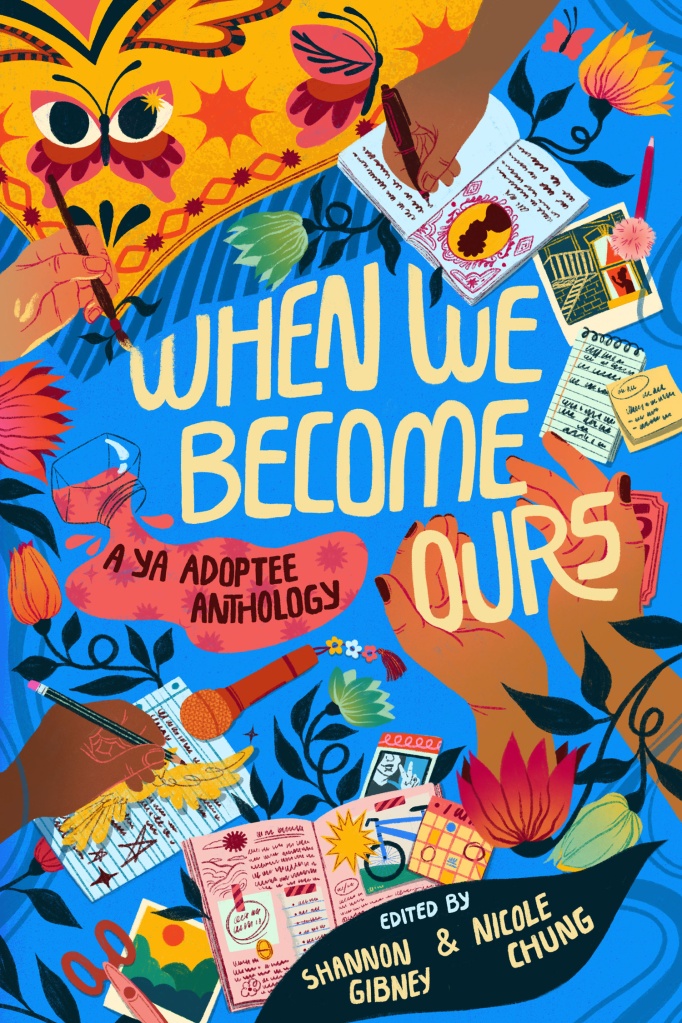
We are excited to share an interview with the editors of When We Become Ours, a YA anthology written by adoptees of all backgrounds, for adoptees, edited by award-winning authors Shannon Gibney and Nicole Chung.
This book features a host of fantastic stories with the pull of one universal theme. Can you tell us a little more about it?
When We Become Ours is a young-adult fiction anthology by and for adoptees. In many ways, this is the book we wish we’d had when we were growing up. While adoption isn’t the central focus of every plot, every story is written by an adoptee author of colour and features a young adoptee as a protagonist. We don’t know of another book like it for teens, and hope it will be the first of many.
We don’t know of another book like it for teens, and hope it will be the first of many.
When We Become Ours covers a broad range of settings and genres, from school halls and newly forged friendships to feelings of loss set on entirely different planets. Was there a method in making sure each story had its own original narrative, or did they all come together easily?
That the collection is so strong and wide-ranging is really a testament to our contributors’ talent and creativity. From the beginning, we knew we wanted to put together an anthology that represented as many different adoptee perspectives and experiences as possible. In the end, it wasn’t terribly difficult to ensure the breadth and diversity of narratives, because (as expected) we received so many wonderful original stories for consideration, and no two were alike! The hardest part of the process was probably narrowing down our selections, since we only had room for a small number of stories.
What was it like to work on this book as a collaborative process?
After the book was sold and announced, we put out a call for stories and read every submission as it came in. As mentioned, it wasn’t easy to make our selections from such a large number, but luckily we were aligned on the stories that most excited us. Next we did a round of developmental (or big picture) edits on each story, followed by a round or two of more detailed line edits, with our fantastic Harper Teen editor, Megan Ilnitzki, weighing in at each stage. The entire process was really a labour of love—all of us involved felt very strongly about the importance of this project. Our authors were truly a pleasure to work with, which made it a fun and collaborative experience from start to finish.
How important is it for you to share these stories from an #ownvoices perspective, and what do you hope readers might get out of this anthology?
Despite the great and increasing diversity of YA literature by authors from marginalized backgrounds, adoptee-authored, adoptee-centered representation in literature for young people is still lacking. But, as we write in our Editors’ Note at the start of the book, we have always been here, and we know our imaginations and our stories are powerful. Our hope is that many readers will be able to see themselves, their feelings, their families, and their experiences reflected in these stories—an experience that is far too rare for young adoptees. At the same time, we think this is a book for everyone. We know that stories can entertain, teach, transform, and challenge us all, and we believe this anthology is one that anyone of any age can pick up and love.
We know that stories can entertain, teach, transform, and challenge us all, and we believe this anthology is one that anyone of any age can pick up and love.
When We Become Ours is out now and published by Harper Teen.
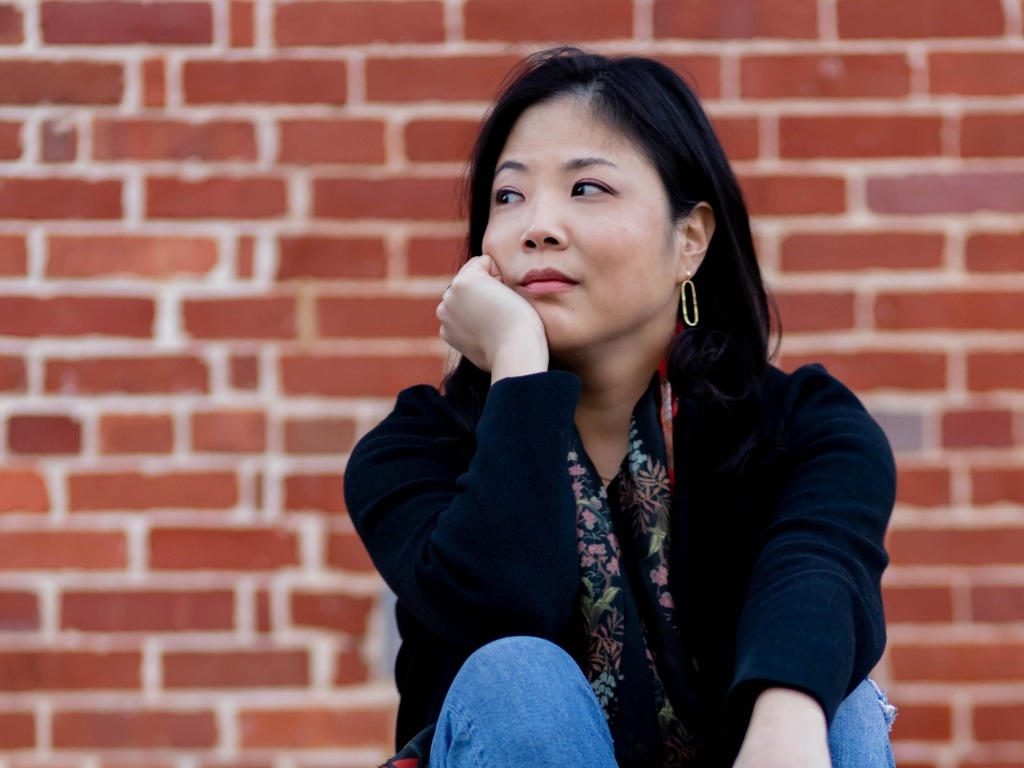
Nicole Chung
Nicole Chung is the bestselling author of All You Can Ever Know (2018) and A Living Remedy (2023) and the co-editor of several anthologies, including When We Become Ours. Born and adopted in Seattle, raised in Oregon, she now lives in the Washington, DC area. @nicolesjchung on Instagram + Twitter | nicolechung.net
Shannon Gibney
Shannon Gibney lives and writes in Minneapolis. Her work spans multiple genres, and she is the author of Dream Country (2018) and See No Color (2015), YA novels that won Minnesota Book Awards. Her newest novel is The Girl I Am, Was, and Never Will Be: A Speculative Memoir of Transracial Adoption (Dutton, 2023). @shannonelainegibney on Instagram | shannongibney.com
PaperBound Magazine is an online magazine for the young, and the young at heart. We are dedicated to showcasing authors and illustrators for children’s and young adult fiction and we strive to deliver inspiring content, uplifting stories, and top tips for young and aspiring writers yet to burst on to the literary scene.
All our issues are completely free and run by volunteers, however if you would like to support PaperBound and the work we do, you can help us out by buying us a virtual book. We appreciate any support you can give us!
Don’t forget you can read with the latest issues of PaperBound Magazine – completely free – here.
We’re thrilled to feature an interview with author Maya MacGregor on their new YA book, The Evolving Truth of Ever-Stronger Will, with questions from our guest contributor Caitlyn Ould. Read on to discover more about Maya’s writing, the inspiration behind the words, and what they’ll be sharing with readers next.
Without spoilers, can you tell us a little about your new YA book, The Evolving Truth of Ever-Stronger Will?
This book was a lot like The Many Half-Lived Lives of Sam Sylvester, in that it was a way for me to tell a story like a roadmap for my younger self. There’s a lot of found family, a lot of self-discovery, and some spooky happenings that tie the narrative together.
The Evolving Truth of Ever-Stronger Will is a love letter to every kid who has been made to feel monstrous. While that takes place through a lens of a kid who’s neurodivergent and agender, I hope Will’s journey will resonate with teens who may not share those traits too. It took me a long time to learn the lessons Will learns—that an abuser’s projected image of them is not their truth—and I hope that Will’s perseverance, tenacity, and self-preservation will help model a way forwards for anyone in a similar boat.
We found the use of second person narration in this book really interesting. What made you want to write this book in that way?
It was the only way I could get across a very specific message that acts as a framing device for the story on several levels. I wasn’t sure I could get away with it, but it felt true to the story I wanted to tell. That feels a bit insufferable to write out, ha. But ultimately, I choose points of view to reflect emotional proximity to the characters. Which isn’t to say that third person can’t be emotionally resonant—it absolutely can—but first and second person each invite the reader much closer in a way that feels more intimate to me. Others may disagree, of course!
This book tackles a lot of complex themes that encourage a lot of empathy from the reader. In what ways do you relate to your main character, Will?
One of the things I’ve mentioned at a few in-person events is that a certain plot point that happens right at the end of, I think, chapter three or four had an absolutely eerie reflection in my own personal life. I paused writing just after that, a paragraph or so into the next chapter (which was smack in the heart of the emotion still) and put the book aside for a filmmaking project and a choir trip to Austria, and in the time I was away, I discovered via Ancestry.com DNA that my biological father was someone entirely different to who I thought he was. If you read the book to that point, you can probably understand how when I went back and read into my progress to get my bearings, I had to go take a few minutes to collect myself.
Will is very much like me on many levels—agender, an undiagnosed autistic teen (I was a teen once!), the product of a lot of upheaval and poverty—and the emotion of having written a different (but just as emotionally impactful) revelation bare months before I experienced my own welded this book to my heart in a way I don’t think anything else could have. My estranged biological mother is not Francis and was not physically abusive like that, but she did keep some whoppers from me, and over the past few years, like Will, I’ve been sorting through all that. I’ve also been privileged to meet and form a very loving relationship with my biological dad, and we’ve been making up for thirty-four years of lost time.
Who were your favourite characters to write in this book?
Without a doubt, Will, Raz, and Julian. I love Matt and Hannah as well, of course, but gosh, I adore Julian and Raz so much. We all need people who see us for who we are without us having to offer a university-level course in how to relate to us, and it was very important for me to model that with those characters. I also want Raz and Junius Sylvester to be best pals!
We love that there are more wonderful books featuring non-binary protagonists now. Do you think the literary world is changing positively with LGBTQIA+ communities being represented?
Absolutely. As a wee anecdote, we’d actually trunked both of my YA books because they bounced off editorial boards for the use of they/them pronouns (and non-stereotypical autistic phenotypes, to boot) in 2017-2018 when I wrote the books. My first ever agent, Jes Negrón, had since gone into editing at BMK (now Astra Books for Young Readers), and when she started acquiring YA, she came straight to me and my new agent Sara Megibow, knowing I’d a trunked manuscript. If she hadn’t been so keen to work with me again, I don’t know that these books would exist.
I cannot count the number of messages I’ve received from readers saying that they have never seen themselves represented in fiction before now. That’s heartbreaking in a lot of ways, but in others, it’s such a relief for me to hear. I had to write the books for them to exist, as did so many of my contemporaries who are doing just that these days. Now there are many more chances for this moment to happen at younger ages! Things are changing for the better, albeit slowly and not without a lot of pushback.
I cannot count the number of messages I’ve received from readers saying that they have never seen themselves represented in fiction before now.
Can you tell us about any more projects you may have coming up that you’re allowed to talk about?
Alas, I don’t think I’m allowed to say much, but I will say there’s a Gaelic-heavy YA fantasy in the works, set in my beloved Argyll in the Gàidhealtachd. It’s a story about belonging, magic, the sìthichean, and intergenerational language transmission. Gaelic music and culture informs my entire life; I use the language every day, and our cultural practices are the foundation of my entire sense of home. I hope to bring some of that to the wider world from the perspective of someone who lives and breathes within that sphere.
Plus, the book also has an agender autistic protagonist—and a genderfluid shapeshifting sidhe prince for a love interest, so what’s not to love? 😉
The book is done, and I truly hope to have news about a publisher and publication timeline soon! I’m absolutely itching for folk to meet Cam and Ezra.
The Evolving Truth of Ever-Stronger Will is out now and published by Astra Books. The audiobook will be released on 19th December, narrated by Vico Ortiz.
Maya MacGregor
Maya MacGregor is an author, singer, and artist based in Glasgow, Scotland. A fluent Gaelic speaker, Maya is active in many community activities in Gaelic music as well as writing contemporary YA and adult fiction (as Emmie Mears and M Evan MacGriogair). Maya has a degree in history and is passionate about writing the stories for teens they wish had existed when they were younger and fills them with the type of people who have always populated their world.
Their pronouns are they/them.
The Many Half-Lived Lives of Sam Sylvester was Maya’s first YA novel and was a finalist for the Andre Norton Nebula award and the Walden Award. The Evolving Truth of Ever-Stronger Will, Maya’s second YA, came out Halloween 2023.
See our interview with Maya from our Winter 2022-23 issue here.
Guest contributor: Caitlyn Ould
Caitlyn is a young reader from Cornwall who is a proud member of the LGBTQIA+ community. They enjoy reading stories about young people like them, as well as fantasy novels. They surround themselves with media that includes the LGBTQIA+ community, so this book fit right in with their bookshelf.
PaperBound Magazine is an online magazine for the young, and the young at heart. We are dedicated to showcasing authors and illustrators for children’s and young adult fiction and we strive to deliver inspiring content, uplifting stories, and top tips for young and aspiring writers yet to burst on to the literary scene.
All our issues are completely free and run by volunteers, however if you would like to support PaperBound and the work we do, you can help us out by buying us a virtual book. We appreciate any support you can give us!
Don’t forget you can read with the latest issues of PaperBound Magazine – completely free – here.
We love sharing author interviews with our readers and today we’re excited to chat to Rebecca Barrow on the PaperBound blog – all about her brand new YA thriller, And Don’t Look Back. Read on to discover more about the book, Rebecca’s writing routine, and why she loves writing YA fiction.
Your book, And Don’t Look Back, has just been released and it’s already received glowing reviews. Can you tell us a little more about it?
Thanks for having me! And Don’t Look Back is a twisty thriller that centres on Harlow, a girl who has spent her entire life on the run. When her mother is killed in a car accident, Harlow is left to unravel the secrets of her life and her family all alone..
The main character of this book, Harlow, is a strong teen who must make a number of difficult decisions after the loss of her mother. What inspired you to write Harlow’s story?
I really love writing about mothers and daughters, and I thought it would be interesting to explore generational trauma—how a girl like Harlow is shaped by her mother’s experiences, and how she deals with that while at the same time struggling to figure out who she is in the same way all teenagers do. I really enjoy writing older YA because that time in life is so interesting—you’re on the precipice on adulthood but still a kid, at the same time. And like Harlow, a lot of teenagers are dealing with really heavy things like the loss of a parent or mental health struggles or a million other things, and I think it’s important to acknowledge those things.
This book is full of twists and shrouded in secrets. Did you find any aspects of it difficult to plot, or did it come easily once you started planning and/or writing?
It took a while to come together but once the planning was done, the writing came quite easily. I usually don’t like to plan too much because I like discovering things through the writing, but often writing a mystery means you need to plan, so it’s about finding the right balance for me. Some of the plot aspects had been in my head for years just waiting for the right story so it really was a mix of long term planning and figuring some things out as I went!
You have written a number of successful books for young adults. Do you ever worry about running out of ideas for new stories?
Yes, I actually really do! I don’t think I will ever run out of ideas, but I do find they sometimes take a while to come to me. I’m definitely not one of those authors who have so many ideas that the main struggle is choosing which one to work on, but I think needing to let things develop in the back of my mind can also be really beneficial. I don’t see myself ever not writing.
… I really love writing about mothers and daughters, and I thought it would be interesting to explore generational trauma.
Do you have a writing routine and, if so, can you share it with us?
I write in twenty-minute blocks and use a program called Freedom to block the internet while I write, otherwise I would never get anything done. I usually have a word count goal so I just keep writing in those twenty minute slices with breaks in between until I have the words! I like to use different playlists for different books, to help me get in the right headspace, and that’s about it!
Did you always want to be a writer? If not, what else did you want to be?
I have mostly always wanted to be a writer but I did entertain the idea of several other careers—nurse, fashion designer, and choreographer were the big three! But it was mostly always writer for me.
Can you tell us about anything else you are working on right now, or if any new books are on the way?
Right now I’m working on my next book, hopefully due out in the US in 2025, which involves three girls in a complicated triangle, a boarding school, and a cutthroat competition.
Rebecca Barrow
Rebecca Barrow is the critically acclaimed author of And Don’t Look Back, Bad Things Happen Here, and several others.
She is a lover of sunshine, Old Hollywood icons, and all things high femme. She lives and writes in England.
And Don’t Look Backis out now from McElderry Books
Simon and Schuster in the US
Hot Key Books/Bonnier in the UK.
PaperBound Magazine is an online magazine for the young, and the young at heart. We are dedicated to showcasing authors and illustrators for children’s and young adult fiction and we strive to deliver inspiring content, uplifting stories, and top tips for young and aspiring writers yet to burst on to the literary scene.
All our issues are completely free and run by volunteers, however if you would like to support PaperBound and the work we do, you can help us out by buying us a virtual book. We appreciate any support you can give us!
Don’t forget you can read with the latest issues of PaperBound Magazine – completely free – here.
We are absolutely thrilled to bring you an interview with the New York Times best-selling author, Shelby Mahurin. Read on to find out about her brand-new dark vampire romance The Scarlet Veil, a spin off from best-selling series Serpent and Dove.
Could you tell us a little about your new book, The Scarlet Veil?
Of course! TheScarlet Veil is the first in a new duology set in the same universe as Serpent & Dove. It follows Célie Tremblay, the first woman initiated into the brotherhood of Chasseurs, as she investigates a string of murders in Cesarine—all the victims of magical origin, all their bodies drained of blood. Her investigation leads her straight to the heart of a vampire lair, where she captures the attention of its cruel yet beautiful king. He has plans of his own for Célie, who refuses to acknowledge the whispers from her past that still haunt her.
Where did the inspiration for this book come from? Was Célie’s story one you always planned to tell?
Interestingly enough, no—I didn’t plan to tell Célie’s story at all. In the thick of deadline with Gods & Monsters, I even swore I’d never return to the world of Serpent & Dove again. I wanted to tell new stories with new characters; I’d even sold another duology about Greek sirens! With a little time and distance, however, I realized I wasn’t quite ready to let the world go. When I called my critique partner on the way home from my local indie the day before Gods & Monsters published, crying, she told me it didn’t necessarily need to be over—and then she asked about Célie. We both agreed her story hadn’t reached its conclusion, and I’d always wanted to write a vampire book. Their inclusion felt like a natural extension to this world. Within ten minutes, we’d plotted out a rough outline of The Scarlet Veil, and the rest is history.
This is part one of a duology, and (without spoilers) leaves us on quite a cliffhanger. Did you always plan on this being two books?
Yes! I always knew The Scarlet Veil would end the way it did, and I knew I didn’t want to write another trilogy so soon after Serpent & Dove. Thus, a duology was the perfect fit!
This story has it all: vivid world-building, murder, vampires, ghosts, romance, bravery, and plenty of action (to name just a few). Is there anything you find tricky to write, and do you have any tips to overcome this? Equally, what do you find the easiest to write?
It seems like the trickiest part for me to write is always the part I’m currently writing. Ha! In all seriousness, though, Célie is an extremely emotional and vulnerable character—a complete foil to Lou and Reid, who both avoid their emotions at all costs. I personally err more on their side of emotional avoidance, so it took a lot for me to sit with Célie and her feelings. Other scenes that are always difficult to write are action sequences; I know literally nothing about self-defence, so whenever Célie or Michal needed to physically fight someone, it meant a lot of time on the internet looking up choreography and trying to describe such technical movements in a natural way.
The easiest scenes for me to write involve romance—banter, sexual tension, a lingering look. Those are always my favorite.
It’s the ultimate fantasy, isn’t it? For such an all-powerful creature to fall in love with a human?
We love vampires over at PaperBound (who doesn’t?!). What do you think it is about vampires that gives them such enduring appeal?
I’ve always loved vampires—Twilight, The Vampire Diaries, Underworld, and True Blood were pillars of my adolescence. There’s something inherently seductive about a vampire, especially after Bram Stoker brought a refined façade to their savagery with Dracula. Maybe it’s because vampires are so powerful with their predatory speed and strength, or maybe it’s because they’re immortal. They never grow old. They live forever young, forever attractive, yet they’ve seen things we haven’t. They know things we don’t. It’s the ultimate fantasy, isn’t it? For such an all-powerful creature to fall in love with a human? And then there’s the whole business of their drinking our blood—it makes everything all the more dangerous, and don’t we all crave a little danger? I know Célie does.
The Scarlet Veil is so vivid and vast, yet so easy to read (we couldn’t put it down!). Do you have any tips for aspiring writers on successful plotting and world building, especially in the dark romantasy genre?
It’s so interesting that you mention worldbuilding specifically because—to be completely transparent—I’ve never loved worldbuilding. Or at least, I’ve always loved it less than character work and romance. In fact, I would argue that most of the worldbuilding in The Scarlet Veil came along as a means to cram every single trope I love into this story. The vampires’ casket company, for example, was an answer to the question, “How can I realistically get Michal and Célie into one casket together?” It needed to make sense. It needed to feel like a natural progression of both the plot and world. And so, I started brainstorming, and one thing led to another, and of course vampires have always needed a way to sneak into Cesarine, right? Lou and Reid would’ve known about them in the original trilogy otherwise. And Célie needed to face her fear of caskets after what happened with Filippa in Blood & Honey. And thus, Requiem, Ltd. was born. I could think of a dozen more examples of this sort of jigsaw puzzle worldbuilding, but you get the idea.
My advice to aspiring authors would be to lean into what you love—find a way to use it, to leverage it throughout your story, and the pieces will fall into place.
… lean into what you love—find a way to use it, to leverage it throughout your story, and the pieces will fall into place.
The romance elements of this fantasy are spellbinding. Romance is not the easiest thing to write for a lot of people; what ingredients do you think makes a good romance/ romantasy?
Good romance requires tension. Lots of tension. For me, that means I need both an internal and external reason to keep the lovers apart. Otherwise, why wouldn’t they get together as soon as they feel that first spark of attraction? Again, those reasons also need to make logical sense; nothing infuriates me more as a reader than a flimsy excuse for two people who want to be together not being together. The reasons also need to involve personal stakes—what will happen if they do get together? It needs to have a real consequence.
We don’t know how we’re going to wait for book 2! Can you tell us about anything else you’re writing?
I’m still drafting The Scarlet Veil’s sequel now, but afterward, I’ll be returning my attention to the Greek siren duology I mentioned earlier. I actually sold those books back in 2020 and 2021, so I’m extremely eager to get back to them!
Shelby Mahurin
Shelby Mahurin is theNew York Times bestselling author of the Serpent & Dove trilogy. She grew up on a small farm in rural Indiana, where sticks became wants and cows became dragons. Her rampant imagination didn’t fade with age, so she continues to play make-believe every day—with words now instead of cows. When not writing, Shelby watches The Office and reads voraciously. She still lives near that childhood farm with her very tall husband and semi feral children.
The Scarlet Veil hits shelves on September 26th in the US (HarperTeen) and September 28th in the UK (Farshore and Electric Monkey) with many other countries to follow.
You can read PaperBound’s review of The Scarlet Veil in the autumn/winter 2023 issue out in October
PaperBound Magazine is an online magazine for the young, and the young at heart. We are dedicated to showcasing authors and illustrators for children’s and young adult fiction and we strive to deliver inspiring content, uplifting stories, and top tips for young and aspiring writers yet to burst on to the literary scene.
All our issues are completely free and run by volunteers, however if you would like to support PaperBound and the work we do, you can help us out by buying us a virtual book. We appreciate any support you can give us!
Don’t forget you can read with the latest issues of PaperBound Magazine – completely free – here.
We are excited to bring you an interview with author Michael Thomas Ford who tells us about his new novel, Every Star That Falls, a sequel to cult favourite and social media sensation Suicide Notes.
Your book Suicide Notes is about Jeff, a teen who wakes up in a psychiatric ward and doesn’t believe he belongs there. The sequel, Every Star That Falls, is a follow up to his journey. Can you tell us a little more about it?
Every Star That Falls begins the day after Suicide Notes ends. Jeff returns home and goes back to his old life, but he’s no longer the old Jeff. He has to figure out what that means in terms of his relationships with his family, his friends, and his larger community. He also wants to explore what it means being an out member of the LGBTQ community, which involves finding a support group. The people he meets there change his life even more, in ways he could never have imagined a couple of months ago.
Suicide Notes was published over ten years ago now, yet it’s still making a huge impact on readers today. Are you surprised by how much Jeff’s story is able to speak to readers spanning this length of time?
It’s definitely surprising to me how Suicide Notes continues to find new readers. It’s also a testament to the power of social media, which wasn’t really a thing when the book first came out. Now, readers are sharing their experiences of the book on places like TikTok and Instagram, and that’s allowing it to connect with even more readers. One of the things I love most about the world right now is that the voices of readers are so strong and so powerful. They’re not waiting for anyone to tell them what to read and what they should like, they’re deciding for themselves and then spreading the word. It’s fantastic to watch this happen.
Recent movements in some parts of the world have arguably made a safer and more open place for the LGBTQ community compared to in the past, but there is still a long way to go. Do you think there are any things in particular that could be improved/changed in the future?
The most powerful tool for creating change is empathy. When we learn to really listen to people – particularly to people with whom we might not think we have anything in common – and hear about their experiences and what they feel, we learn to see the world in a different way. That’s how change happens. When we create barriers between us, we only see things from one perspective and it’s easier for other points of view to feel threatening. There’s much more that connects us than divides us, and learning to focus on those things while allowing for differing perspectives is what creates forward movement.
Although these books tackle difficult subjects, Jeff’s voice throughout both novels is very funny. Did you make this decision before writing, or did Jeff steer the novel in this way?
Jeff is essentially me, and I have always approached difficult situations by looking for the humour in them. I think that if you can find a way to laugh, even in the darkest moments, it creates a spark of light that grows brighter and shows you the way through. I realize not everyone appreciates this approach, because we’re all different, but for me the most effective way to deal with life when it gets hard or seems hopeless is to find the moments of joy that remind me that the darker times don’t last forever.
… the most effective way to deal with life when it gets hard or seems hopeless is to find the moments of joy that remind me that the darker times don’t last forever.
You always previously said that you wouldn’t write a sequel to Suicide Notes. Can we ask what changed your mind?
In general, I don’t enjoy sequels because no matter what happens, someone is disappointed. Once someone falls in love with a character, they developed expectations of what they want for them. With Suicide Notes I wanted readers to imagine what happens to Jeff when he leaves the hospital he’s in for the whole book. But as time went on, I thought of more things I wanted to say about certain topics, and continuing Jeff’s story was the best way to do that. Also, there were some characters and events from Suicide Notes that I found readers asking about over and over again, and writing a sequel gave me the opportunity to answer those questions.
Your books speak to readers in a very powerful way and stay with them for a long time. Can you tell us about anything else you are working on right now, or if any new books might be on the way?
I write for a number of different audiences, including adults and younger readers, so there’s always something happening. I’m currently finishing up a ghost-themed novel for middle grade readers, which is a lot of creepy fun. That will be out next year. And there just might be another part to the story about Jeff and his new friends coming. Readers can always find the latest news on my website: www.michaelthomasford.com.
Michael Thomas Ford
Michael Thomas Ford is the author of numerous works for both adults and young readers, including Suicide Notes as well as some of the earliest books about the HIV/AIDS crisis and several books about the LGBTQ community. A five-time winner of the Lambda Literary Award, he has also been a finalist for the Shirley Jackson Award, the Bram Stoker Award, the Firecracker Alternative Book Award, and the Ignyte Award. He lives in rural Appalachia with his husband and dogs.
Every Star That Fallsis out now from HarperCollins.
PaperBound Magazine is an online magazine for the young, and the young at heart. We are dedicated to showcasing authors and illustrators for children’s and young adult fiction and we strive to deliver inspiring content, uplifting stories, and top tips for young and aspiring writers yet to burst on to the literary scene.
All our issues are completely free and run by volunteers, however if you would like to support PaperBound and the work we do, you can help us out by buying us a virtual book. We appreciate any support you can give us!
Don’t forget you can read with the latest issues of PaperBound Magazine – completely free – here.
We are excited to bring you another fascinating article on writing, this time from author Shirley-Anne McMillan, who shares her thoughts on writing YA fiction and the importance of hope.
Contemporary YA fiction has a bit of a reputation, for better or worse, as a place where authors go to write about social issues which affect young people. I’d be lying if I said that I don’t sometimes think ‘I want to write a book about [insert social issue du jour]’ but it’s never the only thought I have when I’m thinking about fiction, and it’s rarely the first. Those thoughts are far more weird. I’ll give you an example. The very first thought I had when I started thinking of the book which became Grapefruit Moon was ‘What if there was a boy from Northern Ireland and he had, for some reason, to go and live in Granada in Spain for a time? And what if, while he was there, he went off exploring in one of those wee houses that are built into the caves in the side of the hills? And what if, when he was exploring, he ran into the ghost of Federico Garcia Lorca, the Spanish poet who was assassinated during the Spanish civil war? What if he kissed the ghost of Lorca? What if it changed his whole life?’
That scene, where the boy meets Lorca’s ghost in a cave in Granada, and they kiss, is not in the final version of Grapefruit Moon, but it stayed in for a long time. In the end it was clear that it didn’t fit with the rest of what the novel became, so I removed it, like the shin bone in the ‘vegetable’ soup that my mother used to make when we were kids. The ‘soup’ retains the flavour, but the story grew into something else as I learned about the characters and started asking them what their concerns were. And I think that’s where their ‘issues’ came in. My characters told me that they were worried about their exams, their futures, their friends. One of them told me she was freaking out because she was really good at ‘fitting in’ but she hated it, because she wanted to try being something else. One of them told me that he couldn’t pretend to be someone he wasn’t, and that he knew it was going to mess up his future. I introduced them to one another and after a while they got talking. It didn’t quite solve their problems but it did enable them to face them.
I won’t finish writing a YA story without a signpost, a window that’s open (even just a crack), a hand outstretched. Because, to me, hope is a live issue as well, for young people, but also for all of us…
These are difficult times for young people in Northern Ireland. We’ve had the pandemic and its physical and mental knock-on effects, and we have a massive crisis in mental health provision. Even before Covid things were bad. Now they’re worse. When you ask teenagers how they’re doing they often say they’re tired. They’re stressed about exams and school. Social media can sometimes increase anxiety but it’s also where they find solidarity and release. Despite all of this, they’re more articulate than I was when I was a teenager. They are more socially engaged, better able to demand their rights, more creative. I want to try to reflect all of this as a writer for young people. I want to be as real as possible, and that, I think, includes the far-reaching parameters of hope.
So, I can write about the things that young people talk about; sexual assault, death, anxiety, sexism, homophobia… and much has been said about where the limits of YA are when it comes to authors choosing ‘gritty’ subject matters… but I think, for me, a more interesting discussion is about where stories are pointing the reader after the book ends. I won’t finish writing a YA story without a signpost, a window that’s open (even just a crack), a hand outstretched. Because, to me, hope is a live issue as well, for young people, but also for all of us; things continue to change (and there is hope in this), those left behind after someone dies continue to live (is there hope here too, as well as the pain?), we feel alone but we are alone-together. Maybe this speaks more to my own needs than it does to my readers’ perceived needs, but I am limited by my own psychology in that way, and I don’t mind indulging myself to assume that we all need some reassurance.
So I work with my characters, letting them explore the areas of their own concern, their issues, messing things up and trying to make things right again, and what I learn as the author is to step back as much as possible while still being there if they reach out for help. But they help me too. They show me myself and my own limitations, my own true beliefs and feelings, and I think they offer me back some hope as well.
Shirley-Anne McMillan
Shirley-Anne McMillan is a writer from Northern Ireland. She has worked as a teacher, an Online Writer in Residence for the Irish Writers Centre, a youth worker with LGBTQ young people and a creative writing tutor. She lives in Co. Down with her family and in her free time she loves playing the guitar and knitting.
Stay tuned for a review of Grapefruit Moon in our autumn/winter issue, coming soon!
PaperBound Magazine is an online magazine for the young, and the young at heart. We are dedicated to showcasing authors and illustrators for children’s and young adult fiction and we strive to deliver inspiring content, uplifting stories, and top tips for young and aspiring writers yet to burst on to the literary scene.
All our issues are completely free and run by volunteers, however if you would like to support PaperBound and the work we do, you can help us out by buying us a virtual book. We appreciate any support you can give us!
Don’t forget you can read with the latest issues of PaperBound Magazine – completely free – here.
We are delighted to share an interview of Shanti Hershenson in conversation with Cailey Tin. Shanti Herhensonis a teen author who has published a number of books, from science fiction novels to a book told in poetry.
Here, she discusses her creative writing process, how she overcame bullying by using writing as an outlet, becoming a social media star, marketing her own books, and making a name for herself in the publishing world.
Being a teenager is tough, but she wrote around all of these obstacles and that inspires so many aspiring young creators today.
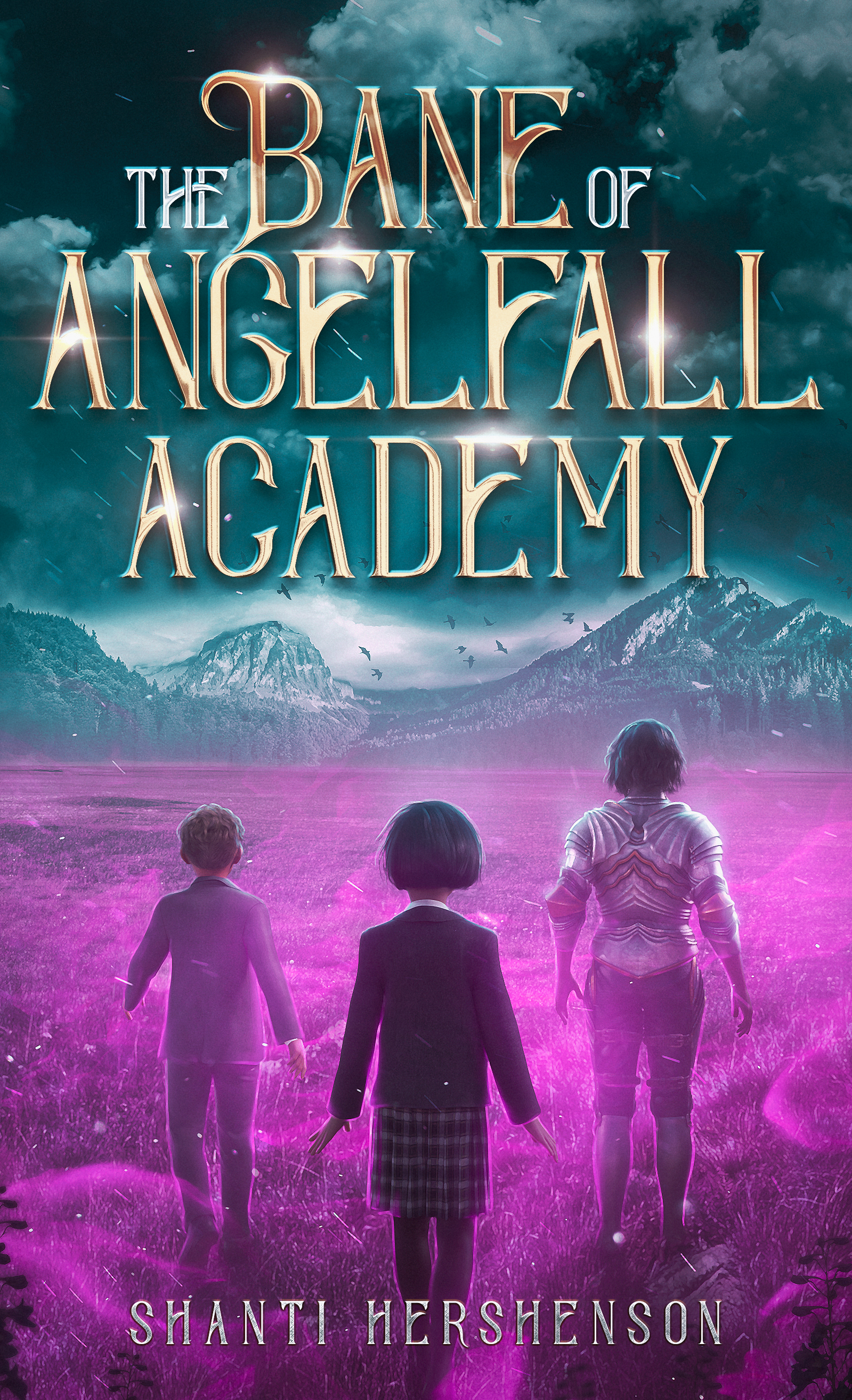
Shanti, thank you for taking the time to answer some burning questions. I’ve read that you’re in the process of publishing your thirteenth book, entitled The Bane of Angelfall Academy. Can you tell us what it’s about?
Sure! The Bane of Angelfall Academy follows a girl called Devan and her parents are both famous writers. She’s sent to a futuristic boarding school for the most talented authors, because her parents help fund the school, and it’s this nepotism thing. [Devan] loves to write, but with a lot of pressure to overcome, she feels like she’s not good at it. Then suddenly, characters from her book bleed into her reality and beg her to finish her story. Now she has to deal with this, along with navigating the student body and the twists and turns of the school. When her characters come to life, Devan realises that she has not only a novel to write, but a world to save.
When you’re writing these characters, how do you write real humans that feel alive and resonate with you?
Any character that is three dimensional doesn’t exactly have to be well-rounded, but they need to have advantages and weaknesses, including positive and negative things about their personalities. I think we need to have their future in mind to shape these characters. Some of them have my feelings poured into them, but not all, because every character can’t be like me. I enjoy using character sheets sometimes, because even if some [information] will not be in the book, at least we know things that can be brought up if needed.
Most of your books are fantasy and science fiction, which is your favourite genre. What makes you love this genre more than others?
When I was a kid, I was introduced to many science fiction books. I loved the story of a cat who was a stowaway in space. The idea of technology and the future was something I was naturally drawn to. At an early age, I was introduced to Star Wars. My first books had robots that I loved. With fantasy, I enjoy exploring new worlds and escaping reality in any brand-new place.
What is your favourite book that you wrote? Out of all the stories you’ve penned, have you ever gotten the feeling like, ‘If I could be known for any story, this is what I would want to be known for,’ and why?
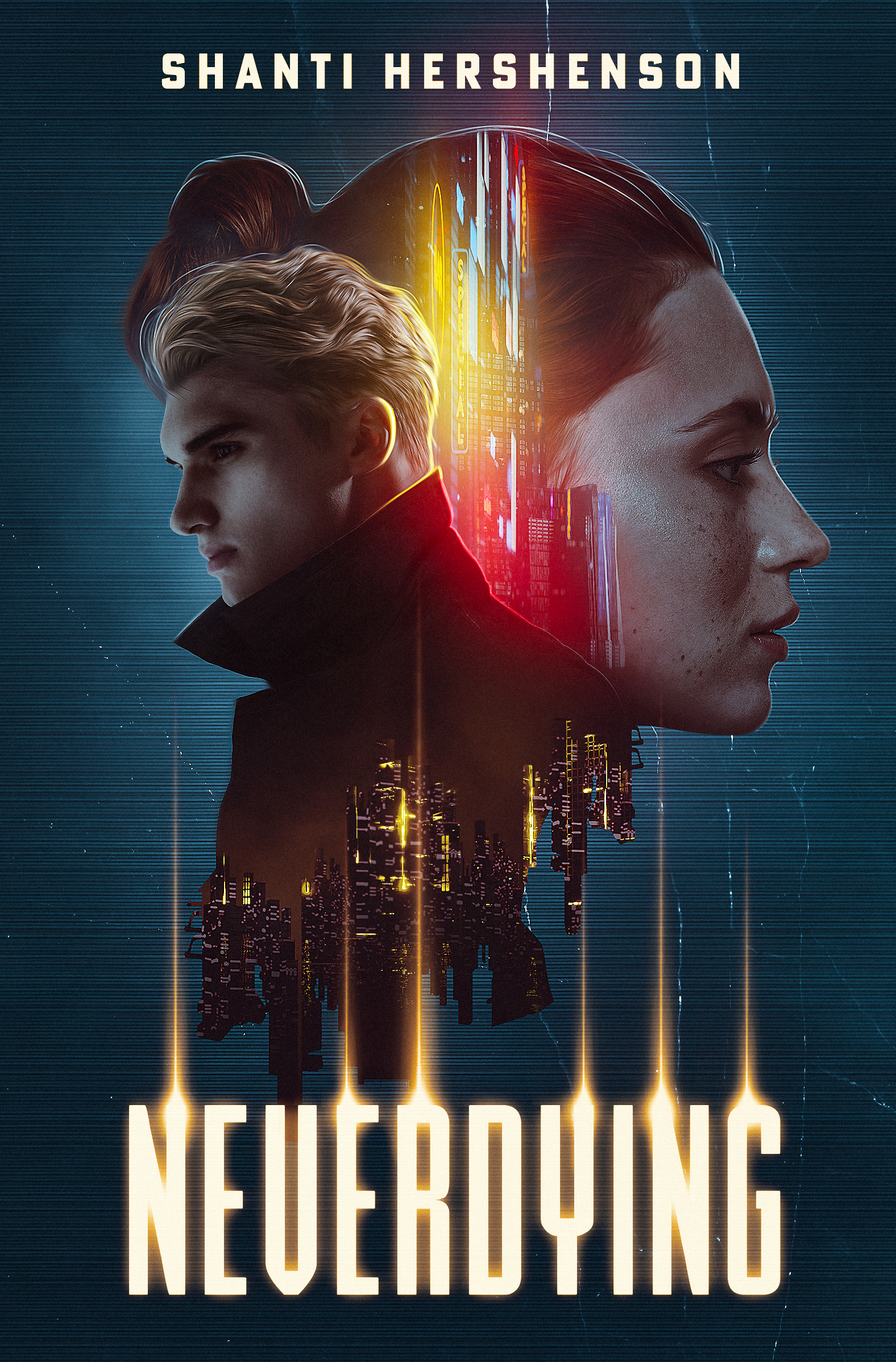
I have three books in mind. First would be The Bane of Angelfall Academy because of the plot points that were so difficult to tie together that I almost scrapped it, and I thought, ‘Man, this is my worst book.’ But during the editing process, I grew a love towards it. Otherwise, Neverdying is probably the best book I’ve published. It was a breakthrough for me when my writing improved and so did my storytelling skills. It felt like it was written by an adult, and I thought, ‘Did I actually write this? That’s crazy!’ The other book, not yet published, was what I wrote in winter, and I only have a few social media posts on it but it’s so good, it’ll probably come out in early 2024 because it’s a super long one to edit.
Your novel told in poetry, entitled You Won’t Know Her Name, perfectly shared your struggles with bullying, and it tells your real-life story as the victim of incredibly harsh bullying, which included sensitive topics. How does your poetry process differ from writing novels? Especially with difficult topics?
I did a thousand words of poetry every single day, which was about ten poems. They’re in chronological order that explain what happened [in my experience]. Some are more poetic while others are rough, but that’s okay, because the story is rough. That book was one of the hardest to write, not because the process was particularly challenging, nor because I struggled with writer’s block, but I always woke up telling myself, ‘Why are you writing this? This is a bad idea, just stop.’ That was my daily thought process, which was wrong.
You’re such a strong advocate of anti-bullying. How was writing something that guided you with life’s challenges, as reflected in your poetry book?
Poetry, and specifically shorter stories have been an outlet for my emotions. I write about things that upset and scare me, it’s a great way to lift a weight off of my chest, just getting it on paper. In the aftermath of being severely bullied, I really wanted to get the story out. I didn’t want to keep it in. Writing was a way I could process things, maybe share it with other people.
The situation was ridiculous and originally I wanted to write it as a novel, like a non-fiction of me going through the [bullying] events and sharing what I wish I could’ve said in those moments. I barely got through the second chapter. Another idea was a fiction, almost reminiscent story, and the other one was a standpoint of how I was surviving and coping afterwards. None of those ideas worked; my big problem was that I can’t use anyone’s names because I don’t want to get sued, nor call people out. I didn’t want to change the names because it felt less personal.
In the end, I realised poetry is perfect because it plays such a big role in my story, which was cool because it’s about poetry, and actually poetry.
When I was checking out your other novels, what specifically stood out to me were the blurbs. Just how concise, well written, and closely woven to the story they are. When you’re beginning your story, do you already have a blurb in mind? Or does it flow to you naturally, how do you navigate that?
Most of the time I don’t write the blurb until the halfway mark, which I did with my first book, Biome Lock, when it was time to promote it. But it really depends on the book, whether they’re challenging. Sometimes it takes multiple revisions and I let someone read through them. Other times it’s a first draft, then I’ll read it through and there is nothing to fix. With a few stories, my ideas completely change at the halfway mark. I have a weird writing process where sometimes I only know little plot points to piece together as the story goes on, then it slowly falls into place.
What are some key aspects of storytelling that you really want to focus on in your work? Whether that be character development or plot points, what do you focus the most on?
I feel you can’t have a good book without strong characters. It needs to be a character-driven story, I’m more of a character writer myself because I need to focus on their journeys. I love a strong plot, but the most underrated and overshadowed thing is the setting. I’m a sucker for vivid locations, and I strive to focus on it more.
How do you balance relationships, school, and all these other things with your passion for writing?
I had to learn a ton of time management skills that I didn’t have before. Thankfully, I’m allowed to write on my school computer during homeroom. I do as much writing as I need at home, then I’ll do schoolwork. If I have lots of schoolwork, then I do thirty minutes of that and alternate it with writing. My goal is one thousand words a day, but lately I’ve been averaging two thousand words. Learning to switch from these two was a helpful, valuable skill.
That sounds incredibly motivating. With all the passion you’ve been putting into writing, what was the exact moment where you felt like you wanted to be a writer?
In elementary school, I thought that writing books when I was older would be cool, but I wrote short stories then while thinking, ‘Maybe when I’m an adult I could write a full-length novel.’ The time I discovered that I could make this a career as a teenager was in sixth grade, when I penned two novellas with a friend, and we self-published them through Amazon KDP. They didn’t sell well, so I returned to short stories thinking, ‘I can’t write a full book and become successful.’
But one day, my family and I were at the beach, it was getting dark, and I was wondering what to do because I was very bored. I thought of watching movies or playing video games, but it felt boring. I told my sister, ‘It would be cool to write a book and say that I made it, but what would I do though?’ Then I got the idea of teenagers stuck in these biomes and they couldn’t move, and over time, that became my current four books, one of the first in the series being Biome Lock. There was a crossover novel, so in total that would be five books.
Who was your biggest inspiration when you began writing? Whether it be a popular author, famous person, close friend, anyone?
I always stop every time I get that question because it’s changed so much. There are authors of the books I’m currently reading, but then that would be such a long list. One of my inspirations is my younger self, particularly in fourth grade, because I was always creating stories. I love the idea of my younger self seeing me now and going, ‘Oh my gosh, we made it!’ Funnily enough, I’m currently working on a screenplay for school about a famous author who gets to meet her younger self.
Let’s talk about book publishing and marketing. It’s filled with overwhelming things where we have to stop actually writing in order to market. Were there particular resources that helped you through it?
Sometimes marketing is harder than writing itself. When I began writing my book, I thought, ‘These have to be successful. As a teenager, I need to make a name for myself.’ I had moments where I’d stay up really late and wonder if my work would pay off one day. I read all these blog posts that gave me lists of markets before I needed them, and that was helpful.
I began posting on TikTok, and it blew up for me. Editing Biome Lock was a challenging editing process, and during it, I ended up writing a series of novellas that got published before it. With those books, I experimented with marketing tactics as I did giveaways, and from there I kept going. Now I have a concrete plan on what gets sales, what doesn’t, and the only way to make books successful is to keep trying new things.
Sometimes the industry makes you want to focus on a specific type of book. How do you manage these expectations while still staying true to what you love writing?
If I’m writing something because other people want it, then it wouldn’t be as great. Fan service is awesome and I like putting little things in my book that readers suggest, but only when I agree with it. People push for mature scenes in my books all the time, but I ignore it because it isn’t my genuine work. I think people who write more mature books are cool, but I’m fifteen; I don’t want adults to read books that don’t stay true to my audience.
Some reviewers go, ‘When is it gonna get spicy?’ but it’s a young adult novel and I also need to stay true to myself. There’s a lot of pressure on authors to stay in one genre and stick to that, but I want to experiment with a variety of books, which means having more readers and reaching more people. I want to write books targeted to teens, then also kids, too.
You’ve been consistent with social media posts, with over fifty thousand followers on TikTok. How do you continue doing something that can get extremely draining, and not let it affect your mental health?
Tiktok is one of my biggest resources for marketing, but it’s also a struggle. For every one hundred comments that are nice and supportive, there’s a rude person. Although I don’t get that many hate comments, occasionally some are pretty mean. There was an incident where someone uploaded my TikTok for free in a compilation with other TikTok videos related to books and writing, but they misspelled something in the caption and everyone thought it was me who wrote it. They absolutely came for me! Luckily that’s all sorted out now.
How do you convert negativity and experiences like this into art, and into your stories?
I remind myself that every successful writer faces criticism. In every book signing, there are questions asked [regarding] how to deal with negative reviews, and every author’s answer varies. But for me, when the review is constructive, then I’ll apply it to my next book and forget about the first, because it’s already published after all. It’s also important to remember that people like different things, and sometimes they’re not even part of your target audience, so no book like yours would appeal to them. We have to focus on the positive people, and make their voices louder than the negative ones.
Last question. This is such a cliché one, but seriously, what is the most valuable advice you could give another young, emerging author, specifically your younger self?
Okay, I can get pretty corny and cliché about this too. Don’t let your age get in the way of your dreams. Don’t join the military when you’re ten years old, though! But for things like writing, you’re never too young or old to create a book. When you’re four, you can still scribble on paper, make a children’s book. A lot of kids that are twelve, thirteen, fourteen, or fifteen, you start discovering what they want to do. Sadly, many of them are told that they’re too young. But with enough practice, a thirteen-year-old can write better than an adult. A tip that goes along with this is try to write every day. If you miss one day or more, that’s totally fine, but just attempt to. Forming a routine trains your brain and helps you get into the author habit. You’re testing out new territory and improving with every passing sentence, so start early and be consistent.
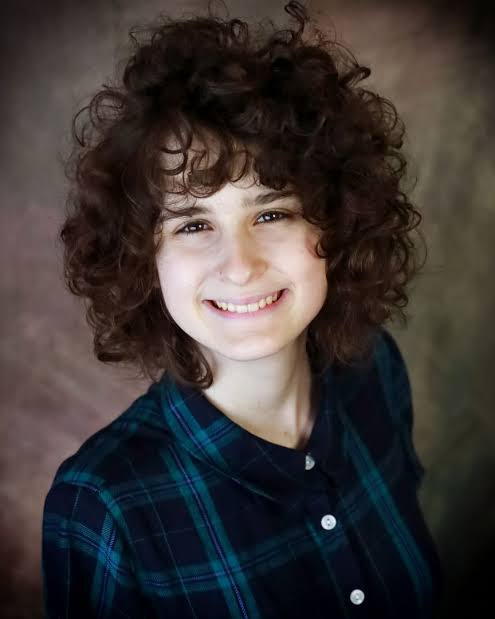
Shanti Hershenson’s first two novellas were published when she was in the sixth grade, although her writing journey started long before then. Ever since she could hold a pencil, marker, or crayon, she was creating stories. They started from pictures, mere scribbles, and eventually, turned into captivating tales.
She lives in California with her parents, sister, and furry friends. Besides writing, she enjoys skateboarding, Beyblading, free-running, falconry, and of course, reading.
She writes in a variety of genres, including Science Fiction, Fantasy, and Historical Fiction, although she mostly sticks to Sci-Fi.
She advocates for anti-bullying, and you may find her at open mic-nights, performing her spoken word poem Needles & Thorns, which is about the struggle of bullying in middle schools.
About Cailey:
Cailey Tin is a mixed-raced staff writer and podcast co-host at The Incandescent Review, and an interview editor at Paper Crane Journal. Her work was awarded by Spillwords Press and published in Fairfield Scribes, Globe Review, Alien Magazine, The Inflections, and more, under the pen name Cailey Tarriane. During her free time, she plays the piano or watches children’s shows with her dog.
PaperBound Magazine is an online magazine for the young, and the young at heart. We are dedicated to showcasing authors and illustrators for children’s and young adult fiction and we strive to deliver inspiring content, uplifting stories, and top tips for young and aspiring writers yet to burst on to the literary scene.
All our issues are completely free and run by volunteers, however if you would like to support PaperBound and the work we do, you can help us out by buying us a virtual book. We appreciate any support you can give us!
Don’t forget you can catch up with the latest issues of PaperBound Magazine here.






 PaperBound Magazine