article, Blog, Blog series, Bookshelf, Interview, Interviews, on writing, Writing craft

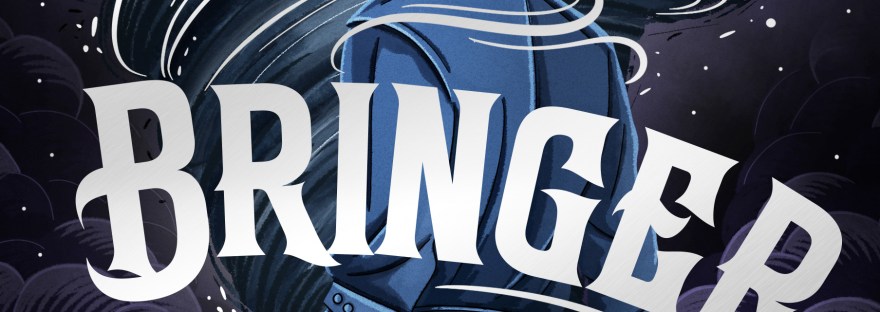
Interview: Tig Wallace on whirlwind YA debut Storm Bringer

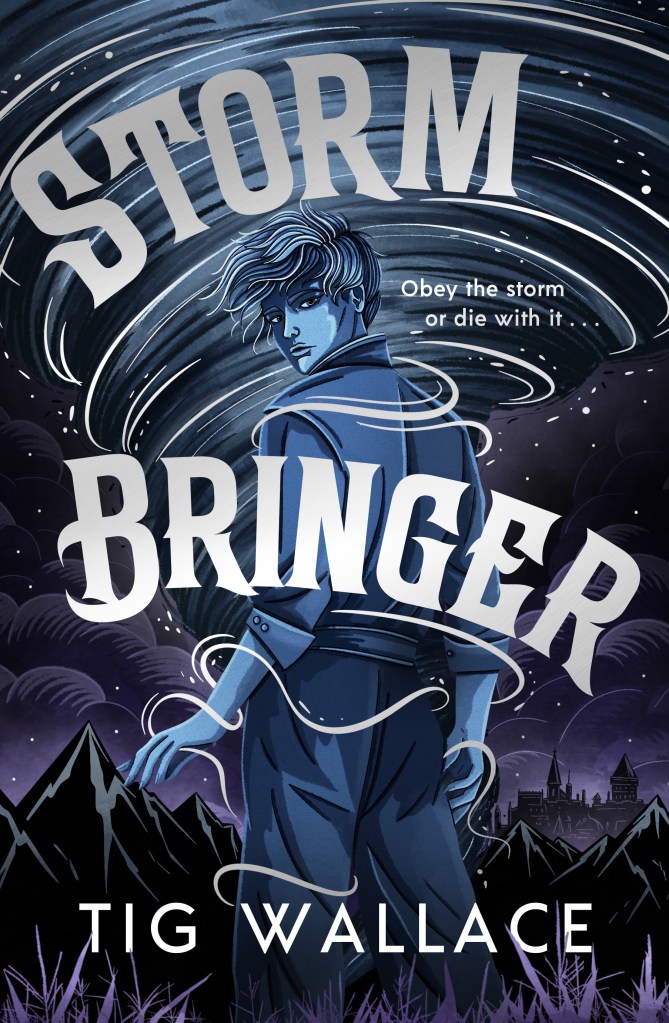
Absolutely, and thank you for having me. Storm Bringer is a YA fantasy novel, set in a world besieged by big magical storms. The protagonist, Amelio, has lived in relative shelter for the past ten years, but has to, quite literally, venture into the storm when his mother goes missing. He encounters a world he never really knew and has to come to terms with a power he didn’t know he had, as the biggest storm ever threatens to destroy everything. It’s a bit like the movie Twisters but with tons of magic and a younger – and more rebellious – cast.  

It’s wonderful, if a little strange, to be on the other side of the table – I feel very lucky to get to do both. What’s surprised me the most is how brand new everything feels as an author. I went into it thinking I’d be able to anticipate some of how I’d feel, having a bit of inside scoop on the process, but that hasn’t been the case at all. I feel just as excited, nervous, and caught up in a whole range of emotions as every other author. People are kind and gerenous and I’ve been very well supported by everyone. I do sometimes have to turn my editor brain off though! 

I read an article years ago about a woman who chased eclipses – catching flights west during lunar events to see them as many times as she could, or for as long as possible. It stuck with me and morphed into an idea about chasing storms instead and eventually into an image in my mind of a teenager facing down an apocalyptic tornado. That was the seed of it all. I put it on the back burner initially to try writing other things, but kept coming back to it, and finally decided to write it. 

I knew I wanted to write fantasy that was action-packed and pacy, and hopefully also funny amidst all the peril. I always loved fantasy, whether classic or modern in feel, from Ursula Le Guin to Garth Nix to Leigh Bardugo, but also books that feel like blockbusters, like Matthew Reilly’s and Anthony Horowitz’s Alex Rider. I also love a disaster movie. So I thought, what if I bring all those things I love together…and the result is Storm Bringer. 

I’m glad they are terrifying! Yes, that was always the vision, and I knew I wanted to open with something big and startling to set the tone for what’s to come. There’s of course a great tradition of weather magic in fantasy novels, but I didn’t feel like I’d read anything where storms themselves are so innately magical and destructive. When I landed on that as an idea, it just seemed like something that made this world unique…and that it would be fun to write. I love a big set piece and I had a great time working out what would feel most dramatic on the page. But I also loved the idea that we might learn a lot about the characters by throwing them into massive storms. In Storm Bringer, life and death scenarios bring true feelings to the surface in the most intense moments. 

From the first iteration of the book I had ‘the Fault’ – the abyss that separates the two sides – but the rest took a long time to craft and work out. The magic vs no magic distinction wasn’t enough, so I spent time thinking about the history of the two places, their geographies, their mythologies, their beliefs, and tried to bring that through in the text. It’s funny, there’s actually loads more I wrote about Amrigo that didn’t make it into the final version of the book, for good reason. The thrust of the action takes place in Nimira and the book would have been much too long if we spent longer in Amrigo, but I was sad to leave Dex behind so soon in the story. Watch this space though! 

In The Hunger Games I love that Panem is a fantasy world based in reality, set on the North American continent. I drew inspiration from that a little for Storm Bringer – although it’s a pure fantasy world, I wanted it to feel like it could be ours with a big twist. A bit like the alternate Oxford we see in Northern Lights. I’m a huge sci-fi fan as well and I guess when I pictured Amrigo – at least where Amelio lives – I imagined something like the dusty, solitary peripheral towns in Blade Runner or the industrial off-world settlements in the Alien franchise. A place that’s gritty and unforgiving, geared towards function. 

Ooh, what a great question. I would have to say magic: I think however you define it, there is an exciting, unknown about it that represents something distinct from our own world. 

When it comes to Storm Bringer I’m most interested in how both magic and science are changing. As the book starts, we see magic has been declining, science on the rise, and the different attitudes and beliefs towards both, depending where you are in the world. These beliefs stem from history that has become mythology, and I’ve enjoyed exploring this through Amelio’s eyes. We see that both originate from the same source and I think there’s lots to explore in the grey area where the two meet. 

I am busy working away on the sequel to Storm Bringer, which is the first of three of books. Book two picks up pretty soon after the events of book one and readers can expect lots more from our three main characters, each of them dealing with something pretty major after the conclusion of the previous story. Book two roves further across the map, deepens the mythology of the world, showcases bigger magic and, of course, features lots of massive storms.  

I’m going to start by telling you my worst habit – as both an author and editor – which is that my default is to think I need a big chunk of time to start writing or editing. It’s not true. Big chunks of time are great of course, but don’t always present themselves. So, my first piece of advice is to sit down and write, even if you only have half an hour. 

The second tip is also about the writing itself: help tomorrow’s you by where you leave your writing today. I feel much less daunted, and much better equipped, to start writing when I’ve left myself in a good spot in the previous session. I leave myself scrappy notes in the document to remind myself what I have to do next, and I often pause writing before I’ve finished a scene or chapter, because I find it’s easier to get back into the flow that way, rather than starting a brand new scene from cold. 

My final tip is a classic with a twist I guess. Write the book you really want to write, not the one you think you should write – I can vouch for that first hand. That said, I think it’s really smart to equip yourself with as much market knowledge as you can. Go to book shops, trawl online, look at publisher catalogues to get a sense of what else is out there and working well. Think about which books you’d love to see yours sitting alongside in a shop. When it comes to approaching an agent, a publisher, or self-publishing, it will make your book feel more commercial and help it find its audience. 

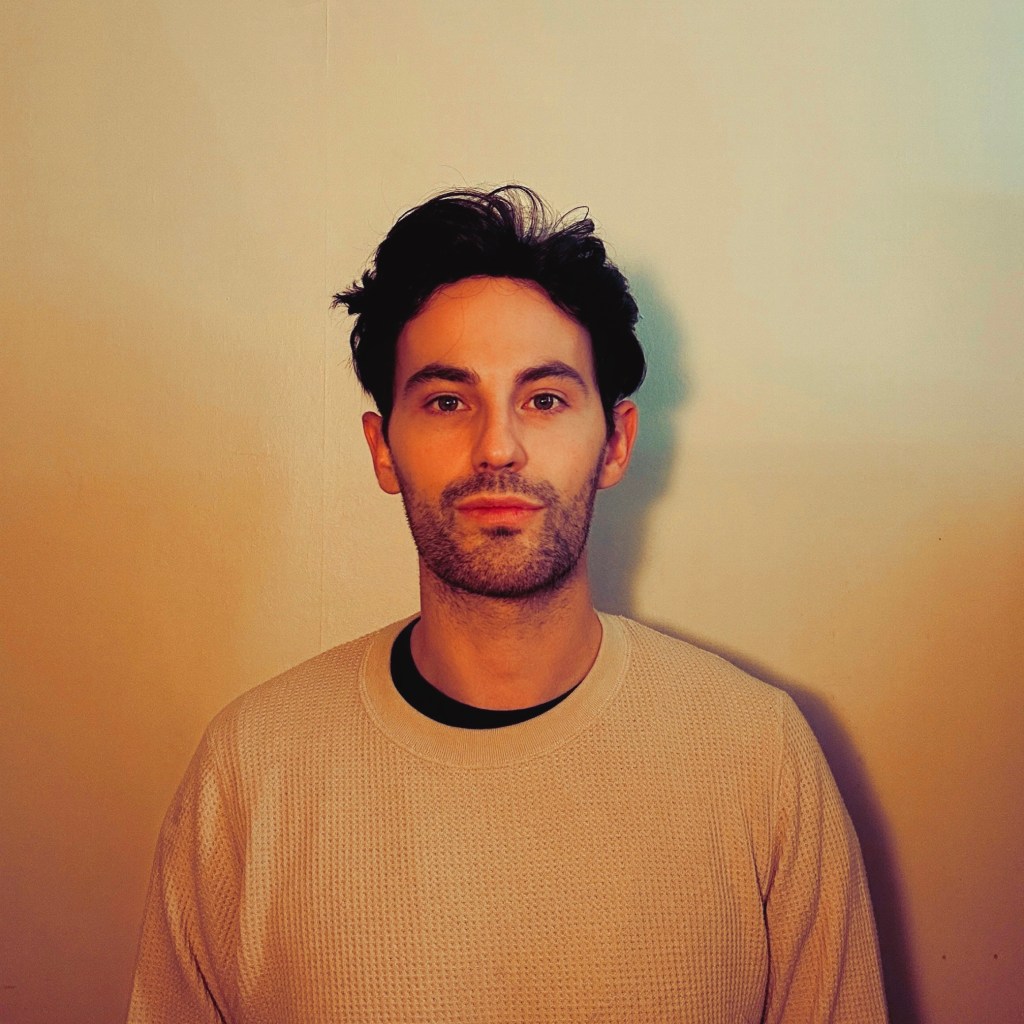
Tig Wallace grew up in a town between London and Oxford, reading as much fantasy as possible. After work as a runner on movies, and a brief, eye-opening experience working in magazines, Tig started a career in book publishing as an editor. Tig is a keen tennis fan, as both spectator and player, a cat enthusiast, and has never been known to say no to karaoke. He lives in London. Storm Bringer is his first book. 
PaperBound Magazine is an online magazine and blog for the young, and the young at heart. We are dedicated to showcasing authors and illustrators for children’s and young adult fiction and we strive to deliver inspiring content, uplifting stories, and top tips for young and aspiring writers yet to burst on to the literary scene.

All our issues are completely free and run by volunteers, however if you would like to support PaperBound and the work we do, you can help us out by buying us a virtual book. We appreciate any support you can give us!

Don’t forget you can read with the latest issues of PaperBound Magazine – completely free – here.

Blog, Blog series, Bookshelf, Interview, Interviews, on writing, Writing craft

Interview: YA author Cynthia So on their new release ‘This Feast of a Life’

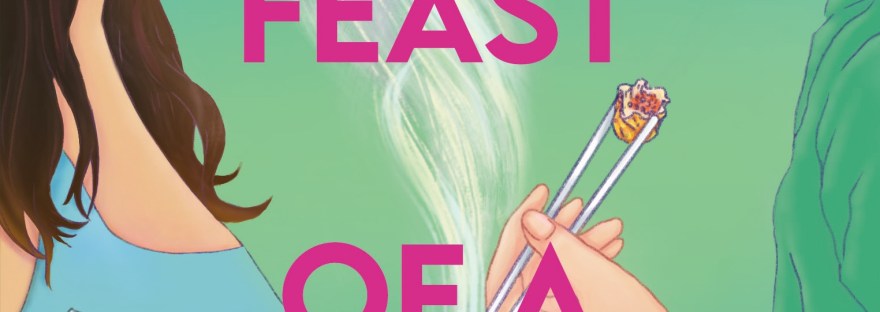
This Feast of a Life centres on the lives of two teenagers, Auden and Valerie. Auden is learning how to cook from their parents, and they start a food blog where they can record their family’s recipes along with the stories that come with them. It’s also a space for them to use their new name, Auden, which they just picked for themself and don’t feel comfortable using anywhere else yet. 

Valerie’s mum, who loved cooking, passed away over a year ago – and the kitchen’s been left unused because Valerie and her dad both don’t know how to cook. But when Valerie discovers Auden’s food blog, it sparks a curiosity about food and cooking – as well as about the writer of the blog. Soon Auden and Valerie are meeting up and reviewing restaurants together, but will they figure out what it is that they’re truly hungry for in their lives? 

The initial idea for the book came from thinking about food blogs and how everyone always complains about the long preamble you have to scroll through before you get to the recipe. But sometimes I actually find the preamble kind of charming! So I thought: what if you fell in love with someone through reading their recipe preambles? It’s not quite what happens in the book in the end, but that’s the nugget of an idea that I started with.

I always knew that it had to be dual narrative based on the story I was trying to tell, which boiled down to this: the love story of two chaotic bisexuals who are deeply terrified of committing to a relationship for very different reasons. (Or at least Auden thinks of themself as bisexual in the beginning of the book, although their understanding of their sexuality evolves.) 

It’s crucial to the book that Auden and Valerie have extremely contrasting approaches to romance and dating, and I wanted to give them both equal space to explore their feelings.

I’ve never written a food blog, but I was a book blogger for a while. That and my experiences in fandom as well showed me what it was like to connect with someone online through a shared interest, and how absolutely vital some of those connections can feel. 

I’m very inspired by a lot of food blogs I come across! I especially love the Woks of Life, written by a family of four Chinese American cooks who also share stories from their travels. I love the warm vibe of this blog and the fact that there’s a whole family working on it together.  

Similarly, Made with Lau is a blog created by the son of a Chinese chef, to share his father’s recipes with the world, and the recipes are so wonderful because they’re also accompanied by videos of his father making them.

Yes, absolutely. As mentioned above, part of the joy of writing a dual narrative book is contrast, and it was fun to flesh out what makes Auden and Valerie so different. I loved writing a bigger, bustling family and exploring the pros and cons of being the baby of that family. It was nice to alternate between that and the quiet stillness of Valerie’s life – and I took care to show how important chosen family is, and how Valerie spends a lot of her time with her best friend and her best friend’s older sister. They’re family to her. But there’s still so much emptiness, especially when she goes home. I wanted to contrast that against Auden’s home life to really emphasise what’s missing from Valerie’s. 

However, both Auden and Valerie are in fact quite lonely characters, even if Auden has a much bigger family. I wanted readers to understand that it doesn’t matter how many people you have around you – loneliness comes from not being seen, and neither Auden nor Valerie feel very seen at the beginning of the book.

I’d love to say I have a writing routine, but I sadly don’t. Writing my first book and writing my second book felt like such different experiences, and I expect it will be the same every time I write a book – I will have to find a new way to write it. 

I’ve been writing stories ever since I can remember, but I stopped dreaming about publication somewhere along the way. Being selected as a New Voice for Proud, the 2019 LGBTQ+ YA anthology published by Little Tiger, changed my life. It helped me see a path towards writing as a career, and I started working hard on my first novel after that. My first book, If You Still Recognise Me, came out in June 2022, and it was wonderful to be shortlisted for the Waterstones Children’s Book Prize and the YA Book Prize in 2023. I love getting messages from readers who tell me that If You Still Recognise Me made them feel less alone, and I hope that This Feast of a Life will reach people in the same way. .

Know why you want to write for young adults, that’s the first thing. For me, it’s because I know how formative books were when I was that age, and how life-saving the right book could be. I felt a lot of things as a teenager that I really relied on books to help me navigate. 

The second thing is to have a very clear understanding of why you want to write this particular story, and what is most important to you about it. Writing a book takes a long time, and sometimes it’s easy to lose sight of why you’re doing it, and the overall shape of the story you want to tell, when you’re in the middle of wrangling plot points and herding characters. So make sure you know the heart of it: what about this story makes you feel alive writing it? Never forget that part. 

I’m always, always fond of writing moments of realisation in romance – when characters realise they want each other, and when characters give into that want.

Valerie’s journey with her grief felt very meaningful to me, and I loved giving her the space to express that grief in a variety of ways. 

I’m always, always fond of writing moments of realisation in romance – when characters realise they want each other, and when characters give into that want. This book was no exception! It’s like a roller coaster for me, the ones with the long, slow climb towards the top that feels almost torturous, and then the exhilarating rush of descent at the end. 

And of course, the food! I never tire of writing descriptions of food, honestly.

Cynthia So

Cynthia So is the author of If You Still Recognise Me, which was shortlisted for the Waterstones Children’s Book Prize and the YA Book Prize in 2023. They were one of the new voices in Proud, an anthology of LGBTQ+ YA stories, poems, and art by LGBTQ+ creators, published in 2019. Their short fiction and poetry have also appeared in Uncanny Magazine, Strange Horizons, and Anathema, among others. Cynthia was born in Hong Kong and lives in London with their wife.

PaperBound Magazine is an online magazine for the young, and the young at heart. We are dedicated to showcasing authors and illustrators for children’s and young adult fiction and we strive to deliver inspiring content, uplifting stories, and top tips for young and aspiring writers yet to burst on to the literary scene.

All our issues are completely free and run by volunteers, however if you would like to support PaperBound and the work we do, you can help us out by buying us a virtual book. We appreciate any support you can give us!

Don’t forget you can read with the latest issues of PaperBound Magazine – completely free – here.

Blog, Interview, Interviews

Interview: Shanti Hershenson in conversation with Cailey Tin

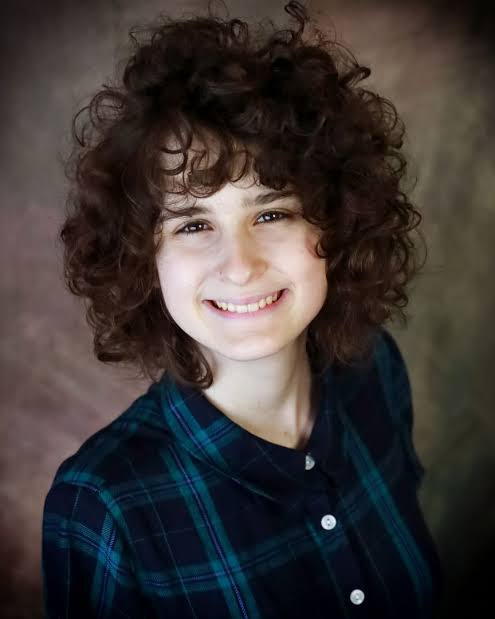
We are delighted to share an interview of Shanti Hershenson in conversation with Cailey Tin. Shanti Herhenson is a teen author who has published a number of books, from science fiction novels to a book told in poetry.

Here, she discusses her creative writing process, how she overcame bullying by using writing as an outlet, becoming a social media star, marketing her own books, and making a name for herself in the publishing world.

Being a teenager is tough, but she wrote around all of these obstacles and that inspires so many aspiring young creators today.   

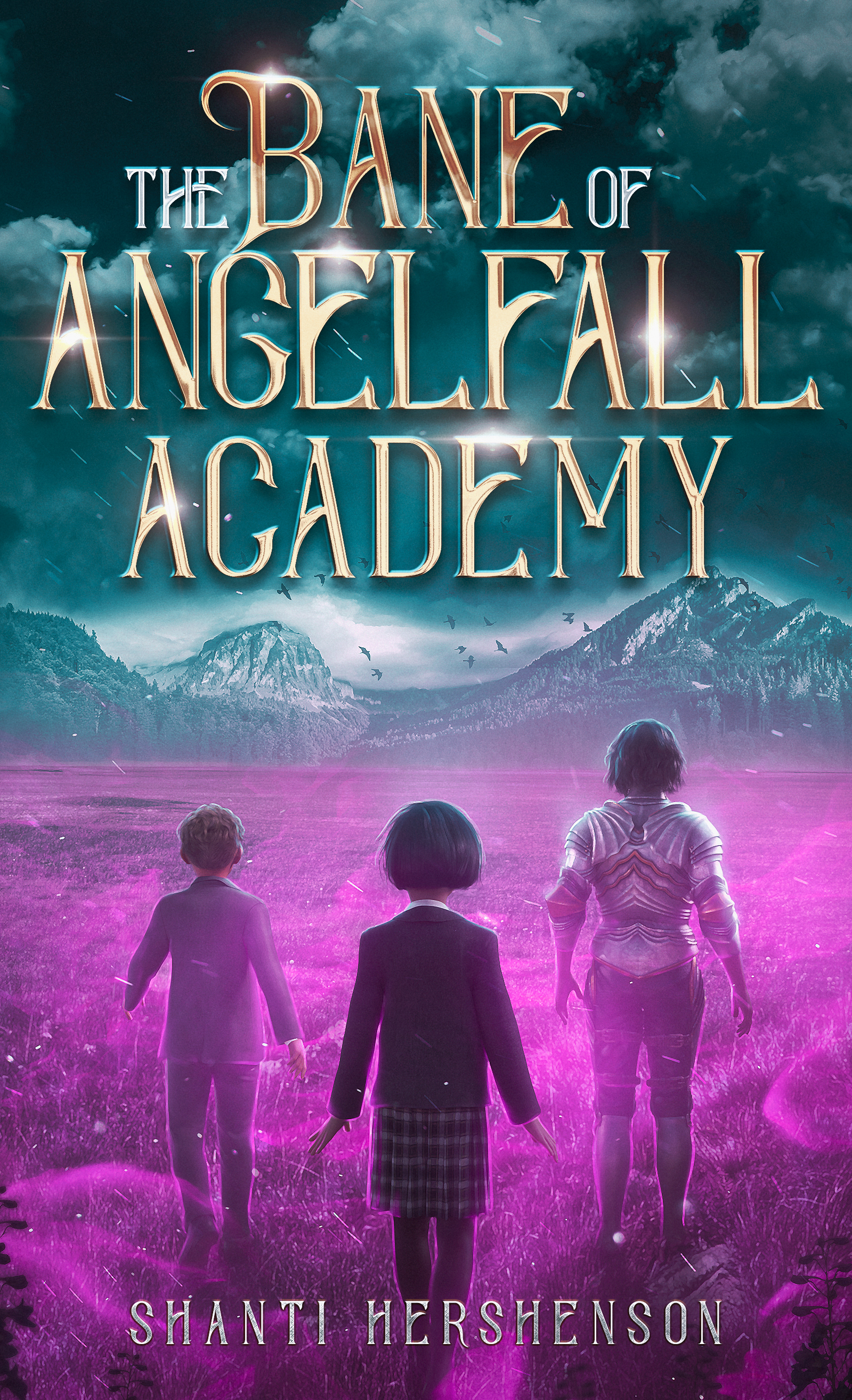
Shanti, thank you for taking the time to answer some burning questions. I’ve read that you’re in the process of publishing your thirteenth book, entitled The Bane of Angelfall Academy. Can you tell us what it’s about?

Sure! The Bane of Angelfall Academy follows a girl called Devan and her parents are both famous writers. She’s sent to a futuristic boarding school for the most talented authors, because her parents help fund the school, and it’s this nepotism thing. [Devan] loves to write, but with a lot of pressure to overcome, she feels like she’s not good at it. Then suddenly, characters from her book bleed into her reality and beg her to finish her story. Now she has to deal with this, along with navigating the student body and the twists and turns of the school. When her characters come to life, Devan realises that she has not only a novel to write, but a world to save. 

When you’re writing these characters, how do you write real humans that feel alive and resonate with you?

Any character that is three dimensional doesn’t exactly have to be well-rounded, but they need to have advantages and weaknesses, including positive and negative things about their personalities. I think we need to have their future in mind to shape these characters. Some of them have my feelings poured into them, but not all, because every character can’t be like me. I enjoy using character sheets sometimes, because even if some [information] will not be in the book, at least we know things that can be brought up if needed.  

Most of your books are fantasy and science fiction, which is your favourite genre. What makes you love this genre more than others?  

When I was a kid, I was introduced to many science fiction books. I loved the story of a cat who was a stowaway in space. The idea of technology and the future was something I was naturally drawn to. At an early age, I was introduced to Star Wars. My first books had robots that I loved. With fantasy, I enjoy exploring new worlds and escaping reality in any brand-new place.  

What is your favourite book that you wrote? Out of all the stories you’ve penned, have you ever gotten the feeling like, ‘If I could be known for any story, this is what I would want to be known for,’ and why? 

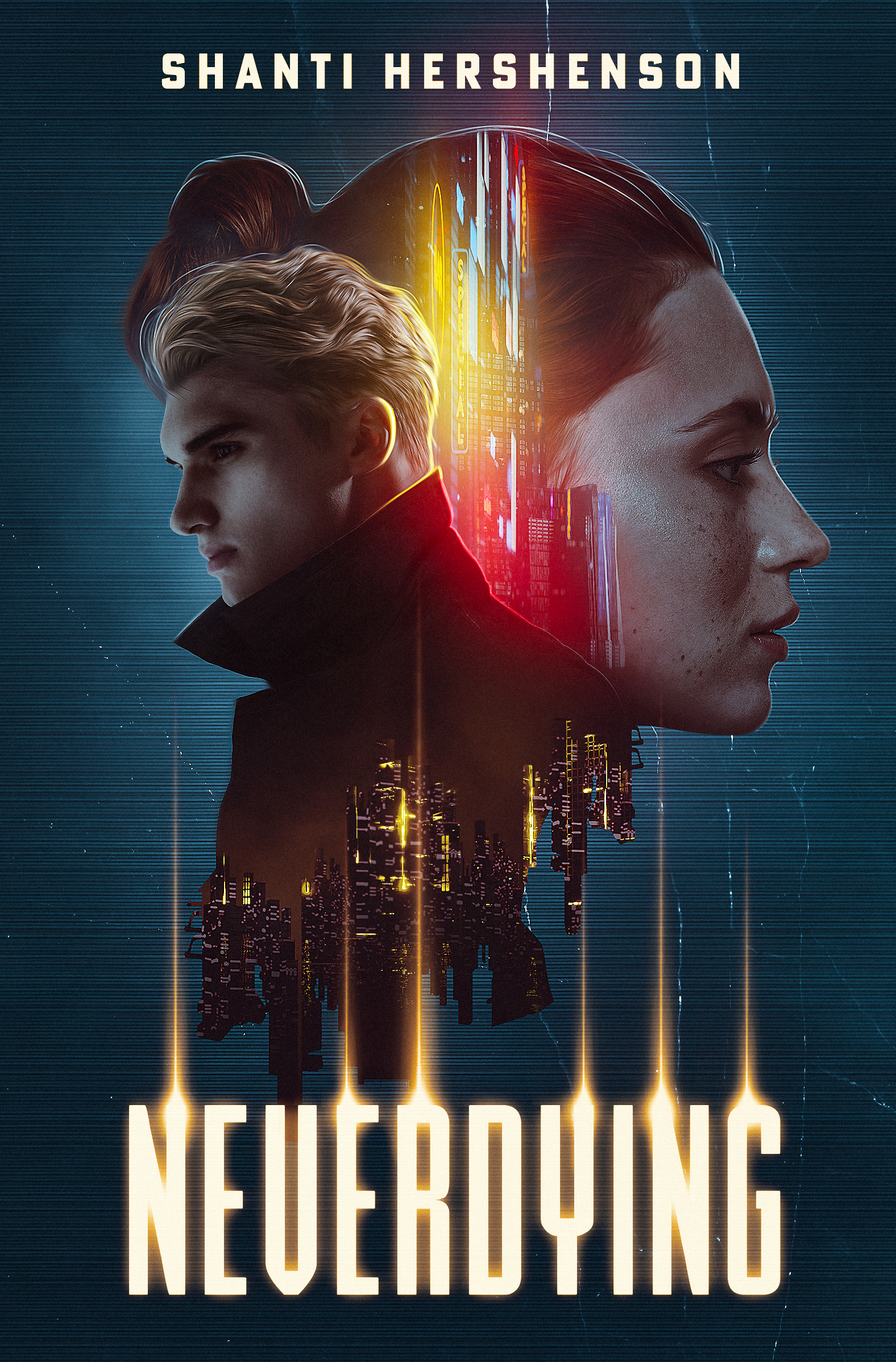
I have three books in mind. First would be The Bane of Angelfall Academy because of the plot points that were so difficult to tie together that I almost scrapped it, and I thought, ‘Man, this is my worst book.’ But during the editing process, I grew a love towards it. Otherwise, Neverdying is probably the best book I’ve published. It was a breakthrough for me when my writing improved and so did my storytelling skills. It felt like it was written by an adult, and I thought, ‘Did I actually write this? That’s crazy!’ The other book, not yet published, was what I wrote in winter, and I only have a few social media posts on it but it’s so good, it’ll probably come out in early 2024 because it’s a super long one to edit.  

Your novel told in poetry, entitled You Won’t Know Her Name, perfectly shared your struggles with bullying, and it tells your real-life story as the victim of incredibly harsh bullying, which included sensitive topics. How does your poetry process differ from writing novels? Especially with difficult topics?  

I did a thousand words of poetry every single day, which was about ten poems. They’re in chronological order that explain what happened [in my experience]. Some are more poetic while others are rough, but that’s okay, because the story is rough. That book was one of the hardest to write, not because the process was particularly challenging, nor because I struggled with writer’s block, but I always woke up telling myself, ‘Why are you writing this? This is a bad idea, just stop.’ That was my daily thought process, which was wrong.  

You’re such a strong advocate of anti-bullying. How was writing something that guided you with life’s challenges, as reflected in your poetry book? 

Poetry, and specifically shorter stories have been an outlet for my emotions. I write about things that upset and scare me, it’s a great way to lift a weight off of my chest, just getting it on paper. In the aftermath of being severely bullied, I really wanted to get the story out. I didn’t want to keep it in. Writing was a way I could process things, maybe share it with other people.

The situation was ridiculous and originally I wanted to write it as a novel, like a non-fiction of me going through the [bullying] events and sharing what I wish I could’ve said in those moments. I barely got through the second chapter. Another idea was a fiction, almost reminiscent story, and the other one was a standpoint of how I was surviving and coping afterwards. None of those ideas worked; my big problem was that I can’t use anyone’s names because I don’t want to get sued, nor call people out. I didn’t want to change the names because it felt less personal.

In the end, I realised poetry is perfect because it plays such a big role in my story, which was cool because it’s about poetry, and actually poetry. 

When I was checking out your other novels, what specifically stood out to me were the blurbs. Just how concise, well written, and closely woven to the story they are. When you’re beginning your story, do you already have a blurb in mind? Or does it flow to you naturally, how do you navigate that?   

Most of the time I don’t write the blurb until the halfway mark, which I did with my first book, Biome Lock, when it was time to promote it. But it really depends on the book, whether they’re challenging. Sometimes it takes multiple revisions and I let someone read through them. Other times it’s a first draft, then I’ll read it through and there is nothing to fix. With a few stories, my ideas completely change at the halfway mark. I have a weird writing process where sometimes I only know little plot points to piece together as the story goes on, then it slowly falls into place. 

What are some key aspects of storytelling that you really want to focus on in your work? Whether that be character development or plot points, what do you focus the most on?

I feel you can’t have a good book without strong characters. It needs to be a character-driven story, I’m more of a character writer myself because I need to focus on their journeys. I love a strong plot, but the most underrated and overshadowed thing is the setting. I’m a sucker for vivid locations, and I strive to focus on it more. 

How do you balance relationships, school, and all these other things with your passion for writing?  

I had to learn a ton of time management skills that I didn’t have before. Thankfully, I’m allowed to write on my school computer during homeroom. I do as much writing as I need at home, then I’ll do schoolwork. If I have lots of schoolwork, then I do thirty minutes of that and alternate it with writing. My goal is one thousand words a day, but lately I’ve been averaging two thousand words. Learning to switch from these two was a helpful, valuable skill.  

That sounds incredibly motivating. With all the passion you’ve been putting into writing, what was the exact moment where you felt like you wanted to be a writer? 

In elementary school, I thought that writing books when I was older would be cool, but I wrote short stories then while thinking, ‘Maybe when I’m an adult I could write a full-length novel.’ The time I discovered that I could make this a career as a teenager was in sixth grade, when I penned two novellas with a friend, and we self-published them through Amazon KDP. They didn’t sell well, so I returned to short stories thinking, ‘I can’t write a full book and become successful.’

But one day, my family and I were at the beach, it was getting dark, and I was wondering what to do because I was very bored. I thought of watching movies or playing video games, but it felt boring. I told my sister, ‘It would be cool to write a book and say that I made it, but what would I do though?’ Then I got the idea of teenagers stuck in these biomes and they couldn’t move, and over time, that became my current four books, one of the first in the series being Biome Lock. There was a crossover novel, so in total that would be five books.  

Who was your biggest inspiration when you began writing? Whether it be a popular author, famous person, close friend, anyone?

I always stop every time I get that question because it’s changed so much. There are authors of the books I’m currently reading, but then that would be such a long list. One of my inspirations is my younger self, particularly in fourth grade, because I was always creating stories. I love the idea of my younger self seeing me now and going, ‘Oh my gosh, we made it!’ Funnily enough, I’m currently working on a screenplay for school about a famous author who gets to meet her younger self. 

Let’s talk about book publishing and marketing‌. It’s filled with overwhelming things where we have to stop actually writing in order to market. Were there particular resources that helped you through it?

Sometimes marketing is harder than writing itself. When I began writing my book, I thought, ‘These have to be successful. As a teenager, I need to make a name for myself.’ I had moments where I’d stay up really late and wonder if my work would pay off one day. I read all these blog posts that gave me lists of markets before I needed them, and that was helpful.

I began posting on TikTok, and it blew up for me. Editing Biome Lock was a challenging editing process, and during it, I ended up writing a series of novellas that got published before it. With those books, I experimented with marketing tactics as I did giveaways, and from there I kept going. Now I have a concrete plan on what gets sales, what doesn’t, and the only way to make books successful is to keep trying new things.  

Sometimes the industry makes you want to focus on a specific type of book. How do you manage these expectations while still staying true to what you love writing?

If I’m writing something because other people want it, then it wouldn’t be as great. Fan service is awesome and I like putting little things in my book that readers suggest, but only when I agree with it. People push for mature scenes in my books all the time, but I ignore it because it isn’t my genuine work. I think people who write more mature books are cool, but I’m fifteen; I don’t want adults to read books that don’t stay true to my audience.

Some reviewers go, ‘When is it gonna get spicy?’ but it’s a young adult novel and I also need to stay true to myself. There’s a lot of pressure on authors to stay in one genre and stick to that, but I want to experiment with a variety of books, which means having more readers and reaching more people. I want to write books targeted to teens, then also kids, too.  

You’ve been consistent with social media posts, with over fifty thousand followers on TikTok. How do you continue doing something that can get extremely draining, and not let it affect your mental health?  

Tiktok is one of my biggest resources for marketing, but it’s also a struggle. For every one hundred comments that are nice and supportive, there’s a rude person. Although I don’t get that many hate comments, occasionally some are pretty mean. There was an incident where someone uploaded my TikTok for free in a compilation with other TikTok videos related to books and writing, but they misspelled something in the caption and everyone thought it was me who wrote it. They absolutely came for me! Luckily that’s all sorted out now. 

How do you convert negativity and experiences like this into art, and into your stories? 

I remind myself that every successful writer faces criticism. In every book signing, there are questions asked [regarding] how to deal with negative reviews, and every author’s answer varies. But for me, when the review is constructive, then I’ll apply it to my next book and forget about the first, because it’s already published after all. It’s also important to remember that people like different things, and sometimes they’re not even part of your target audience, so no book like yours would appeal to them. We have to focus on the positive people, and make their voices louder than the negative ones.  

Last question. This is such a cliché one, but seriously, what is the most valuable advice you could give another young, emerging author, specifically your younger self?  

Okay, I can get pretty corny and cliché about this too. Don’t let your age get in the way of your dreams. Don’t join the military when you’re ten years old, though! But for things like writing, you’re never too young or old to create a book. When you’re four, you can still scribble on paper, make a children’s book. A lot of kids that are twelve, thirteen, fourteen, or fifteen, you start discovering what they want to do. Sadly, many of them are told that they’re too young. But with enough practice, a thirteen-year-old can write better than an adult. A tip that goes along with this is try to write every day. If you miss one day or more, that’s totally fine, but just attempt to. Forming a routine trains your brain and helps you get into the author habit. You’re testing out new territory and improving with every passing sentence, so start early and be consistent. 

Shanti Hershenson’s first two novellas were published when she was in the sixth grade, although her writing journey started long before then. Ever since she could hold a pencil, marker, or crayon, she was creating stories. They started from pictures, mere scribbles, and eventually, turned into captivating tales.

She lives in California with her parents, sister, and furry friends. Besides writing, she enjoys skateboarding, Beyblading, free-running, falconry, and of course, reading.

She writes in a variety of genres, including Science Fiction, Fantasy, and Historical Fiction, although she mostly sticks to Sci-Fi.

She advocates for anti-bullying, and you may find her at open mic-nights, performing her spoken word poem Needles & Thorns, which is about the struggle of bullying in middle schools.

About Cailey:

Cailey Tin is a mixed-raced staff writer and podcast co-host at The Incandescent Review, and an interview editor at Paper Crane Journal. Her work was awarded by Spillwords Press and published in Fairfield Scribes, Globe Review, Alien Magazine, The Inflections, and more, under the pen name Cailey Tarriane. During her free time, she plays the piano or watches children’s shows with her dog.

PaperBound Magazine is an online magazine for the young, and the young at heart. We are dedicated to showcasing authors and illustrators for children’s and young adult fiction and we strive to deliver inspiring content, uplifting stories, and top tips for young and aspiring writers yet to burst on to the literary scene.

All our issues are completely free and run by volunteers, however if you would like to support PaperBound and the work we do, you can help us out by buying us a virtual book. We appreciate any support you can give us!

Don’t forget you can catch up with the latest issues of PaperBound Magazine here.