Uncle Zeedie - The Blood Texts
article, Blog, Blog series, Bookshelf, on writing, Writing craft

Halloween guest post: 3 Horror Writing Tips by Colm Field

Of course, those things aren’t objective really. What scares one person won’t scare another, and my fears might well bore you. You might have many goals in your writing, might even bristle at my philistine summation.

Yet while you’re probably right, and a writer should never over-codify their process lest their work lose its soul, I promise that the following 3 tips can help your next devilish inspiration find a page to torment.

Like all writing ‘rules’, they should be read then shoved back to the same part of your mind that remembers to brush teeth and brake at red lights. I hope they’re of use.

Yep, I’m still being simplistic. But if you’ve had a great idea for a horror, only to find that it’s not getting any further in your head, you could do a lot worse than studying these three aspects of your story; the Monster, the Scares, and the Cares. The Monster is the thing we are frightened of, the Scares are the moments we, um, get scared, and the Cares are the characters we really don’t want to see hurt. I promise you – your story has them all, somewhere.

And not necessarily in equal measure. Come up with an exciting, memorable Monster, for example, and you might decide to inflict it on characters so tropey that their terror is immediately recognised, without all that effort spent getting into their psyche. Good for you – don’t worry about judgement here, we’re horror fans, we’re past all that.

But if you’re story still falls flat, then perhaps we do need more on the Cares … or maybe just more Scares. As Howard Hawks almost said, ‘A good horror is seven terrifying moments… and no boring ones.’

Or, you might have put all your effort into writing a complex and compelling love story, with characters rich in pathos and a drip drip drip of intangible dread. Wondering why your reader drifted off halfway through? Perhaps the threat to those characters is too wispy.

Develop your Monster a little more, give them some teeth to go with all that talk. Because if you exclude one part of this unholy trinity entirely, it will be missed.

You know this already, of course. The thing that goes bump in the night can be a very human bully, a voracious plant, your protagonist’s own id. They may turn out to be not a monster at all, but horribly misunderstood. It’s common knowledge, so why am I telling you about it here?

Well, for me, it’s the question itself that is of interest. Who is scaring us here? Why are they scary? What does our fear of them say about us?

Sometimes the answers are straightforward. I just don’t want to be eaten! If your Monster is a straight up heinous villain, then don’t worry, there’s nothing wrong with that.

Indeed, adding layers of sympathy can run the risk of excusing their crimes. I’m sorry about your parents’ divorce, Billy, but you just cut off my arms with a plasterboard saw.

But if the answers run deep? Then asking these questions can make your story truly profound. In T. Kingfisher’s book What Moves The Dead, an organism that causes a sinister change to its victims is reflected in other transformations taking place; through war, crumbling inheritance, and cold science.

Indeed, the one constant in the book is that of the protagonist’s gender fluidity; a fact, nothing more nor less, a source of comfort and familiarity while all our other assumptions are wrecked.

I won’t give anything away, but my first thought upon finishing the book was, Was that about a monster? I couldn’t decide. I still can’t.

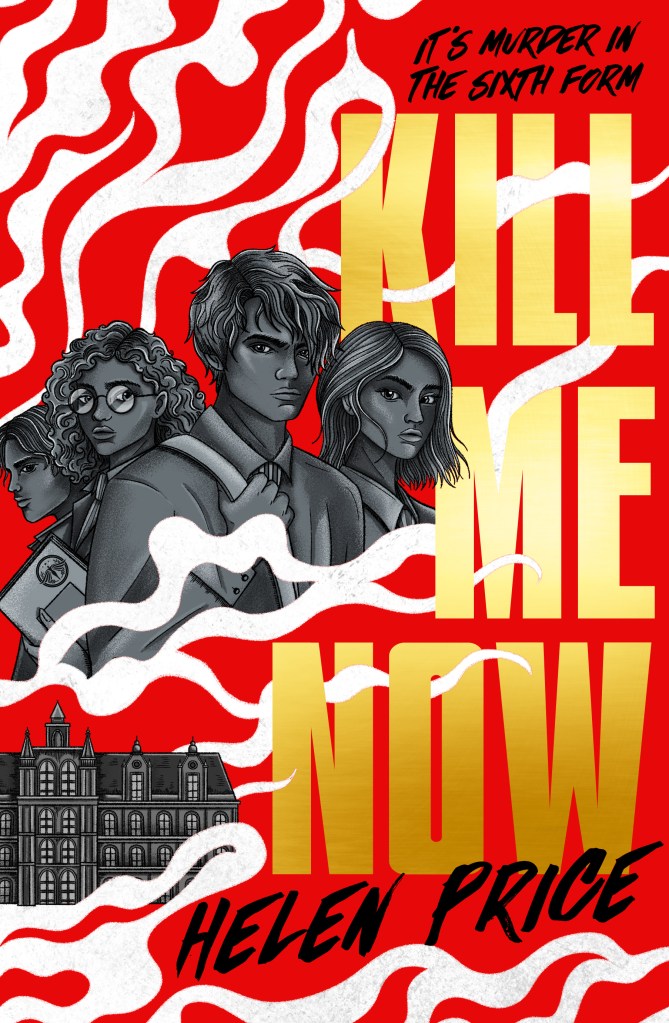
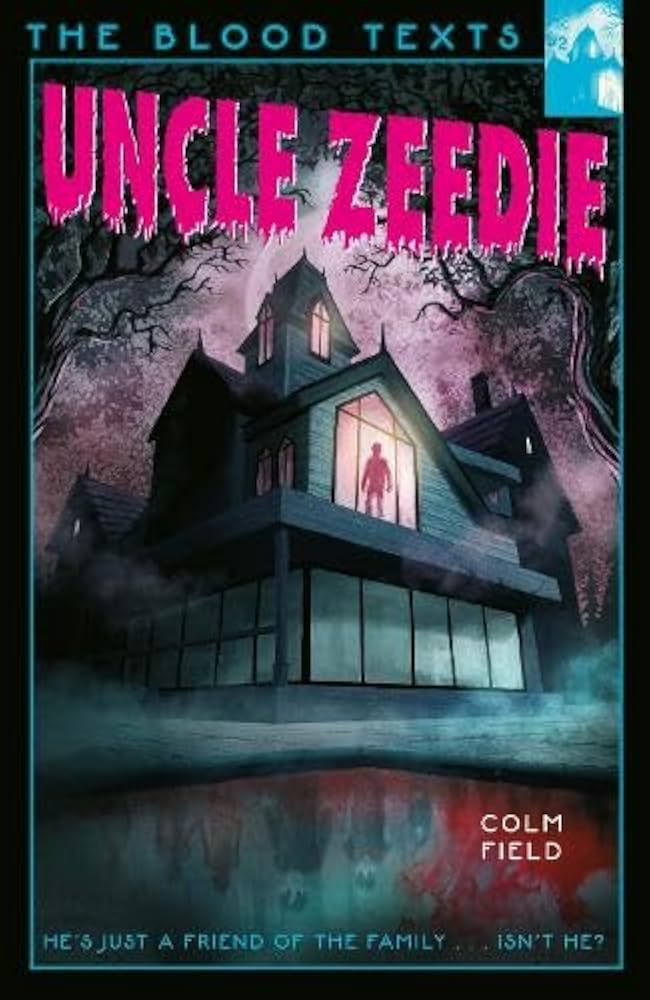
In my own Uncle Zeedie (plug alert!) the teenaged protagonists are scared that their family friend may be a serial killer. The story poses similar questions: If somebody is weird, does that make them dangerous, or you narrow-minded?

If you choose to ignore a red flag, are you foolish or simply trusting? The answers aren’t simple, but I loved writing the debate.

It’s a dark, dark night, in a dark, dark wood. You know your monster, you know your characters, you know their end. What Scare will you choose?

If writing is craft, then Horror can be Lego, provided you learn your blocks right. Jump scares, atmospheric scares, paranormal activity (the activity, not the film), repulsion… there are so many different tools at your disposal, provided you use them correctly.

Is this midnight nature walk early in the story? Then why not a terrifying mirror reveal, or even just a simple jump scare? Something leapt from the bush and… end of chapter. Yeah, it’s a cheap cliffhanger… but it’s only cheap if you do it again, and remember: we’re horror fans! We like a bit of tacky now and then!

Ooh, but later? After we learned the myth of the beast, the foul curse, the soul-sucking spectre? After the best friend has died horribly?! Right then, a jump scare might be as welcome as a fart joke at a funeral.

Now it’s time to bring in the power tools instead, bring in some repulsive body horror, or a bad trip-inducing surrealism, or maybe throw in the Monster’s POV…

I could go on, and you could probably think of more that I would miss. Scares are tools, don’t be afraid to treat them as such.

With these tips, please don’t think I’m reducing the joy of writing into an AI prompt. Horror is not an objective science – it is an ethereal art form that revels in the uncertain, and loses its potency when stripped to bare and cynical mechanics.

But the scary books that have gripped me of late – say, Boys In The Valley by Philip Fracassi, or Deadstream by Mar-Romasco Moore – they featured these recognisable elements, delivered with a new and terrifying gusto.

Should you be struggling with this wicked masterpiece, and these bare and cynical mechanics can offer you a way through that struggle, then please, know this. You are writing for horror fans. If anybody won’t judge, it’s us.

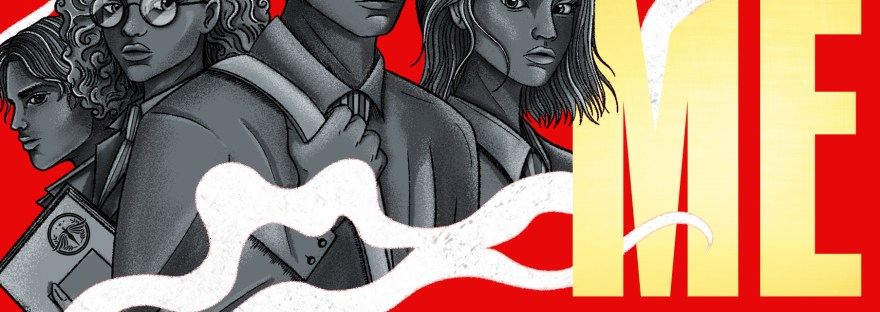
Uncle Zeedie is weird, but at least he’s rich and his house is amazing.
That’s what George and Lacey tell themselves when they arrive at his isolated mansion in the Welsh woods. Only, something here is worse than weird.
Uncle Zeedie seems unhinged, serving them rotten food, and skulking around at night. The house is decaying, blood stained, and stinks of sour milk. And George is seeing kids that aren’t there. They’re dead, these kids.
And if the rumours are right, Uncle Zeedie is the one who’s killing them.
The players are in place. The stage is set. Curtain up.

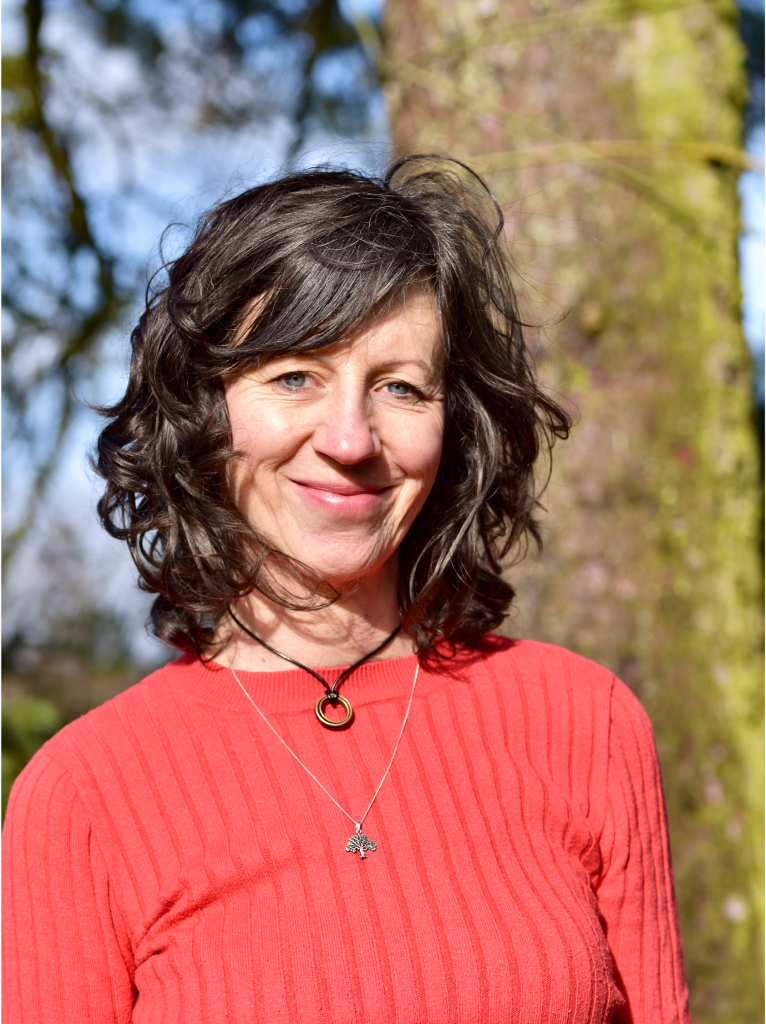
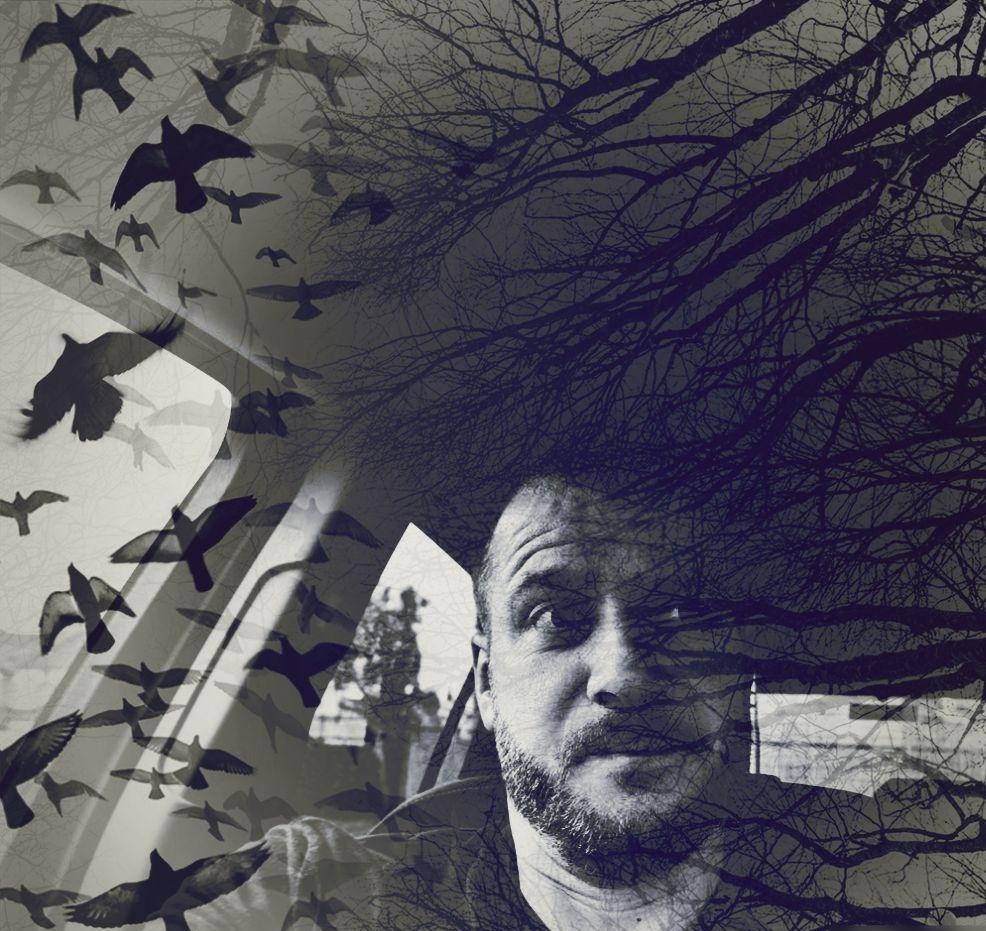
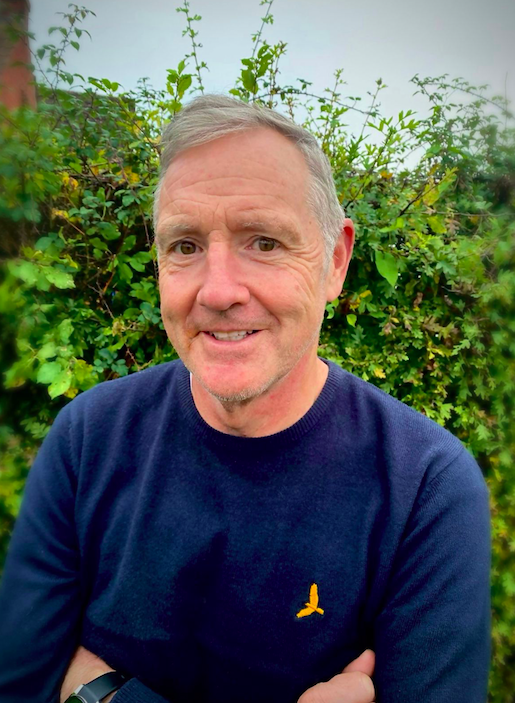
Who is Colm Field? Well, he was born in the witching hour, beneath a blood-red moon, and under a bad sign.
His first words were not fit to print. Now he scratches stories with yellowed fingernails, across the mouldering walls of the abandoned nuclear power station he calls home.
If you like what you read, we’ll dare you to find out more . . . 

PaperBound Magazine is an online magazine for the young, and the young at heart. We are dedicated to showcasing authors and illustrators for children’s and young adult fiction and we strive to deliver inspiring content, uplifting stories, and top tips for young and aspiring writers yet to burst on to the literary scene.

All our issues are completely free and run by volunteers, however if you would like to support PaperBound and the work we do, you can help us out by buying us a virtual book. We appreciate any support you can give us!

Don’t forget you can read with the latest issues of PaperBound Magazine – completely free – here.

article, Blog, Blog series, Bookshelf, Interview, Interviews, on writing, Writing craft

Interview: A Grave Inheritance by Felicity Epps

A Grave Inheritance is a gothic murder mystery, delving into seances and spiritualism in Victorian London. My main character Dolores Rain is grieving the loss of her parents and older sister, but when ghostly occurrences point to dark secrets within her house, she teams up with her friends to unveil the truth…and solve a murder!

I had so much fun writing this novel, because I was able to indulge all my favourite themes, from spirits and haunted houses to mysterious apothecaries and mourning fashion. It is very much a reflection of the kind of novels that I like to read, so the inspiration for the novel came from cosy nights reading ghost stories!

Dolores appeared as a fully-fledged character from the start – I think because I indulged her quirks and worries, it all seemed to come naturally! The first scene in the novel was also the first vision that I had for the story: Dolores anxiously declaring that she must be on her “deathbed”, while also mourning how many novels she still has to read.

It felt like such an engaging start for a murder mystery, because Dolores is not set up to be a particularly good investigator – she is overly fearful and really just wants to retreat to her bed. As the novel progresses though, I really enjoyed having her confidence grow, especially once she learns to trust her friends and realises that she can confront the things that frighten her.

The theme of power was always such a key element, because women in the Victorian era lacked independence and the freedom to govern a lot of their own decisions. Dolores finds herself in a unique position being granted her family’s inheritance, but it still comes with the expectations of London society, as she is pressured to get married.

This theme of power then evolved for me, as I quickly realised that ghosts were not the only danger in the novel – from Dolores’ nerves being dismissed as hysteria to the looming threat of being sent to an asylum, Dolores and her friends, Ada and Violet, struggle to be taken seriously. Eventually, the girls form The Society of Free Spirits, hoping that by embracing seances and spiritualism, they will finally be able to make their voices heard.

A symptom of Dolores’ grief is that it has made her world feel claustrophobic. This element definitely strengthened the supernatural aspect of the novel, allowing the haunted house to feel restrictive as well.

I think Dolores would have struggled to overcome her fears if she hadn’t had the outside encouragement of the other characters – Ada does an amazing job of dragging Dolores into society and helping her rediscover the pleasures of life that have been lost in her grief. Meanwhile, the spiritual medium, Violet, helps Dolores find her voice, asking questions that have been ignored by many of the male characters in the book.

I do like to imagine that Dolores always had this resilience within her; she just had to remember it! In the novel, she often feels overwhelmed in social situations, but then finds her strength again in quiet moments. Through all her ghostly experiences, she doesn’t want to give up – and this desire to look for answers pushes her through, even when she wants to shut her front door and ignore the outside world!

When I used to imagine being published, I’d fantasise about finding my novel on a shelf in a bookshop. So now, to have A Grave Inheritance popping up in Waterstones windows has been absolutely beyond my hopes as a debut author!

I have loved seeing the apothecary bottles, candles and skulls that have appeared in such creative displays across the stores. I’m so grateful to all the amazing booksellers that have championed the novel, and I like to think that A Grave Inheritance has ushered in spooky season early this year!

I’m currently working on a sequel to A Grave Inheritance, which will be Book 2 in The Society of Free Spirits series. I’m so excited to share more about Dolores, Ada and Violet, as they embark on further ghostly investigations!

While Dolores’ house can feel gloomy and oppressive, I’m keen to delve more into the world of her friend Ada – exploring the glittering ballrooms of Victorian high society, where dark secrets are kept closely hidden.

My main advice would be to finish a first draft without worrying about it being perfect. When I first started writing, I wanted each chapter to be just right, before moving onto the next. But now, I focus on letting the characters lead me to the end of the novel and save worrying about plot holes for future revisions.

I find this gives me a better perspective on the project overall, and it’s such an uplifting feeling to have a manuscript in your hands – even a messy first draft!

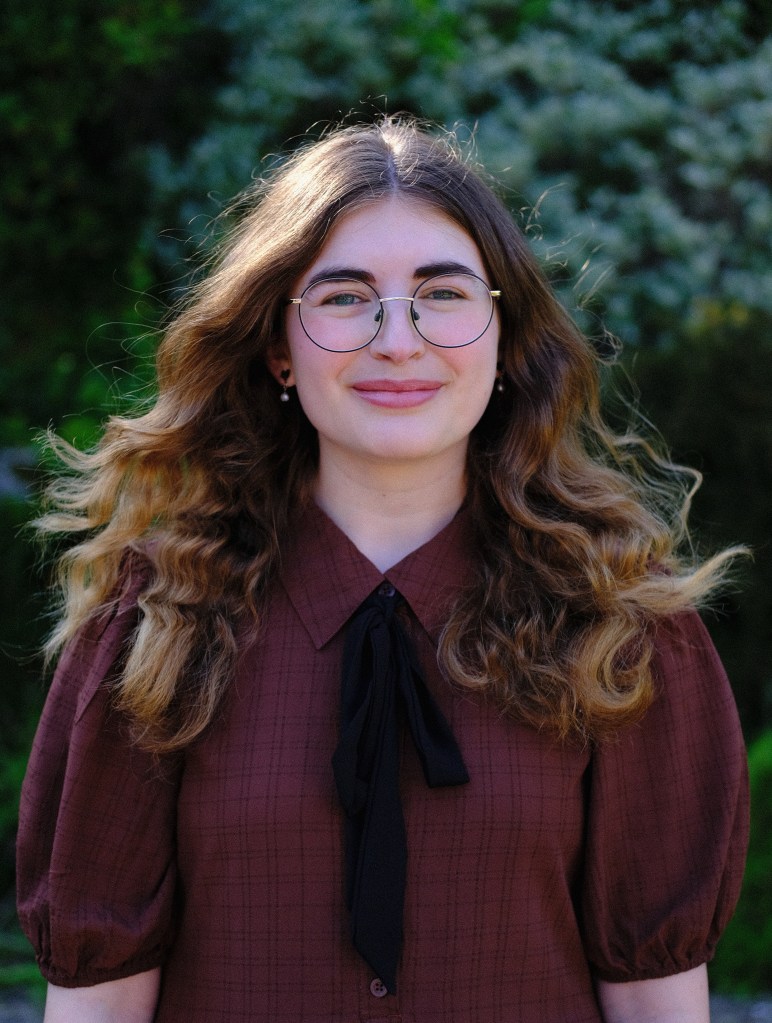
Felicity Epps studied a degree in English Literature before completing a Masters in Eighteenth-Century Studies, where her research focused on female murderers in true crime writing! Felicity finds inspiration in history; researching strange and spooky subjects. She enjoys exploring cemeteries, collecting old books and hunting for ghostly Victorian photographs in antique shops.

Felicity currently lives in Broadstairs, Kent, UK, with her partner, Josh, and their baby daughter, Madeline. When she isn’t writing, Felicity loves going to the beach, knitting colourful jumpers and drinking far too many cups of hot chocolate. A Grave Inheritance is her debut novel.

PaperBound Magazine is an online magazine and blog for the young, and the young at heart. We are dedicated to showcasing authors and illustrators for children’s and young adult fiction and we strive to deliver inspiring content, uplifting stories, and top tips for young and aspiring writers yet to burst on to the literary scene.

All our issues are completely free and run by volunteers, however if you would like to support PaperBound and the work we do, you can help us out by buying us a virtual book. We appreciate any support you can give us!

Don’t forget you can read with the latest issues of PaperBound Magazine – completely free – here.

article, Blog, Blog series, Bookshelf, on writing, Writing craft

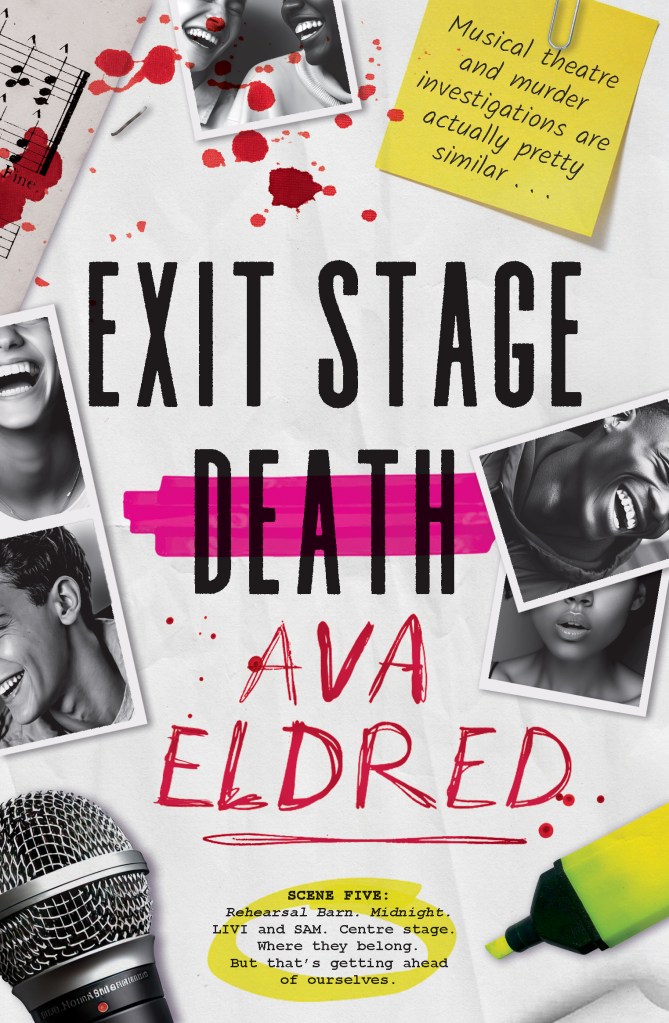
Guest post: Ava Eldred on new YA murder mystery novel ‘Exit Stage Death’

I won’t share her justification here (you’ll have to read it!) but I realised in the writing of the book that while our reasoning is different, I mostly agree with her, and that those similarities are one of the reasons it was the most fun I’ve ever had with a writing project.

I’ve worked in theatre myself for over 15 years, so in some senses bringing that world in to my YA novels was inevitable, but since I write murder mysteries, it wasn’t immediately obvious how the two might intersect.

When I thought about it a little more deeply, though, I realised that quite a lot of the things that can be taken from enjoying musicals can also be applied to mystery novels. Both allow a level of escape that feels safer, somehow, than other art forms tackling the same subjects might allow.

That is not to say that either musical theatre or YA murder mysteries sanitise things – more that, in adding the heightened layers that bring a little unreality to proceedings – the singing and dancing that we’d probably never come across in real life, the way YA protagonists have of becoming the default investigator that is unlikely outside of novels, we give the audience a way of processing things at a slight remove.

Fear is allowed to give way to thrills. Looking at it like that was part of the inspiration for Exit Stage Death – murder aside, the book tackles the complexities of coming of age, and finding a sense of belonging, which are things that all teenagers will come up against. The idea to set those growing up moments at a musical theatre summer camp, where a fellow camper is found dead on the third day, followed very quickly.

When it comes to theatre, and particularly my own creative work within it, I’ve always been more interested in work that holds a mirror up to the real world than going in for pure escapism. There is absolutely a place for both, but when I think about my favourite contemporary shows, there’s always a layer of something real that elevates them from good pieces of theatre to my all time greats.

The way that Next to Normal explores complex mental health conditions through song and dance, and even how less obviously dark shows like Wicked delve in to the complexities of female friendship and fitting in, make them a really enjoyable way of approaching and untangling scenarios that we may one day be faced with in our day to day lives.

I feel very similar about YA murder mysteries, both the ones I’ve written and many that I’ve read – YA authors are so brilliant at cutting right to the heart of the matter, and teenage audiences are so open to emotion in a way that adult readers sometimes resist, which makes them the perfect readers to explore things that are objectively terrifying, like murder, through a lens that usually isn’t. It’s facing the scary thing, whether that’s emotional or physical, and finding a way to unpack it.

I’m also always keen to make sure the protagonists in my novels have agency and, even when they’re afraid, find a way to use it. Teenage girls are so smart, and in a society that often tries to gaslight us in to thinking that isn’t the case, I think it’s our job as writers to push back against that every chance we get. That intelligence, too, is a reason murder mysteries are so appealing to this audience – when done well, they allow the reader to feel clever, give them something to push up against, and something to solve.

I’ve never met a teenage girl who didn’t like solving puzzles, whether that’s who the rogue arm in their friends Instagram photo belongs to, or who the killer is in their favourite book.

When I think of myself as a teenager, so many of the things that were most important to me weren’t things I saw represented in TV, or film, or other forms of culture. My platonic friendships were my most important love stories, and having interests like theatre and reading to throw myself into made so many things a whole lot more enjoyable.

My teenage self would have loved Exit Stage Death, if I do say so myself – there are plenty of platonic love stories, a touch of romance, questions to be answered, and a whole lot of songs to be sung along the way.

My biggest hope for this book is that the teenagers of 2025 who feel the same find it, and perhaps feel like someone understands.

Livi Campbell’s summer to-do list is simple:
1. Have the best final summer at Camp Chance.
2. Prove to her parents that acting is an acceptable career choice.
3. Smash all her rehearsals and get the lead in the senior showcase.
But when a fellow camper shows up dead under mysterious circumstances and Livi finds a note suggesting all is not as it seems, she must team up with her campmates to catch the culprit before they kill again.
Enter Juliet, the social media influencer with everything to prove; Aaron, the nepo baby who isn’t sure he wants to be in Hollywood at all; Daisy, the inexperienced newbie trying to find her place; and Sam, the leading man who broke Livi’s heart last summer.
The players are in place. The stage is set. Curtain up.

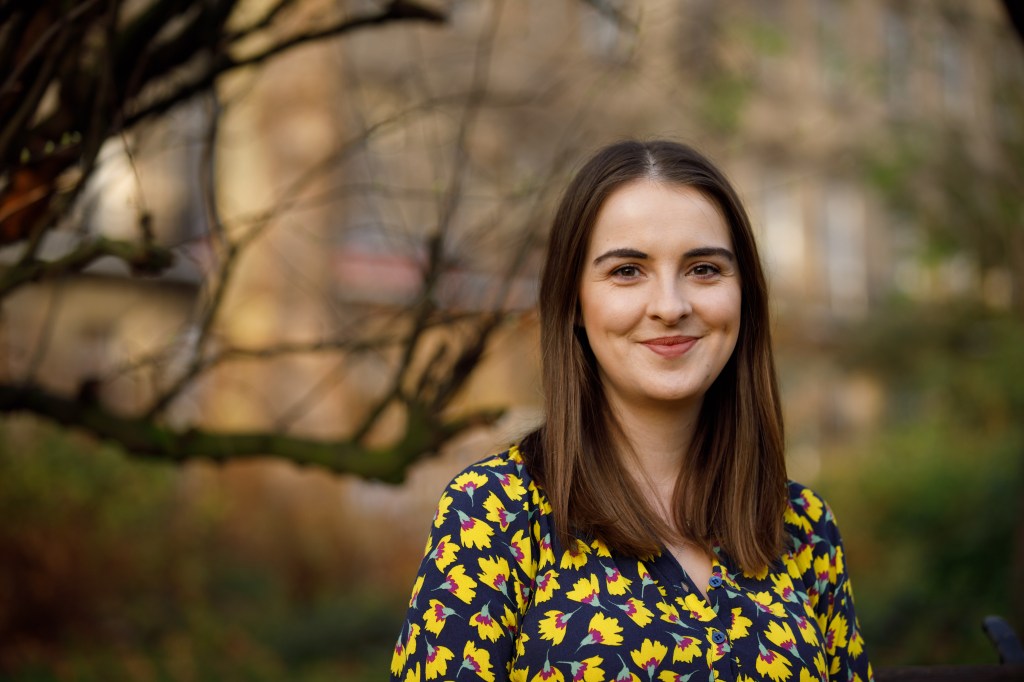
Ava Eldred was born in London, and has spent much of the last decade writing and developing stage musicals, as well as producing large scale theatrical concerts.
Her work has been performed both in London and internationally. She is a recent alumnus of Faber Academy’s Writing a Novel course.
Her debut novel, The Boyband Murder Mystery, was published by Penguin Random House in 2021.

PaperBound Magazine is an online magazine for the young, and the young at heart. We are dedicated to showcasing authors and illustrators for children’s and young adult fiction and we strive to deliver inspiring content, uplifting stories, and top tips for young and aspiring writers yet to burst on to the literary scene.

All our issues are completely free and run by volunteers, however if you would like to support PaperBound and the work we do, you can help us out by buying us a virtual book. We appreciate any support you can give us!

Don’t forget you can read with the latest issues of PaperBound Magazine – completely free – here.

article, Blog, Blog series, Bookshelf, on writing, Writing craft

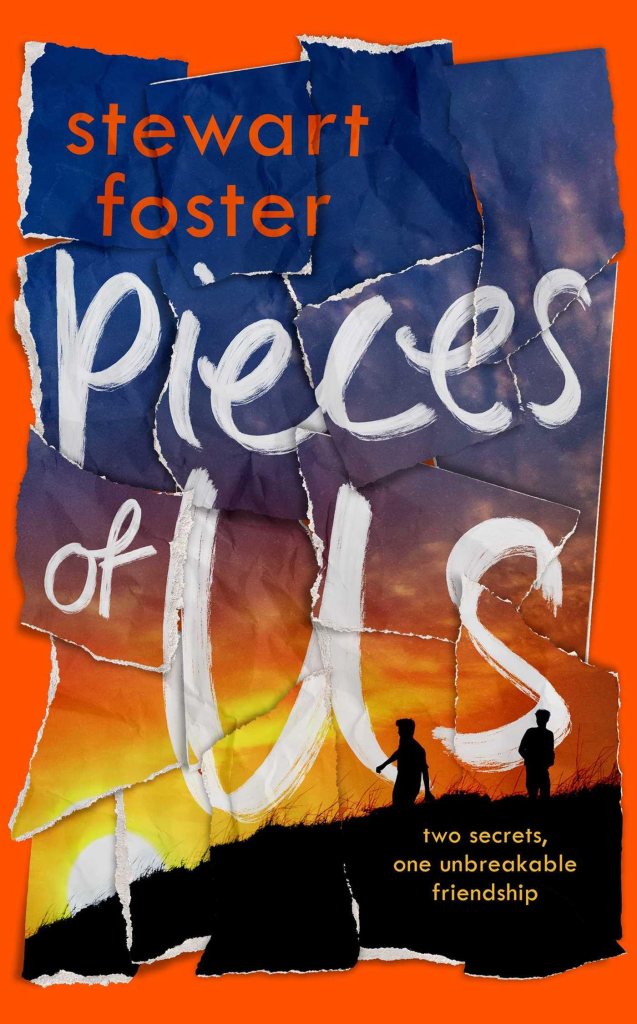
Guest post from author of YA novel ‘Pieces of Us’, Stewart Foster: Don’t Hide Behind the Songs

My character, seventeen-year-old Jonas, felt the same way. In the first chapter, he says to his best friend: ‘Louis, if ever I thought anyone would actually read this, I’m not sure I would write the first line.’ And I sat back from the screen and thought, ‘God, that is so true for me too.’

I kept writing, still with those worries in my head, not just about the bulimia but also the closeness of Jonas’s relationship with Louis. Later in the book, there’s a poem called The Cormorant. I wrote it one Sunday evening after watching a nature programme on TV showing a cormorant regurgitating food for its young. It repulsed me; an instant picture of what I was doing to myself in the bathroom. That poem went under my bed with thousands of other pieces of poetry I’d written since the age of ten.

I eventually showed it to my best friend two years later as we put songs together to record. He had no idea what The Cormorant was about, until late one night, I explained it – that it wasn’t about an ugly seabird, it was me. Like others, like my whole family, he had no idea of my secret, just thought I’d lost weight as I’d got taller. The next evening as we recorded it onto tape, he stopped midway through and said, ‘Stew, you could have told me, you didn’t have to hide it in a song.’

Looking back, I realise I wasn’t hiding behind the songs – showing him was my way of telling him, in the same way that you might write a diary and secretly hope someone might read it.

In a secondary school visit recently, I was reminded of how I used to feel at school, even later at university, because I believe this can be what mostly holds us back, like the Year Seven student I met recently who told me he found it hard to write.

‘Why?’ I asked him.

‘Because I always end up on my Xbox.’

‘No, why?’

‘Because I want to talk to my friends.’

‘No, why?’

‘Because I don’t have confidence, and I’m scared what my friends will think.’

‘There you go!’

The giggling in the room didn’t hide that that’s what the majority of classmates were thinking too: confidence, trust, peer pressure, what will my friends think?

Students are in the middle of the most confusing years of their lives, often feeling isolated in class, often (at university) hundreds of miles from home. Whether through song, poem, short story, third person, first person, or writing about dreams, it’s OK to put your feelings and emotions in them. In my case, a novel. And in that novel, what it took for me to write it – to block out those worries, block out those I thought would cast doubt – was to come up with this plan.

When my friendship ended with the person I’d first shown The Cormorant to, I was guilty of pushing those poems back under the bed until years later, whilst at university, I met someone who resurrected those feelings of close friendship and trust. They backed me with my writing – from emails to Facebook messages full of poetry, lines, thoughts, and chapters. They joined me in dreams of huge contracts and winning The Booker Prize.

And on those nights where doubts crept in, when Jonas’s actions became explicit and his secret eating disorder came out (along with it mine), I would hesitate over paragraphs, lines, words, and then I’d gather myself and say, ‘If I can say this to my friend, then I can write it in this book.’

It’s hard to put our feelings out there.

In poetry.

In songs.

In books. But for me, it became harder to say nothing at all.

Two secrets, an unbreakable bond … and a powerful and heartbreaking love letter to a life-changing friendship, from award-winning author, Stewart Foster.

As the summer before college begins, Jonas is hiding a secret. He suffers with bulimia, but no one knows. Not even he knows how bad it really is. Until he meets Louis, a confident dreamer who believes in a better future for Jonas and together they enjoy a sun-kissed summer filled with music, memories and life-changing moments.
But when tragedy strikes, Jonas must decide if he has the strength to face things alone ….

Stewart Foster is an adult and children’s novelist, born in Bath. His books have won multiple school and library awards and are recommended by Empathy Lab and Reading Well.
His first children’s book, The Bubble Boy, was published in 2016, winning Sainsbury’s Children’s Book Award in 2016 and many schools and libraries awards, as well as being nominated for The Carnegie Book Award.
Since then, Stewart has written four more children’s books: All the Things That Could Go Wrong, Checkmates, The Perfect Parent Project and Can You Feel the Noise?

PaperBound Magazine is an online magazine for the young, and the young at heart. We are dedicated to showcasing authors and illustrators for children’s and young adult fiction and we strive to deliver inspiring content, uplifting stories, and top tips for young and aspiring writers yet to burst on to the literary scene.

All our issues are completely free and run by volunteers, however if you would like to support PaperBound and the work we do, you can help us out by buying us a virtual book. We appreciate any support you can give us!

Don’t forget you can read with the latest issues of PaperBound Magazine – completely free – here.

article, Blog, Blog series, Bookshelf, on writing, Writing craft

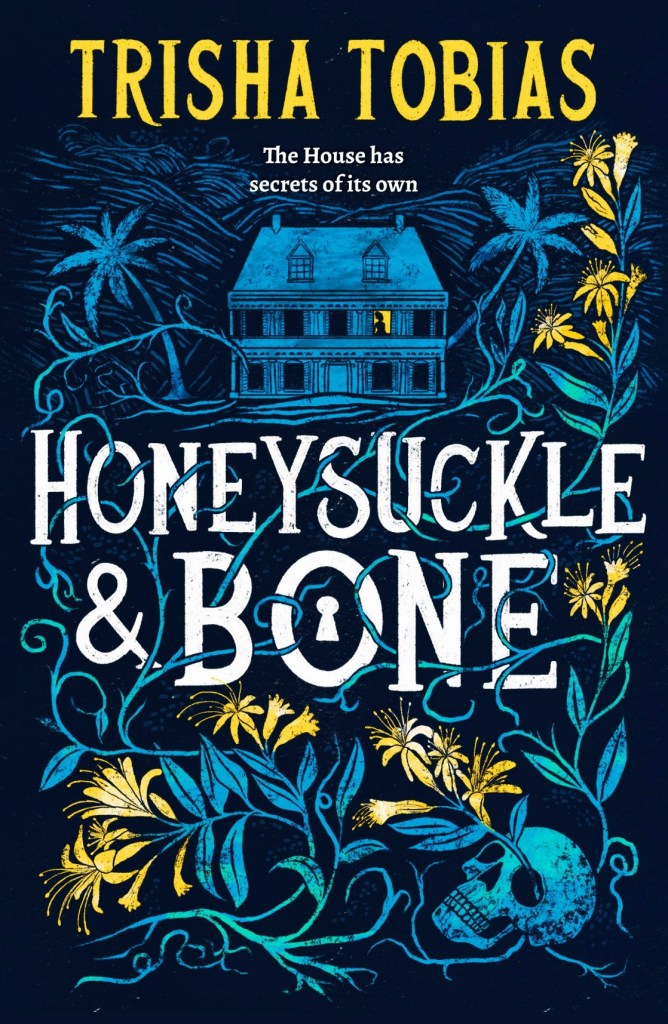
Author of ‘Honeysuckle and Bone’, Trisha Tobias, on why we need Messy Protagonists

Young adult fiction is constantly changing. Part of that change can include making large leaps away from what’s old. But those leaps can create their own problems, like overcorrection. And while YA fiction has come a long way in depicting marginalized protagonists, allowing those same characters to embrace their imperfections on the page is the next step in crafting memorable heroes with relatable, meaningful stories. And I think we’re ready for it.

In my debut novel, Honeysuckle and Bone, eighteen-year-old Carina accepts an au pair job with a wealthy political family in Jamaica. But Carina isn’t just in Jamaica to pad her bank account. She’s got a history, one that fills her with so much shame that she runs away to escape the guilt—and the consequences of her actions. Except Carina soon learns that no matter how far she runs, she can’t escape what haunts her.

Carina is a Black teen who does her best, but “her best” tends to be a bit off. Honestly, it takes Carina a while to figure out how to properly deal with her issues. And in the meantime? She does almost everything…kind of wrong. At times, she’s more focused on self-preservation than “doing the right thing.” Which could make Carina frustrating to root for as a protagonist. But it also makes her very real.

Today, underrepresented YA protagonists are most at risk of being sanitized. In an extreme attempt to counterbalance decades of poor portrayals, these characters can sometimes find themselves flattened, no longer emulating how real teens think or behave. Instead, they present something more aspirational. They know what they shouldn’t do, and they’re rarely tempted to do those things anyway. They’re minimally judgmental or biased. They’re largely “unproblematic.”

It’s a strong swing of the storytelling pendulum, but it’s understandable. In the not-so-distant past, young adult fiction presented its marginalized teen protagonists (the few that existed, anyway) in…interesting ways. As a kid, it seemed to me that many books with characters who resembled me were either reductive reflections on American slavery or stories about troubled, “urban” Black teens. If not this, then my archetypal characters were sidekicks or “magical” helpers, probably with too much sass and a roll of the neck. It wasn’t great.

Cue the big push toward better depictions of characters with underrepresented identities. That shift towards positivity and away from stereotype was needed. Organizations like We Need Diverse Books have been instrumental in their vision, messaging, and education on this, and there’s still more work to do.

But where do we go from here?

We let the flawed marginalized main characters loose.

Of course, readers shouldn’t expect fake people to act in completely “real” ways all the time. After all, protagonists are meant to be bigger than life, and oftentimes, the audience feels they should be better than us common folks. But all of us, at some point, make decisions that stem from recklessness, selfishness, or prejudice. It’s not who we are at our best, but it is honest. We need to see some of that honesty in our protagonists.

Imperfect protagonists aren’t just fun—and challenging—to read about. They serve an important function for the audience. They act as models of personal growth and positive change. They reveal the complexity that comes with being a human in an ever-changing world. And these messy protagonists offer less-represented readers permission to be normal people rather than feeling like they must live up to an impossibly high standard of living—a standard that is often forced upon them.

Because the truth is this: we are all fallible. Yes, we should aspire to our ideals. But we will make mistakes. Luckily, fiction shows us that we can acknowledge our faults and choose to be better. Messy protagonists reveal that redemption is available to all who accept it, and change is possible, no matter where on the path someone starts.

Carina is deeply flawed—and that’s okay. She joins the growing ranks of marginalized teen protagonists who remind the rest of us that perfection isn’t the goal. Trying our best is. And all the missteps and mistakes? They’re unavoidable. In fact, they’re the whole point.

A deliciously dark YA contemporary gothic ghost story where even paradise is haunted, from debut author Trisha Tobias.
After a tragedy rips her life apart, Carina Marshall is looking to reinvent herself in her mother’s homeland of Jamaica. With her new gig as the au pair for the wealthy and powerful Hall family at Blackbead House, Carina wants nothing more than to disappear into their world of mango trees, tropical breezes and glamorous parties.
At first, Blackbead House seems like the perfect escape, but new beginnings don’t come easy. Because Carina isn’t who she says she is, and Blackbead House already knows…

Trisha Tobias grew up listening to her mother’s hushed ghost stories, tales of towering spirit wolves and the warning scent of honeysuckle because a duppy might be nearby. She isn’t sure if the myths are true, but they fuelled her imagination and her love for stories that are often only told in whispers. She is a 2019–2021 Highlights Foundation Diversity Fellow and a 2018 Walter Dean Myers Grant recipient. She is currently an associate developmental editor at Dovetail Fiction.

PaperBound Magazine is an online magazine for the young, and the young at heart. We are dedicated to showcasing authors and illustrators for children’s and young adult fiction and we strive to deliver inspiring content, uplifting stories, and top tips for young and aspiring writers yet to burst on to the literary scene.

All our issues are completely free and run by volunteers, however if you would like to support PaperBound and the work we do, you can help us out by buying us a virtual book. We appreciate any support you can give us!

Don’t forget you can read with the latest issues of PaperBound Magazine – completely free – here.

article, Blog, Blog series, Bookshelf, on writing, Writing craft

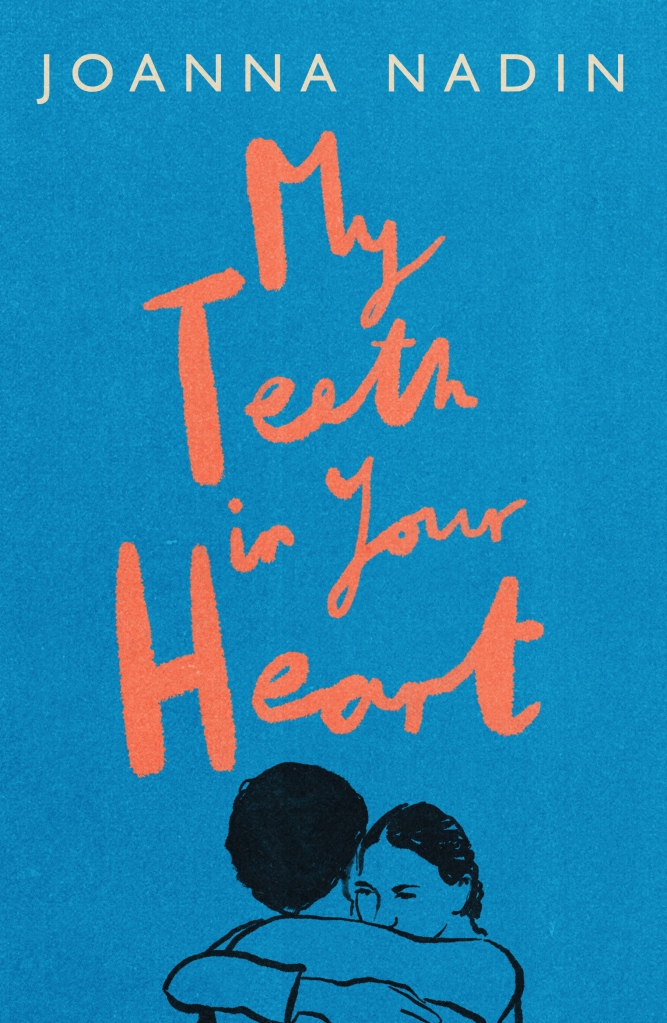
Author of ‘My Teeth in Your Heart’, Joanna Nadin on Writing Dual Timelines

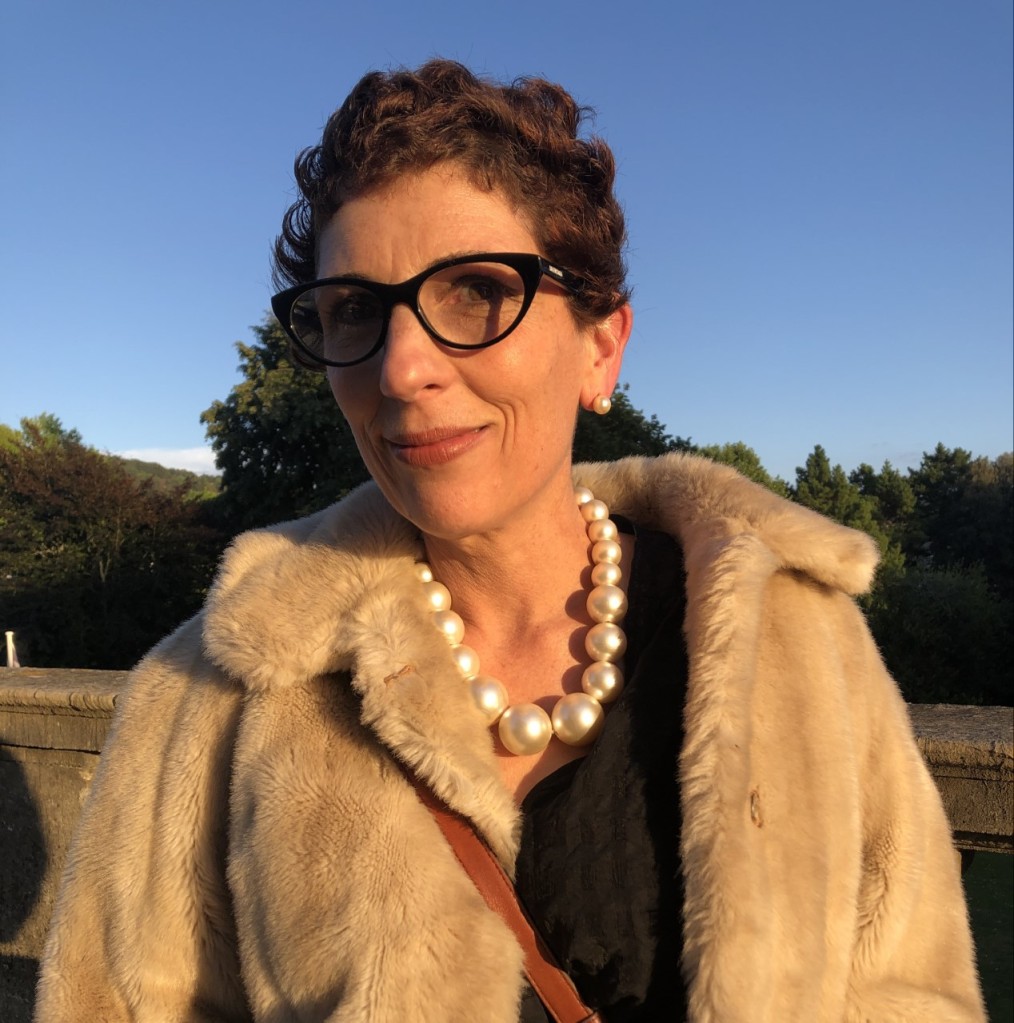
A former broadcast journalist and special adviser to the Prime Minister (not this one), since leaving politics Joanna Nadin has written more than 90 books for children and adults, including the UK bestselling The Worst Class in the World series, the Flying Fergus series with Sir Chris Hoy, and the Carnegie-nominated Joe All Alone, No Man’s Land and Calamity of Mannerings
She has been a World Book Day author, a Blue Peter book of the month and Radio 4 and the i magazine Book of the Year, won the Fantastic Book Award and the Highland Book Prize, and been shortlisted for the Roald Dahl Funny Prize, Queen of Teen and the Big Book Awards among many others, and is published across multiple territories. She has a PhD in Creative Writing and is a Senior Lecturer in the subject at University of Bristol, as well as teaching for the Arvon Foundation.

PaperBound Magazine is an online magazine for the young, and the young at heart. We are dedicated to showcasing authors and illustrators for children’s and young adult fiction and we strive to deliver inspiring content, uplifting stories, and top tips for young and aspiring writers yet to burst on to the literary scene.

All our issues are completely free and run by volunteers, however if you would like to support PaperBound and the work we do, you can help us out by buying us a virtual book. We appreciate any support you can give us!

Don’t forget you can read with the latest issues of PaperBound Magazine – completely free – here.