article, Blog, Blog series, Bookshelf, on writing, Writing craft

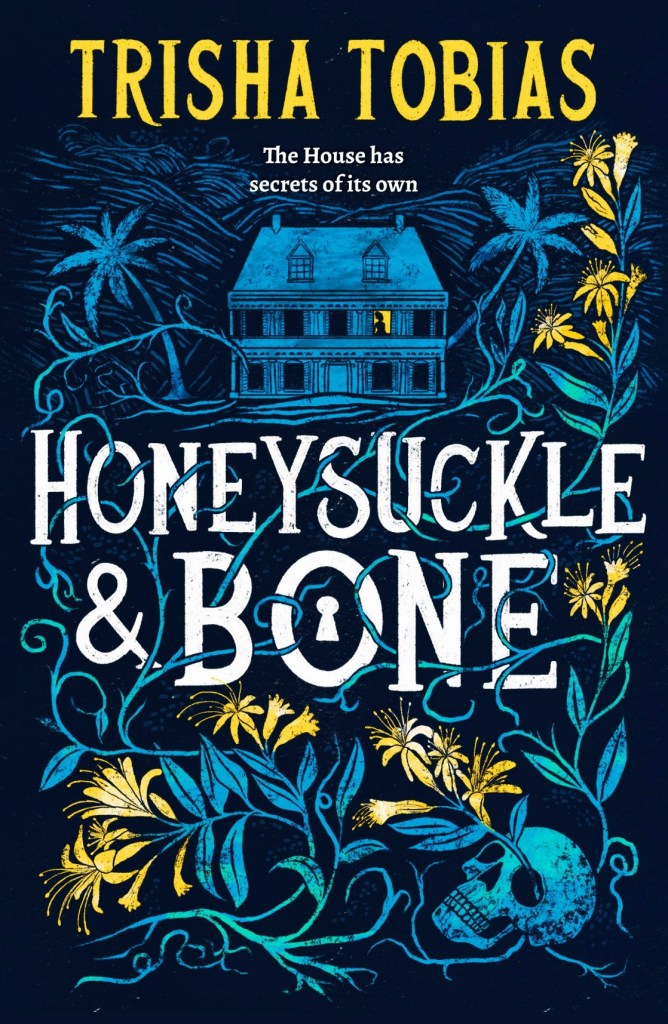
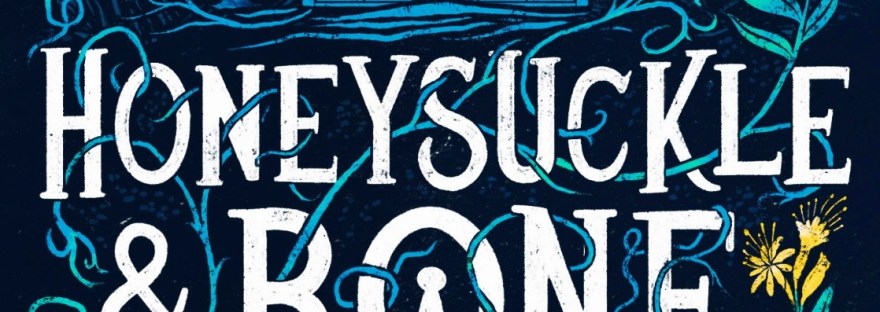
Author of ‘Honeysuckle and Bone’, Trisha Tobias, on why we need Messy Protagonists

Young adult fiction is constantly changing. Part of that change can include making large leaps away from what’s old. But those leaps can create their own problems, like overcorrection. And while YA fiction has come a long way in depicting marginalized protagonists, allowing those same characters to embrace their imperfections on the page is the next step in crafting memorable heroes with relatable, meaningful stories. And I think we’re ready for it.

In my debut novel, Honeysuckle and Bone, eighteen-year-old Carina accepts an au pair job with a wealthy political family in Jamaica. But Carina isn’t just in Jamaica to pad her bank account. She’s got a history, one that fills her with so much shame that she runs away to escape the guilt—and the consequences of her actions. Except Carina soon learns that no matter how far she runs, she can’t escape what haunts her.

Carina is a Black teen who does her best, but “her best” tends to be a bit off. Honestly, it takes Carina a while to figure out how to properly deal with her issues. And in the meantime? She does almost everything…kind of wrong. At times, she’s more focused on self-preservation than “doing the right thing.” Which could make Carina frustrating to root for as a protagonist. But it also makes her very real.

Today, underrepresented YA protagonists are most at risk of being sanitized. In an extreme attempt to counterbalance decades of poor portrayals, these characters can sometimes find themselves flattened, no longer emulating how real teens think or behave. Instead, they present something more aspirational. They know what they shouldn’t do, and they’re rarely tempted to do those things anyway. They’re minimally judgmental or biased. They’re largely “unproblematic.”

It’s a strong swing of the storytelling pendulum, but it’s understandable. In the not-so-distant past, young adult fiction presented its marginalized teen protagonists (the few that existed, anyway) in…interesting ways. As a kid, it seemed to me that many books with characters who resembled me were either reductive reflections on American slavery or stories about troubled, “urban” Black teens. If not this, then my archetypal characters were sidekicks or “magical” helpers, probably with too much sass and a roll of the neck. It wasn’t great.

Cue the big push toward better depictions of characters with underrepresented identities. That shift towards positivity and away from stereotype was needed. Organizations like We Need Diverse Books have been instrumental in their vision, messaging, and education on this, and there’s still more work to do.

But where do we go from here?

We let the flawed marginalized main characters loose.

Of course, readers shouldn’t expect fake people to act in completely “real” ways all the time. After all, protagonists are meant to be bigger than life, and oftentimes, the audience feels they should be better than us common folks. But all of us, at some point, make decisions that stem from recklessness, selfishness, or prejudice. It’s not who we are at our best, but it is honest. We need to see some of that honesty in our protagonists.

Imperfect protagonists aren’t just fun—and challenging—to read about. They serve an important function for the audience. They act as models of personal growth and positive change. They reveal the complexity that comes with being a human in an ever-changing world. And these messy protagonists offer less-represented readers permission to be normal people rather than feeling like they must live up to an impossibly high standard of living—a standard that is often forced upon them.

Because the truth is this: we are all fallible. Yes, we should aspire to our ideals. But we will make mistakes. Luckily, fiction shows us that we can acknowledge our faults and choose to be better. Messy protagonists reveal that redemption is available to all who accept it, and change is possible, no matter where on the path someone starts.

Carina is deeply flawed—and that’s okay. She joins the growing ranks of marginalized teen protagonists who remind the rest of us that perfection isn’t the goal. Trying our best is. And all the missteps and mistakes? They’re unavoidable. In fact, they’re the whole point.

A deliciously dark YA contemporary gothic ghost story where even paradise is haunted, from debut author Trisha Tobias.
After a tragedy rips her life apart, Carina Marshall is looking to reinvent herself in her mother’s homeland of Jamaica. With her new gig as the au pair for the wealthy and powerful Hall family at Blackbead House, Carina wants nothing more than to disappear into their world of mango trees, tropical breezes and glamorous parties.
At first, Blackbead House seems like the perfect escape, but new beginnings don’t come easy. Because Carina isn’t who she says she is, and Blackbead House already knows…

Trisha Tobias grew up listening to her mother’s hushed ghost stories, tales of towering spirit wolves and the warning scent of honeysuckle because a duppy might be nearby. She isn’t sure if the myths are true, but they fuelled her imagination and her love for stories that are often only told in whispers. She is a 2019–2021 Highlights Foundation Diversity Fellow and a 2018 Walter Dean Myers Grant recipient. She is currently an associate developmental editor at Dovetail Fiction.
PaperBound Magazine is an online magazine for the young, and the young at heart. We are dedicated to showcasing authors and illustrators for children’s and young adult fiction and we strive to deliver inspiring content, uplifting stories, and top tips for young and aspiring writers yet to burst on to the literary scene.

All our issues are completely free and run by volunteers, however if you would like to support PaperBound and the work we do, you can help us out by buying us a virtual book. We appreciate any support you can give us!

Don’t forget you can read with the latest issues of PaperBound Magazine – completely free – here.

Blog, Blog series, Bookshelf, Interview, Interviews, on writing, Writing craft

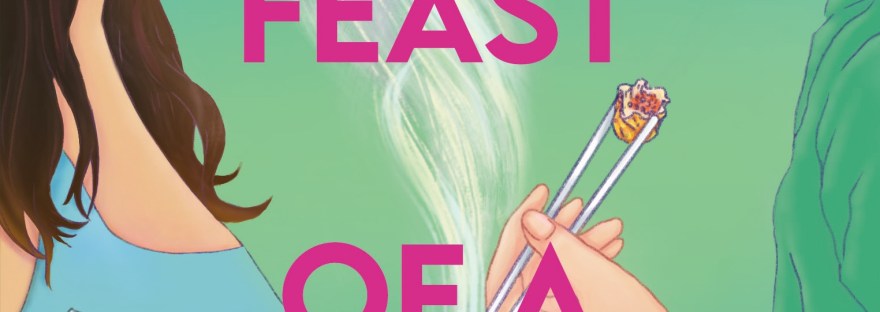
Interview: YA author Cynthia So on their new release ‘This Feast of a Life’

This Feast of a Life centres on the lives of two teenagers, Auden and Valerie. Auden is learning how to cook from their parents, and they start a food blog where they can record their family’s recipes along with the stories that come with them. It’s also a space for them to use their new name, Auden, which they just picked for themself and don’t feel comfortable using anywhere else yet. 

Valerie’s mum, who loved cooking, passed away over a year ago – and the kitchen’s been left unused because Valerie and her dad both don’t know how to cook. But when Valerie discovers Auden’s food blog, it sparks a curiosity about food and cooking – as well as about the writer of the blog. Soon Auden and Valerie are meeting up and reviewing restaurants together, but will they figure out what it is that they’re truly hungry for in their lives? 

The initial idea for the book came from thinking about food blogs and how everyone always complains about the long preamble you have to scroll through before you get to the recipe. But sometimes I actually find the preamble kind of charming! So I thought: what if you fell in love with someone through reading their recipe preambles? It’s not quite what happens in the book in the end, but that’s the nugget of an idea that I started with.

I always knew that it had to be dual narrative based on the story I was trying to tell, which boiled down to this: the love story of two chaotic bisexuals who are deeply terrified of committing to a relationship for very different reasons. (Or at least Auden thinks of themself as bisexual in the beginning of the book, although their understanding of their sexuality evolves.) 

It’s crucial to the book that Auden and Valerie have extremely contrasting approaches to romance and dating, and I wanted to give them both equal space to explore their feelings.

I’ve never written a food blog, but I was a book blogger for a while. That and my experiences in fandom as well showed me what it was like to connect with someone online through a shared interest, and how absolutely vital some of those connections can feel. 

I’m very inspired by a lot of food blogs I come across! I especially love the Woks of Life, written by a family of four Chinese American cooks who also share stories from their travels. I love the warm vibe of this blog and the fact that there’s a whole family working on it together.  

Similarly, Made with Lau is a blog created by the son of a Chinese chef, to share his father’s recipes with the world, and the recipes are so wonderful because they’re also accompanied by videos of his father making them.

Yes, absolutely. As mentioned above, part of the joy of writing a dual narrative book is contrast, and it was fun to flesh out what makes Auden and Valerie so different. I loved writing a bigger, bustling family and exploring the pros and cons of being the baby of that family. It was nice to alternate between that and the quiet stillness of Valerie’s life – and I took care to show how important chosen family is, and how Valerie spends a lot of her time with her best friend and her best friend’s older sister. They’re family to her. But there’s still so much emptiness, especially when she goes home. I wanted to contrast that against Auden’s home life to really emphasise what’s missing from Valerie’s. 

However, both Auden and Valerie are in fact quite lonely characters, even if Auden has a much bigger family. I wanted readers to understand that it doesn’t matter how many people you have around you – loneliness comes from not being seen, and neither Auden nor Valerie feel very seen at the beginning of the book.

I’d love to say I have a writing routine, but I sadly don’t. Writing my first book and writing my second book felt like such different experiences, and I expect it will be the same every time I write a book – I will have to find a new way to write it. 

I’ve been writing stories ever since I can remember, but I stopped dreaming about publication somewhere along the way. Being selected as a New Voice for Proud, the 2019 LGBTQ+ YA anthology published by Little Tiger, changed my life. It helped me see a path towards writing as a career, and I started working hard on my first novel after that. My first book, If You Still Recognise Me, came out in June 2022, and it was wonderful to be shortlisted for the Waterstones Children’s Book Prize and the YA Book Prize in 2023. I love getting messages from readers who tell me that If You Still Recognise Me made them feel less alone, and I hope that This Feast of a Life will reach people in the same way. .

Know why you want to write for young adults, that’s the first thing. For me, it’s because I know how formative books were when I was that age, and how life-saving the right book could be. I felt a lot of things as a teenager that I really relied on books to help me navigate. 

The second thing is to have a very clear understanding of why you want to write this particular story, and what is most important to you about it. Writing a book takes a long time, and sometimes it’s easy to lose sight of why you’re doing it, and the overall shape of the story you want to tell, when you’re in the middle of wrangling plot points and herding characters. So make sure you know the heart of it: what about this story makes you feel alive writing it? Never forget that part. 

I’m always, always fond of writing moments of realisation in romance – when characters realise they want each other, and when characters give into that want.

Valerie’s journey with her grief felt very meaningful to me, and I loved giving her the space to express that grief in a variety of ways. 

I’m always, always fond of writing moments of realisation in romance – when characters realise they want each other, and when characters give into that want. This book was no exception! It’s like a roller coaster for me, the ones with the long, slow climb towards the top that feels almost torturous, and then the exhilarating rush of descent at the end. 

And of course, the food! I never tire of writing descriptions of food, honestly.

Cynthia So

Cynthia So is the author of If You Still Recognise Me, which was shortlisted for the Waterstones Children’s Book Prize and the YA Book Prize in 2023. They were one of the new voices in Proud, an anthology of LGBTQ+ YA stories, poems, and art by LGBTQ+ creators, published in 2019. Their short fiction and poetry have also appeared in Uncanny Magazine, Strange Horizons, and Anathema, among others. Cynthia was born in Hong Kong and lives in London with their wife.

PaperBound Magazine is an online magazine for the young, and the young at heart. We are dedicated to showcasing authors and illustrators for children’s and young adult fiction and we strive to deliver inspiring content, uplifting stories, and top tips for young and aspiring writers yet to burst on to the literary scene.

All our issues are completely free and run by volunteers, however if you would like to support PaperBound and the work we do, you can help us out by buying us a virtual book. We appreciate any support you can give us!

Don’t forget you can read with the latest issues of PaperBound Magazine – completely free – here.

article, Blog, Blog series, Bookshelf, on writing, Writing craft

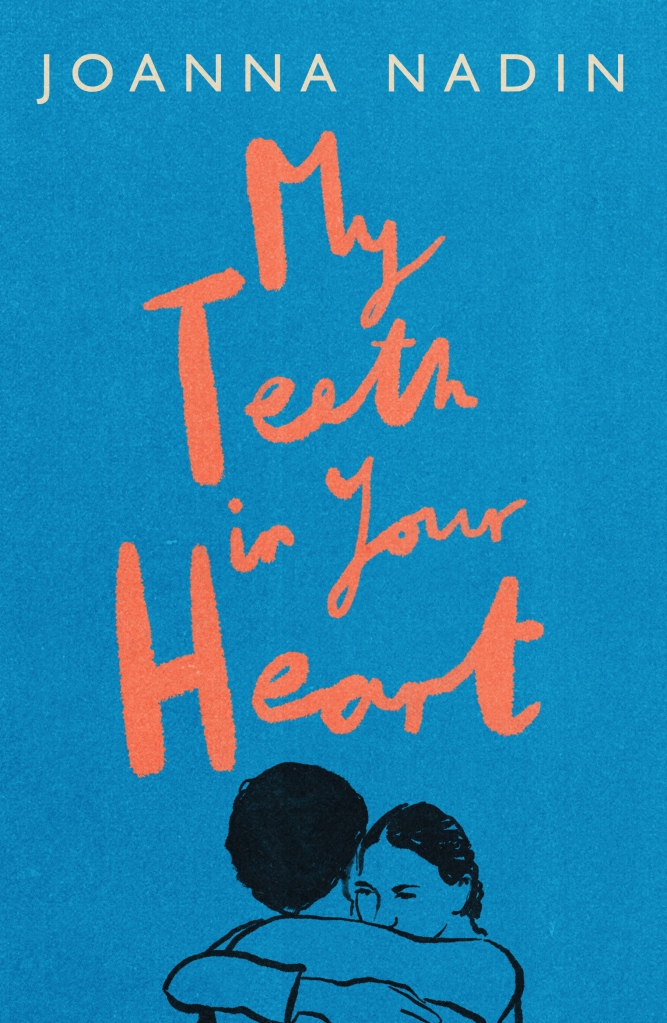
Author of ‘My Teeth in Your Heart’, Joanna Nadin on Writing Dual Timelines

A former broadcast journalist and special adviser to the Prime Minister (not this one), since leaving politics Joanna Nadin has written more than 90 books for children and adults, including the UK bestselling The Worst Class in the World series, the Flying Fergus series with Sir Chris Hoy, and the Carnegie-nominated Joe All Alone, No Man’s Land and Calamity of Mannerings
She has been a World Book Day author, a Blue Peter book of the month and Radio 4 and the i magazine Book of the Year, won the Fantastic Book Award and the Highland Book Prize, and been shortlisted for the Roald Dahl Funny Prize, Queen of Teen and the Big Book Awards among many others, and is published across multiple territories. She has a PhD in Creative Writing and is a Senior Lecturer in the subject at University of Bristol, as well as teaching for the Arvon Foundation.

PaperBound Magazine is an online magazine for the young, and the young at heart. We are dedicated to showcasing authors and illustrators for children’s and young adult fiction and we strive to deliver inspiring content, uplifting stories, and top tips for young and aspiring writers yet to burst on to the literary scene.

All our issues are completely free and run by volunteers, however if you would like to support PaperBound and the work we do, you can help us out by buying us a virtual book. We appreciate any support you can give us!

Don’t forget you can read with the latest issues of PaperBound Magazine – completely free – here.

article, Blog, Blog series, Bookshelf, Interview, Interviews, on writing, Writing craft

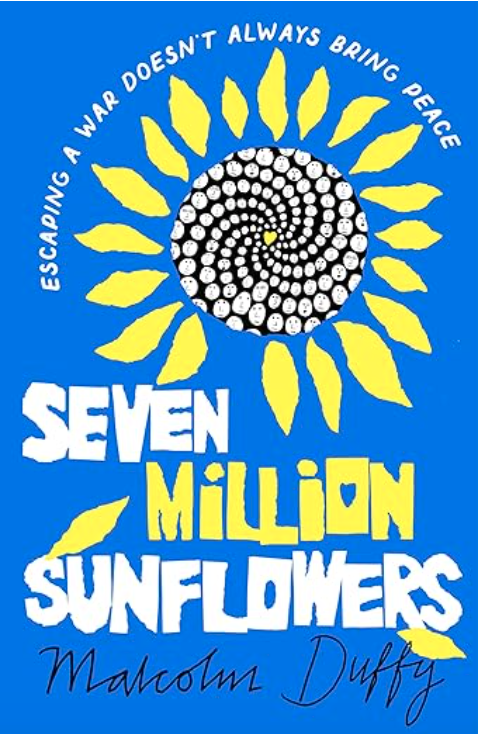
Refugee Week 2024: Seven Million Sunflowers by Malcolm Duffy

Could you tell us a little about your book, Seven Million Sunflowers?

This is a book I wish I didn’t have to write.

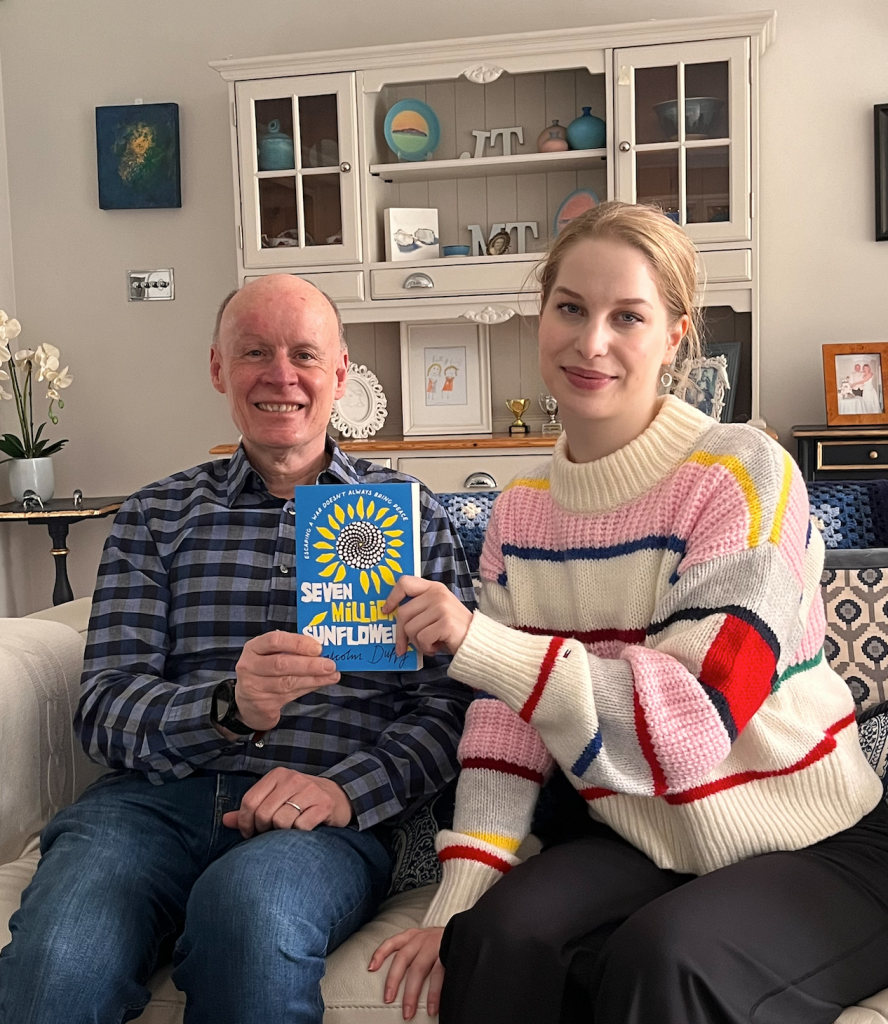
When Russia invaded Ukraine in February, 2022, it affected so many lives across the world. Including our own. Having joined the Homes for Ukraine scheme, and inviting the Marchenko family into our home, I discovered the strength, resilience and humility of the Ukrainian people. I learnt what it was like to have to flee a conflict, and adapt to a new country, new language, new culture.

This was the inspiration for my story, Seven Million Sunflowers.

This novel has many themes, from resilience and acceptance of different cultures to coping with post-traumatic stress disorder and the changing dynamics of a family, to name a few. Were any themes most important for you to include as the writer?

Writing is like making a meal – all the ingredients are important. But I think there was one key ingredient – acceptance. To what extent can you accept strangers in your home, accept the views of others, accept different cultures? This applies to both the hosts and the guests. 

The opening paragraph and description of the attack on Kateryno’s building is so vivid – the burst pipes, flames and fire grounds you in the present. What kind of research did you do to help write the book?

I wanted to start the book in as dramatic a way as possible. The story doesn’t reflect Sofiia’s escape from Ukraine, but it does reflect the experience of many Ukrainians, especially those living near the front line, like those in Kharkiv.

The idea for the chapter came from a real event where a Russian missile struck an apartment block in Dnipro, Ukraine. A young woman, Anastasia Shvets, was on the 5th floor of the building. 236 apartments were destroyed and many people were killed, including her parents, but she somehow survived. A photographer captured her, clinging to a small green teddy, as she sat in the rubble far above the city.

The topics you’ve written about must have been very sensitive to discuss with Sofiia. How did you both feel talking about what happened?

For me it’s important to remember that this is fiction, based on fact. It’s not Sofiia’s story or that of her family. I spoke to many Ukrainians when writing the story, as well as reading books and articles on the conflict. The characters are an amalgam of different people I’ve met, and stories I’ve heard.

Sofiia helped me understand the feelings of Ukrainians, the anger and sadness at having been forced from their homeland. 

It’s interesting how you describe both external and internal conflicts: the war in Ukraine and Georgia and Marko’s relationship under the same roof. What were some of the challenges you faced as a father inviting a family into your home?

The Marchenkos were a delightful family to have in our home. They kept themselves to themselves, were respectful of us and our home, and helped us when they could. The drama in the book came from stories I’d heard from various sources about problems between host families and their Ukrainian guests. Sometimes the host family were at fault, sometimes the Ukrainians. I wanted to reflect this in Seven Million Sunflowers.

Although this is a work of fiction, you’ve based the book on your personal experience. Do any of the characters in the book resemble you in any way?

I don’t think any of the characters in the book resemble me. Having said that I like to include elements of human nature that mean a lot to me – humour, empathy, kindness, understanding.

Are you working on anything new at the moment?

Yes, I’m working on a new YA book at the moment, but I don’t want to jinx it by talking about it!

The opening to this novel is very powerful. The description of everyday things such as the guitar, desk etc. all upside down amid the fear and the deafness is so vivid. I was almost choking from the smoke. How much of this was true to your story?

I was fortunate enough not to live too close to Russia unlike the heroine of Malcolm’s story. I am fortunate enough that my flat is still not damaged. But I think the early morning of 24th February was frightening for everyone. I woke up from the explosions. Although we all knew war was coming – I didn’t expect to feel it myself in central Ukraine so soon. My town is of an average size – it has 250,000 people. But even this small town experienced some damage during the ongoing Russian invasion. First missiles, then a few months later drones etc.

I was very frightened although I tried not to show it to my friends and family. On the day of the 24th, the first thing I did was go to the local corner shop and buy champagne and my favourite chocolate. This has always amused me but now I understand I probably was thinking they might be my last days on this earth so I’m gonna celebrate my life. After having those for breakfast I didn’t eat anything at all for the next 3-4 days.

Kat defends and protects her mother by not translating certain negative conversations. Did you ever have this experience?

We definitely didn’t have a negative experience with our host family. Malcolm and his wife and children are super sweet and supportive. But there definitely were some moments outside of our host family’s house (like dealing with the search for work and accommodation) that were stressful and I didn’t always translate everything to my mum for the sake of her wellbeing. I know she likes to solve problems and support me but with her not being able to speak English, it really left her feeling helpless and I didn’t want to add to that.

Malcolm and Sofiia

Was it difficult adapting to rules in someone else’s home?

As I mentioned earlier – our host family were super sweet and understanding. It wasn’t difficult to adapt to their rules, we are really lucky we met them. We are still friends and love babysitting for their lovely dog Layla sometimes.

What was hard for me was the lack of personal space which I always had growing up. I am an only child and my parents were working a lot, so I had a lot of moments being alone in the house. I am not used to having many people around, so this was hard. I always had some anxiety, even back in Ukraine when we had some guests visiting, so even though our host family were the loveliest and the most understanding people ever, I did miss being alone sometimes – this is an environment where I regain my strength and resources to carry on in difficult times.

How did it feel being in the UK, while people you knew and cared about were still in your homeland?

Definitely a lot of guilt. Feeling you are the lucky one who got away and survived and can carry on having a normal life.

What do you think of the final book, Seven Million Sunflowers?

I have read it and I do love it! I think it is amazing of Malcolm to address this issue through a powerful story like this, and it’s definitely a compelling and moving story. It describes all the difficulties a young Ukrainian teenager faces when escaping the war and having to live a ‘normal’ life while having loved ones in danger every day.

The book is excellent at describing the emotions of a person having to deal with all the mixed feelings of living in two different worlds on the same continent where one is full of chaos and death and other one is peaceful and carefree.

Do you still live in the UK? If so, what are you doing? What plans have you got for the future?

I still live in the UK. We are renting a flat with my mum in a nice area. Currently I am teaching piano classes, mostly to kids, and finishing my Communications degree online. For now, I just want to take time to think about what I actually want and what I am going to do next. To be honest, I didn’t have much time to think about that before.

Refugee Week runs from June 17th to 23rd 2024. Read more about it here.

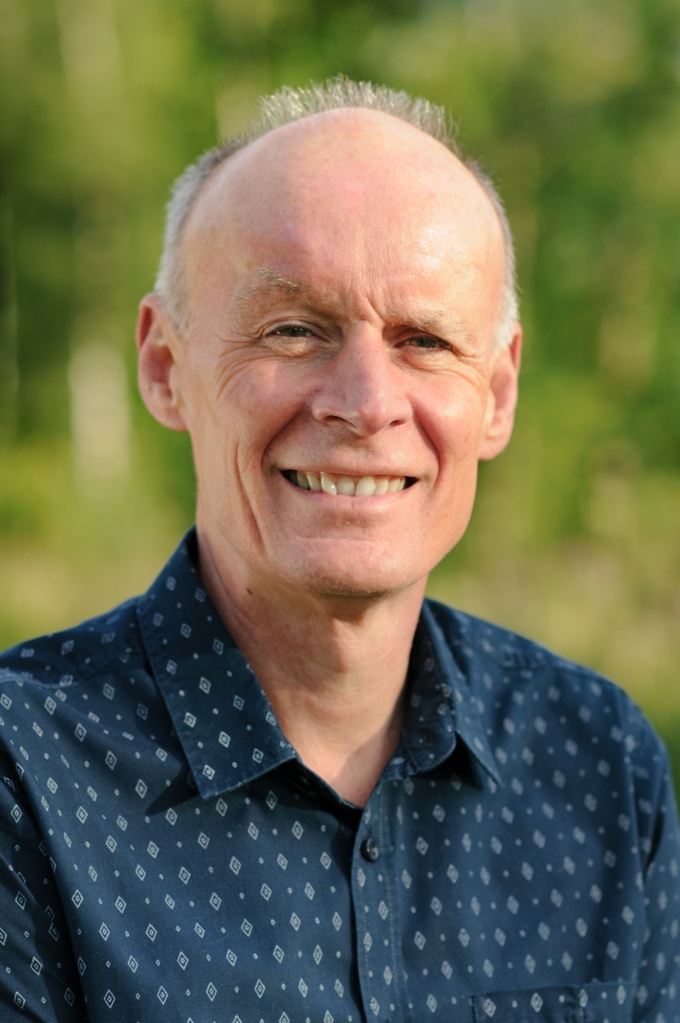
Malcolm was born and bred in Newcastle upon Tyne and now lives in Surrey. After a typical Geordie childhood, his parents moved south and deposited him in South East England. Having acquired a Law degree at Warwick University he worked his way through a host of London advertising agencies, picking up numerous awards for copy, press, TV and radio.
Having left ad-land he worked as Creative Director of Comic Relief, creating campaigns for Red Nose Day and Sport Relief. It was at Comic Relief that he was inspired to swap copywriting for writing and wrote his first novel, Me Mam. Me Dad. Me. His books have all been issue based, with much of the information gleaned from his work for different charities – Comic Relief (domestic violence), Shelter (homelessness), Nessy (dyslexia) and Combat Stress (PTSD).
He’s supported in his efforts by his New Zealand wife Jann, and daughters Tallulah and Tabitha, who, under the threat of withholding pocket money, seem to like what he writes.
Find out more at malcolmduffy.com and follow him @malcolmduffyUK

Huge thanks to Jayne Leadbetter for preparing the interview questions. Jayne has also reviewed Seven Million Sunflowers in our Spring/Summer 2024 issue, which you can download for FREE here.

Jayne Leadbetter emigrated to Australia from the UK and is a high school teacher at a multicultural high school in Sydney, where she lives on the land of the Gadigal and Bidjigal people. She’s currently studying for a master’s degree in creative writing at university and is in the process of writing two novels, while enjoying the nature and the beaches of Australia with her huge dog Clifford.

PaperBound Magazine is an online magazine for the young, and the young at heart. We are dedicated to showcasing authors and illustrators for children’s and young adult fiction and we strive to deliver inspiring content, uplifting stories, and top tips for young and aspiring writers yet to burst on to the literary scene.

All our issues are completely free and run by volunteers, however if you would like to support PaperBound and the work we do, you can help us out by buying us a virtual book. We appreciate any support you can give us!

Don’t forget you can read with the latest issues of PaperBound Magazine – completely free – here.

article, Blog, Blog series, Bookshelf, on writing, Writing craft

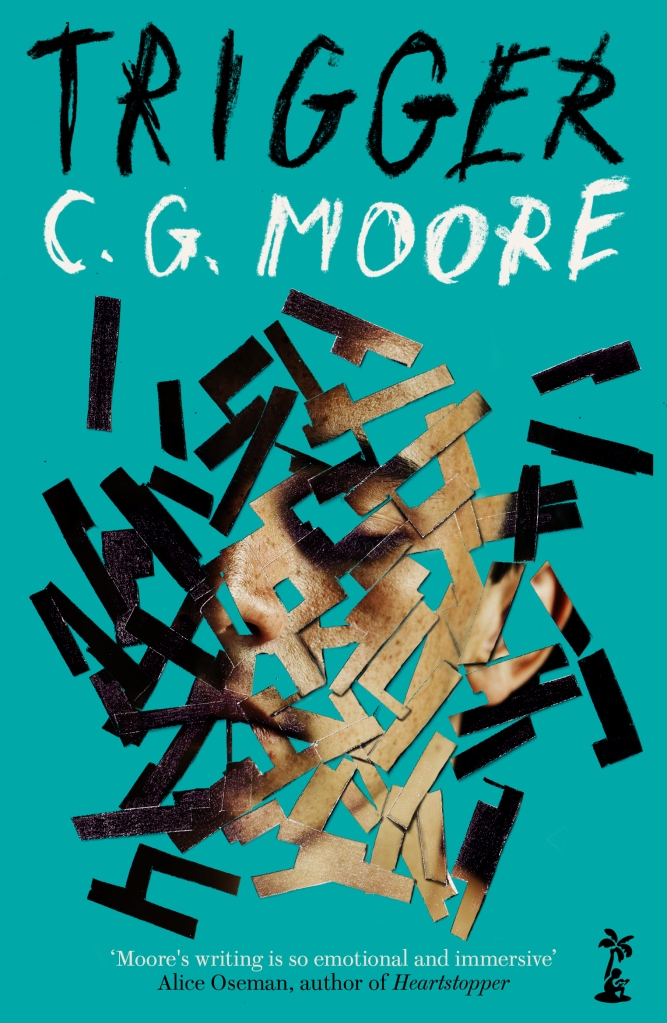
C.G. Moore on Writing in Verse: The Joys and Challenges, plus extract of new novel Trigger

*Trigger warning: sexual assault

See below an extract of the opening of Trigger:

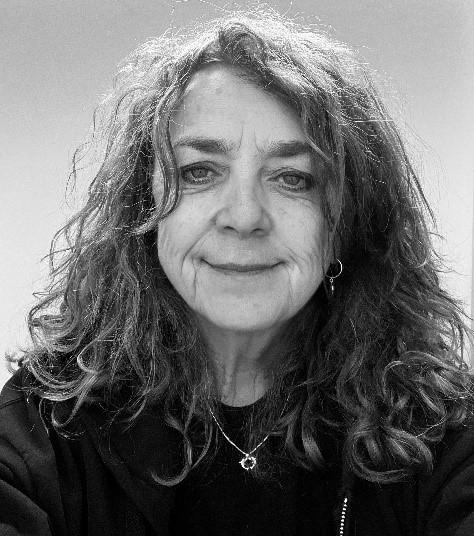
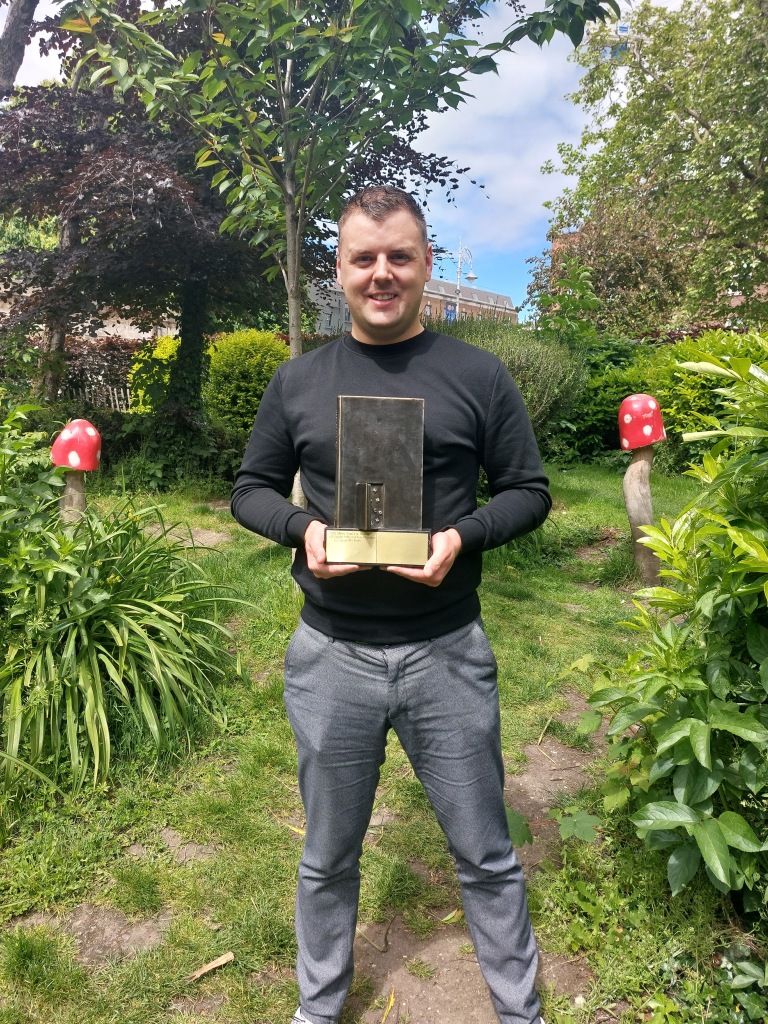
C. G. (or Chris) Moore is the published author of three books. His second book – Gut Feelings – explored his own experiences living with chronic illness and was nominated for the Yoto Carnegie Medal and won the KPMG Children’s Books Ireland Book of the Year Award 2022. His new book – Trigger – is inspired by his own experiences of sexual assault and looks at consent. 
Chris has also contributed a poem to Our Rights – an anthology endorsed by Amnesty International. He also works as a Campaign Officer for The Reading Agency where he leads on digital events and supports libraries and schools across the UK. 

PaperBound Magazine is an online magazine for the young, and the young at heart. We are dedicated to showcasing authors and illustrators for children’s and young adult fiction and we strive to deliver inspiring content, uplifting stories, and top tips for young and aspiring writers yet to burst on to the literary scene.

All our issues are completely free and run by volunteers, however if you would like to support PaperBound and the work we do, you can help us out by buying us a virtual book. We appreciate any support you can give us!

Don’t forget you can read with the latest issues of PaperBound Magazine – completely free – here.

article, Blog, Blog series, Bookshelf, on writing, Writing craft

Journey from Blogger to Author by Amy McCaw

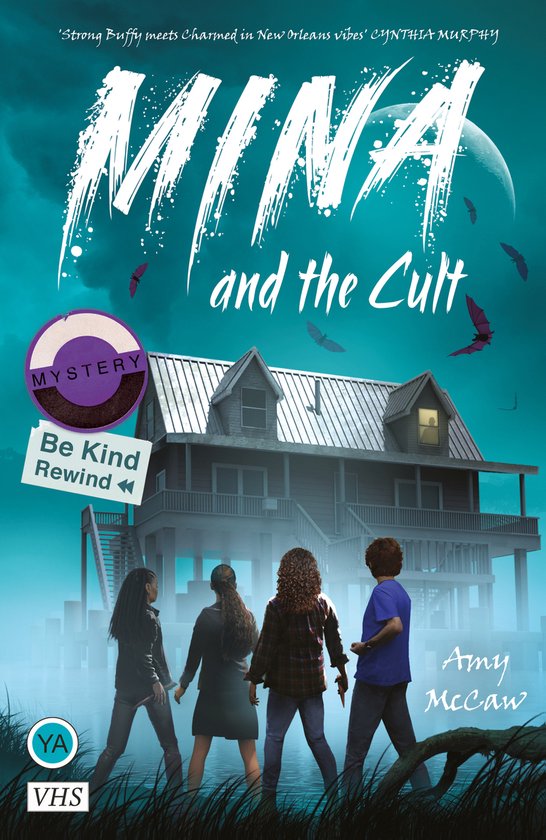
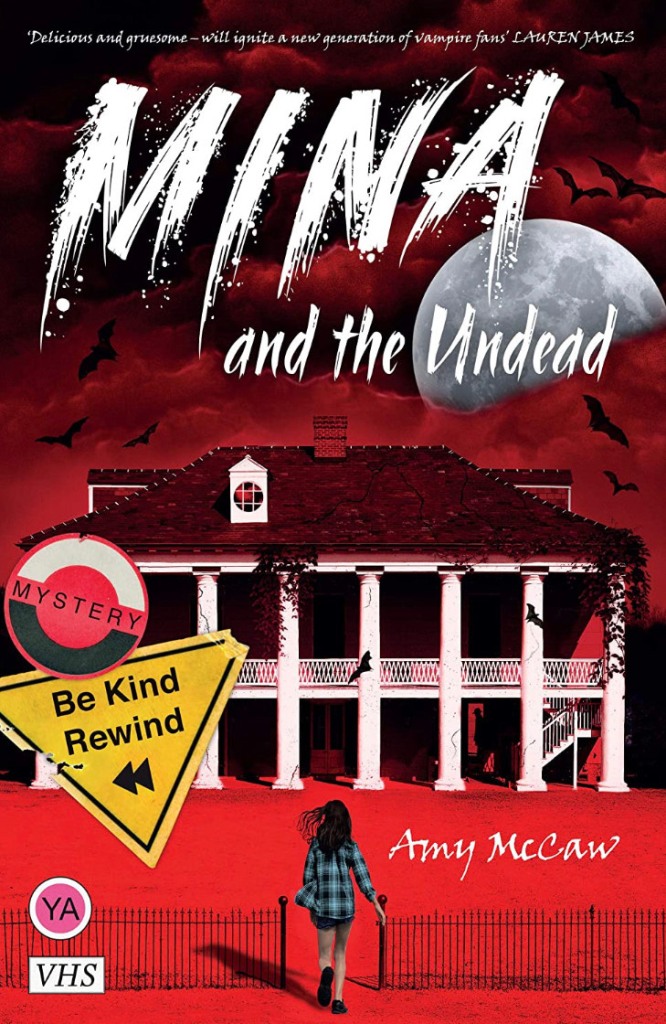
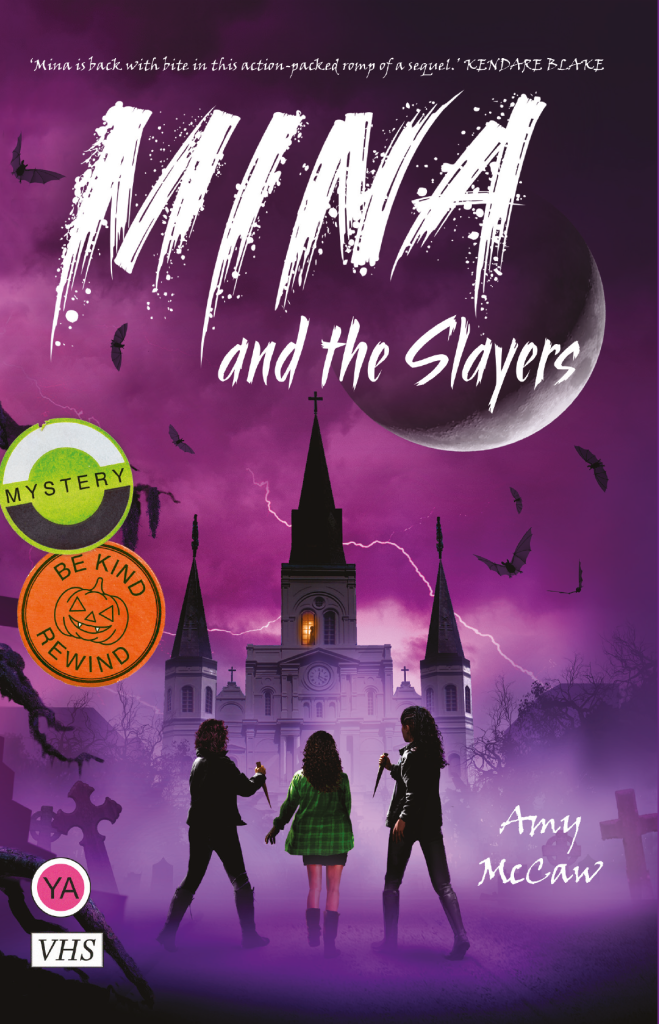
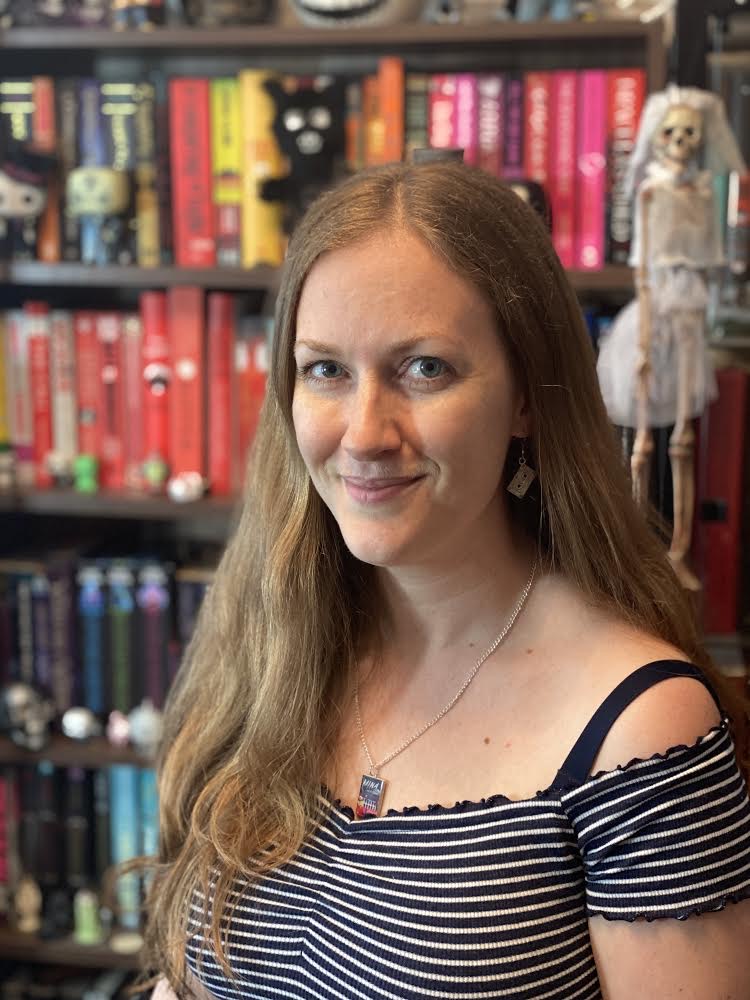
Amy McCaw is a YA author and YouTuber. She’s the author of the Mina and the Undead series, YA murder mysteries set in 1995 New Orleans. She also co-curated the A Taste of Darkness horror anthology with Maria Kuzniar. Her main interests are books, movies and the macabre, and her novels have elements of all of these. Unsurprisingly, she’s a huge Buffy the Vampire Slayer fan and has gone to conventions to meet James Marsters more times than she cares to admit.

If you want to talk with Amy about books or 90s movies, you can find her on Twitter, Instagram, Tiktok and YouTube.

PaperBound Magazine is an online magazine for the young, and the young at heart. We are dedicated to showcasing authors and illustrators for children’s and young adult fiction and we strive to deliver inspiring content, uplifting stories, and top tips for young and aspiring writers yet to burst on to the literary scene.

All our issues are completely free and run by volunteers, however if you would like to support PaperBound and the work we do, you can help us out by buying us a virtual book. We appreciate any support you can give us!

Don’t forget you can read with the latest issues of PaperBound Magazine – completely free – here.

Blog, Blog series, Interview, Interviews, Writing craft

Interview: Rebecca Barrow on YA Thriller ‘And Don’t Look Back’

Thanks for having me! And Don’t Look Back is a twisty thriller that centres on Harlow, a girl who has spent her entire life on the run. When her mother is killed in a car accident, Harlow is left to unravel the secrets of her life and her family all alone.. 

I really love writing about mothers and daughters, and I thought it would be interesting to explore generational trauma—how a girl like Harlow is shaped by her mother’s experiences, and how she deals with that while at the same time struggling to figure out who she is in the same way all teenagers do. I really enjoy writing older YA because that time in life is so interesting—you’re on the precipice on adulthood but still a kid, at the same time. And like Harlow, a lot of teenagers are dealing with really heavy things like the loss of a parent or mental health struggles or a million other things, and I think it’s important to acknowledge those things.

It took a while to come together but once the planning was done, the writing came quite easily. I usually don’t like to plan too much because I like discovering things through the writing, but often writing a mystery means you need to plan, so it’s about finding the right balance for me. Some of the plot aspects had been in my head for years just waiting for the right story so it really was a mix of long term planning and figuring some things out as I went!

Yes, I actually really do! I don’t think I will ever run out of ideas, but I do find they sometimes take a while to come to me. I’m definitely not one of those authors who have so many ideas that the main struggle is choosing which one to work on, but I think needing to let things develop in the back of my mind can also be really beneficial. I don’t see myself ever not writing. 

I write in twenty-minute blocks and use a program called Freedom to block the internet while I write, otherwise I would never get anything done. I usually have a word count goal so I just keep writing in those twenty minute slices with breaks in between until I have the words! I like to use different playlists for different books, to help me get in the right headspace, and that’s about it! 

I have mostly always wanted to be a writer but I did entertain the idea of several other careers—nurse, fashion designer, and choreographer were the big three! But it was mostly always writer for me.

Rebecca Barrow is the critically acclaimed author of And Don’t Look Back, Bad Things Happen Here, and several others.
She is a lover of sunshine, Old Hollywood icons, and all things high femme. She lives and writes in England.

PaperBound Magazine is an online magazine for the young, and the young at heart. We are dedicated to showcasing authors and illustrators for children’s and young adult fiction and we strive to deliver inspiring content, uplifting stories, and top tips for young and aspiring writers yet to burst on to the literary scene.

All our issues are completely free and run by volunteers, however if you would like to support PaperBound and the work we do, you can help us out by buying us a virtual book. We appreciate any support you can give us!

Don’t forget you can read with the latest issues of PaperBound Magazine – completely free – here.

Blog, Blog series, Interview, Interviews, Writing craft

Interview: YA author Shelby Mahurin chats about ‘The Scarlet Veil’

Of course! The Scarlet Veil is the first in a new duology set in the same universe as Serpent & Dove. It follows Célie Tremblay, the first woman initiated into the brotherhood of Chasseurs, as she investigates a string of murders in Cesarine—all the victims of magical origin, all their bodies drained of blood. Her investigation leads her straight to the heart of a vampire lair, where she captures the attention of its cruel yet beautiful king. He has plans of his own for Célie, who refuses to acknowledge the whispers from her past that still haunt her.

Interestingly enough, no—I didn’t plan to tell Célie’s story at all. In the thick of deadline with Gods & Monsters, I even swore I’d never return to the world of Serpent & Dove again. I wanted to tell new stories with new characters; I’d even sold another duology about Greek sirens! With a little time and distance, however, I realized I wasn’t quite ready to let the world go. When I called my critique partner on the way home from my local indie the day before Gods & Monsters published, crying, she told me it didn’t necessarily need to be over—and then she asked about Célie. We both agreed her story hadn’t reached its conclusion, and I’d always wanted to write a vampire book. Their inclusion felt like a natural extension to this world. Within ten minutes, we’d plotted out a rough outline of The Scarlet Veil, and the rest is history.

Yes! I always knew The Scarlet Veil would end the way it did, and I knew I didn’t want to write another trilogy so soon after Serpent & Dove. Thus, a duology was the perfect fit!

It seems like the trickiest part for me to write is always the part I’m currently writing. Ha! In all seriousness, though, Célie is an extremely emotional and vulnerable character—a complete foil to Lou and Reid, who both avoid their emotions at all costs. I personally err more on their side of emotional avoidance, so it took a lot for me to sit with Célie and her feelings. Other scenes that are always difficult to write are action sequences; I know literally nothing about self-defence, so whenever Célie or Michal needed to physically fight someone, it meant a lot of time on the internet looking up choreography and trying to describe such technical movements in a natural way.

The easiest scenes for me to write involve romance—banter, sexual tension, a lingering look. Those are always my favorite.

I’ve always loved vampires—Twilight, The Vampire Diaries, Underworld, and True Blood were pillars of my adolescence. There’s something inherently seductive about a vampire, especially after Bram Stoker brought a refined façade to their savagery with Dracula. Maybe it’s because vampires are so powerful with their predatory speed and strength, or maybe it’s because they’re immortal. They never grow old. They live forever young, forever attractive, yet they’ve seen things we haven’t. They know things we don’t. It’s the ultimate fantasy, isn’t it? For such an all-powerful creature to fall in love with a human? And then there’s the whole business of their drinking our blood—it makes everything all the more dangerous, and don’t we all crave a little danger? I know Célie does.

It’s so interesting that you mention worldbuilding specifically because—to be completely transparent—I’ve never loved worldbuilding. Or at least, I’ve always loved it less than character work and romance. In fact, I would argue that most of the worldbuilding in The Scarlet Veil came along as a means to cram every single trope I love into this story. The vampires’ casket company, for example, was an answer to the question, “How can I realistically get Michal and Célie into one casket together?” It needed to make sense. It needed to feel like a natural progression of both the plot and world. And so, I started brainstorming, and one thing led to another, and of course vampires have always needed a way to sneak into Cesarine, right? Lou and Reid would’ve known about them in the original trilogy otherwise. And Célie needed to face her fear of caskets after what happened with Filippa in Blood & Honey. And thus, Requiem, Ltd. was born. I could think of a dozen more examples of this sort of jigsaw puzzle worldbuilding, but you get the idea.

My advice to aspiring authors would be to lean into what you love—find a way to use it, to leverage it throughout your story, and the pieces will fall into place.

Good romance requires tension. Lots of tension. For me, that means I need both an internal and external reason to keep the lovers apart. Otherwise, why wouldn’t they get together as soon as they feel that first spark of attraction? Again, those reasons also need to make logical sense; nothing infuriates me more as a reader than a flimsy excuse for two people who want to be together not being together. The reasons also need to involve personal stakes—what will happen if they do get together? It needs to have a real consequence.

I’m still drafting The Scarlet Veil’s sequel now, but afterward, I’ll be returning my attention to the Greek siren duology I mentioned earlier. I actually sold those books back in 2020 and 2021, so I’m extremely eager to get back to them!

Shelby Mahurin is theNew York Times bestselling author of the Serpent & Dove trilogy. She grew up on a small farm in rural Indiana, where sticks became wants and cows became dragons. Her rampant imagination didn’t fade with age, so she continues to play make-believe every day—with words now instead of cows. When not writing, Shelby watches The Office and reads voraciously. She still lives near that childhood farm with her very tall husband and semi feral children.

PaperBound Magazine is an online magazine for the young, and the young at heart. We are dedicated to showcasing authors and illustrators for children’s and young adult fiction and we strive to deliver inspiring content, uplifting stories, and top tips for young and aspiring writers yet to burst on to the literary scene.

All our issues are completely free and run by volunteers, however if you would like to support PaperBound and the work we do, you can help us out by buying us a virtual book. We appreciate any support you can give us!

Don’t forget you can read with the latest issues of PaperBound Magazine – completely free – here.

Blog, Blog series, Interview, Interviews, Writing craft

Interview: Michael Thomas Ford chats about his new novel ‘Every Star That Falls’

Every Star That Falls begins the day after Suicide Notes ends. Jeff returns home and goes back to his old life, but he’s no longer the old Jeff. He has to figure out what that means in terms of his relationships with his family, his friends, and his larger community. He also wants to explore what it means being an out member of the LGBTQ community, which involves finding a support group. The people he meets there change his life even more, in ways he could never have imagined a couple of months ago. 

It’s definitely surprising to me how Suicide Notes continues to find new readers. It’s also a testament to the power of social media, which wasn’t really a thing when the book first came out. Now, readers are sharing their experiences of the book on places like TikTok and Instagram, and that’s allowing it to connect with even more readers. One of the things I love most about the world right now is that the voices of readers are so strong and so powerful. They’re not waiting for anyone to tell them what to read and what they should like, they’re deciding for themselves and then spreading the word. It’s fantastic to watch this happen.

The most powerful tool for creating change is empathy. When we learn to really listen to people – particularly to people with whom we might not think we have anything in common – and hear about their experiences and what they feel, we learn to see the world in a different way. That’s how change happens. When we create barriers between us, we only see things from one perspective and it’s easier for other points of view to feel threatening. There’s much more that connects us than divides us, and learning to focus on those things while allowing for differing perspectives is what creates forward movement.

Jeff is essentially me, and I have always approached difficult situations by looking for the humour in them. I think that if you can find a way to laugh, even in the darkest moments, it creates a spark of light that grows brighter and shows you the way through. I realize not everyone appreciates this approach, because we’re all different, but for me the most effective way to deal with life when it gets hard or seems hopeless is to find the moments of joy that remind me that the darker times don’t last forever. 

In general, I don’t enjoy sequels because no matter what happens, someone is disappointed. Once someone falls in love with a character, they developed expectations of what they want for them. With Suicide Notes I wanted readers to imagine what happens to Jeff when he leaves the hospital he’s in for the whole book. But as time went on, I thought of more things I wanted to say about certain topics, and continuing Jeff’s story was the best way to do that. Also, there were some characters and events from Suicide Notes that I found readers asking about over and over again, and writing a sequel gave me the opportunity to answer those questions. 

I write for a number of different audiences, including adults and younger readers, so there’s always something happening. I’m currently finishing up a ghost-themed novel for middle grade readers, which is a lot of creepy fun. That will be out next year. And there just might be another part to the story about Jeff and his new friends coming. Readers can always find the latest news on my website: www.michaelthomasford.com.

Michael Thomas Ford is the author of numerous works for both adults and young readers, including Suicide Notes as well as some of the earliest books about the HIV/AIDS crisis and several books about the LGBTQ community. A five-time winner of the Lambda Literary Award, he has also been a finalist for the Shirley Jackson Award, the Bram Stoker Award, the Firecracker Alternative Book Award, and the Ignyte Award. He lives in rural Appalachia with his husband and dogs.

PaperBound Magazine is an online magazine for the young, and the young at heart. We are dedicated to showcasing authors and illustrators for children’s and young adult fiction and we strive to deliver inspiring content, uplifting stories, and top tips for young and aspiring writers yet to burst on to the literary scene.

All our issues are completely free and run by volunteers, however if you would like to support PaperBound and the work we do, you can help us out by buying us a virtual book. We appreciate any support you can give us!

Don’t forget you can read with the latest issues of PaperBound Magazine – completely free – here.

Blog, Interview, Interviews

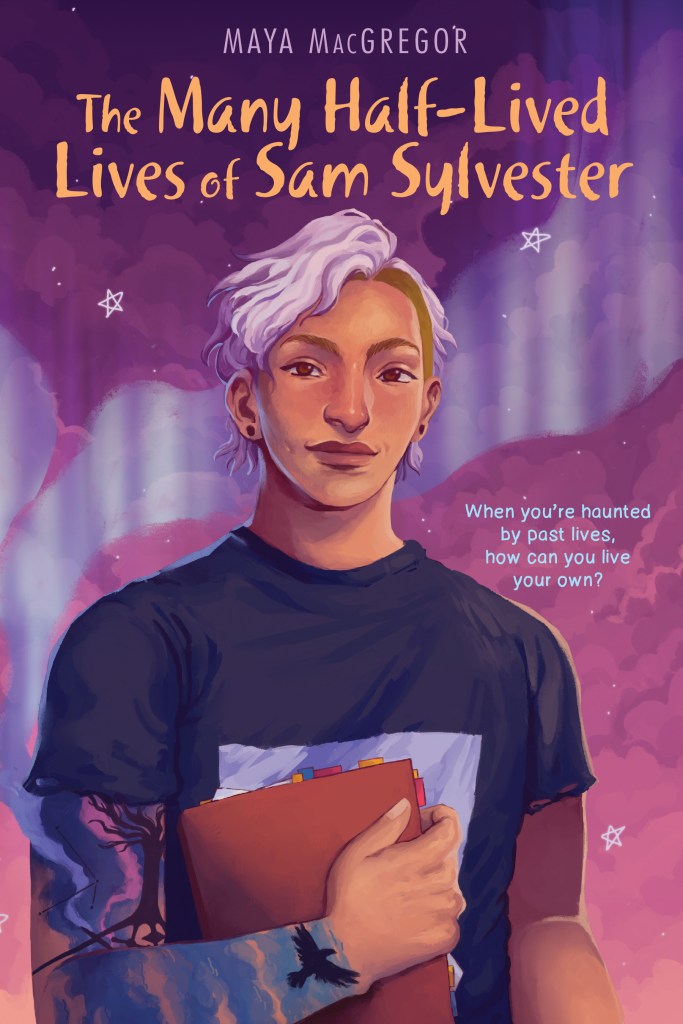
Interview with YA author Maya MacGregor

We were thrilled to chat with YA author Maya MacGregor about their new novel The Many Half-Lived Lives of Sam Sylvester. Read the interview below, or in the latest issue of PaperBound here.

Can you tell us a little about your YA novel The Many Half-Lived Lives of Sam Sylvester? What a title! 

The title was actually the first thing that came to me in this novel—originally, Sam had literal past lives, all of whom died before nineteen. That was the impetus for the title, and that’s where the story and characters germinated. Sam’s “half-lived lives” morphed through the submission and editorial process to become their autistic special interest, stories Sam felt compelled to keep alive. 

Writing Sam was very personal in a lot of ways. It’s a book about a non-binary, autistic teen who has grown up in rural Montana with their single dad, and after a near-fatal queerphobic attack, they move to Astoria, Oregon to start fresh … and right into a home where one of the half-lived lives ended. 

With the help of their new friends and love interest, Sam sets out to find out what really happened to this boy, bringing them up against a real-life murderer who has been hiding in plain sight for thirty years. 

How much of your own experience did you draw from, as someone who is non-binary and autistic yourself, when creating Sam as a character? 

A lot! A lot of Sam’s experiences in rural Montana are drawn from my own (I lived there from 1996-2003), and that was heavily influenced by the fact that I’ve two mums, and things were very hostile towards LGBTQ people. I myself was deeply in the closet until I was almost thirty. 

I self-diagnosed with autism when I was in my late twenties and got my formal diagnosis at 36. A lot of writing Sam’s story was influenced by my own self-discovery and understanding the parts of myself that had made me different. I wanted to give Sam that self-knowledge earlier than I had it myself, almost as a way of giving a gift to my inner child. 

I think when it comes to my non-binary identity, as an agender person who dislikes a lot of the language around gender (I don’t feel as though I “present” femme—to me, I’m a person wearing people clothes), it can be hard for me sometimes to assert myself. People tend to make assumptions because I don’t bind my breasts, because I love makeup and glitter and dresses. So writing Sam required me to unpack a lot of the internal pressure I feel to be androgynous if I want to be “taken seriously” as a non-binary person. 

I still find that difficult. I have a very complex relationship with the word “woman” as it applies to myself, and I don’t think I was fully ready to write a character who was like me. Sam felt safer in that respect—they’re genderqueer, and their personal style does lend itself more to androgyny than mine. 

There are also a lot of interesting ways that gender and autism interact—autistics have coined the term “gendermeh” or “gendervague” to describe the fundamentally autistic experience of operating outwith [nb: Scottish usage, not a spelling error, heh] expectations for gender and feelings about the same. It took me another couple books to really lean into writing a character closer to my identity, but Sam was very important to me in getting to actively explore non-binary characters explicitly. 

How important do you consider representation within YA novels, not only when it comes to readers but also to yourself? 

Vital. Absolutely vital. Just a couple weeks ago, I was in Aberdeen at Hazlehead Academy, speaking to 70-80 pupils from LGBTQIA+ equality alliances across the city, and it was really emotional to me. When I walked into the school and saw Pride murals, Pride flags, and more, that struck me so hard. 

I couldn’t have fathomed such a thing when I was that age. And the kids were so eager to speak with me, to ask me everything from how to cope with lack of motivation for writing … to how to come out to their parents. It felt acutely important for Sam to exist for them and for my own visibility in that moment to reflect back at them what I wish I’d had beyond my own family (and the way we were consistently shown that people found our mere existence dirty and shameful). 

I think I would have understood myself so much better if I’d had books like Sam, like Heartstopper, like The Gilded Ones and Felix Ever After and I Kissed Shara Wheeler and so many others. The day Sam came out, there were eight other queer YA novels published. The same day. Absolutely unthinkable even a few years ago. 

If we look at the power stories have to cultivate empathy for others as well as confidence in ourselves, representation is simply integral. Humanity is a vast and vibrant tapestry—and there’s room for everyone in this world. 

What do you do when you’re not writing? 

I’m a full-time editor and a full-time author, and I am also a Gaelic singer and songwriter, so I keep very busy! I like to play video games when I have some downtime, and I of course love to read, though because I spend so much time staring at screens and pages, sometimes I just need to turn off my brain and give my poor eyeballs a break! 

There’s nothing I love more than escaping into the Highlands, alone or with friends, to enjoy this beautiful land we call home. Last week, I was up in Argyll with my friend Hamish, spending the day hillwalking (25 kilometres, ooft!) and speaking Gaelic. 

What books do you consider your favourites? 

This is such a difficult question! I adore The Shadow of the Wind by the late Carlos Ruiz Zafón. It’s a Gothic novel set in Catalonia after the Spanish Civil War, and it isn’t fantasy, but it feels like fantasy. Barcelona is a character in and of itself. 

Another all-time favourite is A Wrinkle in Time by Madeleine L’Engle, which is I think where I realised how important representation was for the first time. Meg reads very autistic to me in her behaviours (she has set ways of doing things, often gets in trouble for being inflexible about it, is very literal), and I related to her so much as a kid. 

In more recent favourites, I absolutely loved Caitlin Starling’s The Death of Jane Lawrence, which is a fantastic gothic fantasy with an autistic protagonist. Deliciously creepy and beautifully written. 

Can you tell us what might come next for your writing, and if more YA novels might be on the horizon?  

I’ve got so many projects working that sometimes I feel like I’m steering a chariot drawn by a hundred horses at once! In most recent YA news, Astra Books for Young Readers also picked up my option book, The Evolving Truth of Ever-Stronger Will this year, which is in a similar vein to Sam Sylvester (non-binary autistic protagonist, some spooky paranormal stuff, resolving trauma and finding family). I’m so excited about this one. I’m actually working on edits for that right now, and you can expect some news about it in the next few months! 

Last year, I wrote a YA fantasy called Eatorra, which features (surprise!) an autistic agender protagonist who accidentally stumbles upon the Fair Folk in the west of Scotland and becomes one of them. It’s deeply rooted in Gaelic tradition and lore as well as intergenerational language transmission and coming of age. We’ve not found a home for it yet, but as we say in Gaelic, I remain beò an dòchas! (Alive in hope!) 

Beyond that, I’ve got a lot of other projects happening. As Emmie Mears, I’m closing out an epic fantasy trilogy in July 2023 (the Stonebreaker series) with Windtaker, and that series has solid crossover potential for YA readers as well, since the characters start out in their late teens. I’m also working on something under NDA as we speak that will be made public later this month (!), and I also write under a secret pen name, so I’m releasing something entirely different in another genre next month. I keep very busy! 

Oh, and I’m also working on my first Gaelic novel, called Sùgan Sàile, which is based on one of my favourite Gaelic waulking songs, “Thig am Bàta”. 

Maya MacGregor is an author, singer, and artist based in Glasgow, Scotland. A fluent Gaelic speaker, Maya is active in many community activities in Gaelic music as well as writing contemporary YA and adult fiction (as Emmie Mears and M. Evan MacGriogair). Maya has a degree in history and is passionate about writing the stories for teens they wish had existed when they were younger and fills them with the type of people who have always populated their world. Their pronouns are they/them. 

The Many Half-Lived Lives of Sam Sylvester is Maya’s first YA novel, and out now. It will be followed by The Evolving Truth of Ever-Stronger Will

You can find Maya online at www.mayamacgregor.com, and you can also find their work at www.emmiemears.com. On social media, they like to keep things simple: you can find them on Instagram, Twitter, and TikTok as @Maigheach. (The Gaelic word for hare!) 

Don’t forget you can catch up with the latest issues of PaperBound Magazine here. All our issues are completely free and run by volunteers, however if you would like to support PaperBound and help keep us running you can buy us a virtual book.