article, Blog, Blog series, Bookshelf, Interview, Interviews, on writing, Writing craft

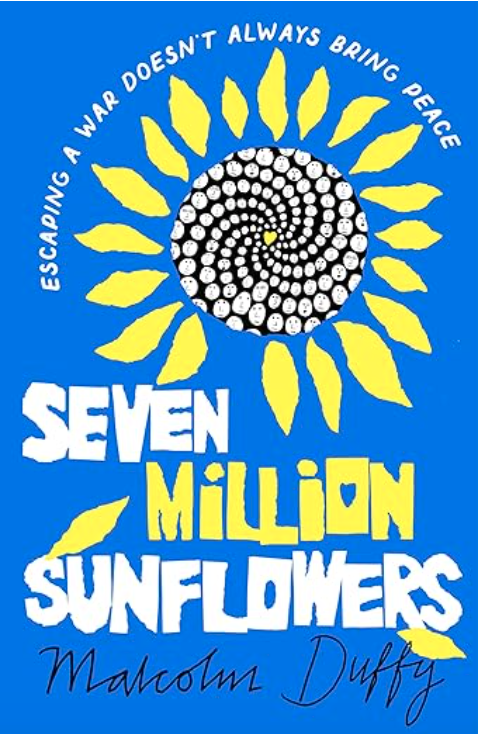
Refugee Week 2024: Seven Million Sunflowers by Malcolm Duffy

Could you tell us a little about your book, Seven Million Sunflowers?

This is a book I wish I didn’t have to write.

When Russia invaded Ukraine in February, 2022, it affected so many lives across the world. Including our own. Having joined the Homes for Ukraine scheme, and inviting the Marchenko family into our home, I discovered the strength, resilience and humility of the Ukrainian people. I learnt what it was like to have to flee a conflict, and adapt to a new country, new language, new culture.

This was the inspiration for my story, Seven Million Sunflowers.

This novel has many themes, from resilience and acceptance of different cultures to coping with post-traumatic stress disorder and the changing dynamics of a family, to name a few. Were any themes most important for you to include as the writer?

Writing is like making a meal – all the ingredients are important. But I think there was one key ingredient – acceptance. To what extent can you accept strangers in your home, accept the views of others, accept different cultures? This applies to both the hosts and the guests. 

The opening paragraph and description of the attack on Kateryno’s building is so vivid – the burst pipes, flames and fire grounds you in the present. What kind of research did you do to help write the book?

I wanted to start the book in as dramatic a way as possible. The story doesn’t reflect Sofiia’s escape from Ukraine, but it does reflect the experience of many Ukrainians, especially those living near the front line, like those in Kharkiv.

The idea for the chapter came from a real event where a Russian missile struck an apartment block in Dnipro, Ukraine. A young woman, Anastasia Shvets, was on the 5th floor of the building. 236 apartments were destroyed and many people were killed, including her parents, but she somehow survived. A photographer captured her, clinging to a small green teddy, as she sat in the rubble far above the city.

The topics you’ve written about must have been very sensitive to discuss with Sofiia. How did you both feel talking about what happened?

For me it’s important to remember that this is fiction, based on fact. It’s not Sofiia’s story or that of her family. I spoke to many Ukrainians when writing the story, as well as reading books and articles on the conflict. The characters are an amalgam of different people I’ve met, and stories I’ve heard.

Sofiia helped me understand the feelings of Ukrainians, the anger and sadness at having been forced from their homeland. 

It’s interesting how you describe both external and internal conflicts: the war in Ukraine and Georgia and Marko’s relationship under the same roof. What were some of the challenges you faced as a father inviting a family into your home?

The Marchenkos were a delightful family to have in our home. They kept themselves to themselves, were respectful of us and our home, and helped us when they could. The drama in the book came from stories I’d heard from various sources about problems between host families and their Ukrainian guests. Sometimes the host family were at fault, sometimes the Ukrainians. I wanted to reflect this in Seven Million Sunflowers.

Although this is a work of fiction, you’ve based the book on your personal experience. Do any of the characters in the book resemble you in any way?

I don’t think any of the characters in the book resemble me. Having said that I like to include elements of human nature that mean a lot to me – humour, empathy, kindness, understanding.

Are you working on anything new at the moment?

Yes, I’m working on a new YA book at the moment, but I don’t want to jinx it by talking about it!

The opening to this novel is very powerful. The description of everyday things such as the guitar, desk etc. all upside down amid the fear and the deafness is so vivid. I was almost choking from the smoke. How much of this was true to your story?

I was fortunate enough not to live too close to Russia unlike the heroine of Malcolm’s story. I am fortunate enough that my flat is still not damaged. But I think the early morning of 24th February was frightening for everyone. I woke up from the explosions. Although we all knew war was coming – I didn’t expect to feel it myself in central Ukraine so soon. My town is of an average size – it has 250,000 people. But even this small town experienced some damage during the ongoing Russian invasion. First missiles, then a few months later drones etc.

I was very frightened although I tried not to show it to my friends and family. On the day of the 24th, the first thing I did was go to the local corner shop and buy champagne and my favourite chocolate. This has always amused me but now I understand I probably was thinking they might be my last days on this earth so I’m gonna celebrate my life. After having those for breakfast I didn’t eat anything at all for the next 3-4 days.

Kat defends and protects her mother by not translating certain negative conversations. Did you ever have this experience?

We definitely didn’t have a negative experience with our host family. Malcolm and his wife and children are super sweet and supportive. But there definitely were some moments outside of our host family’s house (like dealing with the search for work and accommodation) that were stressful and I didn’t always translate everything to my mum for the sake of her wellbeing. I know she likes to solve problems and support me but with her not being able to speak English, it really left her feeling helpless and I didn’t want to add to that.

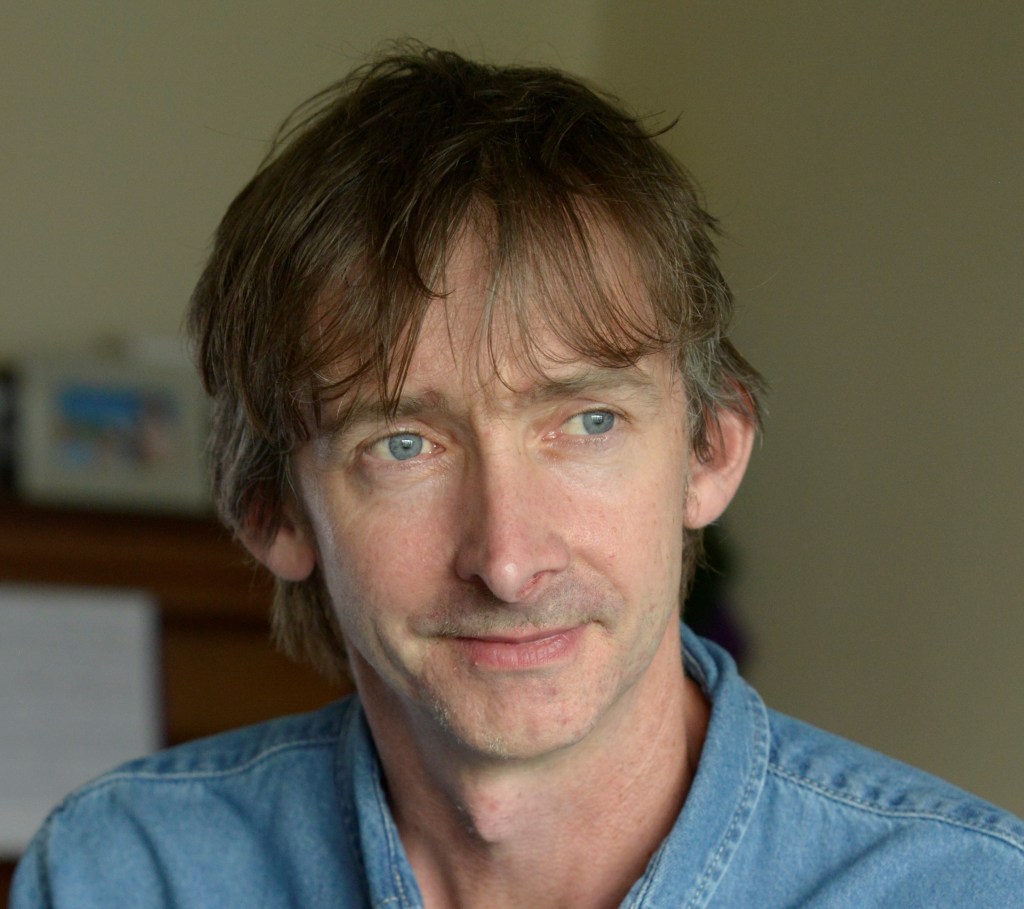
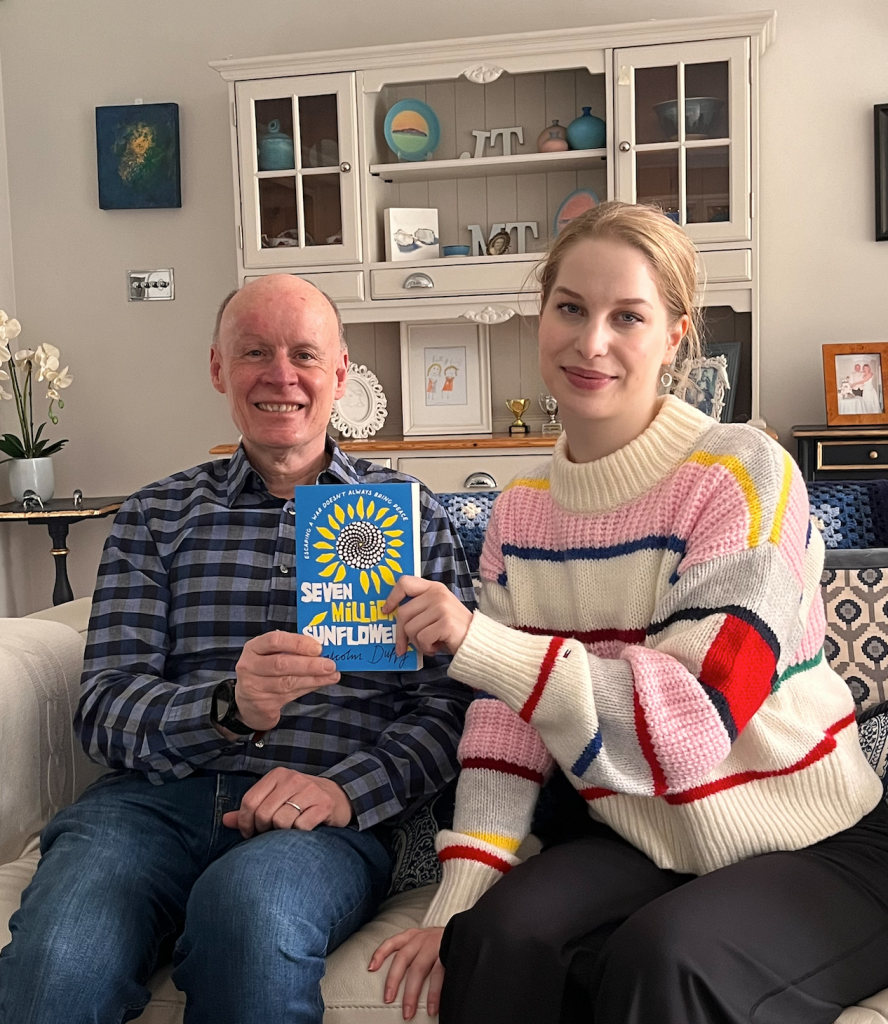
Malcolm and Sofiia

Was it difficult adapting to rules in someone else’s home?

As I mentioned earlier – our host family were super sweet and understanding. It wasn’t difficult to adapt to their rules, we are really lucky we met them. We are still friends and love babysitting for their lovely dog Layla sometimes.

What was hard for me was the lack of personal space which I always had growing up. I am an only child and my parents were working a lot, so I had a lot of moments being alone in the house. I am not used to having many people around, so this was hard. I always had some anxiety, even back in Ukraine when we had some guests visiting, so even though our host family were the loveliest and the most understanding people ever, I did miss being alone sometimes – this is an environment where I regain my strength and resources to carry on in difficult times.

How did it feel being in the UK, while people you knew and cared about were still in your homeland?

Definitely a lot of guilt. Feeling you are the lucky one who got away and survived and can carry on having a normal life.

What do you think of the final book, Seven Million Sunflowers?

I have read it and I do love it! I think it is amazing of Malcolm to address this issue through a powerful story like this, and it’s definitely a compelling and moving story. It describes all the difficulties a young Ukrainian teenager faces when escaping the war and having to live a ‘normal’ life while having loved ones in danger every day.

The book is excellent at describing the emotions of a person having to deal with all the mixed feelings of living in two different worlds on the same continent where one is full of chaos and death and other one is peaceful and carefree.

Do you still live in the UK? If so, what are you doing? What plans have you got for the future?

I still live in the UK. We are renting a flat with my mum in a nice area. Currently I am teaching piano classes, mostly to kids, and finishing my Communications degree online. For now, I just want to take time to think about what I actually want and what I am going to do next. To be honest, I didn’t have much time to think about that before.

Refugee Week runs from June 17th to 23rd 2024. Read more about it here.

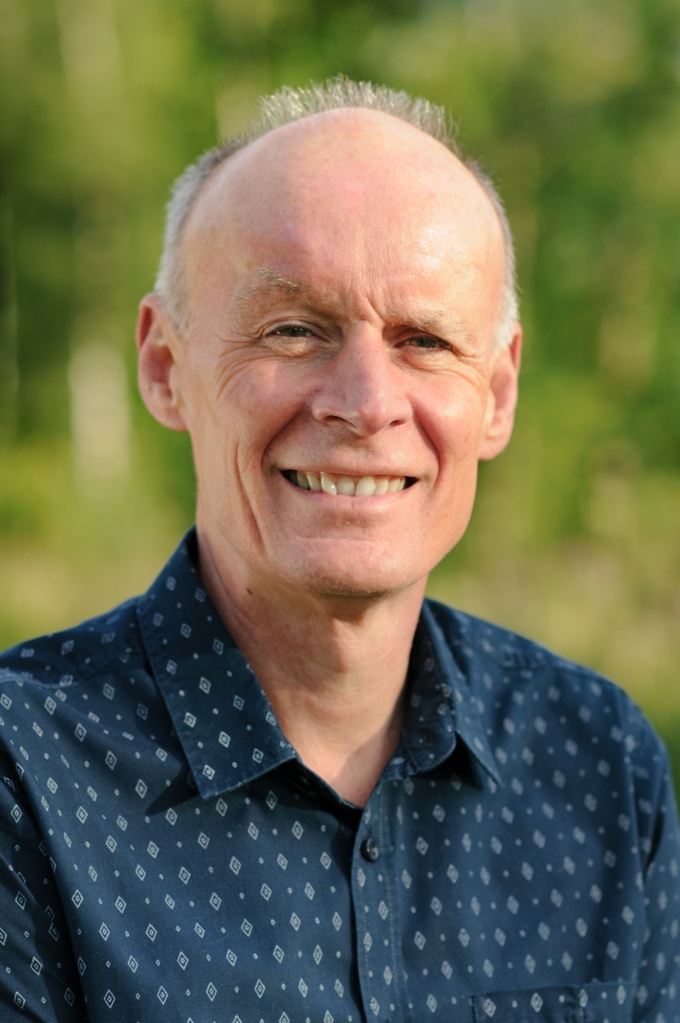
Malcolm was born and bred in Newcastle upon Tyne and now lives in Surrey. After a typical Geordie childhood, his parents moved south and deposited him in South East England. Having acquired a Law degree at Warwick University he worked his way through a host of London advertising agencies, picking up numerous awards for copy, press, TV and radio.
Having left ad-land he worked as Creative Director of Comic Relief, creating campaigns for Red Nose Day and Sport Relief. It was at Comic Relief that he was inspired to swap copywriting for writing and wrote his first novel, Me Mam. Me Dad. Me. His books have all been issue based, with much of the information gleaned from his work for different charities – Comic Relief (domestic violence), Shelter (homelessness), Nessy (dyslexia) and Combat Stress (PTSD).
He’s supported in his efforts by his New Zealand wife Jann, and daughters Tallulah and Tabitha, who, under the threat of withholding pocket money, seem to like what he writes.
Find out more at malcolmduffy.com and follow him @malcolmduffyUK

Huge thanks to Jayne Leadbetter for preparing the interview questions. Jayne has also reviewed Seven Million Sunflowers in our Spring/Summer 2024 issue, which you can download for FREE here.

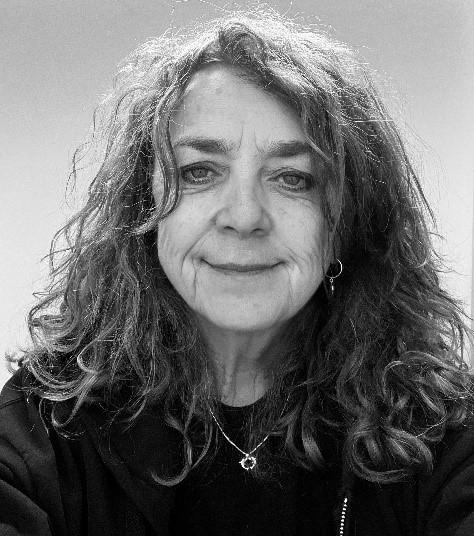
Jayne Leadbetter emigrated to Australia from the UK and is a high school teacher at a multicultural high school in Sydney, where she lives on the land of the Gadigal and Bidjigal people. She’s currently studying for a master’s degree in creative writing at university and is in the process of writing two novels, while enjoying the nature and the beaches of Australia with her huge dog Clifford.

PaperBound Magazine is an online magazine for the young, and the young at heart. We are dedicated to showcasing authors and illustrators for children’s and young adult fiction and we strive to deliver inspiring content, uplifting stories, and top tips for young and aspiring writers yet to burst on to the literary scene.

All our issues are completely free and run by volunteers, however if you would like to support PaperBound and the work we do, you can help us out by buying us a virtual book. We appreciate any support you can give us!

Don’t forget you can read with the latest issues of PaperBound Magazine – completely free – here.

article, Blog, Blog series, Bookshelf, on writing, Writing craft

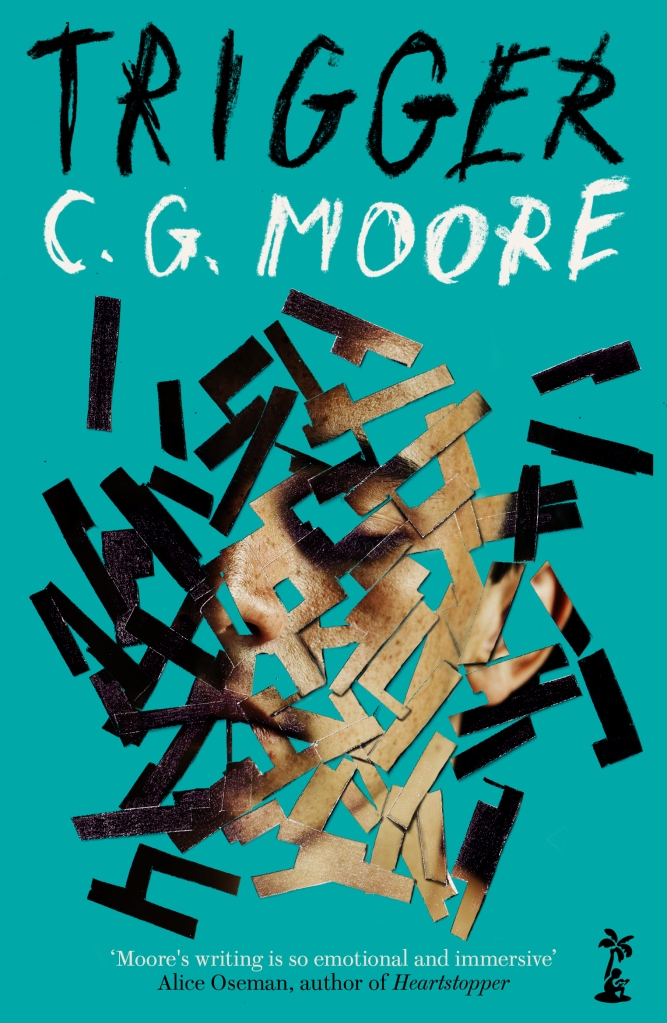
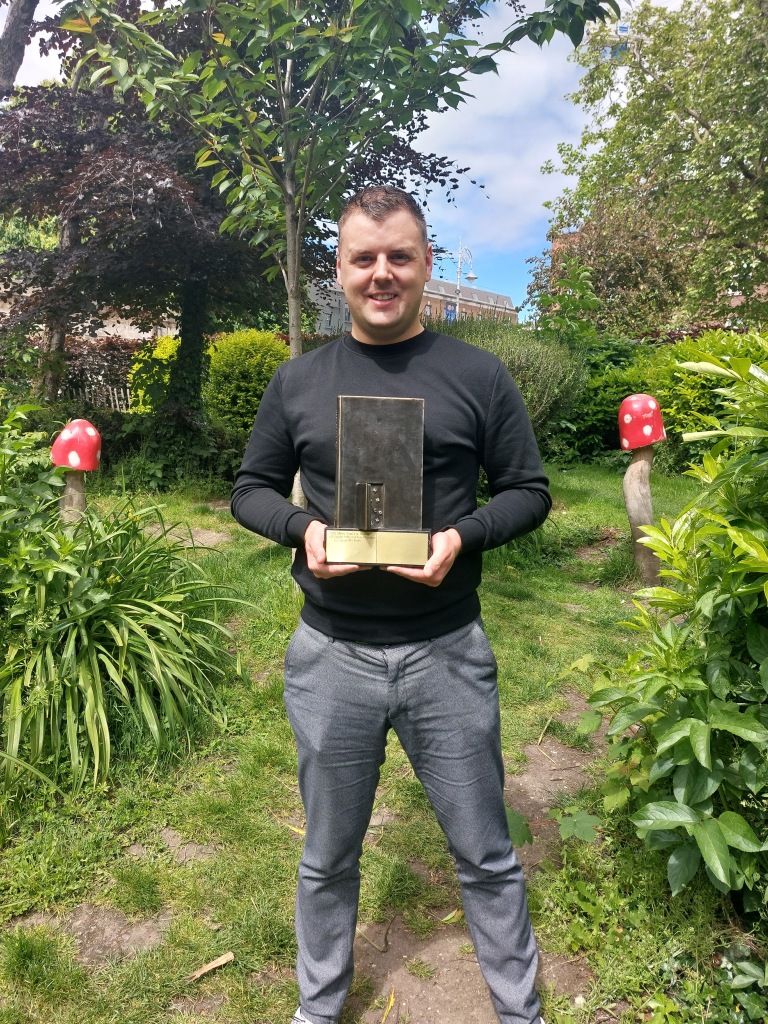
C.G. Moore on Writing in Verse: The Joys and Challenges, plus extract of new novel Trigger

*Trigger warning: sexual assault

See below an extract of the opening of Trigger:

C. G. (or Chris) Moore is the published author of three books. His second book – Gut Feelings – explored his own experiences living with chronic illness and was nominated for the Yoto Carnegie Medal and won the KPMG Children’s Books Ireland Book of the Year Award 2022. His new book – Trigger – is inspired by his own experiences of sexual assault and looks at consent. 
Chris has also contributed a poem to Our Rights – an anthology endorsed by Amnesty International. He also works as a Campaign Officer for The Reading Agency where he leads on digital events and supports libraries and schools across the UK. 

PaperBound Magazine is an online magazine for the young, and the young at heart. We are dedicated to showcasing authors and illustrators for children’s and young adult fiction and we strive to deliver inspiring content, uplifting stories, and top tips for young and aspiring writers yet to burst on to the literary scene.

All our issues are completely free and run by volunteers, however if you would like to support PaperBound and the work we do, you can help us out by buying us a virtual book. We appreciate any support you can give us!

Don’t forget you can read with the latest issues of PaperBound Magazine – completely free – here.

article, Blog, Blog series, Bookshelf, on writing, Writing craft

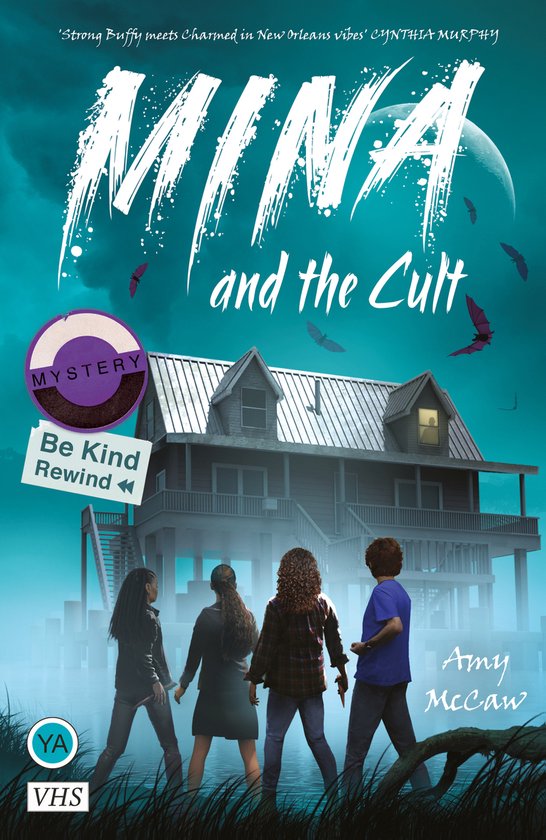
Journey from Blogger to Author by Amy McCaw

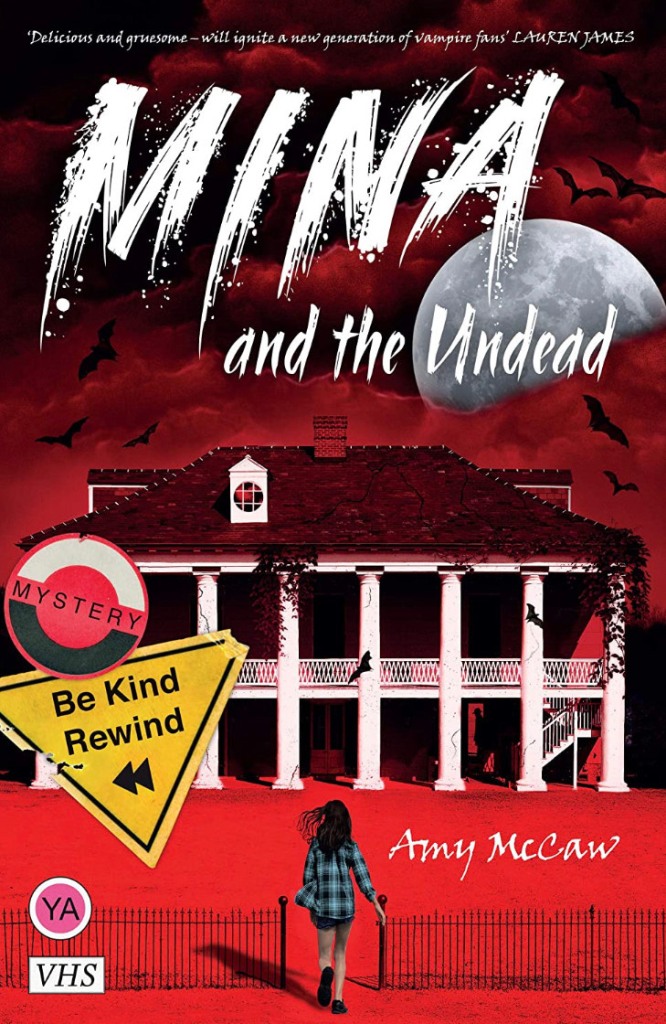
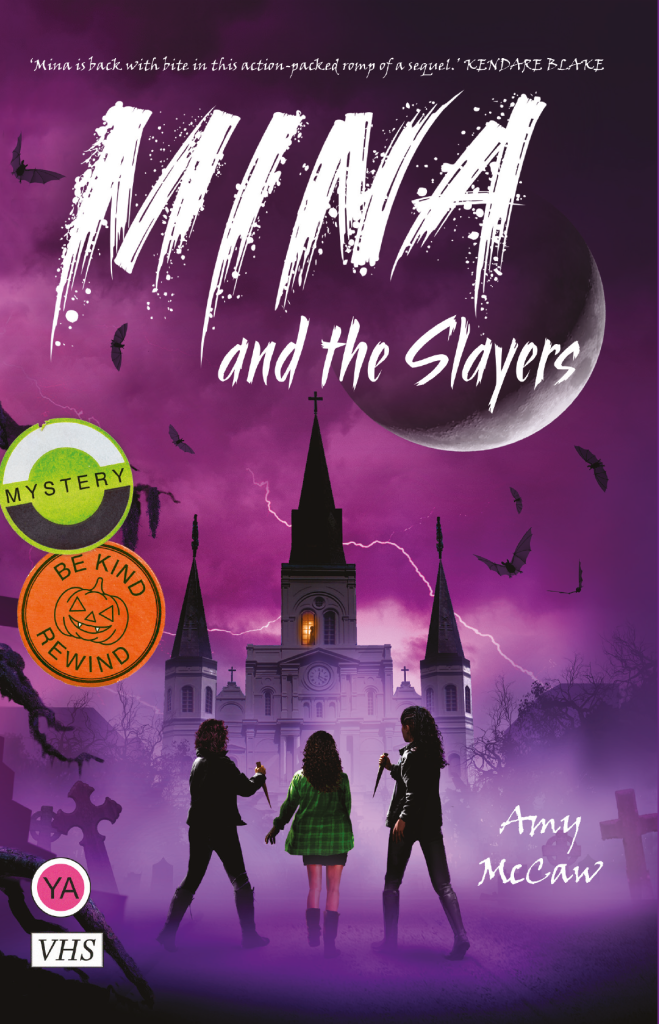
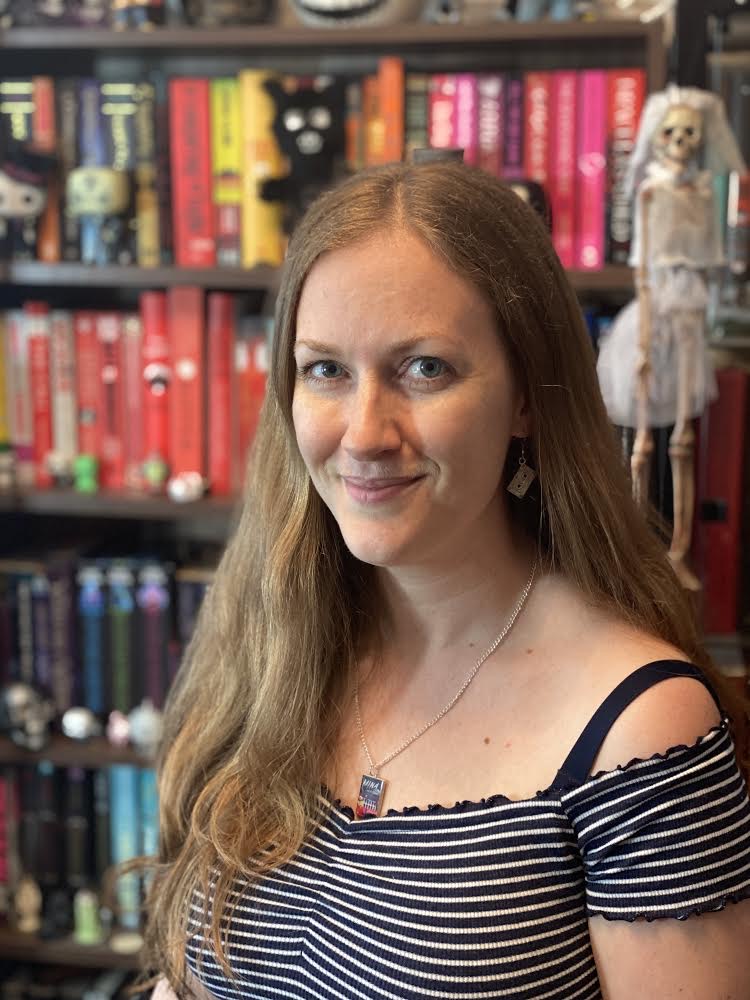
Amy McCaw is a YA author and YouTuber. She’s the author of the Mina and the Undead series, YA murder mysteries set in 1995 New Orleans. She also co-curated the A Taste of Darkness horror anthology with Maria Kuzniar. Her main interests are books, movies and the macabre, and her novels have elements of all of these. Unsurprisingly, she’s a huge Buffy the Vampire Slayer fan and has gone to conventions to meet James Marsters more times than she cares to admit.

If you want to talk with Amy about books or 90s movies, you can find her on Twitter, Instagram, Tiktok and YouTube.

PaperBound Magazine is an online magazine for the young, and the young at heart. We are dedicated to showcasing authors and illustrators for children’s and young adult fiction and we strive to deliver inspiring content, uplifting stories, and top tips for young and aspiring writers yet to burst on to the literary scene.

All our issues are completely free and run by volunteers, however if you would like to support PaperBound and the work we do, you can help us out by buying us a virtual book. We appreciate any support you can give us!

Don’t forget you can read with the latest issues of PaperBound Magazine – completely free – here.

Blog, Interview, Interviews

Interview with YA author Maya MacGregor

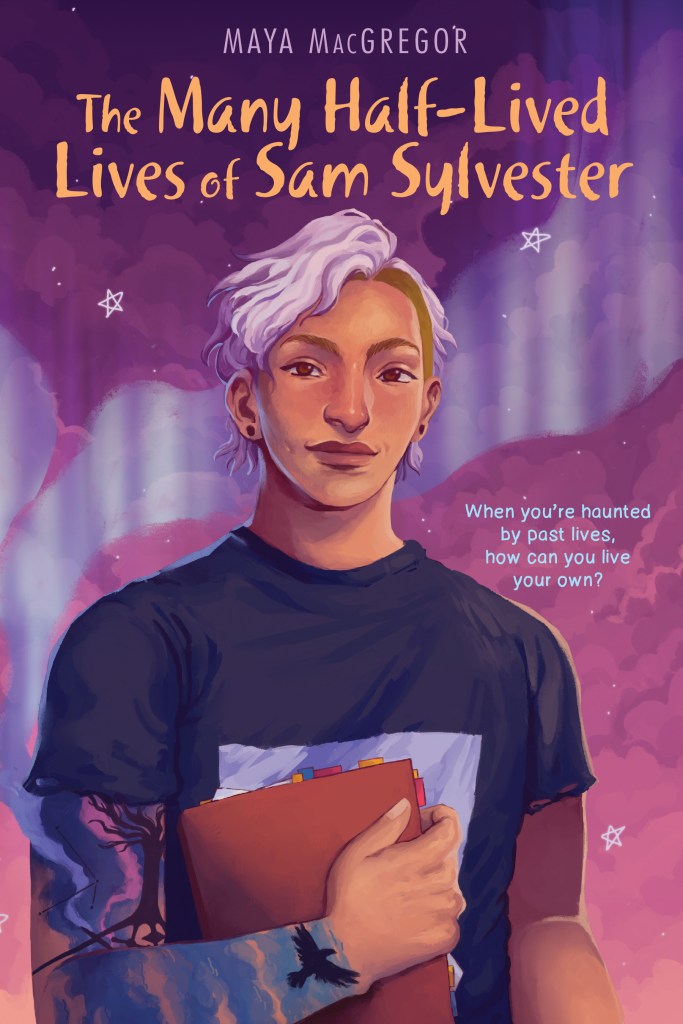
We were thrilled to chat with YA author Maya MacGregor about their new novel The Many Half-Lived Lives of Sam Sylvester. Read the interview below, or in the latest issue of PaperBound here.

Can you tell us a little about your YA novel The Many Half-Lived Lives of Sam Sylvester? What a title! 

The title was actually the first thing that came to me in this novel—originally, Sam had literal past lives, all of whom died before nineteen. That was the impetus for the title, and that’s where the story and characters germinated. Sam’s “half-lived lives” morphed through the submission and editorial process to become their autistic special interest, stories Sam felt compelled to keep alive. 

Writing Sam was very personal in a lot of ways. It’s a book about a non-binary, autistic teen who has grown up in rural Montana with their single dad, and after a near-fatal queerphobic attack, they move to Astoria, Oregon to start fresh … and right into a home where one of the half-lived lives ended. 

With the help of their new friends and love interest, Sam sets out to find out what really happened to this boy, bringing them up against a real-life murderer who has been hiding in plain sight for thirty years. 

How much of your own experience did you draw from, as someone who is non-binary and autistic yourself, when creating Sam as a character? 

A lot! A lot of Sam’s experiences in rural Montana are drawn from my own (I lived there from 1996-2003), and that was heavily influenced by the fact that I’ve two mums, and things were very hostile towards LGBTQ people. I myself was deeply in the closet until I was almost thirty. 

I self-diagnosed with autism when I was in my late twenties and got my formal diagnosis at 36. A lot of writing Sam’s story was influenced by my own self-discovery and understanding the parts of myself that had made me different. I wanted to give Sam that self-knowledge earlier than I had it myself, almost as a way of giving a gift to my inner child. 

I think when it comes to my non-binary identity, as an agender person who dislikes a lot of the language around gender (I don’t feel as though I “present” femme—to me, I’m a person wearing people clothes), it can be hard for me sometimes to assert myself. People tend to make assumptions because I don’t bind my breasts, because I love makeup and glitter and dresses. So writing Sam required me to unpack a lot of the internal pressure I feel to be androgynous if I want to be “taken seriously” as a non-binary person. 

I still find that difficult. I have a very complex relationship with the word “woman” as it applies to myself, and I don’t think I was fully ready to write a character who was like me. Sam felt safer in that respect—they’re genderqueer, and their personal style does lend itself more to androgyny than mine. 

There are also a lot of interesting ways that gender and autism interact—autistics have coined the term “gendermeh” or “gendervague” to describe the fundamentally autistic experience of operating outwith [nb: Scottish usage, not a spelling error, heh] expectations for gender and feelings about the same. It took me another couple books to really lean into writing a character closer to my identity, but Sam was very important to me in getting to actively explore non-binary characters explicitly. 

How important do you consider representation within YA novels, not only when it comes to readers but also to yourself? 

Vital. Absolutely vital. Just a couple weeks ago, I was in Aberdeen at Hazlehead Academy, speaking to 70-80 pupils from LGBTQIA+ equality alliances across the city, and it was really emotional to me. When I walked into the school and saw Pride murals, Pride flags, and more, that struck me so hard. 

I couldn’t have fathomed such a thing when I was that age. And the kids were so eager to speak with me, to ask me everything from how to cope with lack of motivation for writing … to how to come out to their parents. It felt acutely important for Sam to exist for them and for my own visibility in that moment to reflect back at them what I wish I’d had beyond my own family (and the way we were consistently shown that people found our mere existence dirty and shameful). 

I think I would have understood myself so much better if I’d had books like Sam, like Heartstopper, like The Gilded Ones and Felix Ever After and I Kissed Shara Wheeler and so many others. The day Sam came out, there were eight other queer YA novels published. The same day. Absolutely unthinkable even a few years ago. 

If we look at the power stories have to cultivate empathy for others as well as confidence in ourselves, representation is simply integral. Humanity is a vast and vibrant tapestry—and there’s room for everyone in this world. 

What do you do when you’re not writing? 

I’m a full-time editor and a full-time author, and I am also a Gaelic singer and songwriter, so I keep very busy! I like to play video games when I have some downtime, and I of course love to read, though because I spend so much time staring at screens and pages, sometimes I just need to turn off my brain and give my poor eyeballs a break! 

There’s nothing I love more than escaping into the Highlands, alone or with friends, to enjoy this beautiful land we call home. Last week, I was up in Argyll with my friend Hamish, spending the day hillwalking (25 kilometres, ooft!) and speaking Gaelic. 

What books do you consider your favourites? 

This is such a difficult question! I adore The Shadow of the Wind by the late Carlos Ruiz Zafón. It’s a Gothic novel set in Catalonia after the Spanish Civil War, and it isn’t fantasy, but it feels like fantasy. Barcelona is a character in and of itself. 

Another all-time favourite is A Wrinkle in Time by Madeleine L’Engle, which is I think where I realised how important representation was for the first time. Meg reads very autistic to me in her behaviours (she has set ways of doing things, often gets in trouble for being inflexible about it, is very literal), and I related to her so much as a kid. 

In more recent favourites, I absolutely loved Caitlin Starling’s The Death of Jane Lawrence, which is a fantastic gothic fantasy with an autistic protagonist. Deliciously creepy and beautifully written. 

Can you tell us what might come next for your writing, and if more YA novels might be on the horizon?  

I’ve got so many projects working that sometimes I feel like I’m steering a chariot drawn by a hundred horses at once! In most recent YA news, Astra Books for Young Readers also picked up my option book, The Evolving Truth of Ever-Stronger Will this year, which is in a similar vein to Sam Sylvester (non-binary autistic protagonist, some spooky paranormal stuff, resolving trauma and finding family). I’m so excited about this one. I’m actually working on edits for that right now, and you can expect some news about it in the next few months! 

Last year, I wrote a YA fantasy called Eatorra, which features (surprise!) an autistic agender protagonist who accidentally stumbles upon the Fair Folk in the west of Scotland and becomes one of them. It’s deeply rooted in Gaelic tradition and lore as well as intergenerational language transmission and coming of age. We’ve not found a home for it yet, but as we say in Gaelic, I remain beò an dòchas! (Alive in hope!) 

Beyond that, I’ve got a lot of other projects happening. As Emmie Mears, I’m closing out an epic fantasy trilogy in July 2023 (the Stonebreaker series) with Windtaker, and that series has solid crossover potential for YA readers as well, since the characters start out in their late teens. I’m also working on something under NDA as we speak that will be made public later this month (!), and I also write under a secret pen name, so I’m releasing something entirely different in another genre next month. I keep very busy! 

Oh, and I’m also working on my first Gaelic novel, called Sùgan Sàile, which is based on one of my favourite Gaelic waulking songs, “Thig am Bàta”. 

Maya MacGregor is an author, singer, and artist based in Glasgow, Scotland. A fluent Gaelic speaker, Maya is active in many community activities in Gaelic music as well as writing contemporary YA and adult fiction (as Emmie Mears and M. Evan MacGriogair). Maya has a degree in history and is passionate about writing the stories for teens they wish had existed when they were younger and fills them with the type of people who have always populated their world. Their pronouns are they/them. 

The Many Half-Lived Lives of Sam Sylvester is Maya’s first YA novel, and out now. It will be followed by The Evolving Truth of Ever-Stronger Will
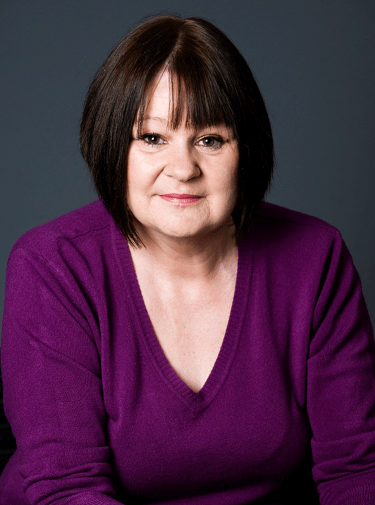
You can find Maya online at www.mayamacgregor.com, and you can also find their work at www.emmiemears.com. On social media, they like to keep things simple: you can find them on Instagram, Twitter, and TikTok as @Maigheach. (The Gaelic word for hare!) 

Don’t forget you can catch up with the latest issues of PaperBound Magazine here. All our issues are completely free and run by volunteers, however if you would like to support PaperBound and help keep us running you can buy us a virtual book.

Blog, Interview, Interviews

Interview with YA author Helena Close

YA author Helena Close has released a new book that we just couldn’t put down! We chatted with her about recent release Things I Know and why she wanted to tell this story. Read on below to discover more …

Can you tell us a little about your new YA novel Things I Know

I always find this question so difficult to answer. It’s the story of eighteen year old Saoirse and her struggle through trauma, toxic friendship and loss. It deals with mental health, teenage suicide and spiralling anxiety and sadness but it is also a story about hope and recovery.  

Your main character, Saoirse, is grieving the loss of her mother throughout this book, then unexpectedly must grieve the loss of an ex boyfriend too. What inspired you to write about these difficult topics? 

Things I Know follows Saoirse and her journey through the difficulties and traumas of mental illness, suicide, bereavement and eventual recovery. My youngest daughter was diagnosed with cancer, aged just sixteen, and suffered mental health issues post chemotherapy. She accessed the public mental health system and it was an eye-opener. In some ways, even a shocker. I didn’t want to write about mental health – but I had to. 

I suppose I was lucky (or unlucky) that I had witnessed my daughter’s journey and had a body of research already available. I also consulted professionals, teenagers, anyone who would talk to me about their own struggles and experiences. People wanted to talk. I think that surprised me. They wanted to talk about counsellors, good and bad, about medication, about the ongoing day to day struggle, about panic attacks, crippling anxiety, unresolved trauma.  

This book is set in a small town in Ireland, where Saoirse feels isolated and trapped compared to where she lived before. It also features Irish phrases and dialect which roots the reader very firmly to the setting. Was this town inspired by somewhere you are familiar with yourself? 

We moved to a small town in West Clare when my youngest daughters were thirteen and nine and spent six years there before returning to Limerick. It was a stunningly beautiful location but the daughters were city children at heart! I was immersed in a rural community so dialect, vernacular etc. came easily to me. I think it’s important to anchor stories in language that young people are familiar with and use themselves. Language that comes from the setting. There is a tendency sometimes in writing to sweep dialect and the vernacular away and I think stories lose a sense of place and personality as a result. Language is organic to story, it’s not something that should be imposed on it.  

What do you hope this book might offer to a young person struggling with their own mental health? 

I’m not an expert on mental health but I researched extensively to get the balance right. I wanted young people to see themselves in the story, to be able to relate to Saoirse, in all her mess and sadness and hope. We shouldn’t shy away from difficult themes, especially where young people are concerned. Things I Know is not Five Go Down To The Sea for Mental Health. It’s an honest and challenging read about mental health and the taboos surrounding it, about grief and how we deal or don’t deal with it, counselling, medication and professional help. If the voice and story ring true, young people will get it. They will understand and empathise. They will see themselves in the story, be comforted and consoled.  

What advice would you give to aspiring writers who want to write young adult fiction? 

Respect young people. Familiarise yourself with their world, their challenges. Listen to them. To the way they speak, act, respond. Give your work to a teenage reader – that’s how you will know if your story works or not. They are extremely insightful critics. (And terrifyingly honest!)  

You have been writing full time for over 20 years. Can you tell us what might come next for your writing?  

I am currently working on a new YA novel. I’m also working on a collection of short stories and have co-written a play for theatre that’s about to be produced.

From Limerick City in the west of Ireland, Helena Close has been writing full-time for twenty years. She has written or co-written seven novels, published by Hodder Headline (under the pseudonym Sarah O’Brien), Hachette Ireland and Blackstaff Press. Things I Know is her second young adult novel and out now in Ireland, UK and America.

You can keep up to date with Helena on Twitter and Instagram.

Don’t forget you can catch up with the latest issues of PaperBound Magazine here. All our issues are completely free and run by volunteers, however if you would like to support PaperBound and help keep us running you can buy us a virtual book.

Blog, Bookshelf

Our winter 2022/23 bookshelf

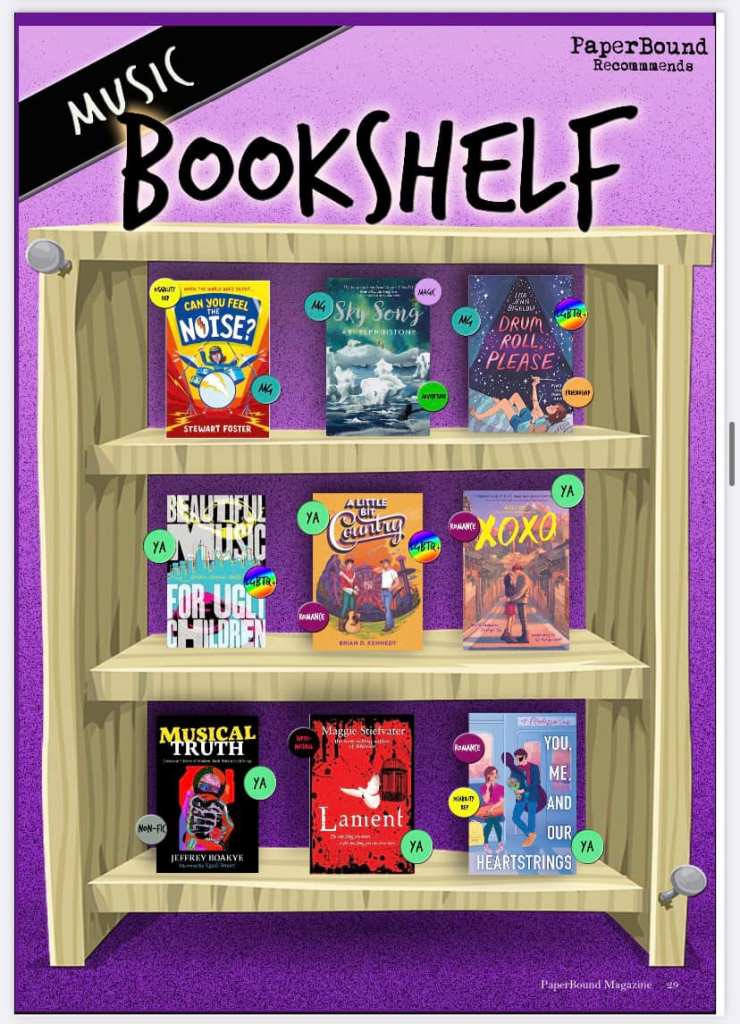
Take a look at our music themed bookshelf, as featured in our winter 2022/23 issue, which has all kinds of books perfect for spreading the love of music. You can read even more wonderful stories, author interviews and more in our latest issue by clicking here. 

All our issues are completely free and run by volunteers, however if you would like to support PaperBound and the work we do, you can help us out by buying us a virtual book. 

Here at PaperBound, we love stories. Want to be a part of ours? Find out more.

© PaperBound Magazine