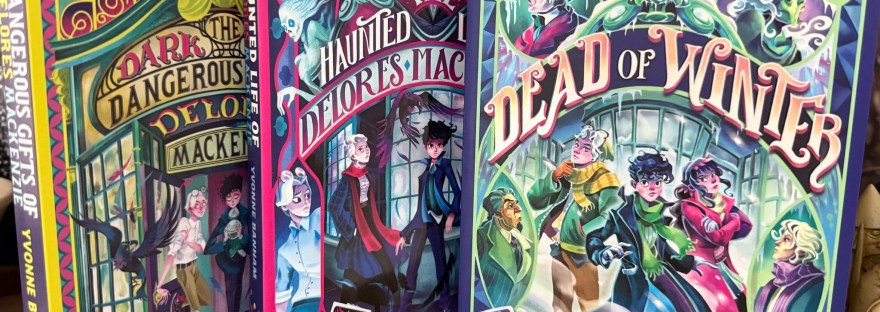
As the series comes to a close, author of the Delores Mackenzie series, Yvonne Banham, shares how the deliciously dark trilogy all began…
by Yvonne Banham
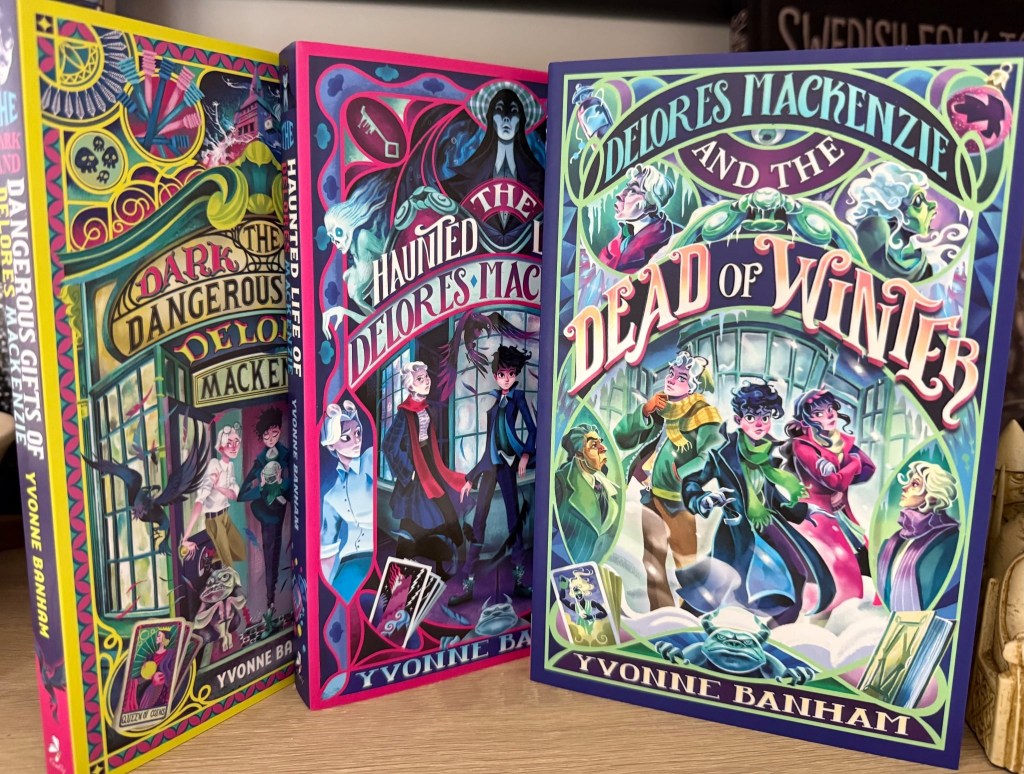
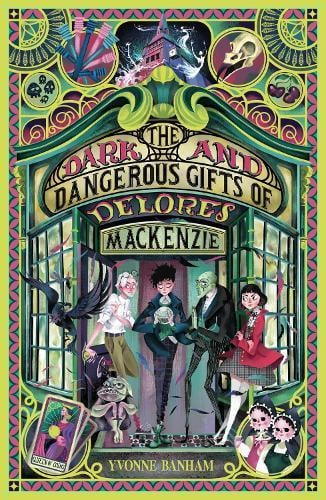
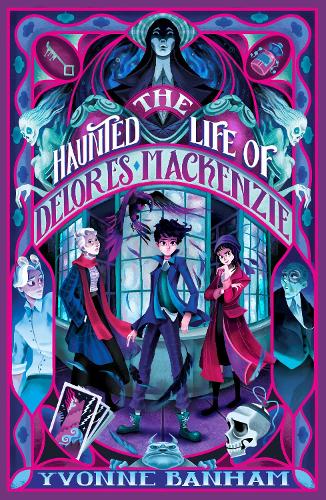
The Delores Mackenzie books are uncanny paranormal mysteries set in the dark underbelly of Edinburgh Old Town: gothic, shapeshifting, ghoul filled tales with a moody demon gargoyle, lots of delicious food and a sprinkling of dry humour.
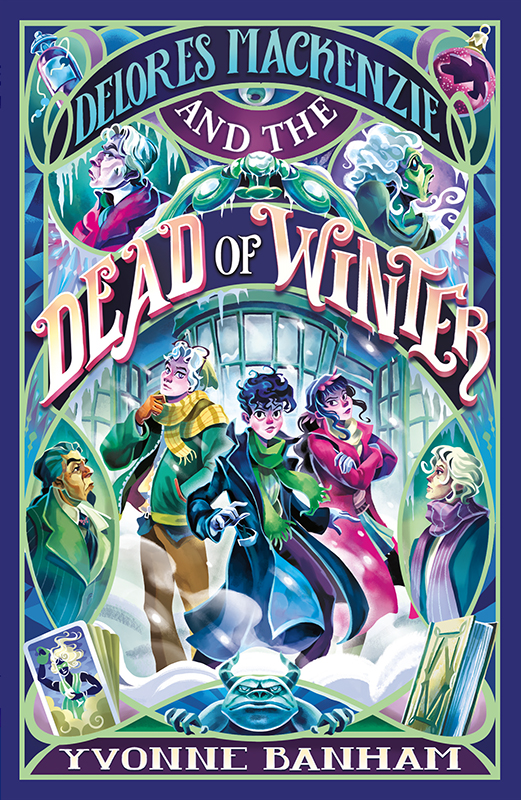
Delores Mackenzie and the Dead of Winter takes Delores, and co-students Prudence and Gabriel not only to the edge of their paranormal abilities, but also on a journey way beyond the Arctic Circle as they try to solve a haunting murder mystery without becoming the next victims.
I’ve always loved tales of the supernatural, especially since I heard about a ghost that ‘lived’ with us when I was really small. He’d say ‘goodnight’ to my sister, then tidy a few things away. Stories of magic or hauntings are very much my thing and it’s what I love to write. I don’t plot ideas; they usually begin with an image in my head triggered by an experience or memory, a glimpse of something, then I go with it for a while, see if there’s a story.
For the Delores Mackenzie books, it was a physical jolt, scary and exhilarating. I was running across a causeway from a tiny island outside Edinburgh towards the mainland. A wild storm was building as the sea water rushed in along the Firth of Forth. Just like Delores at the start of the first book, I’d left it too late and that causeway is treacherous. The gale-force wind was gripping me, dragging me towards the rapidly rising water as I tried to run. It was easy to imagine the storm as a wild beast or demonic spirit! By the time I reached safety, the idea of Delores was fully formed: smart, strong-willed, an outsider vulnerable to spirits who did not have her best interests at heart! I knew how she looked and wondered what dark creatures could have been chasing her. The power of nature shows up again in a big scene in the third book, coming full circle to those first moments of peril with Delores.
The gale-force wind was gripping me, dragging me towards the rapidly rising water as I tried to run.
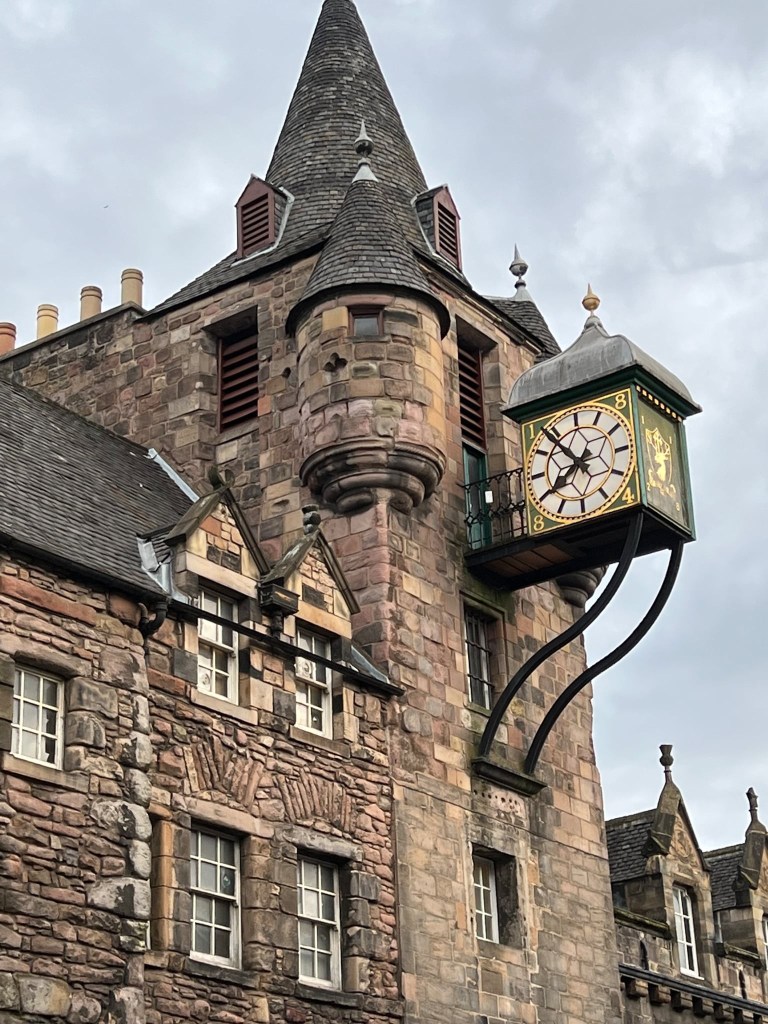
Delores’ world needed a modern day but gothic setting, and Edinburgh Old Town was perfect. I was lucky to get to see inside the clocktower at the People’s Museum (which became The Tolbooth Book Store) and things started to come together. It was easy to imagine supernatural forces lurking in the shadows of the narrow wynds and closes, and in the lost streets and vaults hidden beneath the oldest parts of the city.
It was easy to imagine supernatural forces lurking in the shadows of the narrow wynds and closes, and in the lost streets and vaults hidden beneath the oldest parts of the city.
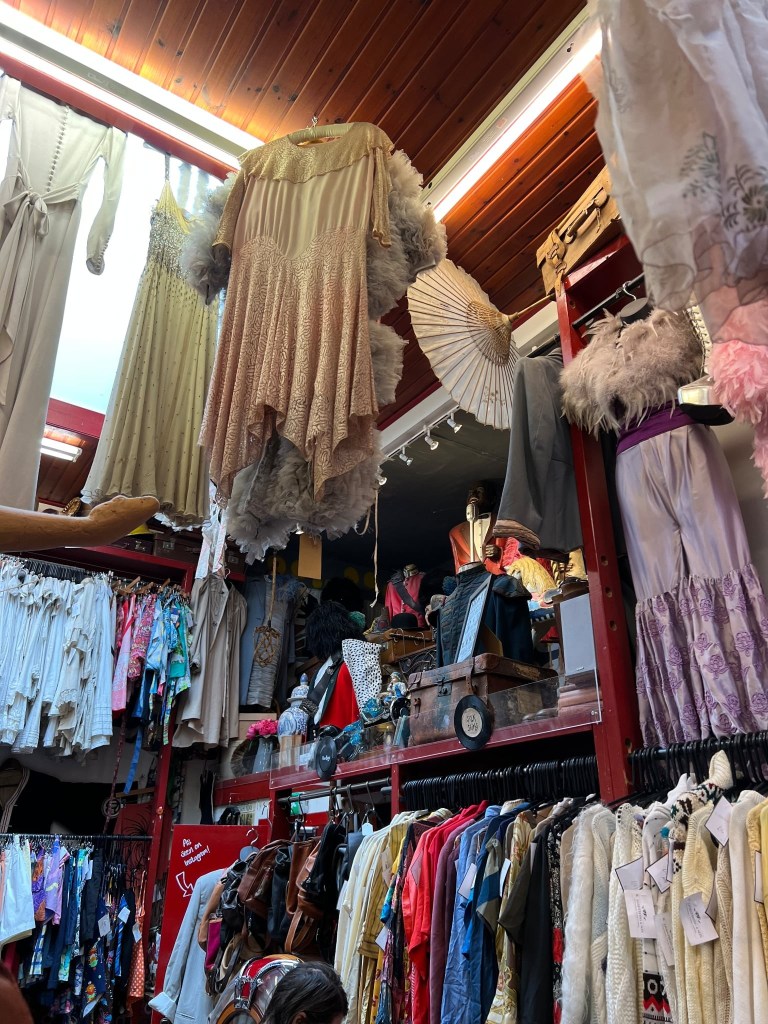
I had no idea that Prudence, Gabriel or Bartleby would exist until Delores dragged her suitcase into the Tolbooth Book Store and, as she moved through her story, characters and plot showed up around her. I took trips to the museums, galleries, antique and vintage clothing shops of Edinburgh to help with details. I love writing food for my characters and that comes from my younger reading passions. I was obsessed by descriptions of the witch’s house in Hansel and Gretal, the lure of Turkish delight in The Lion, the Witch and the Wardrobe (no coincidence that Prudence loves it so much!), anything with a banquet or a midnight feast.
Food is intertwined with life at the Tolbooth representing all kinds of things: love, care, grief, danger, even lighter moments like when Delores’ food is turned against her.
Delores’ adventures see her through a year at the Tolbooth, with the third book taking place at Christmas, which was a dream to write but also has some really emotional scenes. It’s partly inspired by A Christmas Carol, and also the wonderful Christmas in the Morrigan Crow series. But Delores’ world had to expand way beyond the confines of Edinburgh Old Town if she was to find out what had happened to her family. And there was still a murder or two to solve!
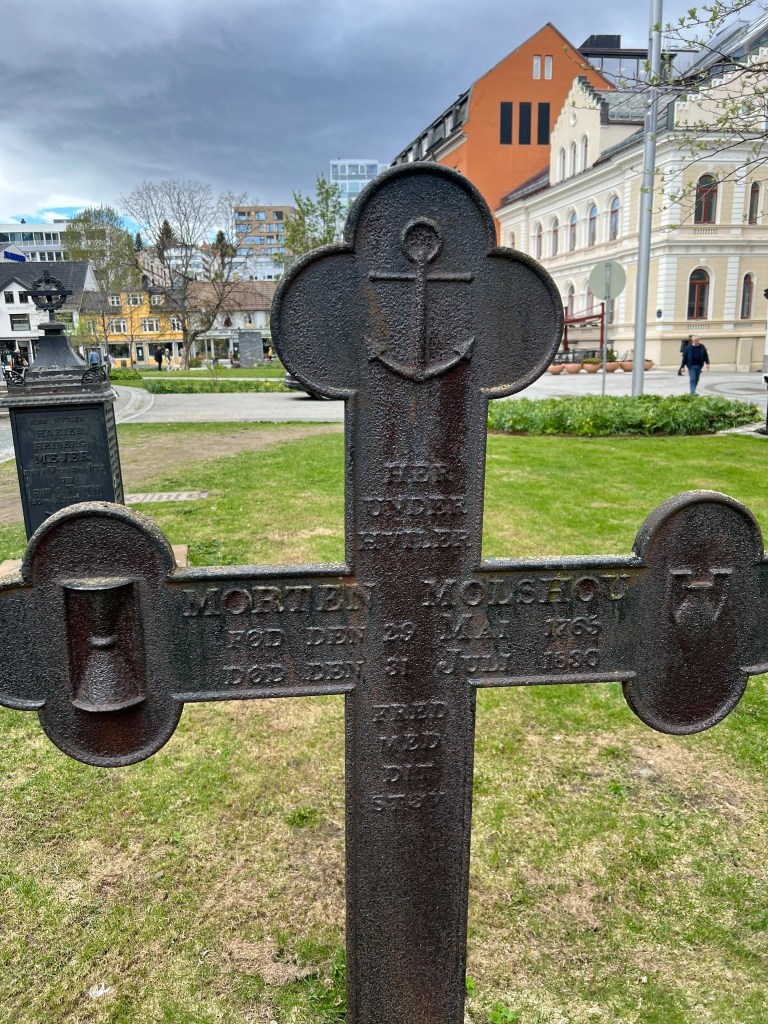
I have always been drawn to northern climates, cold places that feel like they’re clinging on to the edges of the earth, and it was amazing to be able to travel beyond the Arctic Circle to tap into that connection in a very real way. I found a home in Tromsø, Norway, for the dreaded High Council and the fiendish Psychic Adjustment Council, both huge dangers to Delores and her friends. It also gave me the best moment for Prudence’s big scene near the end of the series. I really loved writing that one!
It will feel strange to leave Delores and her friends behind, but that world will never be far away. Just a short trip into the Old Town. Or underneath it!
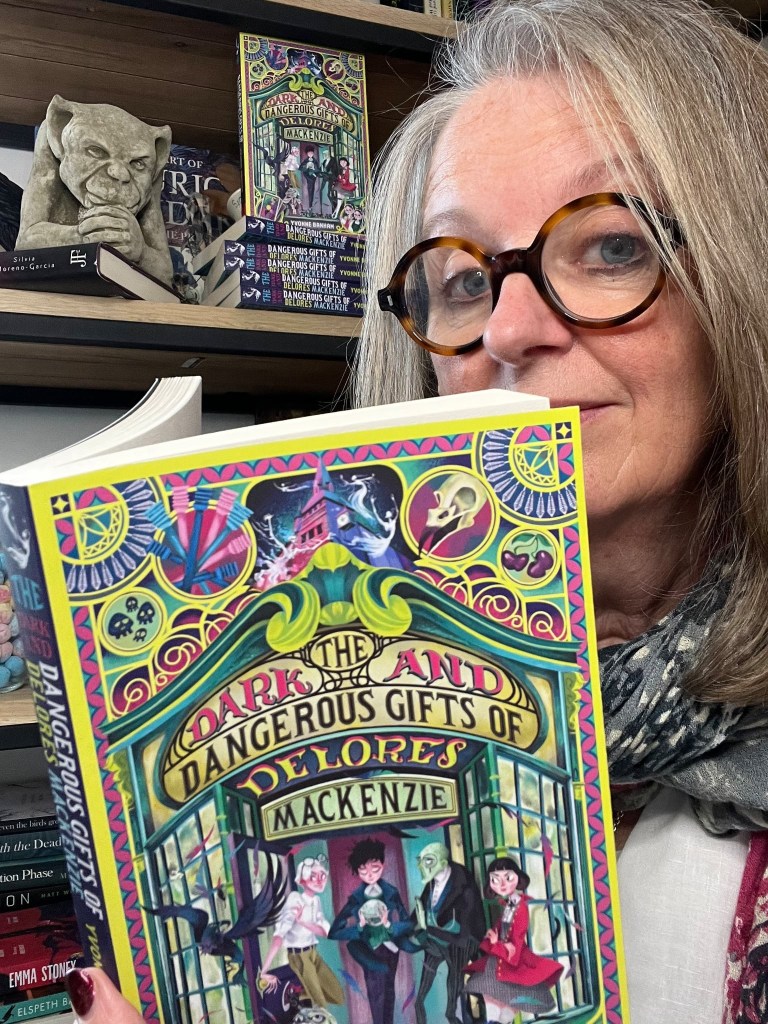
The Delores Mackenzie series is published by Firefly Press. For a limited time they are offering a special bundle which includes all three books, a bookmark and an exclusive recipe for Cook’s Thumbprint Cookies (as seen in book 3!) You can grab the bundle for £20 on the Firefly website until the end of November 2026!
Book One
When Delores Mackenzie is chased home by a restless spirit, she is sent to the mysterious Uncles in Edinburgh Old Town to learn how to control her unusual ‘gifts’. Scared and alone, she finds her new home at the Tolbooth Book Store is full of curious surprises: some welcome, others less so. But when a sinister apparition threatens the lives of her strange new housemates, Delores must gather all her strength to save them.
Book Two
Paranormal students Delores and Prudence are being hounded by inquisitors after they broke the rules and helped rescue fellow student Maud from death at the hands of an evil spirit. Cruel inquisitor Magoria Jepp is searching for secrets at their home in Edinburgh’s Tolbooth Bookstore, but does she have an uncanny history of her own to hide? As Delores tries to save her friends, she attracts the unwelcome attention of a murderous Boçain, or evil spirit, intent on stealing her paranormal gifts. Can she defeat her enemies, and maybe her own family too, to save everyone she loves at the Tolbooth?
Book Three
When the ghoulish victim of a decades-old murder screams for justice from beyond the grave, paranormal students Delores, Prudence and Gabriel must travel from Edinburgh Old Town to far beyond the Arctic Circle, chasing after a mysterious book, a legend … and a killer.
But, with their every move being watched, will the friends find the answers they’re looking for before they become the next victims…?
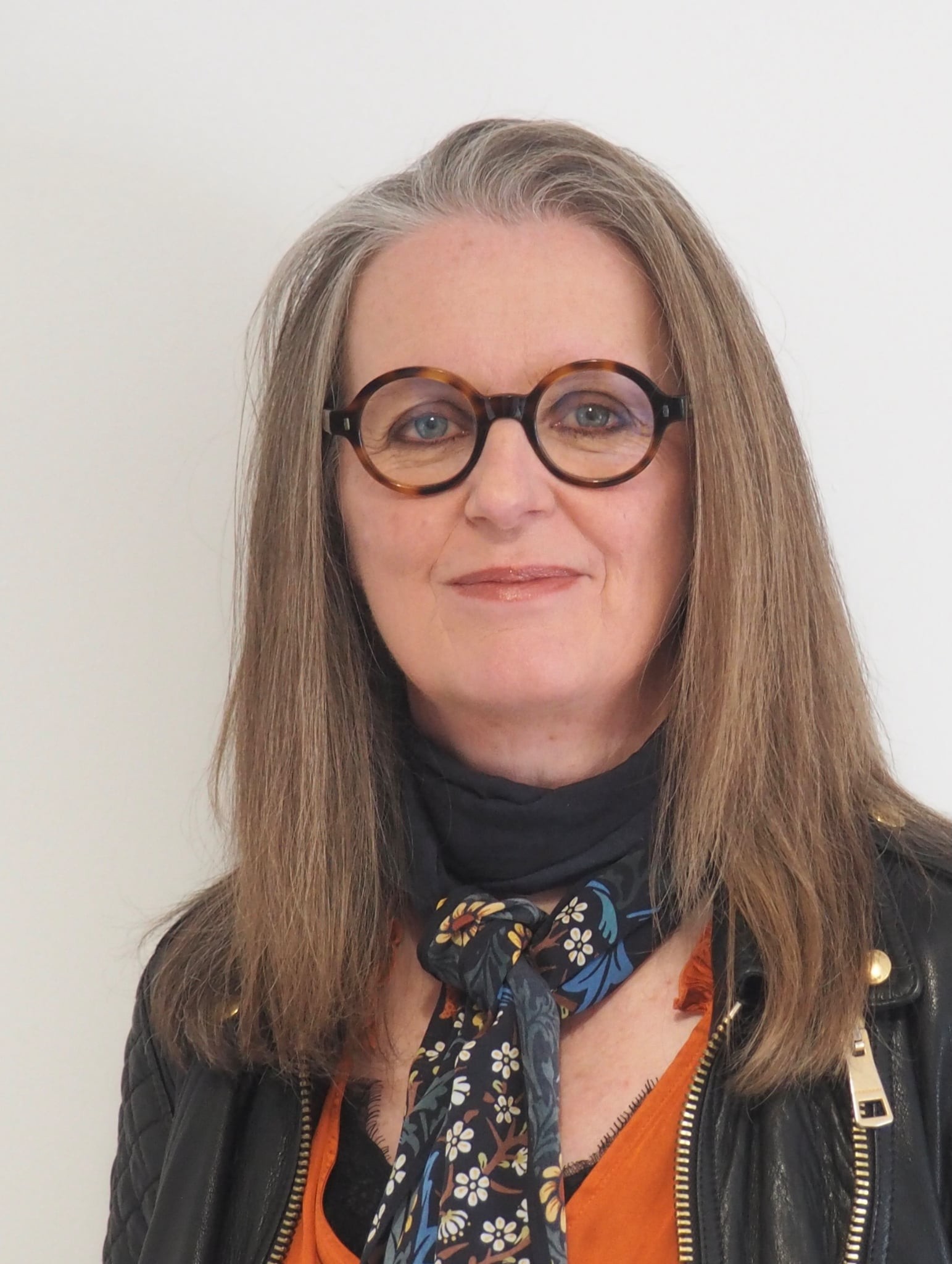
Yvonne Banham
Yvonne Banham grew up on an island off the coast of Cumbria and spent lots of time huddled on the wild beach with a scary book. When she left school, she couldn’t decide whether to be a nurse, an artist, or a writer, so she tried them all but liked writing best. She believes in ghosts though she’s never met one, and after five gloriously spooky years in Edinburgh, she now lives in Stirlingshire with her husband and their bold little terrier Bertie. When she’s not writing, she’s either hiking in the nearby hills or checking out creepy locations in search of new stories.
PaperBound Magazine is an online magazine for the young, and the young at heart. We are dedicated to showcasing authors and illustrators for children’s and young adult fiction and we strive to deliver inspiring content, uplifting stories, and top tips for young and aspiring writers yet to burst on to the literary scene.
All our issues are completely free and run by volunteers, however if you would like to support PaperBound and the work we do, you can help us out by buying us a virtual book. We appreciate any support you can give us!
Don’t forget you can read with the latest issues of PaperBound Magazine – completely free – here.
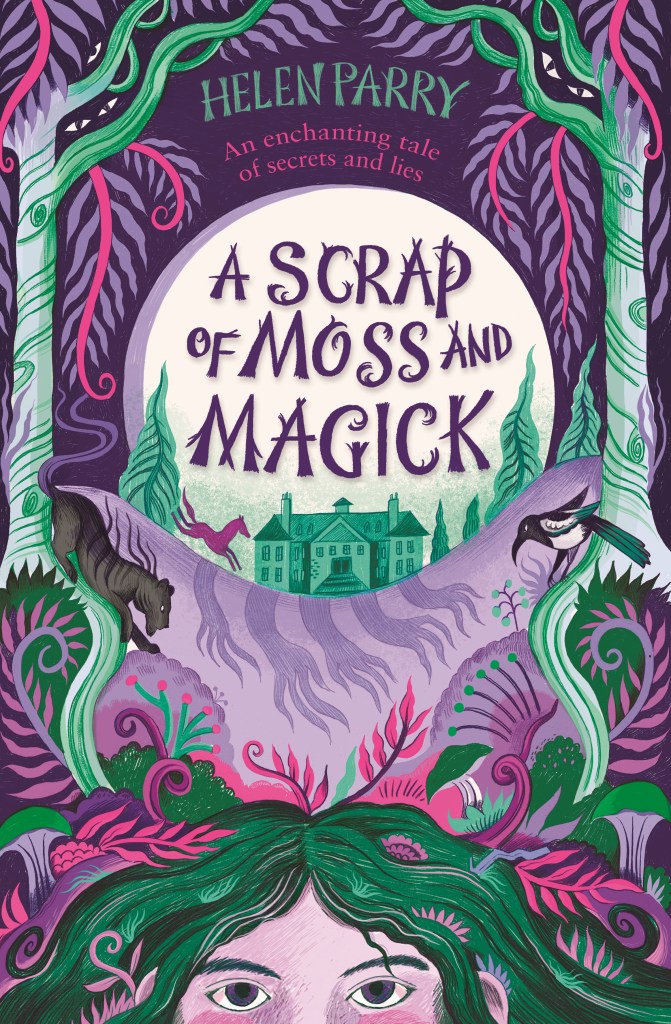
Author of A Scrap of Moss and Magick, Helen Parry, delves into her love for folklore, and the inspiration of folk horror literature behind her novel.
by Helen Parry
The nights are drawing in, the leaves are beautifully dying and Hallowe’en is creeping towards us; suddenly we’re more aware of owls hooting and creatures scuttling in the dark undergrowth, of ancient buildings and sacred places, and of the myths and legends that infuse them.
Rural landscapes, cruel old traditions and the darker side of folklore are the lifeblood of folk horror, a term first used to describe a subgenre of British films of the late 1960s and early 1970s (The Wicker Man is perhaps the most famous of these) and more recently extended to literature.
Place is very important in folk horror and it is often set in lonely stretches of countryside – woods, moors – and remote villages or houses cut off from modern life and suffused with the occult. Eerie and atmospheric, it’s derived from the Gothic novel, but in folk horror, the forests are haunted and the witches are real. You might think of fiction by M. R. James, Arthur Machen, Zoe Gilbert, Andrew Michael Hurley, Melinda Salisbury… You might think of dark fairy tales or Scottish border ballads steeped in blood and ghosts.
The story is firmly rooted in fairy and folk tale. And there is magick – plenty of it – and a monster.
I would not call my children’s novel, A Scrap of Moss and Magick, folk horror exactly, although it has elements of it: an isolated country house, a land where the creatures of folklore are very real and hungry – when dusk comes, you should wear a necklace of rowan berries or turn your gloves inside out for protection from things that lurk in the darkness. The story is firmly rooted in fairy and folk tale. And there is magick – plenty of it – and a monster.
But while folk horror proper seeks to disturb and disorientate, to question humanity’s place in an uncanny, implacable world, I wanted to celebrate the beauty of nature and create a land which readers might find an exciting place to inhabit but which demanded they treat with respect. A land where trolls and mere-maidens, Black Shuck and Jenny Greenteeth, imps and redcaps and brownies, all exist. Almost Narnia – but sinister. Feed the troll but watch your step.
I spent a lot of time with Katharine Briggs’s Abbey Lubbers, Banshees & Boggarts: A Who’s Who of Fairies, a dictionary of folklore from Britain and Ireland, full of horrors. The Watkins Book of English Folktales by Neil Philip is packed with traditional stories, some humorous, others distinctly unsettling. These showed me another Britain, with the supernatural leaking through its seams, and this Britain is where A Scrap of Moss and Magick takes place.
Magical creatures, shape-shifting, books of spells, a strange old house…
But my starting point was actually: ‘What if there was a book like The Wolves of Willoughby Chase but with magic?’ (Because ever since I wept with terror when the wolf leaps at Sylvia through the train window, I have loved that book and all of Joan Aiken’s work.) And then I wrote down all the things I should like to read about in such a book: some brave but vulnerable heroines, magical creatures, shapeshifting, books of spells, a strange old house…
So I combined folk horror with the traditions of Gothic, particularly the amazing Uncle Silas by Sheridan Le Fanu, and also with traditional and historical fantasy. Not just the tour de force that is Jonathan Strange & Mr Norrell by Susanna Clarke, but also books by the writers of my youth: Susan Cooper, Alan Garner, John Gordon, Diana Wynne Jones; the modern fantasies of Frances Hardinge, Lucy Strange, Philippa Leathley; and historical fantasies by Nazneen Ahmed Pathak, Gita Ralleigh and Hayley Hoskins.
These genres allow you to pass beyond the boundaries of what is possible, what is believable, into a heightened reality. Here, you have enormous scope to entertain your reader and explore even quite dark emotional terrain because of its distance from the ‘real’. And after you and your reader have played about together in your shared imaginary world, maybe you’ll both view our shared physical world with new eyes, new ideas.
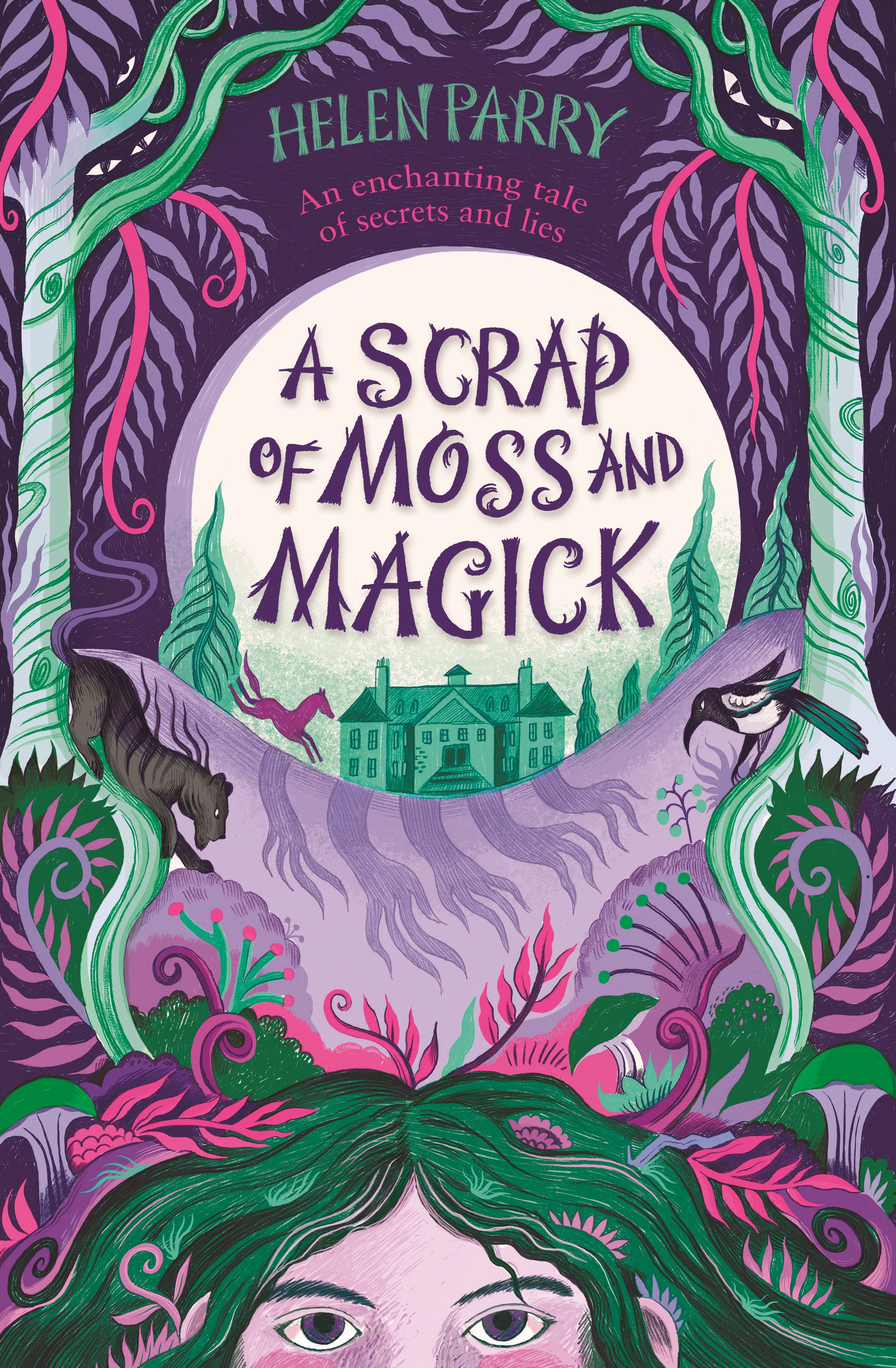
A Scrap of Moss and Magick by Helen Parry is out 8 October 2026 | Paperback | £7.99 | David Fickling Books
A Scrap of Moss and Magick
Set in an alternative nineteenth-century Britain inhabited by folkloric creatures, and centred on two friends, Thirza and Cecily, in a strange old house full of magick and secrets, A Scrap of Moss and Magick thus weaves together folk horror, historical fantasy and Gothic fiction.
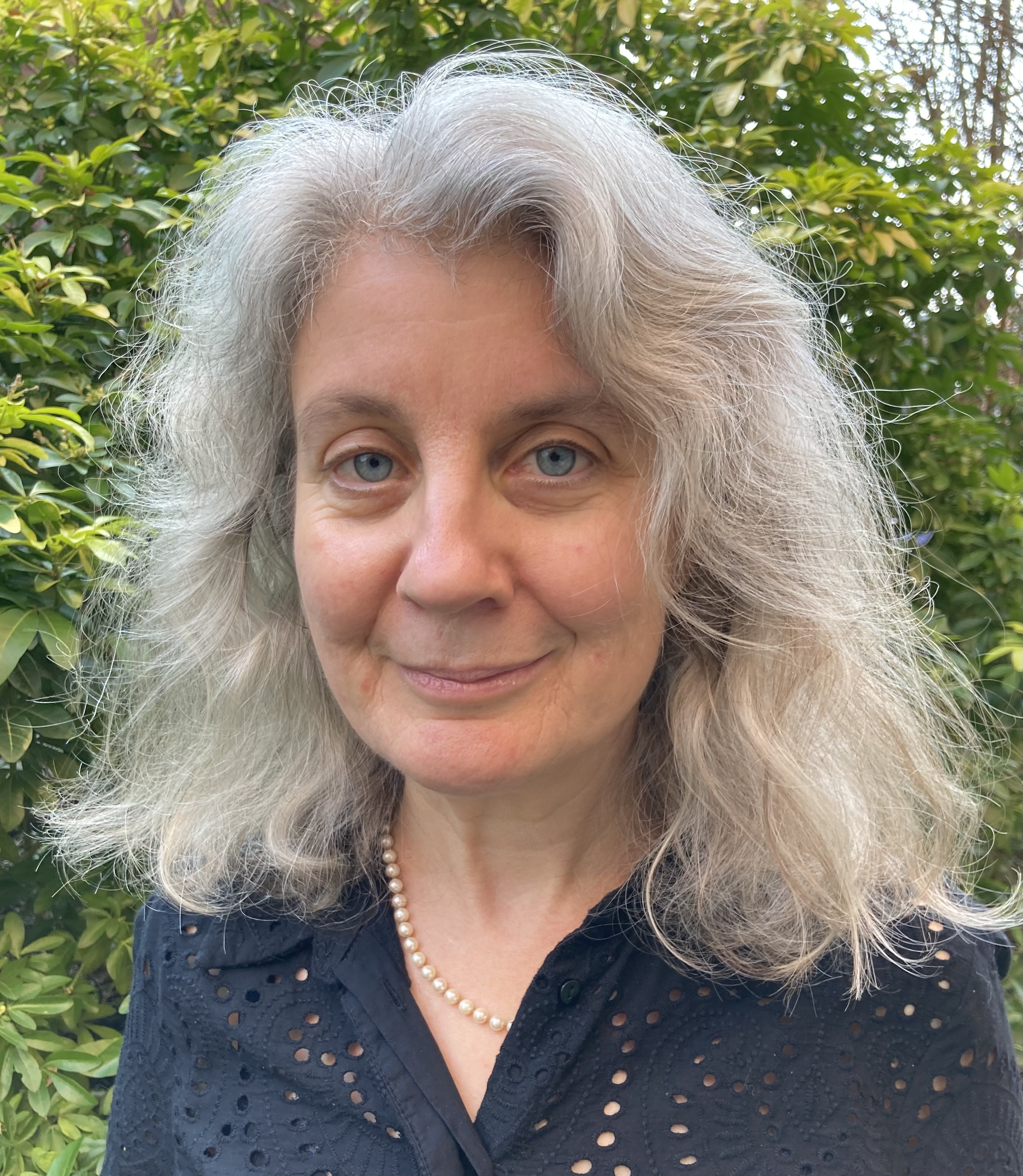
Helen Parry
Helen Parry grew up in an old house on a hill in Ipswich, where she spent most of her time reading, searching for magic portals and casting spells that never quite worked. She studied literature at university, worked in publishing in London and lived for a couple of years in Nigeria before moving to Belgium.
She now lives there with her family, some hens and the two most spoilt cats in the universe. When she isn’t daydreaming or writing, she teaches English to adults. A Scrap of Moss & Magick is her first book.
PaperBound Magazine is an online magazine for the young, and the young at heart. We are dedicated to showcasing authors and illustrators for children’s and young adult fiction and we strive to deliver inspiring content, uplifting stories, and top tips for young and aspiring writers yet to burst on to the literary scene.
All our issues are completely free and run by volunteers, however if you would like to support PaperBound and the work we do, you can help us out by buying us a virtual book. We appreciate any support you can give us!
Don’t forget you can read with the latest issues of PaperBound Magazine – completely free – here.
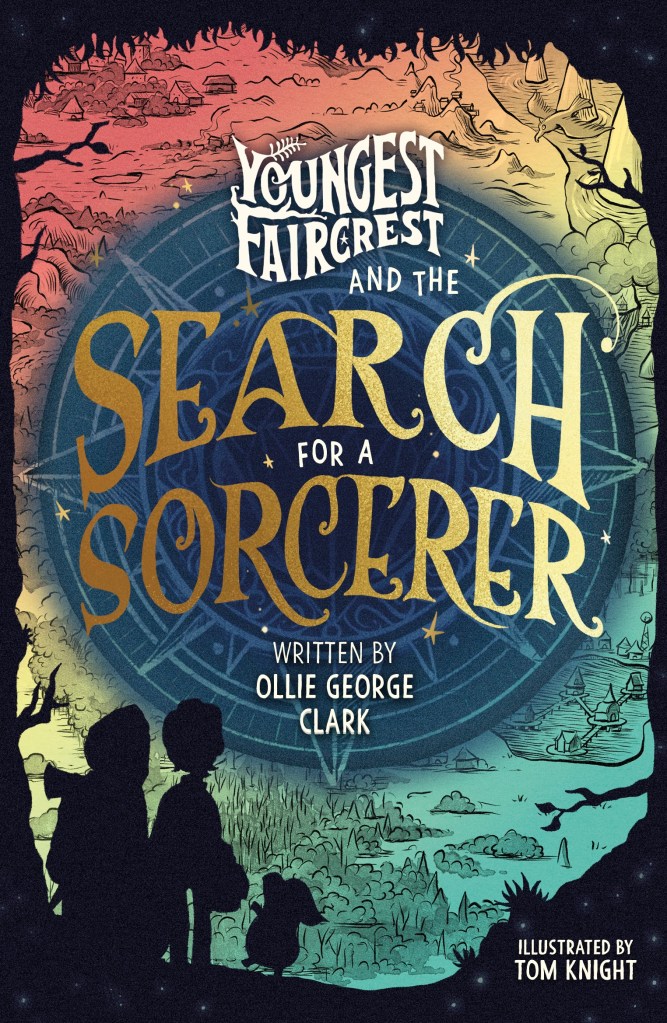
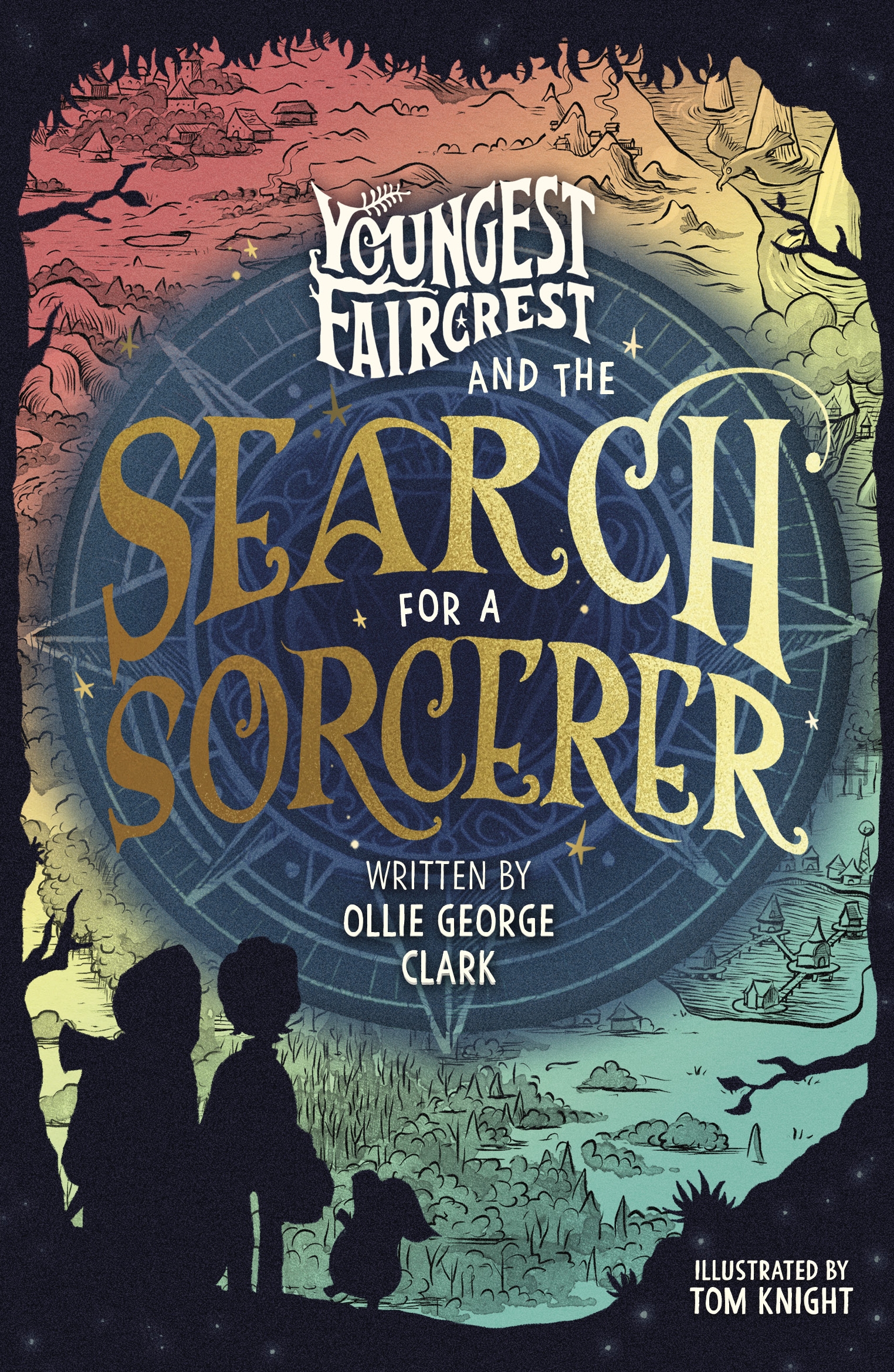
Author of Youngest Faircrest and the Search for a Sorcerer, Ollie George Clark, shares his passion for quests, battles, and all things adventure.
Could you tell us a little about your debut middle grade novel, Youngest Faircrest and the Search for a Sorcerer?
Of course! Our story starts in the swampy, grubby town of Bogsmarsh on the ‘day of Deciding’. The ‘Deciding’ is the event every child must face. When you finish school at twelve years old, you have a meeting with the Decider, the leader and law-maker of the town. They will look through your school reports, and aptitude, and determine which of twelve professions you are best suited for.
Amongst the twelve is everything from Guardian (where you learn to be a battle-hardened warrior), Creaturologist (where you learn to study, train and befriend the impossible creatures of the world), Alchemist (where you learn to brew potions) and Creator (crafting and designing everything the town needs).
There’s only one profession you don’t want: Dearth. Dearth means you have no obvious skills and have to watch the pigs all day. There’s only ever been one dearth in 500 years: Steve… and Steve’s a scarecrow.
Our story follows Youngest Faircrest on the day of his Deciding, and what follows after his profession is chosen for him…
This is such a fantastical adventure and readers are already falling in love with Youngest’s story. How does it feel to be a debut author, and have there been any surprises along the way?
It’s been the most joyous experience since Youngest was first published. I have been blown away by the response; it’s far beyond what I could have ever hoped for.
As most authors do, I wrote this story because I loved these characters and wanted to explore this world. And you’re so focused on the road to publication, (the endless edits, the submission process, the story taking shape, etc.) that it’s easy to forget this will sit on someone’s bookshelf one day! So what has struck me most (and it’s the most wonderful surprise) is how much readers have taken Youngest to their hearts.
Over the Summer I have been lucky to receive lots of letters, from children from all over, who have read the story and enjoyed it. I have met children who have been so inspired by the world that they have made their own costumes based on how they would want their Deciding to go! But most of all I have had the incredible honour of having a class named after me!
A school got in touch with my publishers saying that one of the teachers had been so struck by the novel’s propensity to inspire younger readers towards a life-long love of books, they asked if they could name their class after me. So, ‘Clark Class’ starts back at school this September. It’s the sort of news you couldn’t ever dream of happening, and I can’t tell you how much joy it brings me!
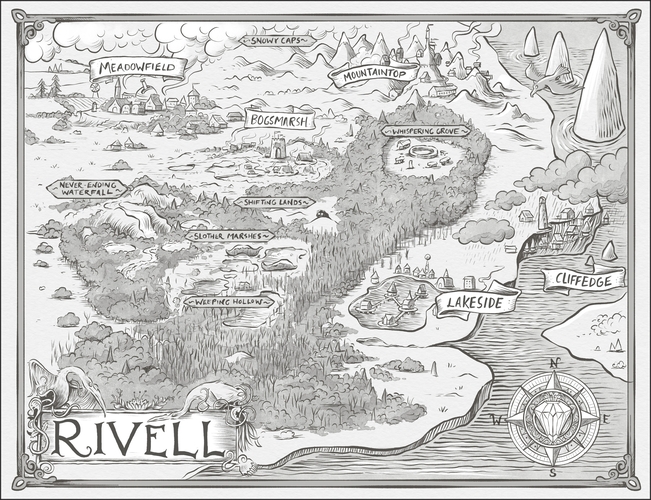
Map of Rivell, from ‘Youngest Faircrest and the Search for a Sorcerer’
Youngest is very much an underdog who readers are bound to relate to. How did you come up with Youngest’s best friend, Agnes, and his trusty sidekick Satchel the piglet?
Oh, that’s such a good question because I have long said that Agnes is the story’s secret weapon. While Youngest Faircrest is our hero, the entire story is told from the perspective of Agnes, his best friend. Not only that, but she’s remembering the adventure from adulthood!
What this means is that I write each story as Agnes Witterer, and I am talking directly to YOU the reader! Agnes was there and she wants to tell you everything that happened in as much detail as her patchy memory can remember. Hopefully it builds a bond with the reader and allows the book to feel very conversational. All of which is done to make the book feel as readable and accessible as possible!
It means I can be funny, rude, cheeky and surprising – all talking as Agnes!
And Satchel is my favourite character to write. Based on Gromit (and only speaking in ‘oinks’), he is the most expressive piglet you would ever meet; endlessly rolling his eyes or rubbing his forehead with his trotter. Not to mention he has more than a few tricks up his sleeve! I hope as readers spend time in this world, just like Agnes and Youngest, you will be able to understand Satchel’s ‘oinks’ too!
...whatI’ve always loved is making people laugh… that was the seed for my love of writing and telling stories.
How did you go about writing this novel? Did you have a specific process that worked for you and can you share anything about it?
Yes, absolutely! I write to a very specific routine. As I mentioned earlier, I really want the book to feel as accessible as possible and one of the ways I’ve done that is to have short chapters. Bar only a few, all chapters are under 1,000 words – and that’s my schedule!
I would write Monday-Sunday, 1,000 words (or less) a day, which meant I was writing a chapter a day. This really helped with the momentum of the story (because every chapter leads directly onto the next without any time jumps) and kept me wanting to write on. Even if I felt I wanted to write more than 1,000 words, I would always stop!
What were your favourite fantasy books to read growing up, and do you have any favourites now?
I remember the wonder of the Narnia books from school. The expanse beyond the wardrobe felt never-ending. I also vividly remember The Hobbit. The sense of history and grounding that Tolkien gave to Middle Earth is a very big inspiration to Bogsmarsh. Using small details and hints of names/ places which speak to caverns of past stories and characters.
It’s not quite fantasy, but I have very fond memories of A Series of Unfortunate Events. There’s a strong cross over in the narratorial style too. That idea of being told a story is very much at the heart of Youngest Faircrest series too.
Most authors we speak to have always loved books. Did you always know you wanted to be a writer?
I’m not sure I did! I always struggled with my reading. It was something which came very naturally to those around me, but I found it a continual hurdle. I was fortunate to have such supportive parents and dedicated teachers that were able to help me persevere, and develop a love of books as I got a bit older, but a love of writing was not something I necessarily had when I was young.
In truth, what I’ve always loved is making people laugh. That’s always my route into every story or character or world. That was the seed for my love of writing and telling stories.
What was your favourite thing about writing Youngest Faircrest and the Search for a Sorcerer?
I think my favourite thing is writing the characters of Youngest, Agnes and Satchel. As someone who also writes TV, I follow that old writing adage that your hero should always be in the worst position possible. So, I delight in the scenes, traps and situations I can write around the three and seeing how they will break out of it.
I love writing their humour and courage, but most of all it’s the heart at the centre of the stories which I really love to write about. These stories are fundamentally about family and friendship which persevere through everything, and writing those bonds brings me such joy.
Can you tell us about anything else you’re working on right now, and what readers can expect from you next?
Yes, I have just finished writing the sequel to Youngest Faircrest and the Search for a Sorcerer, which will be coming out in 2027! I feel so, so lucky that I get to spend more time with Youngest in Bogsmarsh. And the real joy of this world is that each book will have its own genre! So, while the first book in the series is a quest, the second is a—
Actually, I’d better not tell you just yet! As Agnes says at the end of the first book: ‘Look out for my next chronicle, I’ll tell you everything then!’
Youngest Faircrest and the Search for a Sorcerer by Ollie George Clark is out now, published by Dorling Kindersley.
Yellow Belly Photo
Ollie George Clark
Ollie George Clark is an award-winning writer who grew up with a passion for fantasy adventure novels – now he is creating them for the next generation.
The Youngest Faircrest series is full of adventure, humour, impossible creatures and daring missions; all centred around a truly exceptional protagonist.
Ollie is the winner of the British Comedy Guide Sitcom Competition, with multiple original TV shows in development. Alongside his own writing, Ollie hosts writing workshops, including at the Edinburgh Fringe TV Festival and the Soho House Script Club.
PaperBound Magazine is an online magazine and blog for the young, and the young at heart. We are dedicated to showcasing authors and illustrators for children’s and young adult fiction and we strive to deliver inspiring content, uplifting stories, and top tips for young and aspiring writers yet to burst on to the literary scene.
All our issues are completely free and run by volunteers, however if you would like to support PaperBound and the work we do, you can help us out by buying us a virtual book. We appreciate any support you can give us!
Don’t forget you can read with the latest issues of PaperBound Magazine – completely free – here.
We are delighted to bring you an interview with Jennifer Claessen, who spoke to us all about the sequel to The October Witches.
Your book, The November Witches, is a delightful new release perfect for reading at this time of year. Can you tell us a little more about it, and what inspired you to tell this story?
The November Witches picks up Clemmie’s story immediately after all of the things she did – and feels bad about! – in October. She’s expecting a magic-free month and all of the witches are mostly miserable about it but, of course, magical mayhem is about to ensue. It’s up to Clemmie to learn to speak up for herself and the young hags though, as it’s only together that they can fight back against the fires and knights plaguing them.
The November Witches is a spectacular sequel to The October Witches. Did you always want to write a sequel to continue Clemmie’s story?
Thank you so much! And yes, I was already thinking about Bonfire Night and marshmallows and a strange knight knocking on the door even as I wrote The October Witches! November doesn’t always get the festive love that October and December get but it’s an amazing month for forest walks. I moved house just before writing this book and now live on the edge of an incredible, ever-changing forest which definitely inspired the story.
Autumn is one of our favourite times of year here at PaperBound. Do you have any family traditions in your household at this time of year?
My family is costume-obsessed so we usually dress up at least three times for Halloween, always cute, never creepy! This year one of our fancy dress outfits was the ‘soot sprites’ from My Neighbour Totoro which was pure chaos and so fun. Toasting marshmallows outdoors is a must of course. Like the Merlyns, I have mixed feelings about fireworks but I love a bonfire. Oh, and Pie Night, like Aunt Connie creates, is essential too! Autumn clothes are the best too – the season begins for me when I put on a scarf and a big pair of boots, or for Clemmie and her coven, a binbag.
You have a brilliant way of weaving witchy story elements with traditional Arthurian legends, such as witch-hunting knights, magic, and strong bonds. Did anything surprise you along the way when you started writing this story?
In The October Witches, Clemmie wrestles with coming into her power but now, in a magicless November, she’s struggling with using her voice. I write generally knowing the ending as I love a big, busy, bustly finale where the covens get together and finally sort out their problems! I think this is officially a spoiler but, just between us, there’s a dragon in The November Witches, too hot to even touch, and she was a surprise!
Do you have any book recommendations on the theme of witches and/or magic?
I love everything magical! I’m currently reading The Thief of Farrowfell Hall by Ravena Guron which has a really cool magical system as the magic is edible. I love the world which is believable and compelling and the magic itself, though it often sounds disgusting to eat!
I went to the Fitzwilliam Museum in Cambridge to be completely surrounded by armour and imagine what it was like to be a knight – mostly pretty uncomfortable it turns out!
Although this book is fantasy, did you have to delve into lots of research when writing/editing?
I’m always super happy digging deep into some magical research! For the whole ‘A Month of Magic’ trilogy I did lots of reading about the old, wise, male Merlin (versus my young, self-conscious and female Merlyns!) and what happened to him. I’d never even heard of ‘Avalon’ where some Arthurian scholars believe the Once and Future King will still rise again from but became pretty fascinated by it. For The November Witches I went to the Fitzwilliam Museum in Cambridge to be completely surrounded by armour and imagine what it was like to be a knight – mostly pretty uncomfortable it turns out!
We’d love to read what you write next. Can you tell us about anything else you are working on right now?
Well, now we’re this deep into autumn, we have to finish the trilogy! The December Witches comes out in 2024 and I’ve just had a sneak peek of early cover designs and it is looking gorgeously sparkly and snowy! Writing-wise, I’m working on new myth-inspired tales, this time set in Ancient Greece – and in a summer holiday!
Photo by Jack Barnes
Jennifer Claessen
Jennifer was born in Reading and grew up a book worm. She studied literature and theatre at the University of Sheffield, the Chinese University of Hong Kong, Canterbury Christchurch University and Central School of Speech and Drama. A teacher and theatre-maker, Jennifer loves stories, especially for children, whether on stage or page. Jennifer currently works in the West End, taking children to the theatre and lives in the East End with her partner, a Dutch toymaker, and their baby daughter. She loves reading, travel and ice cream. You can find her on her yellow bike or in a red velvet seat in the stalls, applauding.
The November Witches is out now and published by UCLan Publishing.
PaperBound Magazine is an online magazine for the young, and the young at heart. We are dedicated to showcasing authors and illustrators for children’s and young adult fiction and we strive to deliver inspiring content, uplifting stories, and top tips for young and aspiring writers yet to burst on to the literary scene.
All our issues are completely free and run by volunteers, however if you would like to support PaperBound and the work we do, you can help us out by buying us a virtual book. We appreciate any support you can give us!
Don’t forget you can read with the latest issues of PaperBound Magazine – completely free – here.