article, Blog, Blog series, Bookshelf, on writing, Writing craft

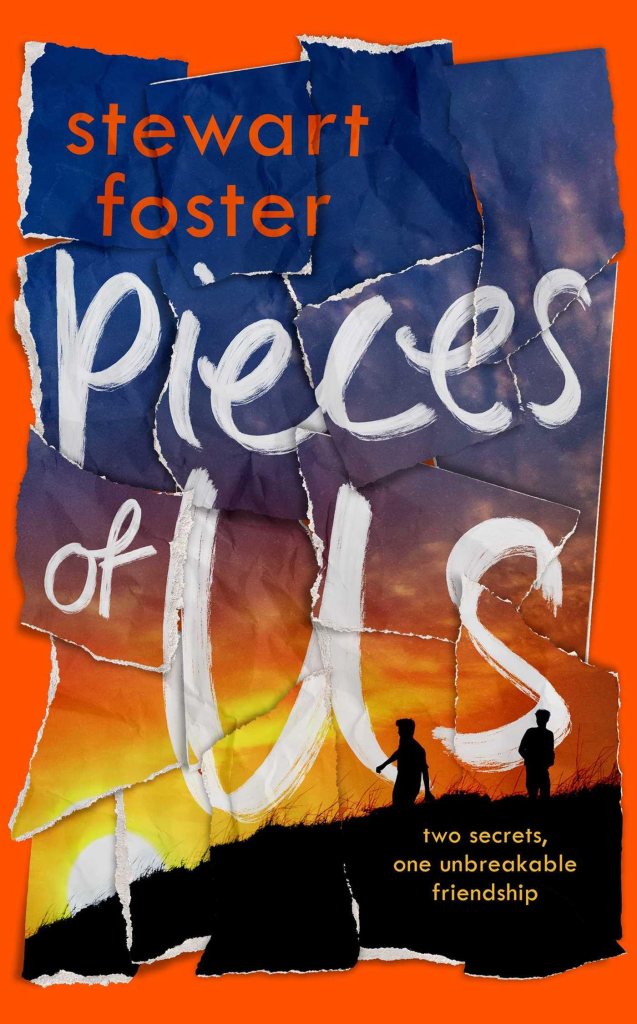
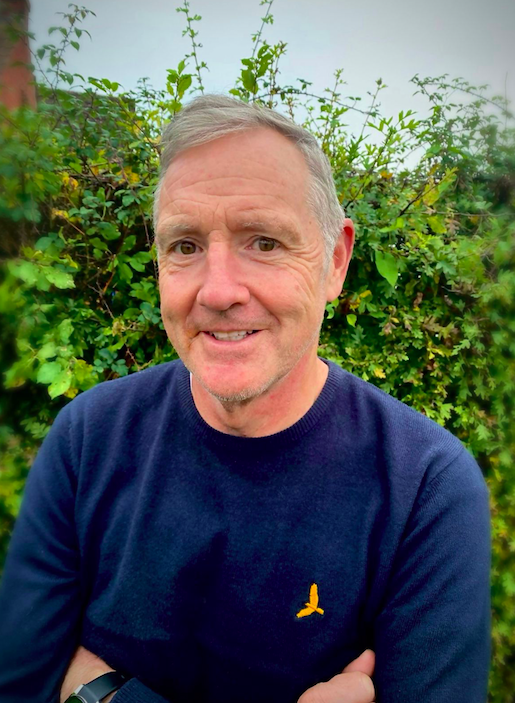
Guest post from author of YA novel ‘Pieces of Us’, Stewart Foster: Don’t Hide Behind the Songs

My character, seventeen-year-old Jonas, felt the same way. In the first chapter, he says to his best friend: ‘Louis, if ever I thought anyone would actually read this, I’m not sure I would write the first line.’ And I sat back from the screen and thought, ‘God, that is so true for me too.’

I kept writing, still with those worries in my head, not just about the bulimia but also the closeness of Jonas’s relationship with Louis. Later in the book, there’s a poem called The Cormorant. I wrote it one Sunday evening after watching a nature programme on TV showing a cormorant regurgitating food for its young. It repulsed me; an instant picture of what I was doing to myself in the bathroom. That poem went under my bed with thousands of other pieces of poetry I’d written since the age of ten.

I eventually showed it to my best friend two years later as we put songs together to record. He had no idea what The Cormorant was about, until late one night, I explained it – that it wasn’t about an ugly seabird, it was me. Like others, like my whole family, he had no idea of my secret, just thought I’d lost weight as I’d got taller. The next evening as we recorded it onto tape, he stopped midway through and said, ‘Stew, you could have told me, you didn’t have to hide it in a song.’

Looking back, I realise I wasn’t hiding behind the songs – showing him was my way of telling him, in the same way that you might write a diary and secretly hope someone might read it.

In a secondary school visit recently, I was reminded of how I used to feel at school, even later at university, because I believe this can be what mostly holds us back, like the Year Seven student I met recently who told me he found it hard to write.

‘Why?’ I asked him.

‘Because I always end up on my Xbox.’

‘No, why?’

‘Because I want to talk to my friends.’

‘No, why?’

‘Because I don’t have confidence, and I’m scared what my friends will think.’

‘There you go!’

The giggling in the room didn’t hide that that’s what the majority of classmates were thinking too: confidence, trust, peer pressure, what will my friends think?

Students are in the middle of the most confusing years of their lives, often feeling isolated in class, often (at university) hundreds of miles from home. Whether through song, poem, short story, third person, first person, or writing about dreams, it’s OK to put your feelings and emotions in them. In my case, a novel. And in that novel, what it took for me to write it – to block out those worries, block out those I thought would cast doubt – was to come up with this plan.

When my friendship ended with the person I’d first shown The Cormorant to, I was guilty of pushing those poems back under the bed until years later, whilst at university, I met someone who resurrected those feelings of close friendship and trust. They backed me with my writing – from emails to Facebook messages full of poetry, lines, thoughts, and chapters. They joined me in dreams of huge contracts and winning The Booker Prize.

And on those nights where doubts crept in, when Jonas’s actions became explicit and his secret eating disorder came out (along with it mine), I would hesitate over paragraphs, lines, words, and then I’d gather myself and say, ‘If I can say this to my friend, then I can write it in this book.’

It’s hard to put our feelings out there.

In poetry.

In songs.

In books. But for me, it became harder to say nothing at all.

Two secrets, an unbreakable bond … and a powerful and heartbreaking love letter to a life-changing friendship, from award-winning author, Stewart Foster.

As the summer before college begins, Jonas is hiding a secret. He suffers with bulimia, but no one knows. Not even he knows how bad it really is. Until he meets Louis, a confident dreamer who believes in a better future for Jonas and together they enjoy a sun-kissed summer filled with music, memories and life-changing moments.
But when tragedy strikes, Jonas must decide if he has the strength to face things alone ….

Stewart Foster is an adult and children’s novelist, born in Bath. His books have won multiple school and library awards and are recommended by Empathy Lab and Reading Well.
His first children’s book, The Bubble Boy, was published in 2016, winning Sainsbury’s Children’s Book Award in 2016 and many schools and libraries awards, as well as being nominated for The Carnegie Book Award.
Since then, Stewart has written four more children’s books: All the Things That Could Go Wrong, Checkmates, The Perfect Parent Project and Can You Feel the Noise?

PaperBound Magazine is an online magazine for the young, and the young at heart. We are dedicated to showcasing authors and illustrators for children’s and young adult fiction and we strive to deliver inspiring content, uplifting stories, and top tips for young and aspiring writers yet to burst on to the literary scene.

All our issues are completely free and run by volunteers, however if you would like to support PaperBound and the work we do, you can help us out by buying us a virtual book. We appreciate any support you can give us!

Don’t forget you can read with the latest issues of PaperBound Magazine – completely free – here.

article, Blog, Blog series, Bookshelf, Interview, Interviews, on writing, Writing craft

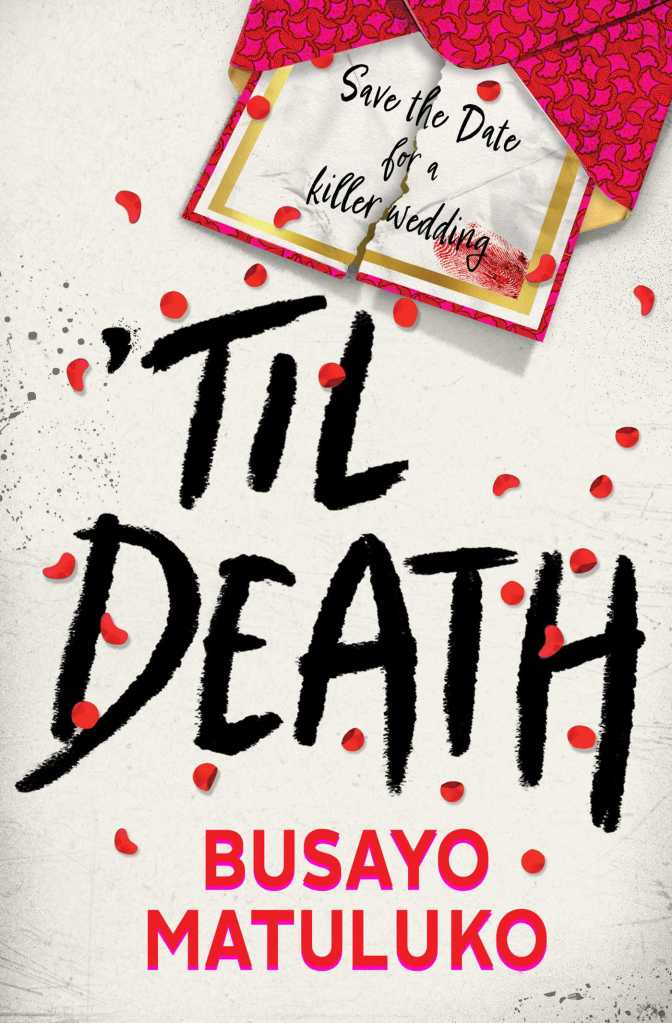
Interview: ’Til Death by Busayo Matuluko

’Til Death is a cosy-until-it’s-not mystery about a bride who is poisoned on her wedding day. After receiving threats telling her to cancel her wedding for over six months, her super sleuth cousin, Lara – who has a true passion for mysteries – decides to take it upon herself to solve the mystery of who is sending the notes and who has poisoned her cousin.

’Til Death came about after watching YouTube videos of Nigerian traditional weddings during the pandemic. I had a very morbid thought and said, “Wouldn’t it be crazy if she just died right now?” Now, that’s not a normal thought for a person to have, and I was like, “Busayo, that’s horrible… but as a mystery? Genius!” However, if I was going to write it, I had to know who did it, so I went to the worst-case scenario possible, and the story was born.

I wish I could say that I had a very intricate system and my own murder board like Lara, but unfortunately, it was a lot of back and forth editorially, trying to make sure everything fit in its place perfectly – especially because it was in such a short timeline. I had to make sure it was even possible to do this much in so few days. I will definitely be taking notes for my next book on how to keep a better system, I’ll just say that!

But to be honest, it was very easy to keep track of the characters because they lived in my head so naturally, and I very easily knew what one would say versus another. I also planted red herrings while I was writing, and a lot of them stuck, thankfully, through the editorial process. So, it’s nice to know that I at least did something right.

I think with weddings it would be hard not to include family dynamics and a huge cast of characters. When I set out to write ’Til Death, I knew that I wanted to introduce readers to not only Nigerian culture but Nigerian wedding culture, so the fusion of these was something I took much delight in.

Weddings already bring so much drama, but I feel like it is heightened when it’s a Nigerian wedding. You’ve got caterers arguing with mothers of the bride, and you’ve got guests moaning because they didn’t get enough party bags. All of these tidbits I definitely wanted to feature – I could write a whole book about weddings if you let me.

My favourite character to write, apart from Lara, would be Joseph. He’s just so annoying in the best way. I really loved finding pieces of dialogue that were extremely irritating but made a very good point. I also loved writing Seni and Derin’s feud as the wedding went on because I understood both sides equally. I see a lot of myself in Derin, in that I can be too trusting, but I understood some of Seni’s motives also – I can be just as petty, haha.

I think my interests with Lara align in the fact that we both love mystery novels. While I do like some aspects of true crime, I’m definitely not a buff like she is. I need to have a surge of energy to want to sit through a true crime documentary. But, of course, I feel as though if I were ever in the predicament, I could do it better than the criminals in the documentary.

It is funny that I say this because, at one point in my life, I did think I was going to be a forensic psychologist… but that dream was short-lived. Like Lara, my mum thought it wasn’t the best fit for me, but unlike Lara, she was right, haha.

Well, firstly, I hope they leave the book with a better understanding of sickle cell, but I also hope readers gain a new or better understanding and recognise the validity of invisible illnesses. These conditions can seem covert, even if it looks like someone’s life is fully under control and, in my character’s case, quite glamorous – but sometimes, there are factors they can’t control. I really hope it helps start up conversations about stigma.

So, I was writing before I became a BookTokker, but I used BookTok as an outlet to talk about my works in progress and get people excited about them. I can talk for days and will if you let me, so even when I didn’t think these books were going anywhere, I was still telling a lot of people about them –strangers, though, not my friends, because I felt embarrassed.

When I would post about my book, it made me want to continue writing because people were eager to read it based on just the basic premise. BookTok also helped me be introduced to my current agent, so in a way, I really have it to thank for helping me meet my agent, and then her to thank for everything after. It’s such a special little community.

  1. Put. The.  Words. Down. On. The. Page.
  2. Find what works for you and stick to it. You don’t need to listen to outside voices about their processes if it’s not going to work for you.
  3. There is someone out there that wants to read your story, and there is someone’s representation you will be fulfilling with your story.

I don’t think I am, but just for you guys!

My next novel is Desperate Housewives meets Devious Maids x Greenleaf.

If you are older (or just love nostalgic TV shows), it is based on the episode of Desperate Housewives where the wives have a dinner party at each other’s houses. Renee starts with drinks and appetisers, and Gabrielle ends with desserts… but when they get to Gabi’s house, there’s a dead body.

Set in Nigeria again, it will follow three housewives and their maids, with one character aiming to find out what they did with the dead body.

I think that’s all I can say.

Well, that and a familiar character will be coming back… and maybe going undercover.

GIVEAWAY

Like the sound of this novel? We’ve teamed up with Simon and Schuster to giveaway 3 copies of ’Til Death. Check out the details on our socials: Twitter/X (@paperboundmag) and Instagram (@paperboundmagazine). Giveaway ends 23:59 10/2/25. UK Only.

BUSAYO MATULUKO is a Black British-Nigerian nurse, YA/Crossover mystery and romance writer, and an extremely opinionated, award-nominated BookToker. As someone who grew up reading many books without the representation she desired, she started writing to fulfil that need. Her books are filled with vibrant Nigerian leads that talk too much, and she will always find a way to wriggle in two Black people falling in love. When she’s not writing, you can find her on Twitter at three a.m. tweeting her most random thoughts or binge-watching TV shows she’s already watched about a thousand times.

PaperBound Magazine is an online magazine for the young, and the young at heart. We are dedicated to showcasing authors and illustrators for children’s and young adult fiction and we strive to deliver inspiring content, uplifting stories, and top tips for young and aspiring writers yet to burst on to the literary scene.

All our issues are completely free and run by volunteers, however if you would like to support PaperBound and the work we do, you can help us out by buying us a virtual book. We appreciate any support you can give us!

Don’t forget you can read with the latest issues of PaperBound Magazine – completely free – here.

article, Blog, Blog series, Bookshelf, Interview, Interviews, on writing, Writing craft

Interview: The Vulpine by Polly Crosby

The Vulpine is a dystopian novel set in a world where disability and chronic illness have been outlawed. Children born with any sign of illness are labelled as ‘Imperfect’ and sent to the ‘Hospital for the Imperfect’. If parents refuse to give them up, then they risk them being snatched away by The Vulpine – hooded, cloaked monsters who live underground and feast on Imperfect children!

Ora is fifteen years old, and as far as she knows, she is perfectly healthy. But then one day she learns that her parents have been secretly giving her black-market medication, and that she too is Imperfect. Forced to confront a very different and frightening future, Ora sets out to confront the Vulpine, and in doing so, begins to unravel a web of dangerous secrets.

I love the freedom of writing dystopian fairytales, and the world building it allows, which is very different to writing my historical novels. I wrote This Tale during the Covid pandemic, when I was classed as extremely clinically vulnerable, and it was a wonderful world to escape to when my own world had shrunk to the size of my house.

I find writing for teens more challenging than writing for adults, because I remember the books I read as a teenager, and they meant so much to me. They helped shape who I am, and I feel I have a duty to be honest with and mindful of my readers – but this only means writing YA is even more rewarding!

I didn’t realise quite how much I was writing about my own chronic illness until I was deep into writing this story. In past years, I have shied away from writing about my own health, but the pandemic really made me analyse just what it’s like to be seen as different.

I hope The Vulpine will make readers a little more aware of diversity and difference in our own world, because every person has much to give to society, in spite of their differences – and quite often, because of them.

I have always loved folklore and fairy stories, and even in my earlier books for adults I use magical realism to heighten the feeling of ethereality in my novels. I really enjoy the play between reality and fantasy – the thought of a ghostly world that we can’t quite see. To me, it feels so much more enticing than full on horror (oh, and also, I’m a wimp!)

As someone who sits alone for hours writing, I crave time with other people to balance out those times alone. Life is never black and white, is it? No one person is all good or all evil, and I like the idea that we can be fearful and anxious but still have hope and love. 

“Crikey, that’s hard!” – is that good enough?! OK, umm … 

Fear…hope…and claws! 

Never give up. It took me twenty years – and four complete manuscripts – to finally get published. But writing is not just a job. It’s a passion. To me, it’s like breathing – it’s something I have to do. My top tip is to write every day. Set aside half an hour. Use your phone to make notes, write snippets of dialogue, ideas, settings. A successful story for me comes from the amalgamation of three different things.

With The Vulpine, those were a world where disability is banned, a monster hidden beneath the ground, and a girl who thinks she is healthy, and whose world is turned upside down when she finds out she is not.

I often find dialogue really helps me get into what a character’s like. It’s not until they start talking to people – arguing, joking, crying, laughing, that I realise exactly who they’re going to be. Also, writing in first person is great because it gives you a real idea of a person’s internal thoughts.

As to which character inspires me the most, I would have loved to have read Ora’s story when I was a teen, as she is far more fearless than me – I’m not sure I’d set out underground in search of monsters that crunch children’s bones! 

I’ve just finished writing a new novel for adults, a witchy, folkloric book set 250 years ago. YA-wise, I’m currently planning my next teen novel. I can’t say too much about it at the moment, but it’s going to have a huge, sweeping romance, and I’ll be doing some strange things with time… 

Polly Crosby grew up on the Suffolk coast, and now lives with her husband and son in the heart of Norfolk.

Polly writes dystopian fairytales for teens and gothic historical mysteries for adults, her latest of which, The House of Fever, came out last August. 

Huge thanks to Laura Jones for preparing the interview questions. Laura is one of our regular contributors and her reviews feature in issues of PaperBound Magazine. Read her review of The Vulpine in our forthcoming spring/summer issue, out later this year.

Laura Jones is a secondary school teacher in Cornwall. She teaches English and Media and recently completed an MA in Publishing. Laura is part of a local writing group and hopes to eventually complete one of the many book ideas she has saved on her laptop, some of which are inspired by the Cornish landscape.

PaperBound Magazine is an online magazine for the young, and the young at heart. We are dedicated to showcasing authors and illustrators for children’s and young adult fiction and we strive to deliver inspiring content, uplifting stories, and top tips for young and aspiring writers yet to burst on to the literary scene.

All our issues are completely free and run by volunteers, however if you would like to support PaperBound and the work we do, you can help us out by buying us a virtual book. We appreciate any support you can give us!

Don’t forget you can read with the latest issues of PaperBound Magazine – completely free – here.

article, Blog, Blog series, Bookshelf, on writing, Writing craft

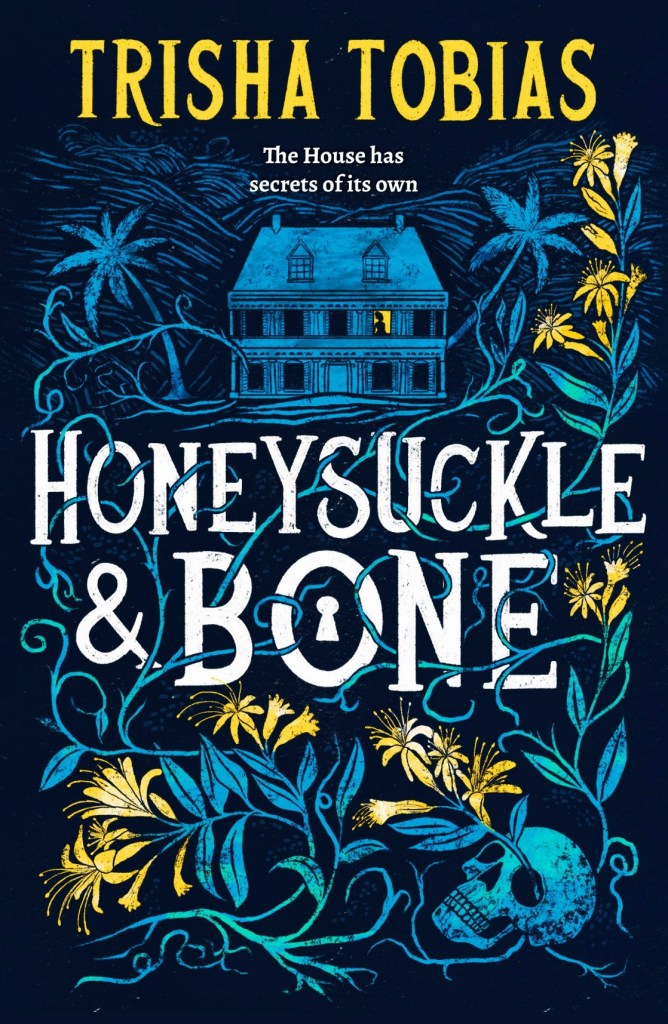
Author of ‘Honeysuckle and Bone’, Trisha Tobias, on why we need Messy Protagonists

Young adult fiction is constantly changing. Part of that change can include making large leaps away from what’s old. But those leaps can create their own problems, like overcorrection. And while YA fiction has come a long way in depicting marginalized protagonists, allowing those same characters to embrace their imperfections on the page is the next step in crafting memorable heroes with relatable, meaningful stories. And I think we’re ready for it.

In my debut novel, Honeysuckle and Bone, eighteen-year-old Carina accepts an au pair job with a wealthy political family in Jamaica. But Carina isn’t just in Jamaica to pad her bank account. She’s got a history, one that fills her with so much shame that she runs away to escape the guilt—and the consequences of her actions. Except Carina soon learns that no matter how far she runs, she can’t escape what haunts her.

Carina is a Black teen who does her best, but “her best” tends to be a bit off. Honestly, it takes Carina a while to figure out how to properly deal with her issues. And in the meantime? She does almost everything…kind of wrong. At times, she’s more focused on self-preservation than “doing the right thing.” Which could make Carina frustrating to root for as a protagonist. But it also makes her very real.

Today, underrepresented YA protagonists are most at risk of being sanitized. In an extreme attempt to counterbalance decades of poor portrayals, these characters can sometimes find themselves flattened, no longer emulating how real teens think or behave. Instead, they present something more aspirational. They know what they shouldn’t do, and they’re rarely tempted to do those things anyway. They’re minimally judgmental or biased. They’re largely “unproblematic.”

It’s a strong swing of the storytelling pendulum, but it’s understandable. In the not-so-distant past, young adult fiction presented its marginalized teen protagonists (the few that existed, anyway) in…interesting ways. As a kid, it seemed to me that many books with characters who resembled me were either reductive reflections on American slavery or stories about troubled, “urban” Black teens. If not this, then my archetypal characters were sidekicks or “magical” helpers, probably with too much sass and a roll of the neck. It wasn’t great.

Cue the big push toward better depictions of characters with underrepresented identities. That shift towards positivity and away from stereotype was needed. Organizations like We Need Diverse Books have been instrumental in their vision, messaging, and education on this, and there’s still more work to do.

But where do we go from here?

We let the flawed marginalized main characters loose.

Of course, readers shouldn’t expect fake people to act in completely “real” ways all the time. After all, protagonists are meant to be bigger than life, and oftentimes, the audience feels they should be better than us common folks. But all of us, at some point, make decisions that stem from recklessness, selfishness, or prejudice. It’s not who we are at our best, but it is honest. We need to see some of that honesty in our protagonists.

Imperfect protagonists aren’t just fun—and challenging—to read about. They serve an important function for the audience. They act as models of personal growth and positive change. They reveal the complexity that comes with being a human in an ever-changing world. And these messy protagonists offer less-represented readers permission to be normal people rather than feeling like they must live up to an impossibly high standard of living—a standard that is often forced upon them.

Because the truth is this: we are all fallible. Yes, we should aspire to our ideals. But we will make mistakes. Luckily, fiction shows us that we can acknowledge our faults and choose to be better. Messy protagonists reveal that redemption is available to all who accept it, and change is possible, no matter where on the path someone starts.

Carina is deeply flawed—and that’s okay. She joins the growing ranks of marginalized teen protagonists who remind the rest of us that perfection isn’t the goal. Trying our best is. And all the missteps and mistakes? They’re unavoidable. In fact, they’re the whole point.

A deliciously dark YA contemporary gothic ghost story where even paradise is haunted, from debut author Trisha Tobias.
After a tragedy rips her life apart, Carina Marshall is looking to reinvent herself in her mother’s homeland of Jamaica. With her new gig as the au pair for the wealthy and powerful Hall family at Blackbead House, Carina wants nothing more than to disappear into their world of mango trees, tropical breezes and glamorous parties.
At first, Blackbead House seems like the perfect escape, but new beginnings don’t come easy. Because Carina isn’t who she says she is, and Blackbead House already knows…

Trisha Tobias grew up listening to her mother’s hushed ghost stories, tales of towering spirit wolves and the warning scent of honeysuckle because a duppy might be nearby. She isn’t sure if the myths are true, but they fuelled her imagination and her love for stories that are often only told in whispers. She is a 2019–2021 Highlights Foundation Diversity Fellow and a 2018 Walter Dean Myers Grant recipient. She is currently an associate developmental editor at Dovetail Fiction.

PaperBound Magazine is an online magazine for the young, and the young at heart. We are dedicated to showcasing authors and illustrators for children’s and young adult fiction and we strive to deliver inspiring content, uplifting stories, and top tips for young and aspiring writers yet to burst on to the literary scene.

All our issues are completely free and run by volunteers, however if you would like to support PaperBound and the work we do, you can help us out by buying us a virtual book. We appreciate any support you can give us!

Don’t forget you can read with the latest issues of PaperBound Magazine – completely free – here.

Blog, Blog series, Bookshelf, Interview, Interviews, on writing, Writing craft

Interview: YA author Cynthia So on their new release ‘This Feast of a Life’

This Feast of a Life centres on the lives of two teenagers, Auden and Valerie. Auden is learning how to cook from their parents, and they start a food blog where they can record their family’s recipes along with the stories that come with them. It’s also a space for them to use their new name, Auden, which they just picked for themself and don’t feel comfortable using anywhere else yet. 

Valerie’s mum, who loved cooking, passed away over a year ago – and the kitchen’s been left unused because Valerie and her dad both don’t know how to cook. But when Valerie discovers Auden’s food blog, it sparks a curiosity about food and cooking – as well as about the writer of the blog. Soon Auden and Valerie are meeting up and reviewing restaurants together, but will they figure out what it is that they’re truly hungry for in their lives? 

The initial idea for the book came from thinking about food blogs and how everyone always complains about the long preamble you have to scroll through before you get to the recipe. But sometimes I actually find the preamble kind of charming! So I thought: what if you fell in love with someone through reading their recipe preambles? It’s not quite what happens in the book in the end, but that’s the nugget of an idea that I started with.

I always knew that it had to be dual narrative based on the story I was trying to tell, which boiled down to this: the love story of two chaotic bisexuals who are deeply terrified of committing to a relationship for very different reasons. (Or at least Auden thinks of themself as bisexual in the beginning of the book, although their understanding of their sexuality evolves.) 

It’s crucial to the book that Auden and Valerie have extremely contrasting approaches to romance and dating, and I wanted to give them both equal space to explore their feelings.

I’ve never written a food blog, but I was a book blogger for a while. That and my experiences in fandom as well showed me what it was like to connect with someone online through a shared interest, and how absolutely vital some of those connections can feel. 

I’m very inspired by a lot of food blogs I come across! I especially love the Woks of Life, written by a family of four Chinese American cooks who also share stories from their travels. I love the warm vibe of this blog and the fact that there’s a whole family working on it together.  

Similarly, Made with Lau is a blog created by the son of a Chinese chef, to share his father’s recipes with the world, and the recipes are so wonderful because they’re also accompanied by videos of his father making them.

Yes, absolutely. As mentioned above, part of the joy of writing a dual narrative book is contrast, and it was fun to flesh out what makes Auden and Valerie so different. I loved writing a bigger, bustling family and exploring the pros and cons of being the baby of that family. It was nice to alternate between that and the quiet stillness of Valerie’s life – and I took care to show how important chosen family is, and how Valerie spends a lot of her time with her best friend and her best friend’s older sister. They’re family to her. But there’s still so much emptiness, especially when she goes home. I wanted to contrast that against Auden’s home life to really emphasise what’s missing from Valerie’s. 

However, both Auden and Valerie are in fact quite lonely characters, even if Auden has a much bigger family. I wanted readers to understand that it doesn’t matter how many people you have around you – loneliness comes from not being seen, and neither Auden nor Valerie feel very seen at the beginning of the book.

I’d love to say I have a writing routine, but I sadly don’t. Writing my first book and writing my second book felt like such different experiences, and I expect it will be the same every time I write a book – I will have to find a new way to write it. 

I’ve been writing stories ever since I can remember, but I stopped dreaming about publication somewhere along the way. Being selected as a New Voice for Proud, the 2019 LGBTQ+ YA anthology published by Little Tiger, changed my life. It helped me see a path towards writing as a career, and I started working hard on my first novel after that. My first book, If You Still Recognise Me, came out in June 2022, and it was wonderful to be shortlisted for the Waterstones Children’s Book Prize and the YA Book Prize in 2023. I love getting messages from readers who tell me that If You Still Recognise Me made them feel less alone, and I hope that This Feast of a Life will reach people in the same way. .

Know why you want to write for young adults, that’s the first thing. For me, it’s because I know how formative books were when I was that age, and how life-saving the right book could be. I felt a lot of things as a teenager that I really relied on books to help me navigate. 

The second thing is to have a very clear understanding of why you want to write this particular story, and what is most important to you about it. Writing a book takes a long time, and sometimes it’s easy to lose sight of why you’re doing it, and the overall shape of the story you want to tell, when you’re in the middle of wrangling plot points and herding characters. So make sure you know the heart of it: what about this story makes you feel alive writing it? Never forget that part. 

I’m always, always fond of writing moments of realisation in romance – when characters realise they want each other, and when characters give into that want.

Valerie’s journey with her grief felt very meaningful to me, and I loved giving her the space to express that grief in a variety of ways. 

I’m always, always fond of writing moments of realisation in romance – when characters realise they want each other, and when characters give into that want. This book was no exception! It’s like a roller coaster for me, the ones with the long, slow climb towards the top that feels almost torturous, and then the exhilarating rush of descent at the end. 

And of course, the food! I never tire of writing descriptions of food, honestly.

Cynthia So

Cynthia So is the author of If You Still Recognise Me, which was shortlisted for the Waterstones Children’s Book Prize and the YA Book Prize in 2023. They were one of the new voices in Proud, an anthology of LGBTQ+ YA stories, poems, and art by LGBTQ+ creators, published in 2019. Their short fiction and poetry have also appeared in Uncanny Magazine, Strange Horizons, and Anathema, among others. Cynthia was born in Hong Kong and lives in London with their wife.

PaperBound Magazine is an online magazine for the young, and the young at heart. We are dedicated to showcasing authors and illustrators for children’s and young adult fiction and we strive to deliver inspiring content, uplifting stories, and top tips for young and aspiring writers yet to burst on to the literary scene.

All our issues are completely free and run by volunteers, however if you would like to support PaperBound and the work we do, you can help us out by buying us a virtual book. We appreciate any support you can give us!

Don’t forget you can read with the latest issues of PaperBound Magazine – completely free – here.

article, Blog, Blog series, Bookshelf, on writing, Writing craft

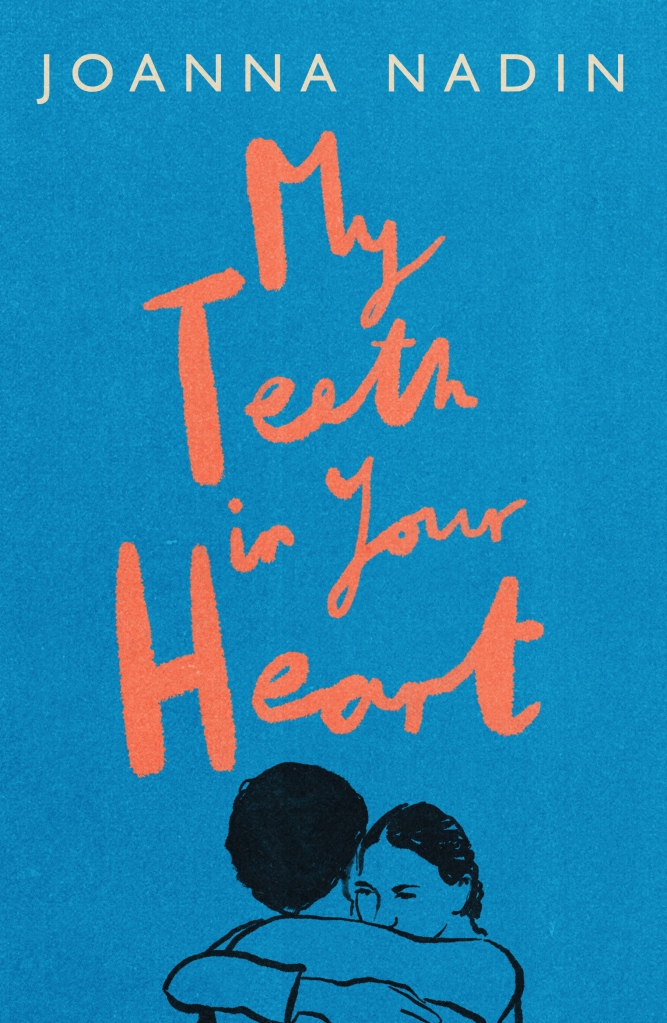
Author of ‘My Teeth in Your Heart’, Joanna Nadin on Writing Dual Timelines

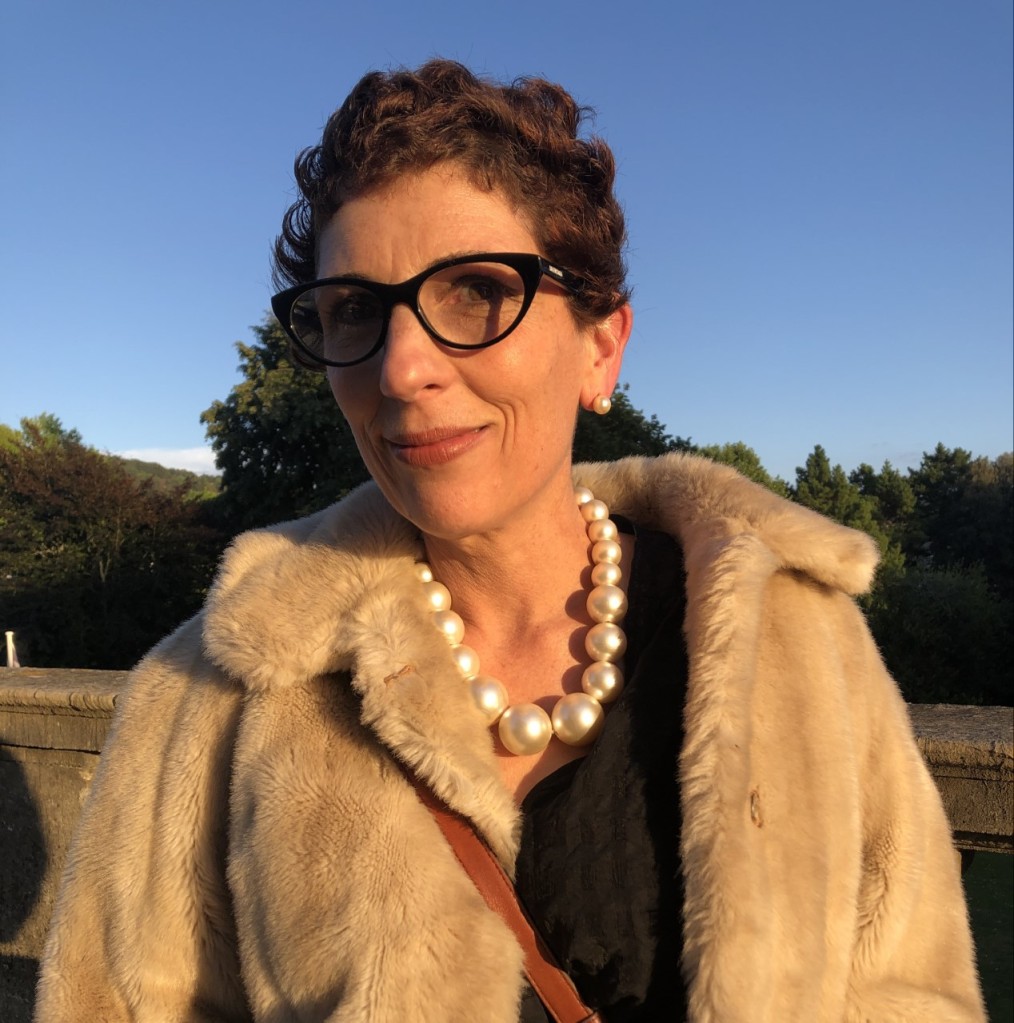
A former broadcast journalist and special adviser to the Prime Minister (not this one), since leaving politics Joanna Nadin has written more than 90 books for children and adults, including the UK bestselling The Worst Class in the World series, the Flying Fergus series with Sir Chris Hoy, and the Carnegie-nominated Joe All Alone, No Man’s Land and Calamity of Mannerings
She has been a World Book Day author, a Blue Peter book of the month and Radio 4 and the i magazine Book of the Year, won the Fantastic Book Award and the Highland Book Prize, and been shortlisted for the Roald Dahl Funny Prize, Queen of Teen and the Big Book Awards among many others, and is published across multiple territories. She has a PhD in Creative Writing and is a Senior Lecturer in the subject at University of Bristol, as well as teaching for the Arvon Foundation.

PaperBound Magazine is an online magazine for the young, and the young at heart. We are dedicated to showcasing authors and illustrators for children’s and young adult fiction and we strive to deliver inspiring content, uplifting stories, and top tips for young and aspiring writers yet to burst on to the literary scene.

All our issues are completely free and run by volunteers, however if you would like to support PaperBound and the work we do, you can help us out by buying us a virtual book. We appreciate any support you can give us!

Don’t forget you can read with the latest issues of PaperBound Magazine – completely free – here.

article, Blog, Blog series, Bookshelf, Interview, Interviews, on writing, Writing craft

Refugee Week 2024: Seven Million Sunflowers by Malcolm Duffy

Could you tell us a little about your book, Seven Million Sunflowers?

This is a book I wish I didn’t have to write.

When Russia invaded Ukraine in February, 2022, it affected so many lives across the world. Including our own. Having joined the Homes for Ukraine scheme, and inviting the Marchenko family into our home, I discovered the strength, resilience and humility of the Ukrainian people. I learnt what it was like to have to flee a conflict, and adapt to a new country, new language, new culture.

This was the inspiration for my story, Seven Million Sunflowers.

This novel has many themes, from resilience and acceptance of different cultures to coping with post-traumatic stress disorder and the changing dynamics of a family, to name a few. Were any themes most important for you to include as the writer?

Writing is like making a meal – all the ingredients are important. But I think there was one key ingredient – acceptance. To what extent can you accept strangers in your home, accept the views of others, accept different cultures? This applies to both the hosts and the guests. 

The opening paragraph and description of the attack on Kateryno’s building is so vivid – the burst pipes, flames and fire grounds you in the present. What kind of research did you do to help write the book?

I wanted to start the book in as dramatic a way as possible. The story doesn’t reflect Sofiia’s escape from Ukraine, but it does reflect the experience of many Ukrainians, especially those living near the front line, like those in Kharkiv.

The idea for the chapter came from a real event where a Russian missile struck an apartment block in Dnipro, Ukraine. A young woman, Anastasia Shvets, was on the 5th floor of the building. 236 apartments were destroyed and many people were killed, including her parents, but she somehow survived. A photographer captured her, clinging to a small green teddy, as she sat in the rubble far above the city.

The topics you’ve written about must have been very sensitive to discuss with Sofiia. How did you both feel talking about what happened?

For me it’s important to remember that this is fiction, based on fact. It’s not Sofiia’s story or that of her family. I spoke to many Ukrainians when writing the story, as well as reading books and articles on the conflict. The characters are an amalgam of different people I’ve met, and stories I’ve heard.

Sofiia helped me understand the feelings of Ukrainians, the anger and sadness at having been forced from their homeland. 

It’s interesting how you describe both external and internal conflicts: the war in Ukraine and Georgia and Marko’s relationship under the same roof. What were some of the challenges you faced as a father inviting a family into your home?

The Marchenkos were a delightful family to have in our home. They kept themselves to themselves, were respectful of us and our home, and helped us when they could. The drama in the book came from stories I’d heard from various sources about problems between host families and their Ukrainian guests. Sometimes the host family were at fault, sometimes the Ukrainians. I wanted to reflect this in Seven Million Sunflowers.

Although this is a work of fiction, you’ve based the book on your personal experience. Do any of the characters in the book resemble you in any way?

I don’t think any of the characters in the book resemble me. Having said that I like to include elements of human nature that mean a lot to me – humour, empathy, kindness, understanding.

Are you working on anything new at the moment?

Yes, I’m working on a new YA book at the moment, but I don’t want to jinx it by talking about it!

The opening to this novel is very powerful. The description of everyday things such as the guitar, desk etc. all upside down amid the fear and the deafness is so vivid. I was almost choking from the smoke. How much of this was true to your story?

I was fortunate enough not to live too close to Russia unlike the heroine of Malcolm’s story. I am fortunate enough that my flat is still not damaged. But I think the early morning of 24th February was frightening for everyone. I woke up from the explosions. Although we all knew war was coming – I didn’t expect to feel it myself in central Ukraine so soon. My town is of an average size – it has 250,000 people. But even this small town experienced some damage during the ongoing Russian invasion. First missiles, then a few months later drones etc.

I was very frightened although I tried not to show it to my friends and family. On the day of the 24th, the first thing I did was go to the local corner shop and buy champagne and my favourite chocolate. This has always amused me but now I understand I probably was thinking they might be my last days on this earth so I’m gonna celebrate my life. After having those for breakfast I didn’t eat anything at all for the next 3-4 days.

Kat defends and protects her mother by not translating certain negative conversations. Did you ever have this experience?

We definitely didn’t have a negative experience with our host family. Malcolm and his wife and children are super sweet and supportive. But there definitely were some moments outside of our host family’s house (like dealing with the search for work and accommodation) that were stressful and I didn’t always translate everything to my mum for the sake of her wellbeing. I know she likes to solve problems and support me but with her not being able to speak English, it really left her feeling helpless and I didn’t want to add to that.

Malcolm and Sofiia

Was it difficult adapting to rules in someone else’s home?

As I mentioned earlier – our host family were super sweet and understanding. It wasn’t difficult to adapt to their rules, we are really lucky we met them. We are still friends and love babysitting for their lovely dog Layla sometimes.

What was hard for me was the lack of personal space which I always had growing up. I am an only child and my parents were working a lot, so I had a lot of moments being alone in the house. I am not used to having many people around, so this was hard. I always had some anxiety, even back in Ukraine when we had some guests visiting, so even though our host family were the loveliest and the most understanding people ever, I did miss being alone sometimes – this is an environment where I regain my strength and resources to carry on in difficult times.

How did it feel being in the UK, while people you knew and cared about were still in your homeland?

Definitely a lot of guilt. Feeling you are the lucky one who got away and survived and can carry on having a normal life.

What do you think of the final book, Seven Million Sunflowers?

I have read it and I do love it! I think it is amazing of Malcolm to address this issue through a powerful story like this, and it’s definitely a compelling and moving story. It describes all the difficulties a young Ukrainian teenager faces when escaping the war and having to live a ‘normal’ life while having loved ones in danger every day.

The book is excellent at describing the emotions of a person having to deal with all the mixed feelings of living in two different worlds on the same continent where one is full of chaos and death and other one is peaceful and carefree.

Do you still live in the UK? If so, what are you doing? What plans have you got for the future?

I still live in the UK. We are renting a flat with my mum in a nice area. Currently I am teaching piano classes, mostly to kids, and finishing my Communications degree online. For now, I just want to take time to think about what I actually want and what I am going to do next. To be honest, I didn’t have much time to think about that before.

Refugee Week runs from June 17th to 23rd 2024. Read more about it here.

Malcolm was born and bred in Newcastle upon Tyne and now lives in Surrey. After a typical Geordie childhood, his parents moved south and deposited him in South East England. Having acquired a Law degree at Warwick University he worked his way through a host of London advertising agencies, picking up numerous awards for copy, press, TV and radio.
Having left ad-land he worked as Creative Director of Comic Relief, creating campaigns for Red Nose Day and Sport Relief. It was at Comic Relief that he was inspired to swap copywriting for writing and wrote his first novel, Me Mam. Me Dad. Me. His books have all been issue based, with much of the information gleaned from his work for different charities – Comic Relief (domestic violence), Shelter (homelessness), Nessy (dyslexia) and Combat Stress (PTSD).
He’s supported in his efforts by his New Zealand wife Jann, and daughters Tallulah and Tabitha, who, under the threat of withholding pocket money, seem to like what he writes.
Find out more at malcolmduffy.com and follow him @malcolmduffyUK

Huge thanks to Jayne Leadbetter for preparing the interview questions. Jayne has also reviewed Seven Million Sunflowers in our Spring/Summer 2024 issue, which you can download for FREE here.

Jayne Leadbetter emigrated to Australia from the UK and is a high school teacher at a multicultural high school in Sydney, where she lives on the land of the Gadigal and Bidjigal people. She’s currently studying for a master’s degree in creative writing at university and is in the process of writing two novels, while enjoying the nature and the beaches of Australia with her huge dog Clifford.

PaperBound Magazine is an online magazine for the young, and the young at heart. We are dedicated to showcasing authors and illustrators for children’s and young adult fiction and we strive to deliver inspiring content, uplifting stories, and top tips for young and aspiring writers yet to burst on to the literary scene.

All our issues are completely free and run by volunteers, however if you would like to support PaperBound and the work we do, you can help us out by buying us a virtual book. We appreciate any support you can give us!

Don’t forget you can read with the latest issues of PaperBound Magazine – completely free – here.

article, Blog, Blog series, Bookshelf, on writing, Writing craft

C.G. Moore on Writing in Verse: The Joys and Challenges, plus extract of new novel Trigger

*Trigger warning: sexual assault

See below an extract of the opening of Trigger:

C. G. (or Chris) Moore is the published author of three books. His second book – Gut Feelings – explored his own experiences living with chronic illness and was nominated for the Yoto Carnegie Medal and won the KPMG Children’s Books Ireland Book of the Year Award 2022. His new book – Trigger – is inspired by his own experiences of sexual assault and looks at consent. 
Chris has also contributed a poem to Our Rights – an anthology endorsed by Amnesty International. He also works as a Campaign Officer for The Reading Agency where he leads on digital events and supports libraries and schools across the UK. 

PaperBound Magazine is an online magazine for the young, and the young at heart. We are dedicated to showcasing authors and illustrators for children’s and young adult fiction and we strive to deliver inspiring content, uplifting stories, and top tips for young and aspiring writers yet to burst on to the literary scene.

All our issues are completely free and run by volunteers, however if you would like to support PaperBound and the work we do, you can help us out by buying us a virtual book. We appreciate any support you can give us!

Don’t forget you can read with the latest issues of PaperBound Magazine – completely free – here.

article, Blog, Blog series, Bookshelf, on writing, Writing craft

Journey from Blogger to Author by Amy McCaw

Amy McCaw is a YA author and YouTuber. She’s the author of the Mina and the Undead series, YA murder mysteries set in 1995 New Orleans. She also co-curated the A Taste of Darkness horror anthology with Maria Kuzniar. Her main interests are books, movies and the macabre, and her novels have elements of all of these. Unsurprisingly, she’s a huge Buffy the Vampire Slayer fan and has gone to conventions to meet James Marsters more times than she cares to admit.

If you want to talk with Amy about books or 90s movies, you can find her on Twitter, Instagram, Tiktok and YouTube.

PaperBound Magazine is an online magazine for the young, and the young at heart. We are dedicated to showcasing authors and illustrators for children’s and young adult fiction and we strive to deliver inspiring content, uplifting stories, and top tips for young and aspiring writers yet to burst on to the literary scene.

All our issues are completely free and run by volunteers, however if you would like to support PaperBound and the work we do, you can help us out by buying us a virtual book. We appreciate any support you can give us!

Don’t forget you can read with the latest issues of PaperBound Magazine – completely free – here.

Blog, Blog series, Interview, Interviews, Writing craft

Interview: Rebecca Barrow on YA Thriller ‘And Don’t Look Back’

Thanks for having me! And Don’t Look Back is a twisty thriller that centres on Harlow, a girl who has spent her entire life on the run. When her mother is killed in a car accident, Harlow is left to unravel the secrets of her life and her family all alone.. 

I really love writing about mothers and daughters, and I thought it would be interesting to explore generational trauma—how a girl like Harlow is shaped by her mother’s experiences, and how she deals with that while at the same time struggling to figure out who she is in the same way all teenagers do. I really enjoy writing older YA because that time in life is so interesting—you’re on the precipice on adulthood but still a kid, at the same time. And like Harlow, a lot of teenagers are dealing with really heavy things like the loss of a parent or mental health struggles or a million other things, and I think it’s important to acknowledge those things.

It took a while to come together but once the planning was done, the writing came quite easily. I usually don’t like to plan too much because I like discovering things through the writing, but often writing a mystery means you need to plan, so it’s about finding the right balance for me. Some of the plot aspects had been in my head for years just waiting for the right story so it really was a mix of long term planning and figuring some things out as I went!

Yes, I actually really do! I don’t think I will ever run out of ideas, but I do find they sometimes take a while to come to me. I’m definitely not one of those authors who have so many ideas that the main struggle is choosing which one to work on, but I think needing to let things develop in the back of my mind can also be really beneficial. I don’t see myself ever not writing. 

I write in twenty-minute blocks and use a program called Freedom to block the internet while I write, otherwise I would never get anything done. I usually have a word count goal so I just keep writing in those twenty minute slices with breaks in between until I have the words! I like to use different playlists for different books, to help me get in the right headspace, and that’s about it! 

I have mostly always wanted to be a writer but I did entertain the idea of several other careers—nurse, fashion designer, and choreographer were the big three! But it was mostly always writer for me.

Rebecca Barrow is the critically acclaimed author of And Don’t Look Back, Bad Things Happen Here, and several others.
She is a lover of sunshine, Old Hollywood icons, and all things high femme. She lives and writes in England.

PaperBound Magazine is an online magazine for the young, and the young at heart. We are dedicated to showcasing authors and illustrators for children’s and young adult fiction and we strive to deliver inspiring content, uplifting stories, and top tips for young and aspiring writers yet to burst on to the literary scene.

All our issues are completely free and run by volunteers, however if you would like to support PaperBound and the work we do, you can help us out by buying us a virtual book. We appreciate any support you can give us!

Don’t forget you can read with the latest issues of PaperBound Magazine – completely free – here.